Neither — the right setting changes with the weather and how hard you are skiing: open the vents on warm days, on climbs and hikes, and any time you feel heat building, and close them on cold, windy days and fast descents to keep warmth in and wind noise down. On an average resort day, most skiers do best starting with vents closed on the first cold lifts, then cracking them open as the sun and their own effort warm things up.
Adjustable vents are one of the genuine advantages of a modern ski helmet, yet many skiers set the slider once and never touch it again — usually closed, which is why they finish spring days with a soaked liner and fogged goggles. The vents are a temperature control system, and it works best when you actually use it through the day. This guide explains how helmet ventilation works, when each setting earns its place, and how vents interact with goggle fogging and comfort.
How Does Ski Helmet Ventilation Actually Work?
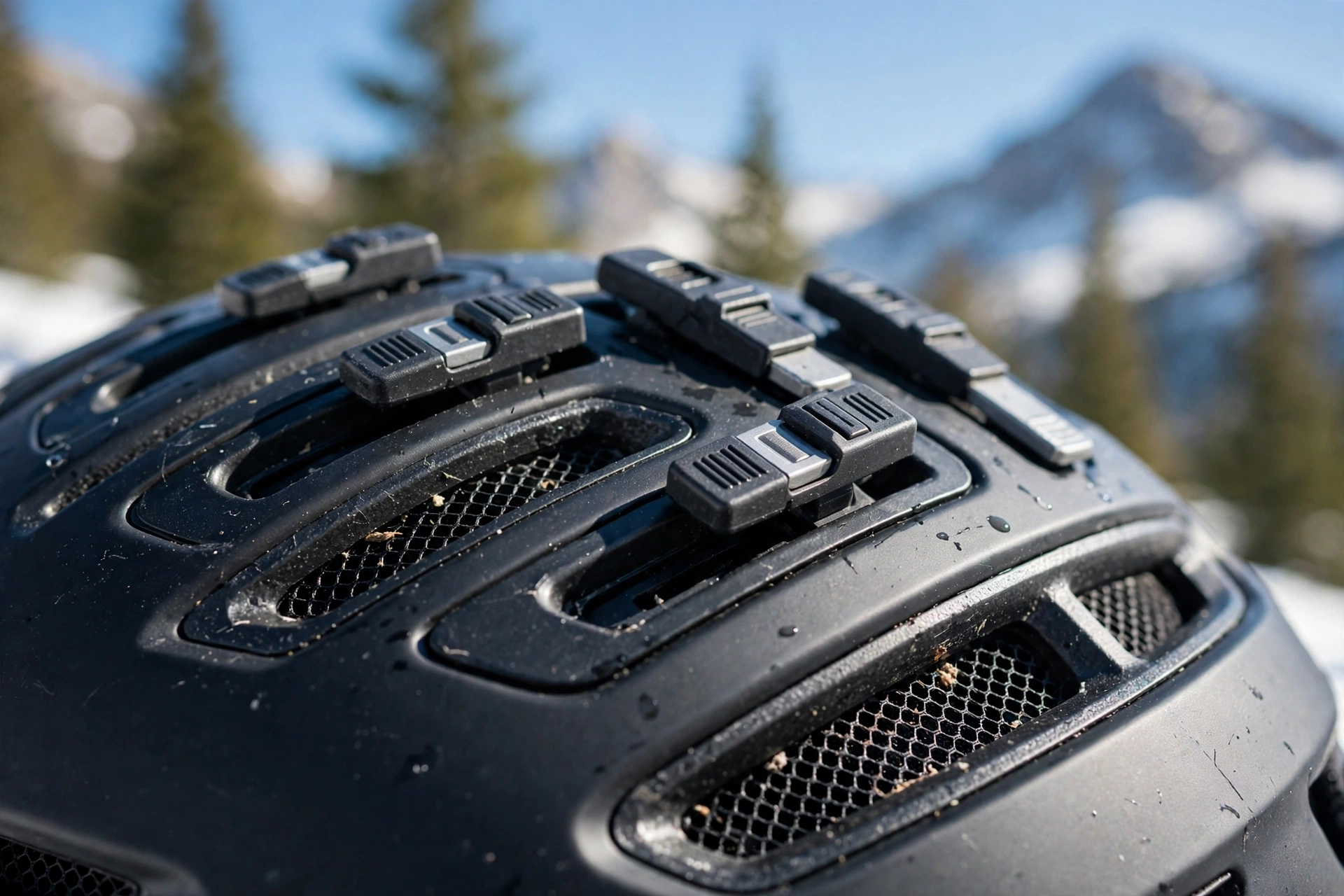
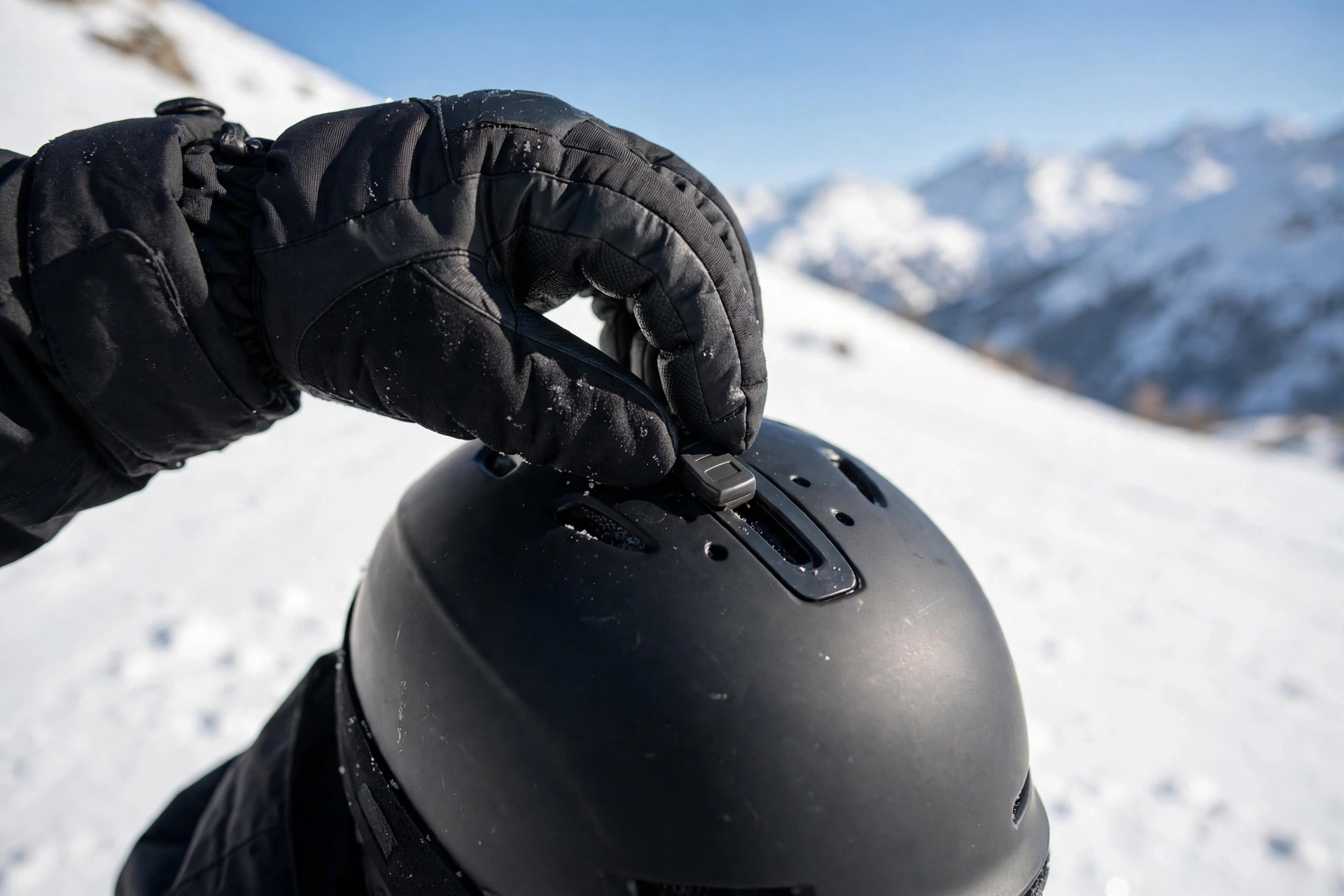
Most vented helmets use the same basic scheme. Fixed intake openings at the front and top let moving air in, internal channels between the shell and the foam guide that air across your head, and exhaust ports at the back let it out, carrying heat and moisture with it. A slider — or sometimes two — opens and closes shutters over the openings, which is the adjustment you control.
The system is passive: it depends on your motion through the air. Skiing at a moderate pace generates plenty of airflow; standing in a lift line or riding a slow chair generates almost none. That is why a helmet that feels perfect on a fast groomer can feel stuffy in the lift maze, and why vent settings that work on the descent often need changing at the bottom.
Designs vary more than the catalogs admit. Some helmets split vents into front and rear zones with separate controls, some use a single slider for everything, and high-end models tune the channeling so even a small opening moves real air. Fixed-vent helmets — common on race and park models — skip the shutters entirely, which keeps the shell simpler but fixes your airflow at whatever the designer chose.
When Should You Ski With Vents Open?
Open the vents whenever heat is the problem. Warm spring days are the obvious case: sun, soft snow, and hard work can turn a closed helmet into a sauna within one run. Open vents are also the right call on hikes and bootpacks — to a ridge, a sidecountry gate, or just across a flat traverse — where your effort is high and your speed is zero.
Overheating is not merely uncomfortable. A hot head sweats, the sweat soaks the liner, and the damp liner then chills you on the lift — the classic cycle that ruins late-season afternoons. Opening the vents early, before you feel hot, breaks the cycle far better than reacting after you are already sweating.
Open vents also help anyone who runs warm: strong skiers linking mogul runs, skiers in heavy sun at altitude, and anyone wearing a helmet over a liner cap. If your head feels hot and your liner is getting damp, the vents should be open, whatever the thermometer says.
When Should You Ski With Vents Closed?
Close the vents whenever warmth is the priority. Cold, windy days are the clear case: at speed, open intakes pour freezing air across your scalp, and wind chill at the top of an exposed ridge can turn a pleasant helmet bitter within minutes. Closing the shutters keeps the heat your head produces inside the liner, where it belongs.
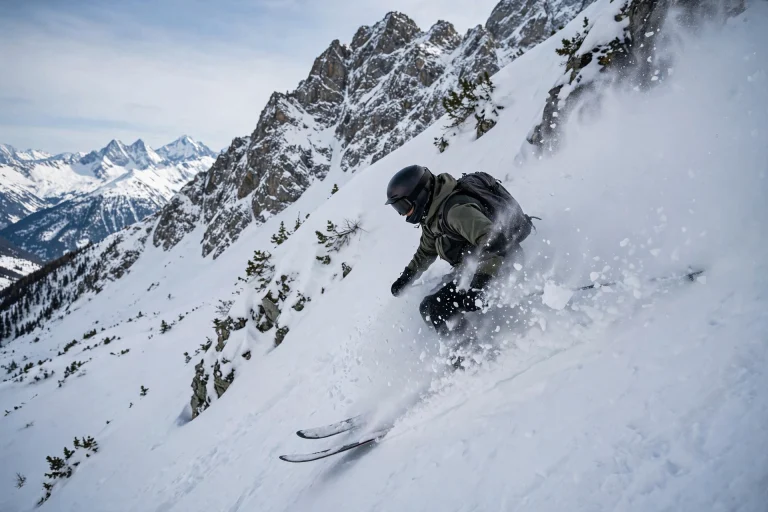
Fast, long descents are the other case. Even on a mild day, a long high-speed run pushes a lot of air through open vents, and the cooling can overshoot into discomfort — a frozen forehead by the bottom of the run. Many skiers find a rhythm: vents closed for the descent, opened again for the lift ride and the next climb.
Storm days add a third reason: snow. Driving snow can pack into open intakes and melt through onto the liner. Closed shutters keep most of it out. The same logic applies to rain at lower elevations early and late in the season — closed vents make the helmet meaningfully more weatherproof.
Do Vents Affect Goggle Fogging?
Indirectly, yes. Goggles fog when warm, moist air from your face and head reaches the cold inner lens and condenses. A helmet that traps heat raises the temperature and humidity of the air around the top of the goggle frame, which makes fogging more likely, especially when you stop moving and the airflow that was clearing everything disappears.
Good helmet-goggle integration routes some vent exhaust away from the goggle’s top vents rather than into them; cheaper pairings sometimes dump warm air straight at the lens. If your goggles fog mainly at lift stops, opening the helmet vents a notch and leaving the goggles on your face — rather than pushing them up onto the warm helmet — usually helps more than wiping.
Keep perspective, though: the biggest fogging causes are a poor goggle fit, a balaclava or neck gaiter funneling breath upward, and handling the lens. Vents are one dial among several. That said, helmet heat management matters for the whole system on your head — fit, layers, and liners all interact, as anyone who has read about how helmet liner systems work will appreciate; the layers inside a helmet are designed to function together in normal, dry conditions, so keeping them dry keeps everything working as intended.
How Do You Find the Right Setting Through a Day?
Treat it as a rhythm rather than a decision. Start the day closed for the cold first lifts. As the sun climbs and your legs warm up, open the vents partway — most sliders have useful middle positions — and adjust by feel from there: hot scalp or a damp liner means open more; a cold forehead or wind whistle means close down.
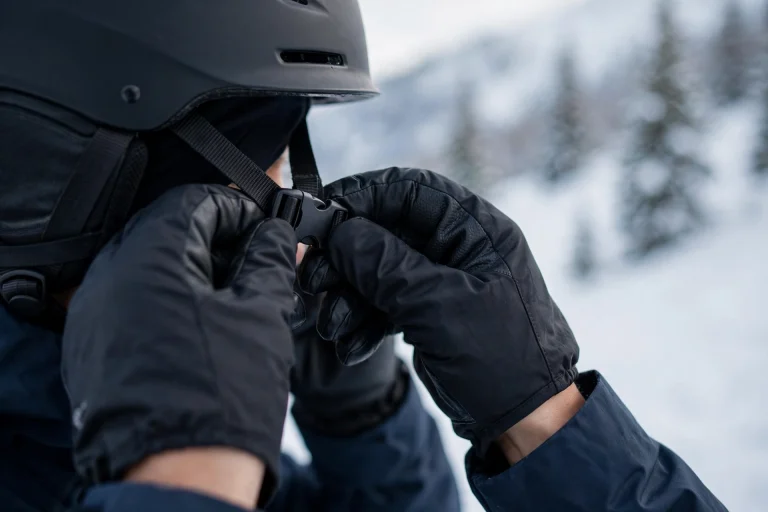
Learn to make the adjustment with gloves on, at the top of a run, without removing the helmet. The slider is designed for exactly that; if yours is too stiff or fiddly to work in gloves, practice in the lodge, because a control you cannot reach is a control you will not use.
Finally, close the loop at the end of the day: open the vents fully while the helmet dries indoors. Open shutters let air circulate through the channels and help the liner dry, so the helmet starts the next morning fresh. It is a small habit that makes the whole ventilation system — and the helmet — last longer and smell better.
Frequently Asked Questions
Q: Are open vents less safe than closed vents?
A: No. The vents and their shutters sit in the shell above the protective foam, and the helmet is certified with its ventilation system as designed. Opening or closing the slider changes airflow and comfort, not the helmet’s impact protection.
Q: My helmet has fixed vents with no slider. Is that a problem?
A: Not at all. Fixed-vent designs are common on race and park helmets and trade adjustability for a simpler, robust shell. You manage temperature with layers instead — a thinner or thicker liner cap — and by removing the helmet during long warm breaks.
Q: Should vents be open or closed on the chairlift?
A: It depends on the day, but many skiers open them on the lift in spring and close them in midwinter. The lift is when your body is still producing heat but your speed — and airflow — drops, so on warm days opening up prevents the sweat-chill cycle; on cold, windy lifts, closing them keeps the warmth in.

Olivia
Writer at Helmet Today, covering helmet reviews, fit and riding safety.