You can spot a counterfeit helmet by checking five things: the price, the seller, the shell quality, the certification labels, and the paperwork. A counterfeit helmet is a fake copy of a real brand’s helmet — or a cheap helmet dressed up with fake labels — and it can fail badly in a crash because it was never actually tested to any standard. Fakes are common in online marketplaces and auction listings, so knowing the warning signs before you buy is the cheapest safety check you will ever make.
Why Is the Price the First Warning Sign?
The single biggest red flag is a price that looks too good to be true. Genuine helmets from established brands cost what they cost because of testing, certified materials, quality control, and dealer support. When a listing offers a famous model’s “helmet” at a small fraction of its normal market price — through an unfamiliar storefront, a no-name marketplace seller, or a site with no real address — you are almost certainly looking at a fake, a gray-market reject, or a toy-grade novelty helmet wearing copied graphics.
Deep discounts do happen on genuine helmets when a colorway is discontinued or a new model replaces an old one, but those sales come from authorized dealers you can verify, with real return policies and customer service. A suspicious price from an unknown seller with no verifiable business behind it is a completely different situation. If the deal depends on you not asking questions, walk away.
What Should You Check on the Shell and Build Quality?
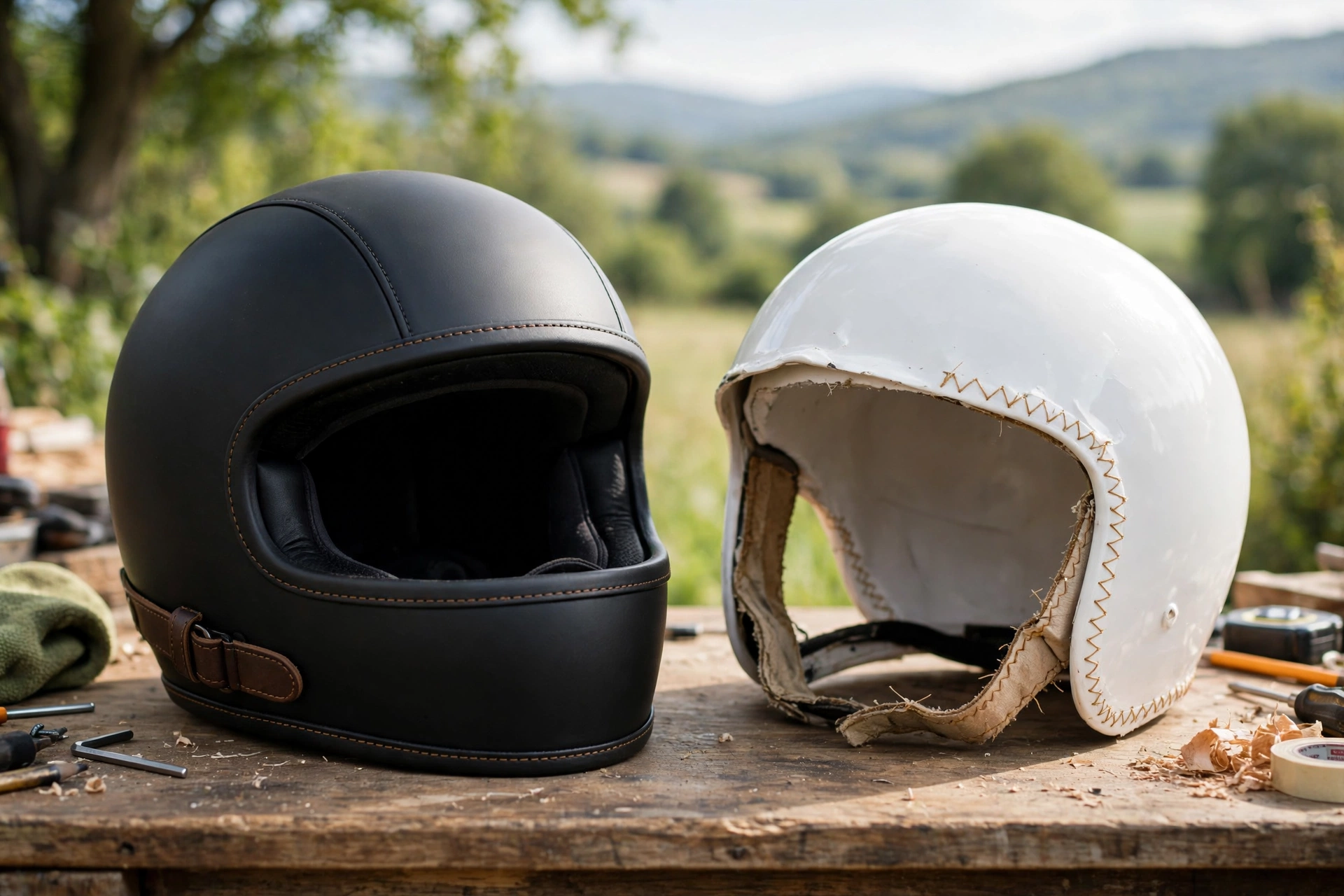
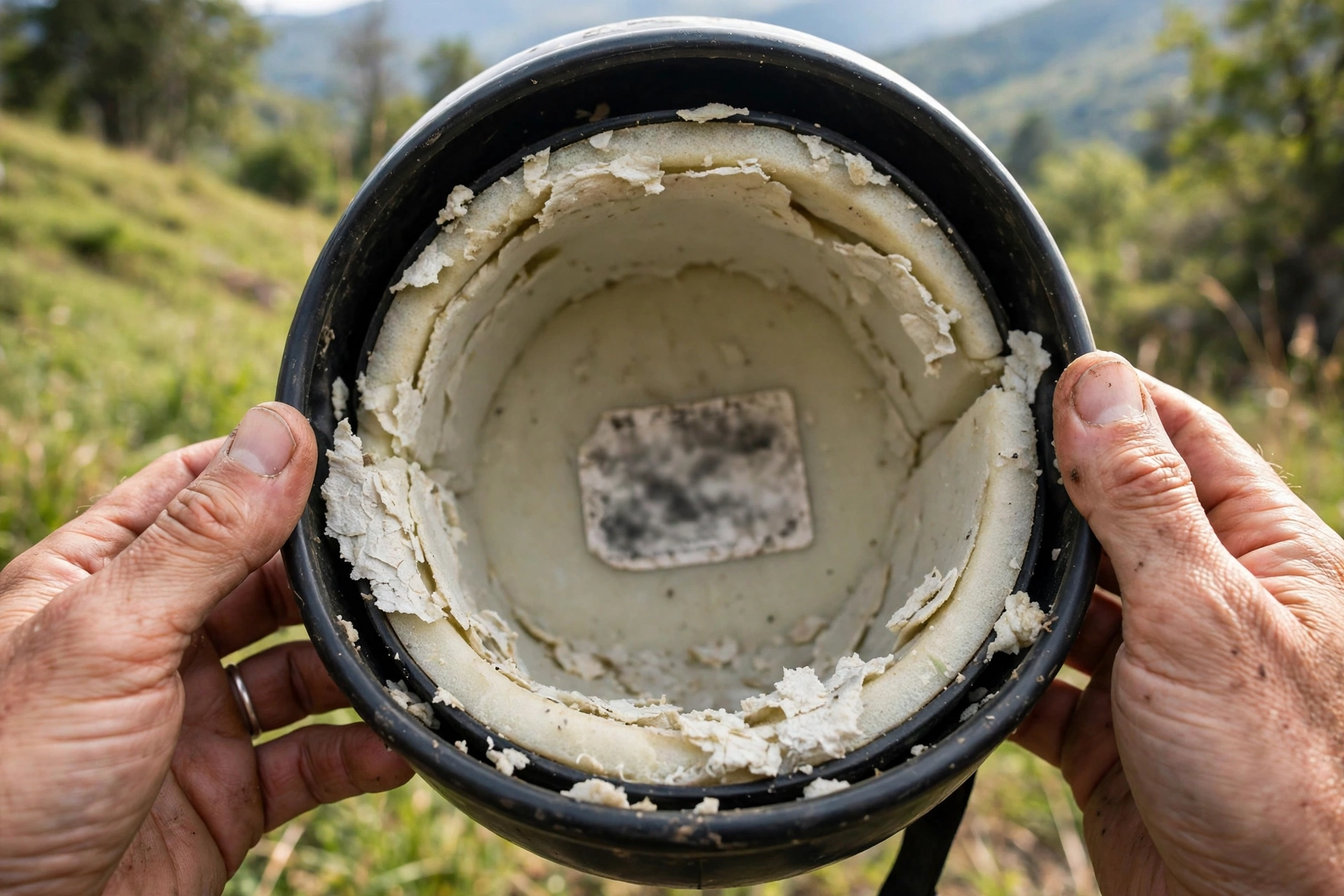
Pick the helmet up. A counterfeit helmet is often noticeably lighter than the genuine article, because the energy-absorbing foam liner inside is thinner, softer, or lower density than it should be, and the outer shell may be thin, flexible plastic rather than a proper composite or polycarbonate shell. Genuine helmets feel solid and evenly finished. Fakes often feel flimsy, creak when you squeeze the shell, and have uneven edges, rough molding lines, or gaps between the shell and the liner.
Look closely at the details. Stitching on straps and comfort padding should be straight, tight, and consistent on a real helmet. On counterfeits, stitching is often crooked, loose, or uneven, the strap webbing feels thin and slippery, buckles feel like cheap brittle plastic, and the paint or graphics may be slightly off-register or blurry compared with photos of the genuine model. None of these details alone proves a fake, but two or three of them together is a strong signal.
How Do You Verify the Certification Labels?
Every genuine helmet sold for road use carries certification labeling for the market it was made for — for example, a DOT label on US motorcycle helmets or the approval label system used under ECE regulations in Europe. On a counterfeit, these labels are the weakest link: they may be missing entirely, printed as a cheap sticker that peels at the edges, misspelled, blurry, or in a typeface that does not match the genuine label. A label that is simply stuck on crookedly, or one that rubs off with a fingernail, is a serious red flag.
Cross-check everything. A genuine helmet has consistent information: the brand and model name on the helmet should match the model name in the owner’s manual, the size marked on the helmet should match the size on the box and labels, and the date of manufacture should be plausible and legible. Counterfeits often mix these up — a box for one model, a manual for another, or labeling with no manufacturer information at all. If the helmet gives you no way to identify who made it and when, do not trust it with your head.
What Paperwork and Documentation Should a Real Helmet Have?
A genuine helmet ships with an owner’s manual specific to that model, care and fitting instructions, and warranty information from the manufacturer. The packaging is printed cleanly, the model and size information is specific rather than generic, and the purchase comes with a receipt from a business you can actually contact. Counterfeit helmets typically arrive in plain or poorly printed packaging, with a generic leaflet (or none at all), no warranty path, and no way to register the product with the brand.
Manufacturers also make verification easy: most major brands list their authorized dealers, and many will confirm whether a seller or a specific product is genuine if you contact them. That two-minute check is worth doing whenever you buy outside the brand’s own store. How a helmet manages rotational forces matters too — technologies like the one explained in our guide to what MIPS is in a helmet are engineered and tested features, not stickers, and a fake that copies the logo has not copied the engineering behind it.
Where Should You Buy to Avoid Counterfeit Helmets?
Buy from the brand’s own website or from an authorized dealer — a real motorcycle or cycling shop, or an established retailer with a physical presence and a returns process. Be cautious with marketplace listings from third-party sellers you have never heard of, deals advertised through social media ads from freshly created stores, and any seller who cannot answer basic questions about model years, sizing, or warranty. If a seller discourages verification or pushes you to pay outside the platform’s normal checkout, treat that as a final answer and leave.
If you already own a helmet you now suspect is fake, stop wearing it. Contact the genuine brand with photos of the helmet, labels, and packaging — brands track counterfeits and can often tell you quickly whether yours is real. And report the listing or seller to the marketplace so the next rider is not fooled. A counterfeit helmet is worse than an old helmet: at least an old genuine helmet was tested once. A fake never was.
Frequently Asked Questions
Q: Are counterfeit helmets actually dangerous, or just lower quality?
A: They are genuinely dangerous. The foam liner, shell, and retention system in a real helmet are tested together as a system. A fake copies the appearance without the engineering, so there is no reliable way to predict how it behaves in an impact.
Q: My helmet was cheap but has a certification sticker. Is it safe?
A: A sticker alone proves nothing, because stickers are the easiest part to copy. Check the label quality, spelling, model consistency, paperwork, and whether the seller is an authorized dealer. If several details feel off, contact the manufacturer to verify.
Q: Can I return or report a counterfeit helmet?
A: Yes. Use the marketplace or card provider’s buyer protection to report the item as counterfeit and request a refund, and pass photos to the genuine brand. Do not resell it to another rider — destroying or surrendering it is the responsible move.

Olivia
Writer at Helmet Today, covering helmet reviews, fit and riding safety.