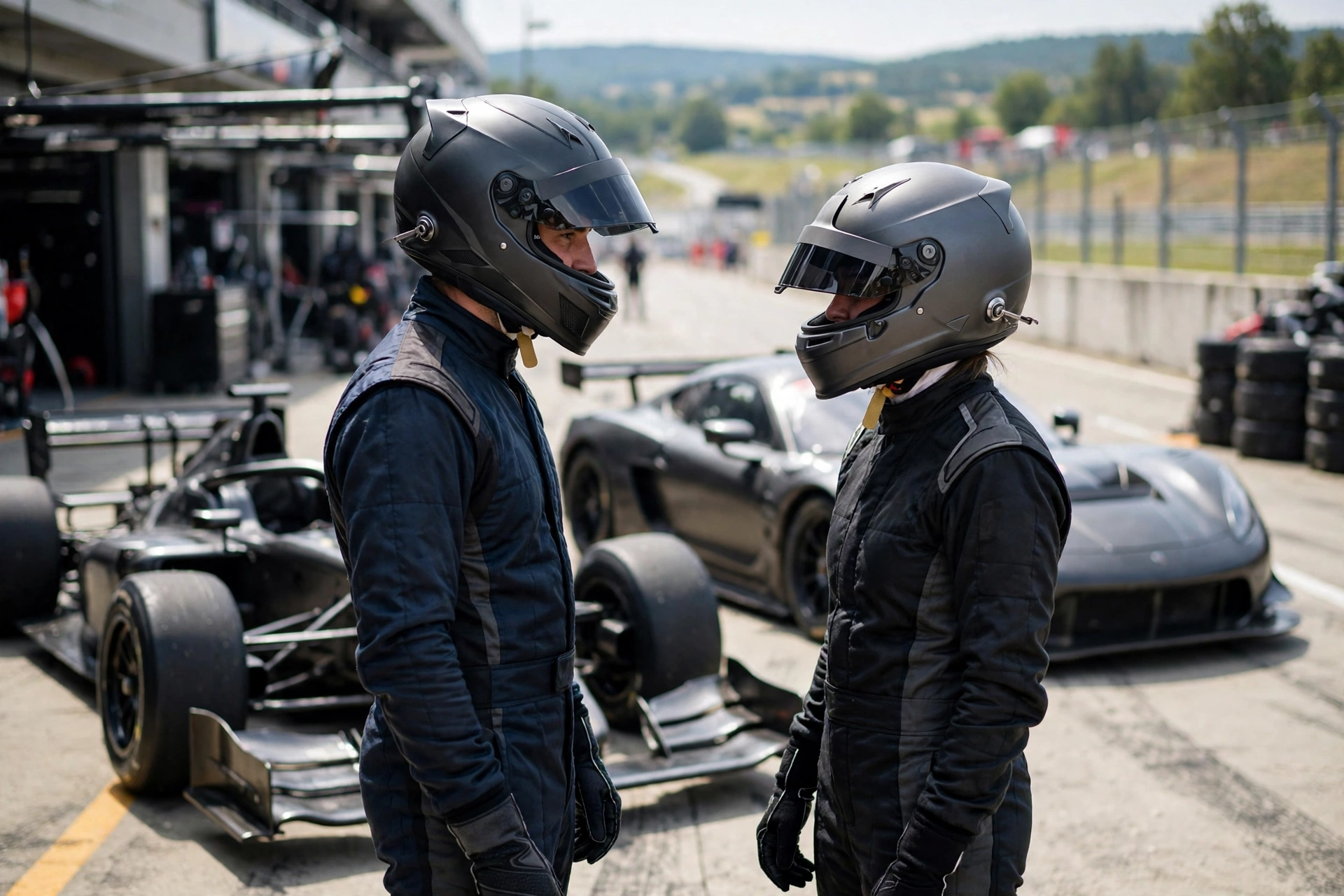
In general terms, the difference between an open wheel racing helmet and a closed cockpit helmet comes down to airflow, debris protection, and communication: open wheel helmets are built for exposed cockpits with high wind and flying debris, while closed cockpit helmets are built for the quieter, hotter environment inside a roofed car. Both protect the head, but they are tuned for very different conditions, and using the wrong one can leave you uncomfortable or under-protected.
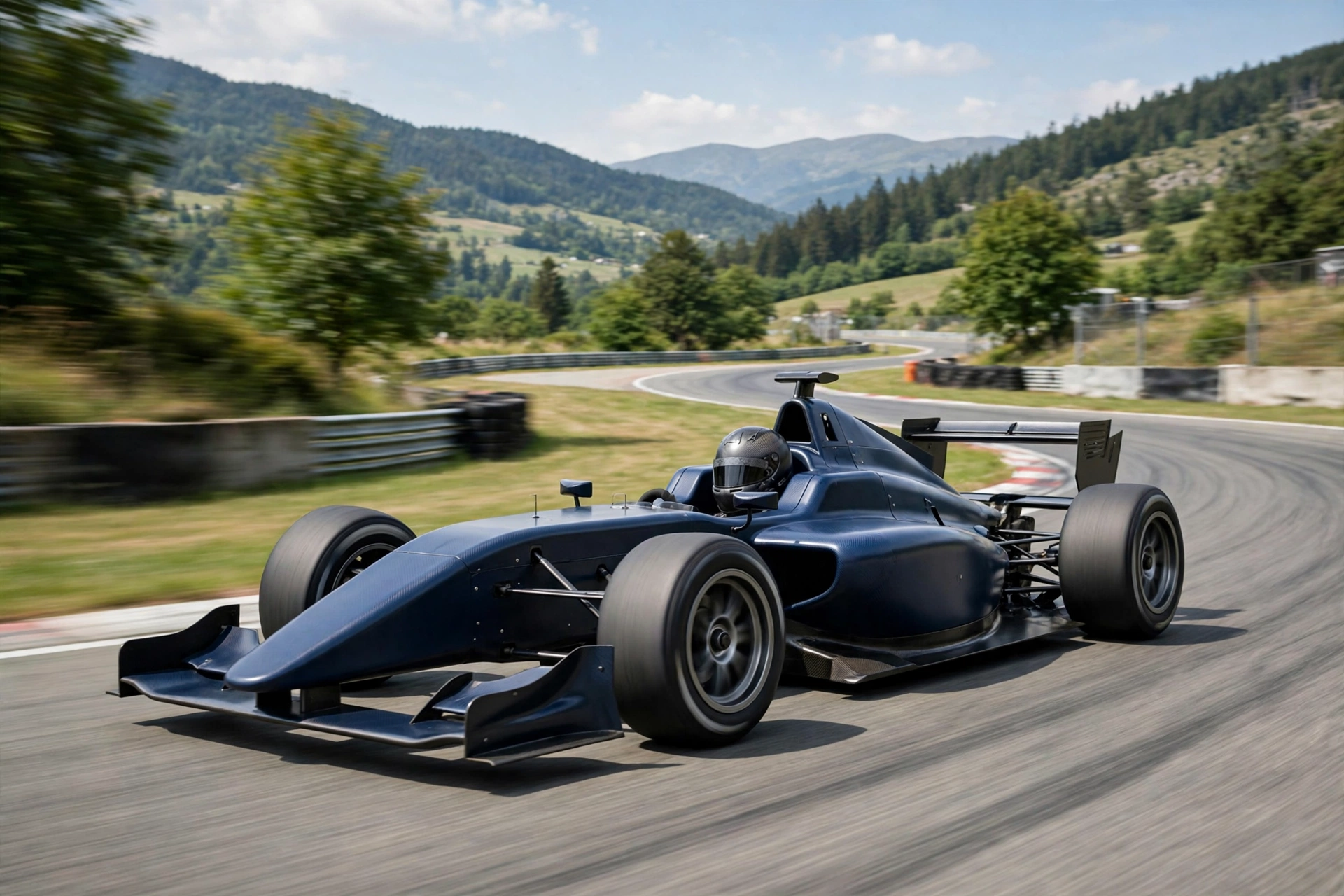
Open wheel racing — single-seaters and formula cars — puts the driver’s head directly in the airflow, with no windscreen or roof in front of it. Closed cockpit racing — touring cars, GT cars, and sports cars — puts the driver inside a cabin, behind a windscreen, with engine heat and a roll cage around them. The helmet each driver wears reflects that difference.
What Makes an Open Wheel Racing Helmet Different?
An open wheel helmet is designed to cope with extreme wind. At speed, the driver’s head is battered by airflow from every direction, so the shell shape is tuned to be aerodynamically stable — it should not lift, buffet, or pull the driver’s head around. Small spoilers and aerodynamic aids on the shell help keep the helmet steady, which matters a lot when a driver is trying to hold a precise line at high speed.
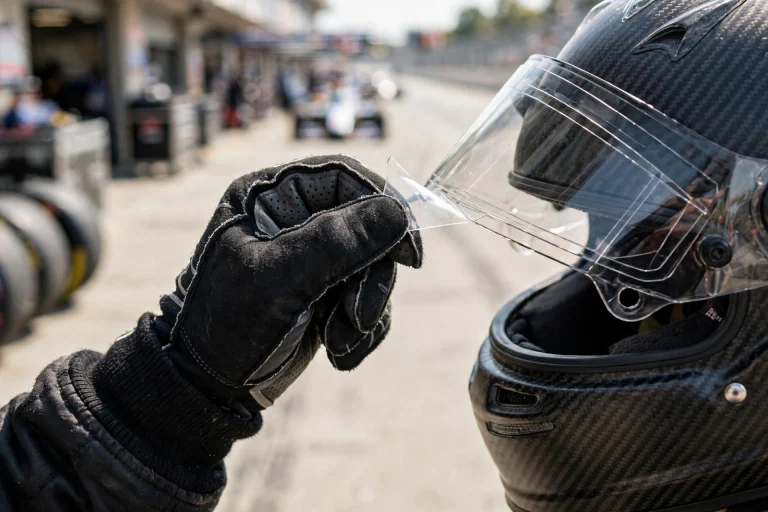
Debris protection is equally important. In an open cockpit, stones, rubber, insects, and spray can hit the helmet and visor directly, so the visor is built thick and tough, with a secure locking mechanism that keeps it shut under impact. Tear-offs — thin transparent layers peeled away during a race — are common, because a visor covered in grime is a real problem when there is no windscreen wiper to help.
Ventilation on an open wheel helmet works with the airflow rather than against it. Air is channelled over and through the helmet by the slipstream itself, so vents are placed to catch fast-moving air. The result is a helmet that breathes well at speed but can feel draughty and noisy at low speed, which is a trade-off open wheel drivers accept.
How Is a Closed Cockpit Helmet Built Differently?
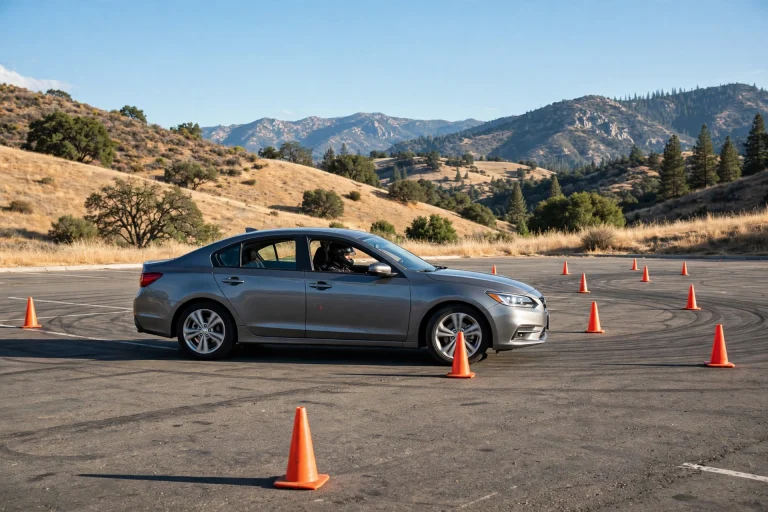
A closed cockpit helmet works in a calmer but hotter world. Inside a roofed car, there is little direct wind on the helmet, but cabin temperatures climb quickly, especially in a car with a hot engine behind the driver. Ventilation therefore relies on forced air — many closed cockpit helmets are designed to connect to a fresh-air hose that pumps cool air into the helmet, which makes a long stint far more bearable.
The shell shape is less aerodynamically critical, since the windscreen and roof shield the helmet from the slipstream. Instead, closed cockpit helmets often prioritise a wider field of view and room for a drinking system, since drivers in endurance races need to drink without removing the helmet. The visor still needs to be tough, though it faces less debris than an open wheel visor.
Communication is another difference. Closed cockpit cars are quieter inside than open cockpits, but they are still loud, and drivers rely on clear radio contact with the pit wall. Closed cockpit helmets are therefore often built with more room for ear cups and microphone placement, and with padding shaped to keep the headset comfortable over a long race.
Can You Use One Helmet for Both Types of Racing?
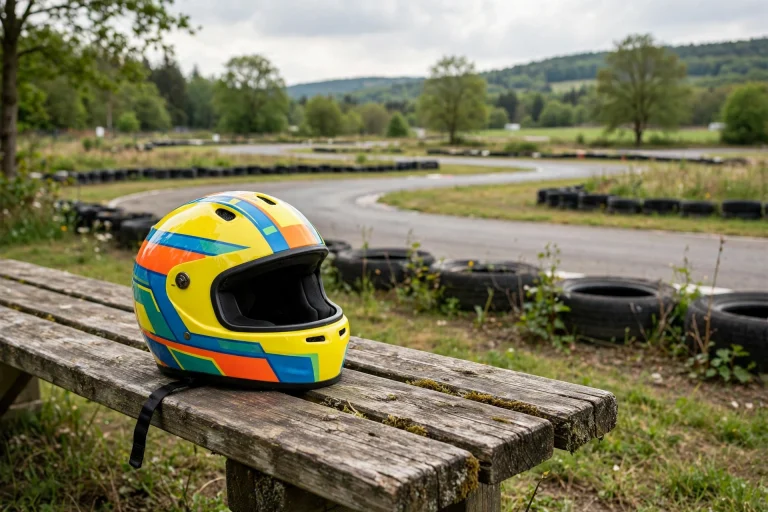
In general terms, a helmet certified for motorsport use can be worn in either type of car, and many club-level drivers do exactly that — but it will be a compromise. An open wheel helmet in a closed car will be noisier and may lack the fresh-air connection that makes a long closed-cockpit stint comfortable. A closed cockpit helmet in an open car may buffet in the wind and lack the aerodynamic stability the open wheel design provides.
The rules of the series matter too. Some championships and governing bodies specify helmet standards, and in some cases they specify features such as aerodynamic aids or fresh-air systems for particular classes. Always check the regulations for your series before buying, since a helmet that is legal in one class may not meet the requirements of another.
For drivers who race both types of car regularly, the practical answer is often two helmets, each suited to its car. For a driver who races one type mainly and tries the other occasionally, a single good helmet is usually fine — just accept that it will not be perfect in the second car, and choose the helmet for the car you race most.
Which Helmet Features Matter Most in Each Cockpit?
In an open wheel car, prioritise aerodynamic stability, a thick visor with a secure lock, and tear-off posts if your series allows them. A helmet that lifts or buffets at speed will tire your neck and distract you, and a visor that will not stay shut is a genuine hazard. Fit matters here as much as anywhere: a helmet that moves on your head will buffet more, whatever its aerodynamics.
In a closed cockpit car, prioritise ventilation and comfort over a long stint. Look for a fresh-air connection if your car has a blower system, check that the helmet works with your drinking system, and make sure the ear cups sit comfortably for hours rather than minutes.
In both cases, remember that fit is what makes any helmet’s protection work — including systems that address angled impacts, as explained in this guide to what MIPS means for helmets. The best helmet for your cockpit is the one that fits you properly and suits the conditions you actually race in.
How Do You Choose Between Them?
Start with the car you race most. If you drive a single-seater, choose an open wheel helmet with the aerodynamic and visor features that suit exposed driving. If you drive a touring or GT car, choose a closed cockpit helmet with the ventilation and communication features that suit long cabin stints. Let the car decide, not the look of the helmet.
Next, check the regulations for your series, then try helmets on. Sit in the car if you can, with the seat belts on and the steering wheel in place, and check the field of view, the visor operation, and whether the helmet catches on the headrest or roll cage. A helmet that fits well standing up can feel very different belted into a race seat.
Finally, think about your budget honestly. Two specialist helmets are better than one compromise, but one good helmet that fits well beats two cheap ones that do not. Buy the best-fitting helmet you can for your main car, and add a second specialist helmet later if you start racing the other type regularly.
Frequently Asked Questions
Q: Is an open wheel helmet safer than a closed cockpit helmet?
A: In general terms, neither is safer overall — each is tuned for its own environment. Safety comes from the helmet’s certification, its fit, and its condition, not from the cockpit type it was designed for.
Q: Do closed cockpit helmets need a fresh-air system?
A: Not always, but they help a lot in hot cars. If your car has a blower, choose a helmet with a compatible fresh-air inlet; if not, prioritise vents and a light, breathable lining instead.
Q: Can I wear tear-offs on a closed cockpit helmet?
A: In general terms, yes, if the visor has tear-off posts and your series allows them — but they matter less behind a windscreen, since the windscreen takes most of the debris first.

Olivia
Writer at Helmet Today, covering helmet reviews, fit and riding safety.