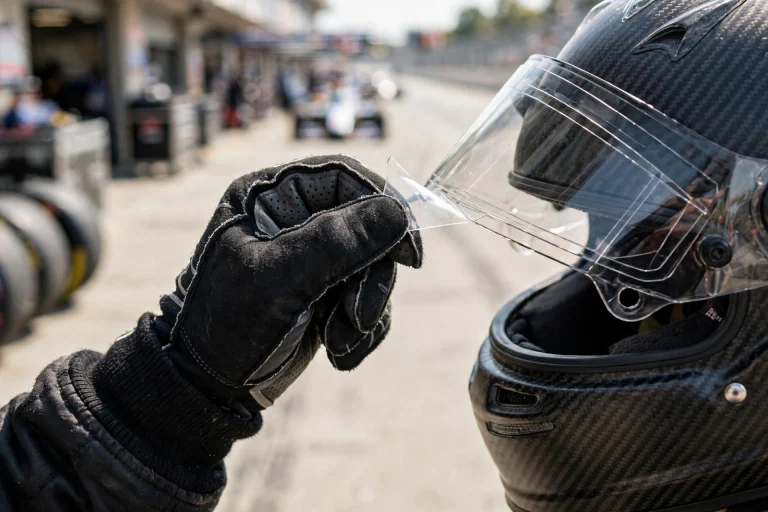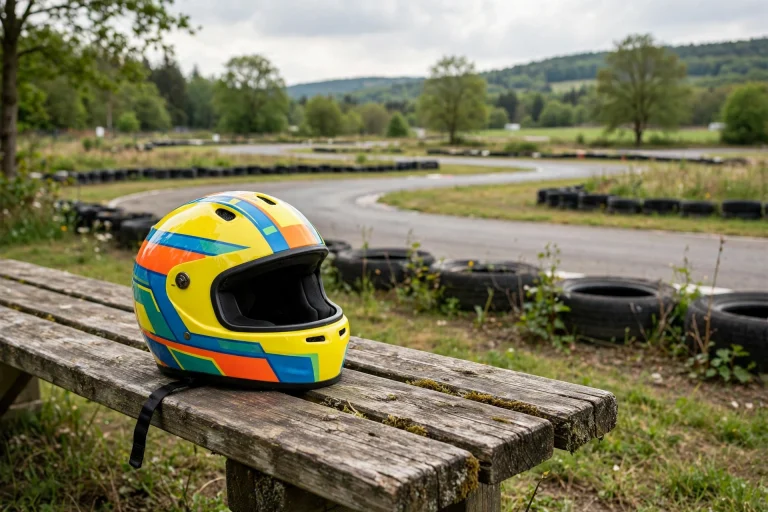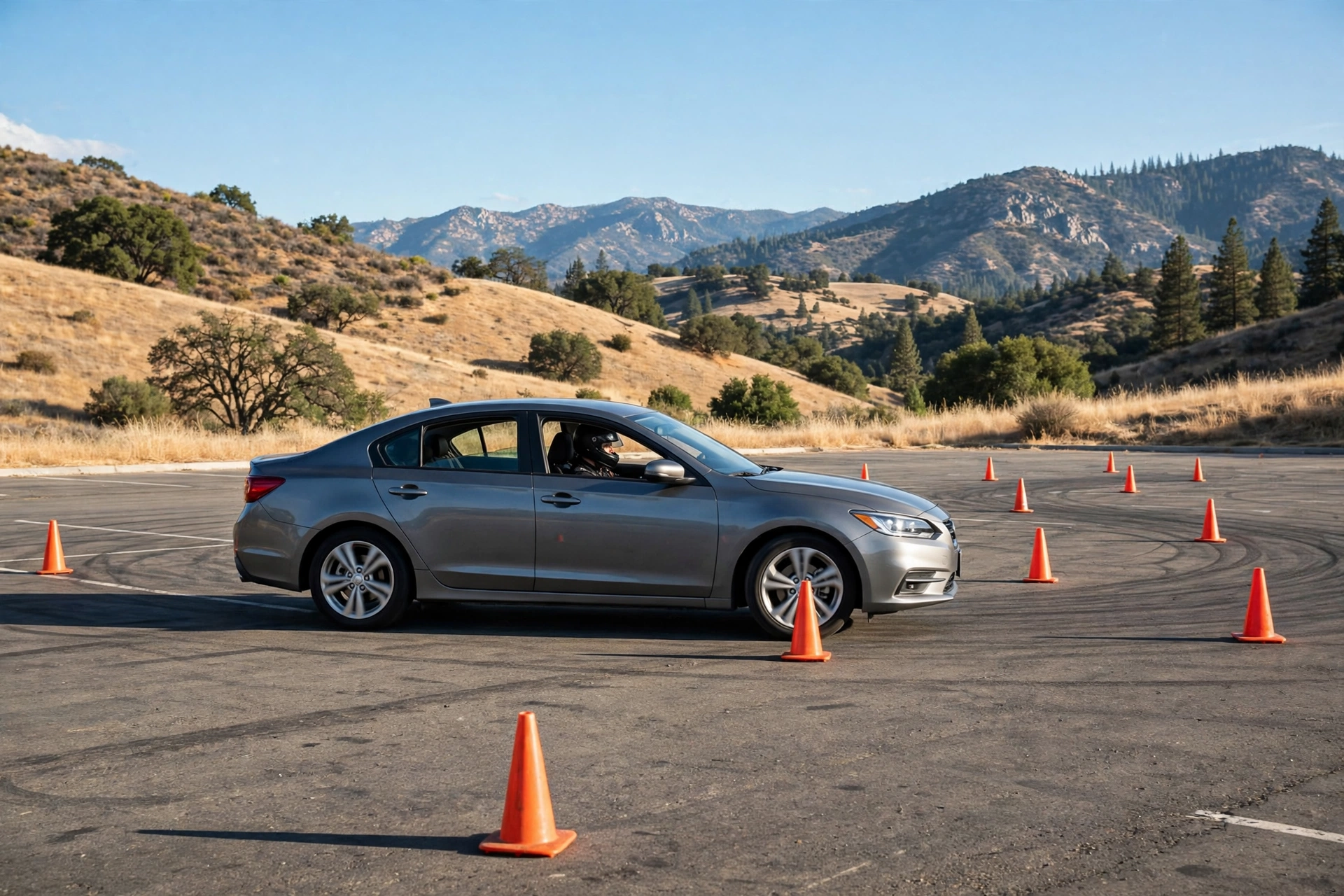
In general terms, yes — you need a helmet for autocross, because almost every autocross organiser requires one, and even at relatively low speeds a car can spin, slide, or hit a barrier with enough force to make head protection worthwhile. Autocross may look gentle compared with circuit racing, but the helmet rule exists for good reason, and it applies to drivers and passengers alike.
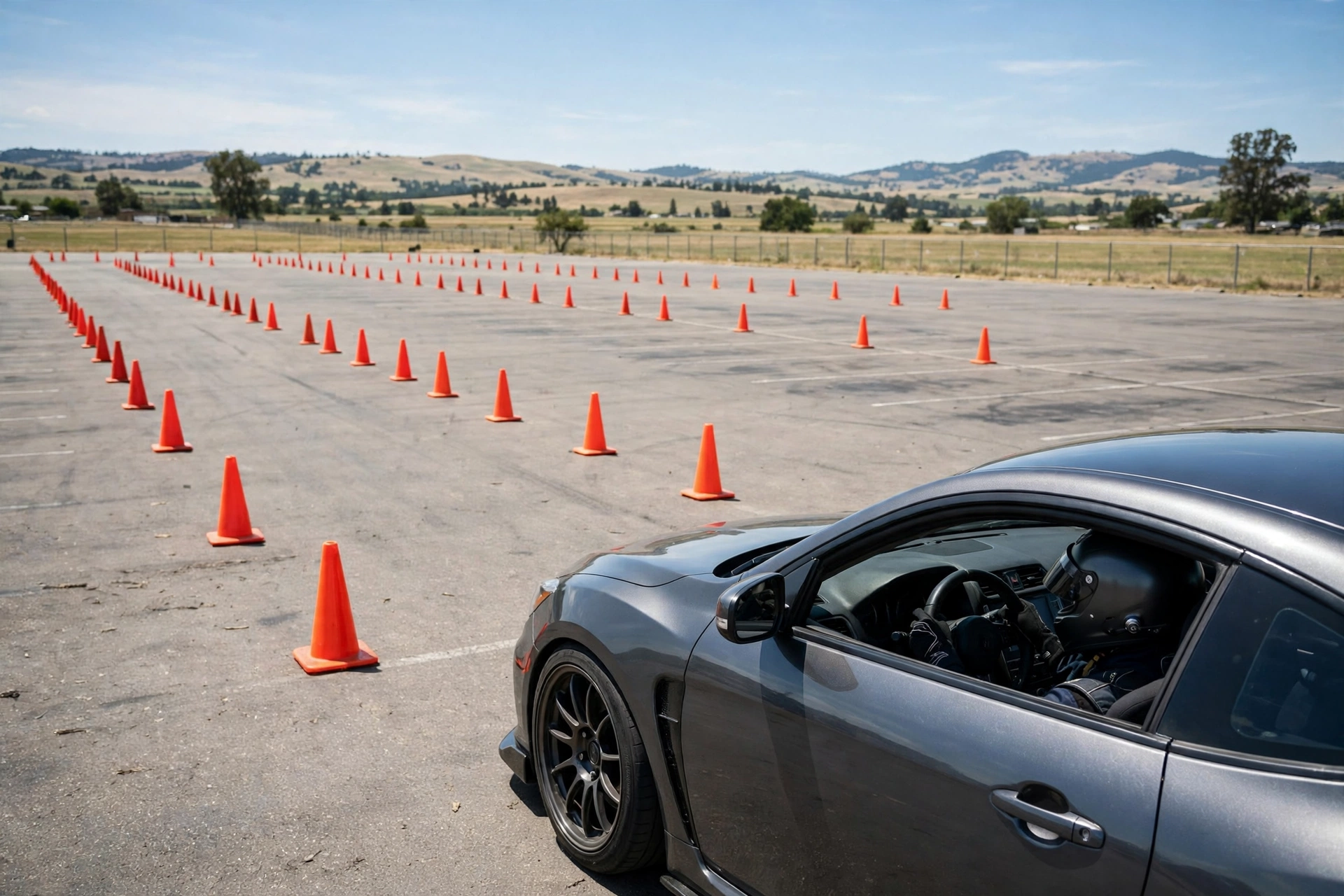
Autocross is a timed driving event around a course marked out with cones, usually in a large car park or airfield. Speeds are lower than on a circuit, and cars run one at a time, which makes it one of the most accessible ways into motorsport. That accessibility sometimes leads newcomers to wonder whether a helmet is really necessary — it is, and here is why.
Why Do Autocross Events Require Helmets?
The first reason is the rules. Autocross is run under motorsport regulations, and those regulations require helmets for everyone in the car during a timed run. Showing up without a helmet usually means you do not run, or you borrow a loaner helmet from the club — which is fine as a one-off, but not a long-term plan. Check your club’s rules before your first event so you know exactly what standard of helmet is accepted.
The second reason is genuine risk. Autocross speeds are modest, but cars still slide, spin, and occasionally hit kerbs, cones, barriers, or light poles. A driver’s head can strike the steering wheel, the side window, the roof, or the roll bar in a sudden stop, and a helmet turns a potentially serious injury into a bruise. The risk is low, but it is not zero, and a helmet is cheap insurance.
The third reason is habit. Autocross is often a first step into motorsport, and learning to drive with a helmet on — checking the fit, getting used to the reduced hearing and vision, and treating the helmet as part of the routine — sets you up well for faster events later. Drivers who start with good helmet habits carry them into every form of motorsport they try.
What Kind of Helmet Do You Need for Autocross?
Most autocross clubs accept helmets certified to a recognised motorsport standard, and many also accept motorcycle helmets that meet a recognised standard — but the details vary by club and country, so always confirm before you buy. The safest approach is to ask your club which standards they accept, and buy a helmet that clearly meets one of them, with the certification label visible inside.
An open-face helmet is a popular autocross choice, because it is light, well-ventilated, and easy to talk through — useful when an instructor is riding along or when you are chatting with other drivers between runs. A full-face helmet offers more protection and is better if you plan to move into faster motorsport later, but it is warmer and can feel more enclosed on a slow, stop-start course.
Fit matters more than style. A helmet that is too loose will move around and distract you, and a helmet that is too tight will give you a headache by the third run. Try helmets on, check the fit with the chin strap fastened, and wear it for a few minutes before deciding. If your club offers loaner helmets, try one at your first event to learn what size and style suit you before spending money.
Can You Borrow or Rent a Helmet for Autocross?
Yes — many clubs keep a small stock of loaner helmets for newcomers, and borrowing one for your first event or two is a sensible way to try autocross before committing to a purchase. Loaner helmets are usually basic but serviceable, and the club will check them for damage and cleanliness between users.
There are limits to borrowing, though. Loaner helmets come in a limited range of sizes, so the fit may not be ideal, and a shared helmet that has been worn by many drivers will not feel as comfortable as your own. Hygiene is another consideration: most clubs provide disposable balaclavas or liners for loaner helmets, but your own helmet is always cleaner and more comfortable.
If you enjoy your first event and plan to come back, buying your own helmet is the natural next step. It does not need to be expensive — a basic certified helmet that fits well is perfectly adequate for autocross — and it will be there, fitted to you, every time you arrive at an event.
What Else Should You Wear With an Autocross Helmet?
Autocross dress rules are usually relaxed compared with circuit racing, but a few basics apply. Wear closed shoes that give good pedal feel, comfortable clothes that do not restrict movement, and no loose scarves or jewellery that could catch on anything. Sunglasses can be worn under an open-face helmet on a bright day, but make sure they do not interfere with the helmet’s fit.
If you wear glasses, check that they fit comfortably inside the helmet you choose — some full-face helmets press on glasses frames, while open-face helmets usually have no problem. Try the helmet on with your glasses before buying, and consider a helmet with a slightly wider eye opening if your frames are large.
And remember that a helmet only protects you if it fits and is worn correctly, every run — including the way it manages angled impacts, as explained in this guide to what MIPS means for helmets. Fasten the chin strap every time, check the fit before each run, and replace a helmet that has taken a hard knock, even if it looks undamaged.
How Do You Look After an Autocross Helmet?
Autocross helmets live an easy life compared with circuit helmets, but they still deserve basic care. Store yours indoors, out of sunlight, in a bag or on a shelf — not rolling around in the boot of your car. Wipe the shell and visor after dusty events, and let the lining air out before packing it away, since a damp helmet stored in a bag will smell quickly.
Check the helmet before each event. Look for cracks, loose padding, a frayed chin strap, or a visor that will not stay in place, and retire a helmet that has been dropped heavily or involved in a crash. Even without a crash, helmets age: check the manufacturer’s recommended working life and replace the helmet when it reaches it, rather than running an old helmet indefinitely.
Finally, keep the certification label and paperwork. Some clubs check helmet standards at scrutineering, and being able to show the label saves an awkward conversation at the start line. A helmet with a missing or unreadable label may be refused, even if it is perfectly good — so look after the label as part of looking after the helmet.
Frequently Asked Questions
Q: Do passengers need a helmet at autocross?
A: In general terms, yes — anyone in the car during a timed run needs a helmet, including instructors and passengers, under the same rules as the driver.
Q: Can I use my motorcycle helmet for autocross?
A: Sometimes, but it depends on your club’s rules. Some clubs accept motorcycle helmets that meet a recognised standard; others require a motorsport helmet, so check before your first event.
Q: Do I need a helmet for autocross practice or non-timed runs?
A: In general terms, yes — most clubs require helmets for any driving on course, timed or not, because the risks are the same whether the clock is running.

Olivia
Writer at Helmet Today, covering helmet reviews, fit and riding safety.