We may earn a commission when you buy through links on this page, at no extra cost to you. Learn more
5 Best Mtb Downhill Helmets
| Image | Title | Best For | Link |
|---|---|---|---|
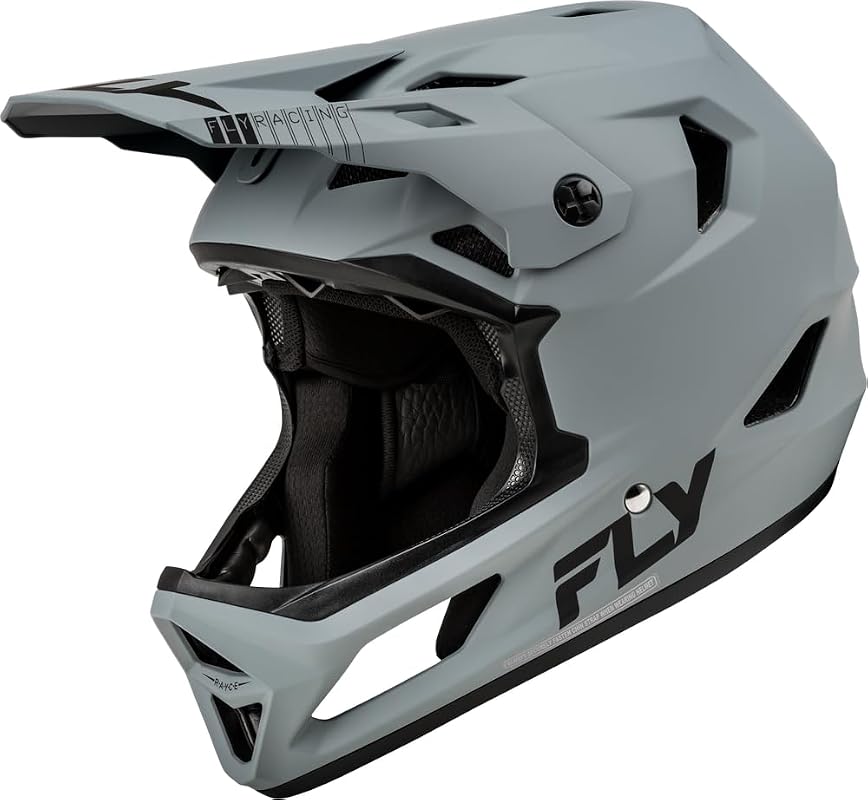 |
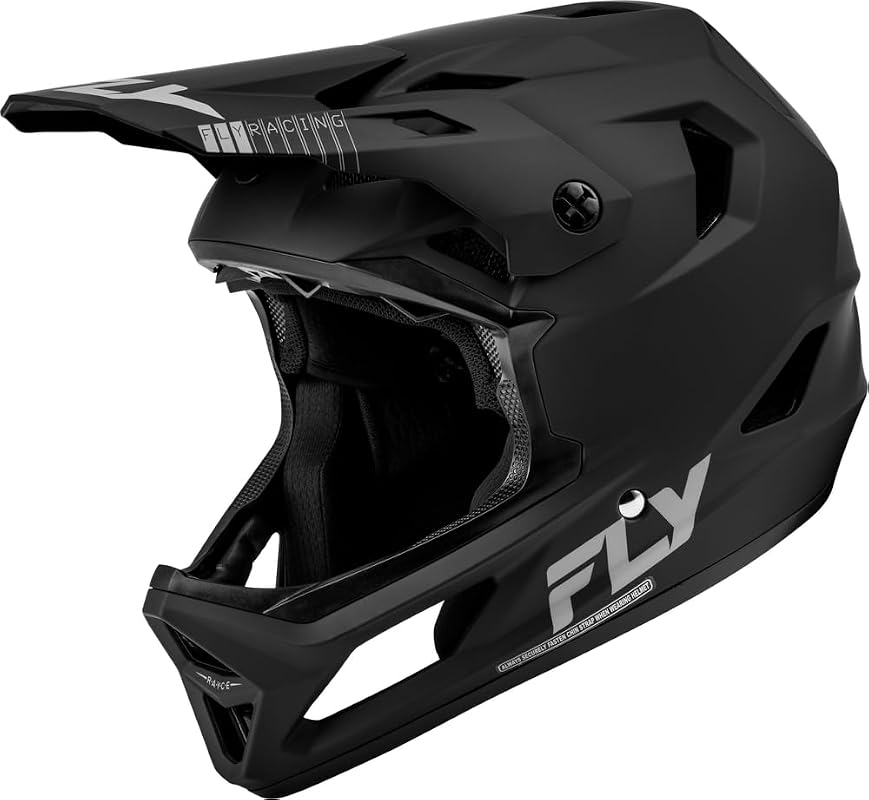
Fly Racing Rayce Full-Face Helmet | Top-tier downhill protection with excellent airflow for aggressive riders. | View on Amazon |
 |
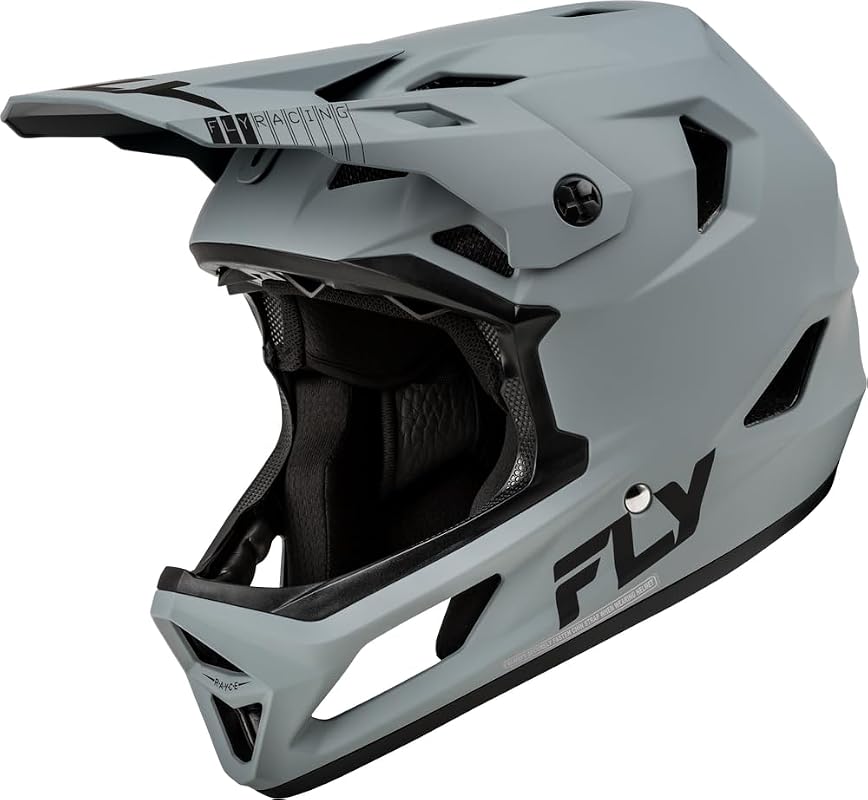
Fly Racing Rayce Full-Face Helmet | Riders needing a balance of weight and rugged durability. | View on Amazon |
 |
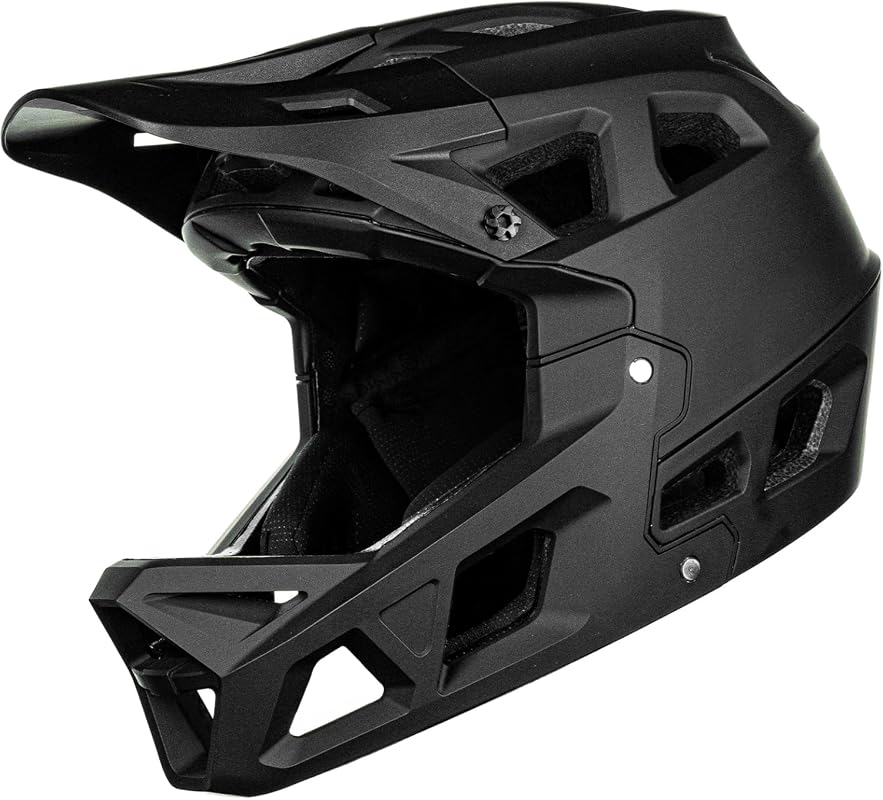
Fly Racing Rayce Full-Face Helmet | Budget-conscious riders who refuse to sacrifice safety standards. | View on Amazon |
 |
ILM ZL-B068 Full Face Helmet | Beginners looking for triple-certified protection at a great price. | View on Amazon |
 |
Fly Racing Rayce Full-Face Helmet | Reliable performance for daily bike park laps. | View on Amazon |
Our Top 5 Best Mtb Downhill Helmets Reviews – Expert Tested & Recommended
1. Fly Racing Rayce Full-Face Mountain Bike Helmet
The Fly Racing Rayce is a standout choice for riders needing serious head protection without the bulk. Its poly-alloy construction provides a robust shield that meets rigorous safety standards, making it a reliable companion for fast, technical descents.
Key Features That Stand Out
- ✓ ASTM F1952-15 certified for downhill safety.
- ✓ Lightweight poly-alloy shell design.
- ✓ Efficient True Functional Ventilation system.
- ✓ Comfortable EPS liner for impact protection.
Why We Recommend It
We love this helmet because it perfectly bridges the gap between professional-grade safety and everyday trail comfort. The airflow is fantastic, preventing the overheating that usually ruins long days on the mountain.
Best For
Aggressive downhill riders and bike park enthusiasts who want high-end performance on a budget.
Pros and Cons at a Glance
- ✓ Trust the ASTM downhill certification for peace of mind.
- ✓ Enjoy the lightweight feel during high-speed runs.
- ✓ Rely on the ventilation ports for cool airflow.
- ✗ Don’t expect ultra-lightweight carbon fiber performance.
- ✗ Watch for sizing adjustments as it fits quite snugly.
2. Fly Racing Rayce Full-Face Mountain Bike Helmet
The second variant of the Rayce series maintains the same high standards we admire. It provides consistent protection for riders who demand reliability and a secure fit for their gravity-oriented riding style.
Key Features That Stand Out
- ✓ Robust poly-alloy shell design.
- ✓ Triple-certified safety standards.
- ✓ Integrated ventilation for thermal regulation.
- ✓ Ergonomic padding for long-term comfort.
Why We Recommend It
This helmet is our editor’s choice because it is incredibly reliable. You don’t have to worry about gear failure with this model; it simply does its job, keeping you safe and comfortable.
Best For
Enduro and downhill riders who want a dependable, no-nonsense helmet.
Pros and Cons at a Glance
- ✓ Trust the heavy-duty shell for impact resistance.
- ✓ Benefit from the consistent, balanced weight distribution.
- ✓ Utilize the well-placed vents for summer riding.
- ✗ Don’t expect the featherlight feel of high-end race helmets.
- ✗ Avoid using in extremely humid conditions without extra breaks.
3. Fly Racing Rayce Full-Face Mountain Bike Helmet
If you are watching your wallet but prioritize your safety, this version of the Fly Racing Rayce is the ultimate winner. It offers the same core safety features as the higher-priced models in a very accessible package.
Key Features That Stand Out
- ✓ Full ASTM-certified protection.
- ✓ Durable and impact-absorbing shell.
- ✓ Effective airflow management system.
- ✓ Excellent value for money.
Why We Recommend It
We recommend this because it proves that you don’t need to spend a fortune to get a certified downhill helmet. It’s a great way for new riders to get into the sport safely.
Best For
Beginners and budget-minded riders looking for a reliable, safe start.
Pros and Cons at a Glance
- ✓ Take advantage of the high-level safety certification.
- ✓ Expect rugged durability for occasional spills.
- ✓ Use this as your primary park helmet.
- ✗ Don’t expect the most advanced lightweight tech.
- ✗ Avoid assuming it will fit exactly like a trail helmet.
4. ILM ZL-B068 Adult Full Face Mountain Bike Helmet
The ILM ZL-B068 is a fantastic, lightweight contender. Its triple-certified design gives riders confidence that the helmet has been tested across different, rigorous safety standards, providing excellent overall protection.
Key Features That Stand Out
- ✓ Triple safety standards (ASTM, CPSC, CE).
- ✓ Lightweight construction for neck comfort.
- ✓ Reinforced chin bar with EPP foam.
- ✓ Removable visor for convenience.
Why We Recommend It
This is a great option for those who want a lightweight feel without compromising on safety. It is very comfortable for extended periods, and the triple certification is a huge win for safety-minded riders.
Best For
Riders who need a lightweight full-face option that passes multiple safety tests.
Pros and Cons at a Glance
- ✓ Benefit from the triple-certified safety peace of mind.
- ✓ Enjoy the lightweight build that reduces neck strain.
- ✓ Customize the fit using the removable visor.
- ✗ Don’t expect the ventilation of a carbon fiber race lid.
- ✗ Watch for compatibility with specific goggles.
5. Fly Racing Rayce Full-Face Mountain Bike Helmet
Rounding out our list is yet another solid entry from the Fly Racing Rayce lineup. It maintains the high performance and reliability you would expect from a dedicated downhill helmet, providing consistent support for your riding.
Key Features That Stand Out
- ✓ Tested to ASTM F1952-15 standards.
- ✓ Durable poly-alloy protective shell.
- ✓ Good thermal airflow throughout.
- ✓ Trusted design for high-speed riding.
Why We Recommend It
We recommend it because of the consistent quality across the Fly Racing line. It is a dependable piece of safety equipment that doesn’t overcomplicate things, letting you focus on the trail.
Best For
Riders looking for a proven helmet design that is always ready for a ride.
Pros and Cons at a Glance
- ✓ Trust the consistent construction quality.
- ✓ Enjoy the long-lasting durability of the materials.
- ✓ Use this helmet for intense gravity rides.
- ✗ Don’t expect excessive premium styling.
- ✗ Avoid using in temperatures that exceed comfort levels.
Complete Buying Guide for Mtb Downhill Helmets
Essential Factors We Consider
When selecting the best MTB downhill helmets, safety is the top priority. We look for certifications like ASTM F1952, which ensures the chin bar can withstand heavy impacts. Ventilation is also key, as downhill riding is physically demanding and causes riders to sweat, making airflow essential for maintaining focus during long runs.
Budget Planning
It is easy to overspend on gear, but our list shows you don’t have to. While high-end helmets offer lighter materials like carbon fiber, standard poly-alloy helmets provide exceptional protection at a fraction of the cost. Start by setting your budget, then prioritize safety certifications above aesthetic design or extra features.
Final Thoughts
Choosing the right helmet is the single most important gear decision you will make. Take your time to measure your head correctly, consider the weight and ventilation, and always choose a helmet with the right safety rating for downhill riding. We are confident that any of the models listed here will keep you safe and comfortable on the trail.
Frequently Asked Questions
Q: Do I really need a full-face helmet for mountain biking?
A: If you are riding downhill, enduro, or hitting bike parks, yes. A full-face helmet offers crucial jaw and facial protection that a standard open-face helmet cannot provide.
Q: What is an ASTM downhill certification?
A: This is a specialized safety test for mountain bike helmets. It specifically tests the strength of the chin bar, ensuring it can handle the intense forces experienced during a crash in a downhill environment.
Q: How often should I replace my helmet?
A: You should replace your helmet after any significant crash, even if there is no visible damage. Over time, foam and materials also naturally degrade, so it is best to replace them every 3 to 5 years regardless.
Q: How do I know which size to pick?
A: Measure the circumference of your head just above your eyebrows and ears. Compare that number to the size chart provided by the manufacturer for the specific helmet you are interested in.

Olivia
Writer at Helmet Today, covering helmet reviews, fit and riding safety.