Kawasaki Ninja 300 Correct Tire Pressure (Front & Rear)
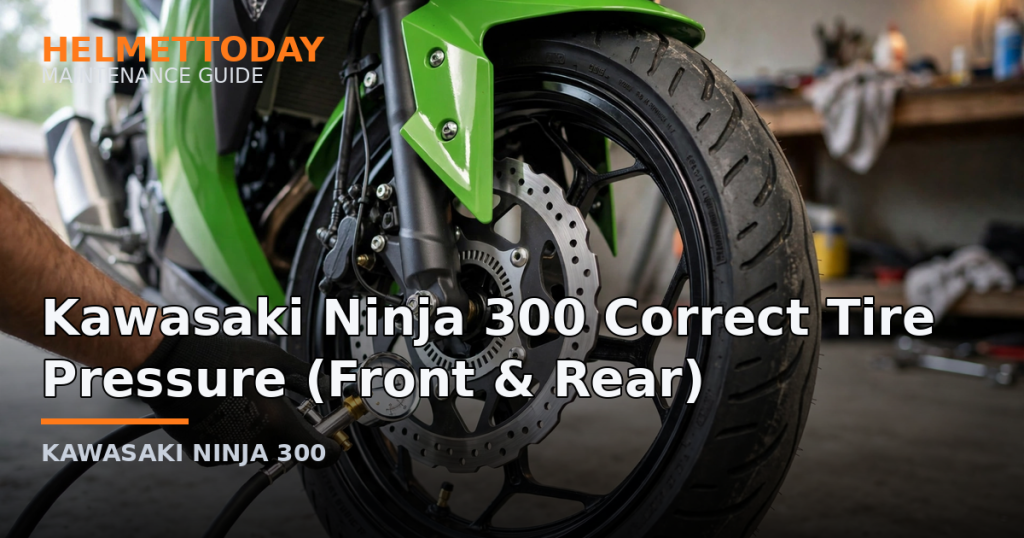
Tire pressure is the simplest performance and safety adjustment on your Kawasaki Ninja 300 — and the most neglected. Correct pressures for the Kawasaki Ninja 300 are 28 PSI front / 32 PSI rear…
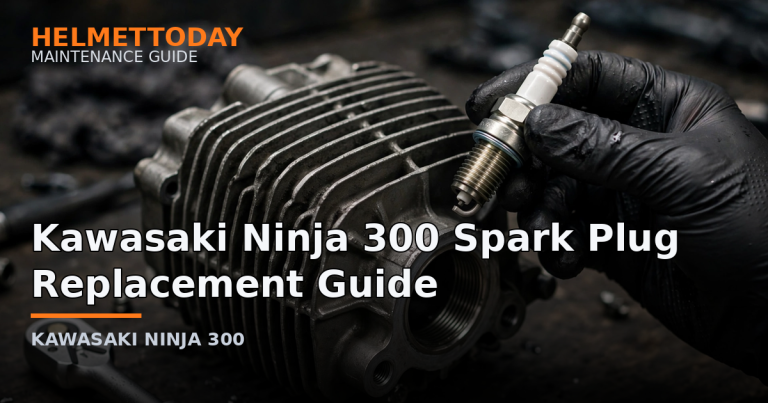
The Kawasaki Ninja 300 uses a NGK CR8E spark plug. A worn plug causes hard starting, rough idle, and poor fuel economy…
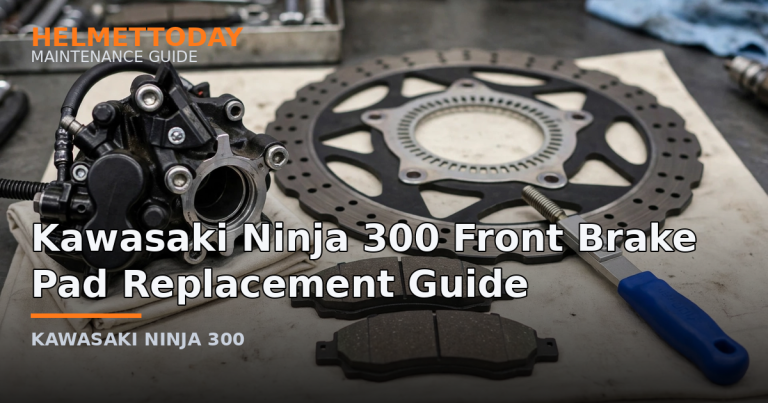
Brake pads are a wear item — check them every service and replace before they hit the wear indicators. On the Kawasaki…
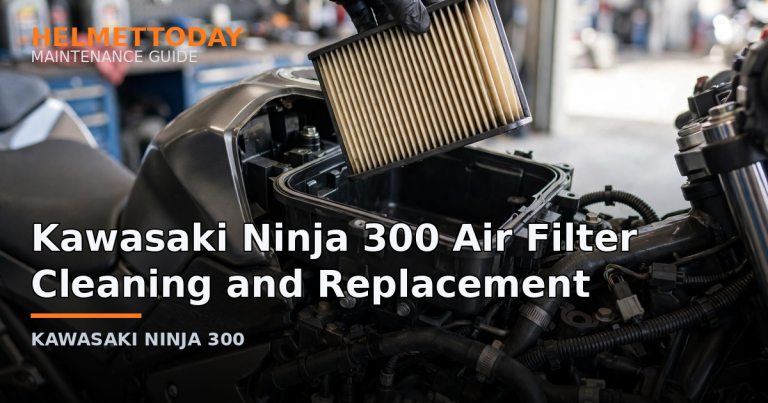
Your Kawasaki Ninja 300’s air filter keeps dust and grit out of the engine. A clogged filter chokes airflow, hurting power and…
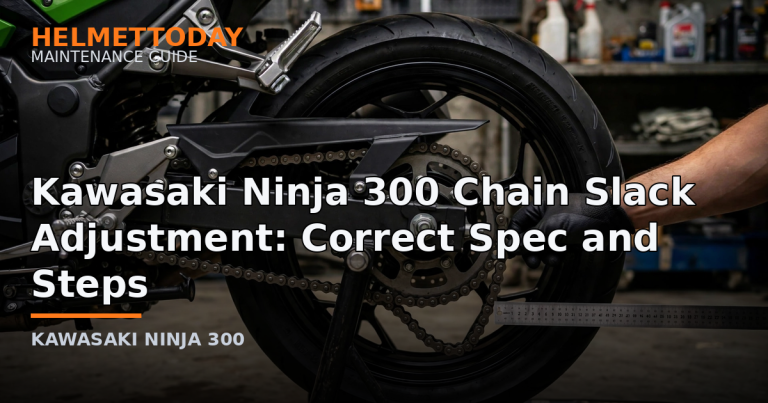
Correct chain slack on the Kawasaki Ninja 300 is 20-30 mm of vertical movement, measured midway between the sprockets. Too tight and…
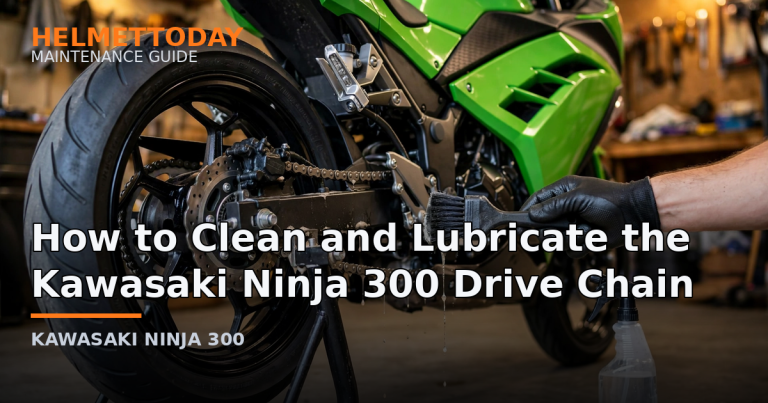
A clean, well-lubricated chain is quieter, lasts far longer, and transfers power more efficiently. On the Kawasaki Ninja 300, chain cleaning and…
Changing the engine oil on your Kawasaki Ninja 300 is the single most important maintenance job you can do yourself. Fresh oil…
The Triumph Tiger 800 uses a Yuasa YTX-16BS, 12V 14Ah battery. Most starting problems trace back to a weak battery or corroded…
Tire pressure is the simplest performance and safety adjustment on your Triumph Tiger 800 — and the most neglected. Correct pressures for…
Brake pads are a wear item — check them every service and replace before they hit the wear indicators. On the Triumph…