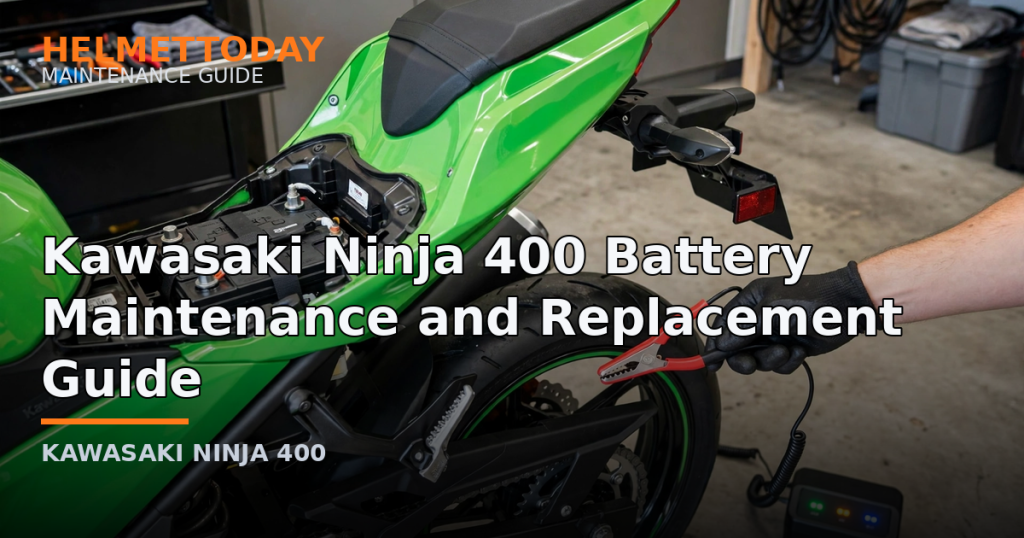
Kawasaki Ninja 400 Battery Maintenance and Replacement Guide
The Kawasaki Ninja 400 uses a 12V 8Ah (FTX9-BS, sealed) battery. Most starting problems trace back to a weak battery or corroded terminals — both easy to check and fix at home. Test the…

Tire pressure is the simplest performance and safety adjustment on your Kawasaki Ninja 400 — and the most neglected. Correct pressures for…
Brake pads are a wear item — check them every service and replace before they hit the wear indicators. On the Kawasaki…
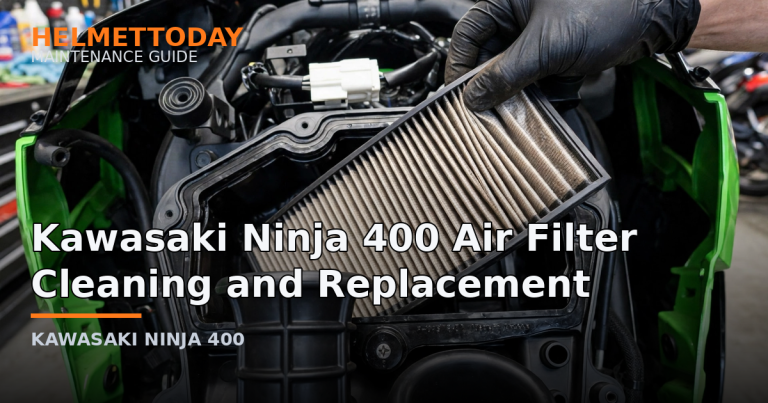
Your Kawasaki Ninja 400’s air filter keeps dust and grit out of the engine. A clogged filter chokes airflow, hurting power and…
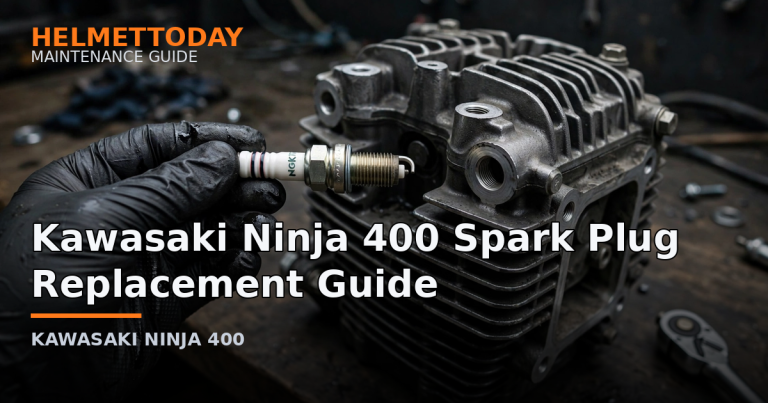
The Kawasaki Ninja 400 uses a NGK LMAR9G spark plug. A worn plug causes hard starting, rough idle, and poor fuel economy…
Correct chain slack on the Kawasaki Ninja 400 is 20-30 of vertical movement, measured midway between the sprockets. Too tight and you…
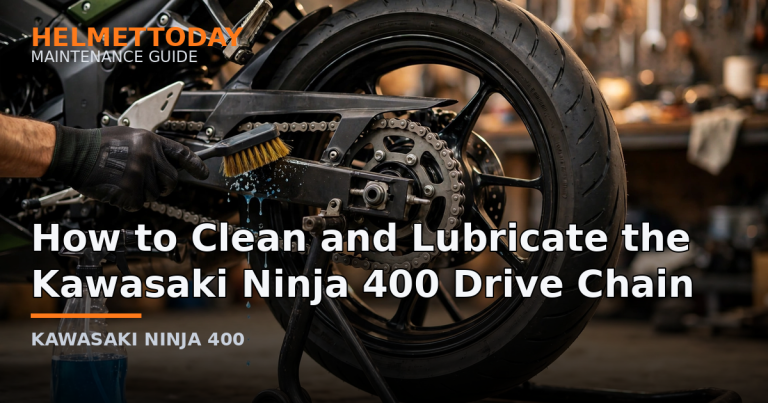
A clean, well-lubricated chain is quieter, lasts far longer, and transfers power more efficiently. On the Kawasaki Ninja 400, chain cleaning and…
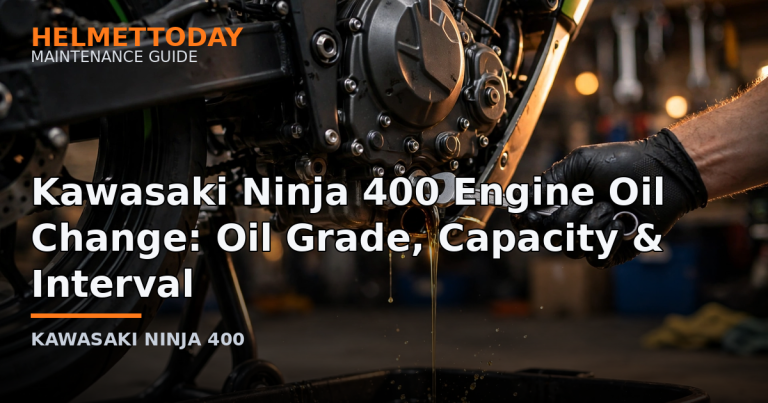
Changing the engine oil on your Kawasaki Ninja 400 is the single most important maintenance job you can do yourself. Fresh oil…
The Yamaha YZF-R3 uses a 12V 7Ah (GTZ8V, sealed) battery. Most starting problems trace back to a weak battery or corroded terminals…
Tire pressure is the simplest performance and safety adjustment on your Yamaha YZF-R3 — and the most neglected. Correct pressures for the…