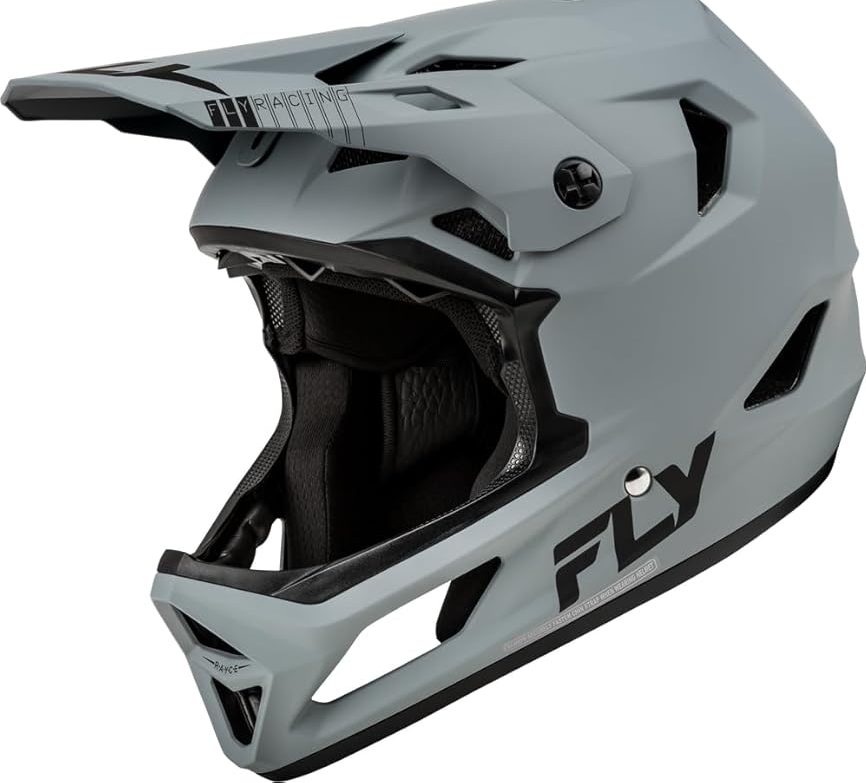

A vespa helmet for men is not just about finding a helmet that looks good with a classic scooter. The fit, weight, visor, padding, and riding style all change how useful it feels once you are on the road.
While researching men’s scooter helmets, I found that the same mistake comes up again and again. People start with color and style, then check the fit last. I would do the opposite. Start with your head and riding needs, then find a style you actually like.
What Makes a Vespa Helmet for Men Different?
Men do not need a special helmet simply because they are men. Helmet fit depends more on head shape, size, and the design of the helmet than gender.
Still, many men look for a balance between classic scooter style, good coverage, comfort, and a clean look. That makes helmet shape and daily use worth thinking about.
| What to Check | Why It Matters |
|---|---|
| Head fit | Keeps the helmet stable |
| Weight | Affects long rides |
| Ventilation | Helps with heat |
| Visor | Helps with wind and weather |
| Strap | Keeps the helmet secure |
A helmet that looks perfect in a product photo may feel very different on your head. That is why I would never treat appearance as the main test.
Which Helmet Style Works for Men Riding a Vespa?
The right style depends on where you ride. Short city trips can feel very different from longer rides on open roads.
Open-face helmets have a classic scooter look and allow more airflow around the face. Full-face helmets provide more coverage. Modular helmets offer another option, but they can add weight.
Open-Face or Full-Face for a Vespa?
There is no universal answer. Think about your route, speed, weather, and how much coverage you want.
| Type | Useful When | Main Trade-Off |
|---|---|---|
| Open-face | City riding | Less face coverage |
| Full-face | Longer rides | More heat and weight |
| Modular | Flexible use | Often heavier |
I would not pick an open-face helmet only because it matches the Vespa look. The classic style is nice, but your actual riding conditions should have more influence.
How Should a Vespa Helmet for Men Fit?
Fit is the part I would spend the most time checking. A helmet should feel snug and secure without creating sharp pressure.
It should not move freely when you turn your head. At the same time, you should not have to tolerate pain just to make the helmet feel secure.
What Does a Good Fit Feel Like?
The padding should touch your head evenly. Your cheeks may feel snug at first, especially with a new helmet, but there should not be one painful pressure point.
| Feeling | What It May Mean |
|---|---|
| Firm all around | Good starting fit |
| Helmet slides easily | Too loose |
| One painful spot | Shape may be wrong |
| Strong headache | Too much pressure |
One thing that is easy to misunderstand is size. A bigger helmet is not automatically more comfortable. If it moves around, the extra space can become a problem.
Does Head Shape Matter More Than Size?
Yes. Two men can wear the same helmet size and have completely different experiences.
The inside shape can suit one head very well and create pressure on another. This is why trying a helmet on is so useful.
What If the Size Is Right but the Helmet Hurts?
Do not immediately jump to the next size. First ask where the pressure is coming from.
| Problem | What to Check |
|---|---|
| Forehead pressure | Internal helmet shape |
| Side pressure | Width and head shape |
| Loose cheeks | Padding and shell size |
| Back pressure | Rear shape and padding |
This was one of the more useful lessons I found while looking at helmet fit. The number on the label tells you size. It does not tell you whether the helmet matches your head.
Should Men Choose a Heavy or Lightweight Helmet?
Weight becomes much more noticeable after the first few minutes. A helmet that feels fine in your hand may feel tiring after a longer ride.
That does not mean the lightest helmet is always the right choice. Look at the complete design, coverage, fit, and certification rather than chasing one number.
When Does Helmet Weight Matter Most?
It matters more when you ride often or spend longer periods on the scooter.
| Riding Pattern | Weight Consideration |
|---|---|
| Short city trips | Moderate concern |
| Daily commuting | Worth checking |
| Long rides | More noticeable |
| Frequent stop-and-go | Comfort matters more |
A good fit can also make a helmet feel better balanced. Sometimes the problem is not the total weight but where that weight sits.
Is a Vespa Helmet for Men Comfortable in Hot Weather?
Heat can change your opinion of a helmet very quickly. A helmet that feels comfortable in a cool shop may feel quite different under strong sun.
Ventilation, liner material, visor use, and fit all affect comfort.
How Can You Reduce Heat?
Keep the liner clean and let the helmet dry after sweaty rides. Check that the vents are open and not blocked by dirt.
| Heat Problem | Simple Fix |
|---|---|
| Sweaty liner | Clean it regularly |
| Poor airflow | Check vents |
| Hot storage | Keep it out of direct sun |
| Damp padding | Dry before storage |
Do not solve heat by choosing a helmet that fits badly. Comfort matters, but the basic fit still comes first.
Can Men Wear Glasses With a Vespa Helmet?
Yes. Glasses and helmets can work together well, but the combination should be tested before buying.
Thick frames can create pressure at the temples. Some helmet openings also make it harder to put glasses on after the helmet is fitted.
How Should You Test Glasses?
Use your normal pair of glasses. Do not test with a different frame and assume it will feel the same.
Wear the helmet for several minutes. Check for pressure, slipping, and difficulty putting the glasses in place.
| Glasses Issue | What to Check |
|---|---|
| Temple pressure | Helmet width |
| Glasses slipping | Fit and frame position |
| Hard to insert | Helmet opening |
| Fogging | Airflow and visor |
I would rather spend five extra minutes testing this in a shop than discover the problem during a long ride.
What Visor Works Best for Daily Vespa Riding?
A clear visor is a simple choice for mixed conditions. It gives you a clean view during the day and does not create the same low-light concern as a dark visor.
Tinted options can be useful in bright conditions, but they are not ideal for every situation.
What Should You Check on the Visor?
Look for smooth movement and a secure fit. Check for deep scratches and make sure the visor closes properly.
| Visor Check | Why It Matters |
|---|---|
| Clear surface | Better visibility |
| Smooth hinges | Easier daily use |
| Secure closure | Helps keep position |
| Few scratches | Better view |
A scratched visor can become especially annoying when bright lights hit it at an angle. Small marks that seem harmless in daylight can be much more noticeable later.
Does Hair Change the Fit?
It can. Hair takes up space inside the helmet, and a hairstyle can change where the padding sits.
This is easy to overlook when trying on a helmet for only a minute.
What Hair Styles Can Cause Problems?
A thick hairstyle or raised bun can create pressure at the back or top of the head. A low hairstyle may work better for some helmet designs.
| Hair Setup | Possible Effect |
|---|---|
| Short hair | Usually simple to fit |
| Thick hair | Can feel tighter |
| Low ponytail | May work with suitable design |
| High bun | Can create pressure |
Try the helmet with the hairstyle you normally use while riding. That gives you a much more useful fit check.
What About the Chin Strap?
The strap is a small part of the helmet, but it has an important job. A properly fitted shell can still move if the retention system is not adjusted correctly.
Check the buckle and strap each time you ride.
What Strap Problems Should You Avoid?
The strap should not be twisted, badly worn, or left so loose that the helmet moves freely.
| Strap Problem | Better Habit |
|---|---|
| Loose strap | Adjust before riding |
| Twisted strap | Flatten it |
| Damaged strap | Stop and inspect |
| Poor buckle closure | Check before use |
Do not keep tightening the strap to compensate for a helmet that is simply too large. The shell should fit properly on its own.
Common Vespa Helmet for Men Buying Mistakes
Most buying mistakes are not complicated. They happen because the buyer focuses on one feature and ignores the rest.
A classic design can be tempting. So can a low price. But neither tells you whether the helmet will work for your head.
| Mistake | Better Approach |
|---|---|
| Buying by looks | Check fit first |
| Guessing size | Measure and try it on |
| Choosing very loose fit | Look for stable padding |
| Ignoring visor | Inspect it carefully |
| Forgetting daily comfort | Think about your normal route |
Another mistake is assuming an expensive helmet will automatically feel better. Price alone cannot tell you how well a helmet fits your head.
How Can You Make a Vespa Helmet Last Longer?
Helmet care is simple when you keep up with it. Sweat, dust, rain, and daily use can quickly make the liner dirty.
Clean the parts according to the manufacturer’s care instructions. Keep the visor free from harsh cleaning products that may damage it.
Which Parts Need Regular Attention?
The liner and visor usually show daily use first. The strap and shell also deserve regular checks.
| Part | Care Habit |
|---|---|
| Liner | Clean and dry as directed |
| Visor | Use suitable cleaning methods |
| Strap | Check for wear |
| Shell | Inspect for damage |
Let a wet helmet dry properly before storing it. A damp helmet left in a closed bag can develop an unpleasant smell very quickly.
When Should You Replace a Men’s Vespa Helmet?
A helmet should not be judged only by how clean it looks. A serious impact, damaged shell, worn retention system, or badly damaged liner can all be reasons to stop using it.
For normal aging, follow the manufacturer’s replacement guidance. Different helmet makers may give different service advice.
What Signs Should You Take Seriously?
Look for damage that changes the helmet’s structure or fit. A helmet that has suffered a serious impact deserves particular attention.
| Sign | What to Do |
|---|---|
| Major impact | Replace or seek manufacturer guidance |
| Cracked shell | Stop using it |
| Damaged strap | Stop and inspect |
| Badly worn liner | Check replacement guidance |
Do not wait for a helmet to look terrible before taking its condition seriously.
A Simple Vespa Helmet for Men Checklist
Once you remove the marketing and styling from the decision, the buying process becomes much easier.
I would run through these checks before making a final choice.
| Check | Question |
|---|---|
| Fit | Does it stay stable? |
| Size | Is it snug without pain? |
| Shape | Does it match my head? |
| Weight | Can I wear it comfortably? |
| Visor | Can I see clearly? |
| Strap | Does it secure properly? |
If the helmet passes those checks, then you can worry about the fun part: color, finish, classic styling, and how well it matches the scooter.
Final Thoughts
Choosing a vespa helmet for men should not be complicated. Start with fit and head shape. Then consider coverage, weight, ventilation, visor design, glasses, and your normal riding conditions.
The biggest lesson is that a good-looking helmet is only useful if you will wear it comfortably and correctly. Take your time when trying one on, pay attention to small pressure points, and do not let style push the practical checks into second place.
FAQs About Vespa Helmet for Men
What type of Vespa helmet is best for men?
The right type depends on your route and coverage needs. Open-face helmets suit a classic scooter style, while full-face designs provide more face coverage.
How should a Vespa helmet for men fit?
It should feel snug and stable without sharp pain. The helmet should not slide when you move your head, and the strap should hold it securely.
Can men wear glasses with a Vespa helmet?
Yes. Try the helmet with your normal glasses. Check for side pressure, slipping, and easy access before choosing that helmet for daily rides.
Is a lightweight Vespa helmet better for men?
A lighter helmet can feel easier on longer rides, but weight is only one factor. Fit, coverage, comfort, and the helmet’s safety features also matter.
Can men wear an open-face Vespa helmet every day?
An open-face helmet can suit daily city riding, but it gives less face coverage than a full-face design. Choose based on your route and comfort needs.

Olivia
Writer at Helmet Today, covering helmet reviews, fit and riding safety.