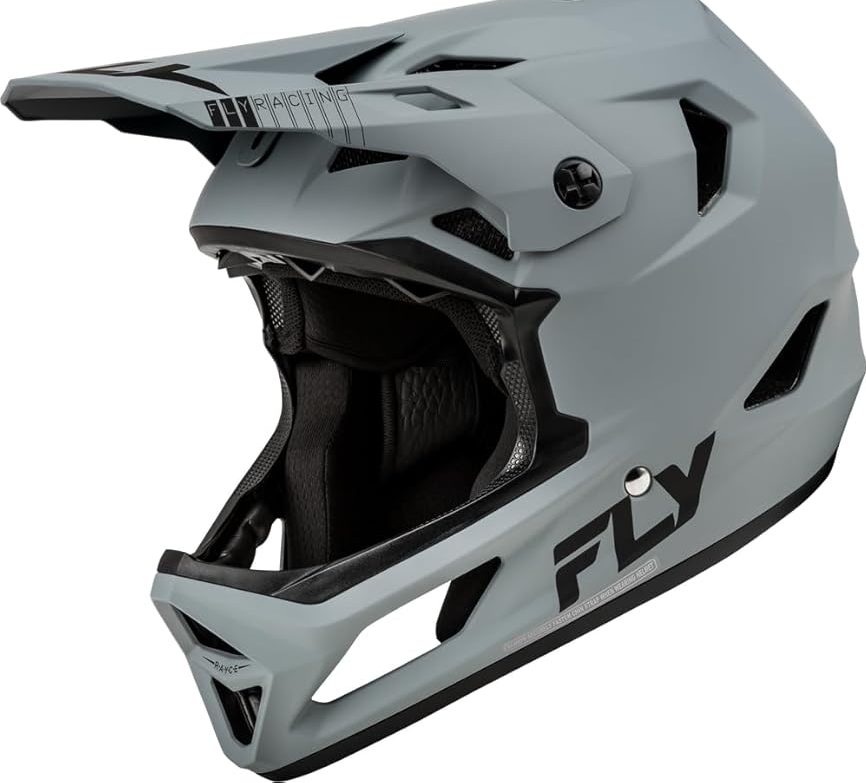

When I search for a vespa helmet for sale, I find the same problem quite often. There are plenty of nice-looking options, but the photos do not tell you everything you need to know.
A Vespa helmet can be a simple jet design, a demi-jet with a visor, or a more feature-rich model with an inner sun visor. During my research, I found that the safest way to shop is to check the exact model, approval, fit, visor, and seller before getting distracted by the colour.
What Should You Check When a Vespa Helmet Is for Sale?
The first step is to identify the exact helmet. “Vespa helmet” is not one single design.
The current official range includes the Versilia, Langhe, DEC, Argentario, Officina 8, 946 Horse, Assouline, and other models. The UK Vespa site also says buyers should check with an authorised retailer for current availability and pricing.
| Check | Why it matters |
|---|---|
| Exact model | Specs can vary |
| Approval | Confirms the safety standard |
| Size | Fit matters more than looks |
| Visor | Changes daily comfort |
| Seller | Helps verify the product |
This is where I would slow down.
A listing can show a beautiful Vespa logo and still leave out the information that matters most.
Is the Helmet New or Used?
A new helmet is easier to assess because you know its history.
With a used helmet, you may not know whether it has suffered an impact, been stored badly, or had parts changed. For safety equipment, that uncertainty is not worth ignoring.
If the seller cannot clearly explain the helmet’s condition, model, size, and approval, I would keep looking.
Which Vespa Helmet Models Are Currently for Sale?
The official Vespa UK accessory page currently lists several helmet families, including the Nazionali 2.0 Italian Colours, 946 Horse, Argentario, Assouline, DEC, Langhe, Officina 8, and Versilia.
That gives buyers quite a few styles to compare.
The important part is that these helmets are not identical. Their visor systems, shell details, lining, and styling can differ.
| Model | Design detail |
|---|---|
| Versilia | Classic jet helmet |
| Langhe | Demi-jet with clear visor |
| DEC | Demi-jet with clear visor |
| Argentario | Jet with clear and sun visors |
| Officina 8 | Jet with clear and sun visors |
For example, the Versilia uses an ABS shell, removable cheek pads, a washable lining, a micrometric retention system, and ECE 22.06 homologation.
The Langhe and DEC use a demi-jet design with a 2 mm transparent visor and removable, washable lining. Both list ECE 22.06 approval.
What Makes a Vespa Helmet Worth Buying?
I would not start with the colour.
That may sound strange when Vespa helmets are known for their styling, but a good-looking helmet can still be the wrong size or wrong type for your riding.
Instead, I would ask what problem the helmet needs to solve.
Look at the Features You Will Actually Use
Some current models have useful daily-riding features. The Officina 8, for example, has a transparent main visor, internal sun visor, ventilation system, removable lining, washable cheek pads, and a micrometric retention system. It also has 22.06 homologation.
| Feature | Why I would care |
|---|---|
| Clear visor | Helps with wind and rain |
| Sun visor | Useful in bright light |
| Washable lining | Easier to keep fresh |
| Ventilation | Helps in warm weather |
| Micrometric closure | Easy daily fastening |
The Argentario has a similar focus. Vespa lists a transparent main visor, internal sun visor, ventilation, washable and removable interior parts, and 22.06 homologation.
That is a good reminder that a “jet helmet” does not always mean a bare-bones helmet.
How to Spot a Genuine Vespa Helmet for Sale
This is where online shopping needs a little patience.
I would compare the listing with the official Vespa specification. Look for the model name, product code, colour, size range, and listed safety approval.
Official Vespa pages provide detailed specifications for current models. That makes them useful for checking whether a seller’s description actually matches the product.
| Listing detail | What to compare |
|---|---|
| Model name | Official Vespa product page |
| Product code | Seller and manufacturer |
| Safety approval | Exact helmet version |
| Colour | Official colour name |
| Features | Visor and lining details |
One small mismatch does not always mean a listing is fake. Older versions can have different specifications.
But several mismatches should make you stop and check.
Why Product Codes Matter
A product code can be more useful than a vague title.
For example, the current Officina 8 page identifies the helmet as 8h0030m, while the Versilia is listed as 8h0002m0.
If a seller gives a product code, I would compare it with the manufacturer’s page.
That simple step can prevent a surprisingly annoying mistake: ordering one version and receiving another.
Check the Safety Approval Before Buying
A helmet is safety equipment first.
For current Vespa models, ECE 22.06 appears on several official product pages. The Versilia, Langhe, DEC, Argentario, Officina 8, and 946 Horse all list 22.06 approval.
This is especially important when browsing old listings.
An older Vespa helmet may have been made to an earlier standard. That does not mean the helmet is automatically bad, but the exact approval and market requirements should be checked.
| What you see | What to do |
|---|---|
| ECE 22.06 listed | Check the exact model |
| Older ECE listing | Verify the current rules |
| No approval details | Ask the seller |
| Unclear markings | Avoid guessing |
I would never rely on a seller simply saying “road legal.”
Ask for the actual approval information.
Finding the Right Size From a Vespa Helmet for Sale
Size is one of the easiest things to get wrong online.
A helmet can look perfect in a product photo and feel completely wrong once it is on your head. Head shape also matters, so the same stated size can feel different between helmet designs.
Measure your head according to the manufacturer’s instructions. Then compare that measurement with the exact model’s size guide.
A Simple Fit Check
The helmet should feel firm around your head without causing sharp pressure.
It should not move freely when you turn or shake your head. The retention system should also sit securely without feeling painful.
| Fit check | Good sign |
|---|---|
| Head movement | Helmet stays stable |
| Forehead | Even pressure |
| Cheeks | Firm but comfortable |
| Chin strap | Securely fastened |
This is one reason I prefer sellers with a clear return policy when buying online.
Getting the right size is more important than saving a few pounds.
Should You Buy a Vespa Helmet With a Visor?
For many riders, yes. But it depends on how and when you ride.
A visor can help with wind, light rain, insects, and changing weather. It also changes the feel of an open-face helmet quite a lot.
The Langhe and DEC both use a transparent 2 mm visor, while the Argentario and Officina 8 add internal sun visors.
| Riding habit | Useful setup |
|---|---|
| Short sunny rides | Simple jet design |
| Daily commuting | Clear visor |
| Mixed weather | Clear + sun visor |
| Warm urban riding | Good ventilation |
I would avoid choosing a dark visor just because it looks great in photographs.
Your actual light conditions matter more.
Common Mistakes When Buying a Vespa Helmet for Sale
The biggest mistake is treating every online listing as if it describes the same product.
It does not.
Vespa has different helmet designs, and current specifications can differ by model. Special editions can also have different finishes and details.
| Buying mistake | Better approach |
|---|---|
| Buying by colour | Check fit first |
| Ignoring product code | Compare model details |
| Trusting old photos | Check current specs |
| Skipping approval | Verify the marking |
| Buying the cheapest listing | Check seller and condition |
Another mistake is assuming that “Vespa” in the title means it came directly from Vespa.
A seller can use the brand name in a listing without giving enough proof of what is actually being sold.
That is why the manufacturer page is useful as a reference.
New Vespa Helmet or Older Stock?
Older stock can be tempting.
Sometimes the colour you want is no longer shown in the current range. You may also find a previous model at a lower price.
That can be fine, but I would check the exact age, approval, condition, and replacement parts before buying.
| Older stock check | Why it matters |
|---|---|
| Production date | Helmets age in storage |
| Approval | Confirms the standard |
| Padding | May have deteriorated |
| Visor | Check scratches and parts |
Do not confuse “unused” with “newly made.”
A helmet can sit in a box for a long time.
Where Should I Look for a Vespa Helmet for Sale?
The safest starting point is the manufacturer’s current range. Vespa’s UK helmet page lists the models and directs customers to an authorised retailer for availability and pricing.
That does not mean every independent seller is a problem. It simply gives you a reliable reference point.
You can then compare the exact model, size, specification, and price.
What I Would Check Before Paying
My final check would be quite boring, which is probably a good thing.
I would verify the model, size, approval, condition, seller, return terms, and whether the photos match the actual product.
| Before paying | Quick question |
|---|---|
| Model | Is this the exact version? |
| Size | Did I measure my head? |
| Approval | Is it clearly stated? |
| Condition | New, old stock, or used? |
| Returns | Can I return the wrong size? |
If all of those answers look good, then I would look at the colour.
That order saves a lot of regret.
My Take After Researching Vespa Helmets for Sale
The vespa helmet for sale search is much easier once you stop treating it as a simple shopping query.
There are several current Vespa designs, from the straightforward Versilia jet to more feature-rich helmets such as the Officina 8 and Argentario. Many current models list ECE 22.06 approval and removable, washable interiors.
The main lesson I took from comparing them is simple: buy the exact helmet, not just the brand name.
Check the approval. Measure your head. Compare the product code. Look closely at the visor and lining. Then check who is selling it and what happens if the size is wrong.
A great Vespa helmet should look right, but more importantly, it should fit right and suit the way you actually ride.
Frequently Asked Questions About Vespa Helmet for Sale
These quick answers cover the questions I would ask before buying a Vespa helmet online.
Where can I find a Vespa helmet for sale?
Start with the official Vespa helmet range, then check authorised retailers for local stock. Vespa’s UK site says availability and pricing should be confirmed with retailers.
How do I know a Vespa helmet is genuine?
Compare its model name, product code, colour, features, and approval with the official Vespa listing. Several mismatches are a good reason to ask questions first.
Are current Vespa helmets ECE 22.06 approved?
Many are. Current models such as the Versilia, Langhe, DEC, Argentario, Officina 8, and 946 Horse list ECE 22.06 approval.
Should I buy a used Vespa helmet for sale?
I would be cautious with used helmets. You may not know their impact or storage history. New or verifiable old stock makes it easier to check the helmet’s condition.
What should I check before buying a Vespa helmet online?
Check the exact model, size, approval, condition, visor, seller, and return policy. Most sizing problems are easier to solve when the seller allows returns.

Olivia
Writer at Helmet Today, covering helmet reviews, fit and riding safety.