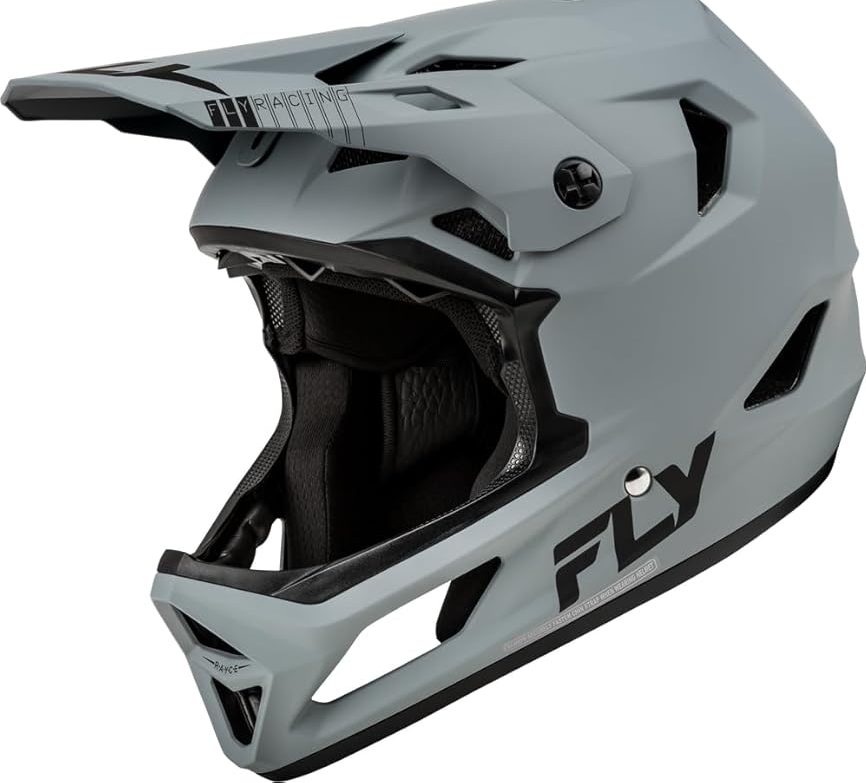

A few years ago, I stopped at a gas station near Orlando on a hot summer day. I noticed something right away. Some motorcycle riders wore helmets. Others did not. That got me thinking. Is there a helmet law in Florida, or can riders choose for themselves?
The answer is not as simple as many people think.
I have ridden through busy city streets, quiet beach roads, and long highways across the state. Along the way, I learned that Florida’s helmet rules depend on age, insurance, and the type of vehicle you ride.
For anyone who rides a motorcycle, scooter, or moped in Florida, knowing the law matters. It can affect your safety, your insurance coverage, and even your finances after a crash.
In this guide, I will share what I learned, explain the rules in plain language, and cover common questions riders ask before heading out on Florida roads.
Is There a Helmet Law in Florida?
Florida’s helmet law often surprises new riders. The rules are different from many other states.
The Short Answer
Yes, there is a helmet law in Florida.
However, not every motorcycle rider must wear a helmet.
Florida allows certain adult riders to ride without a helmet if they meet specific legal requirements.
What Florida Law Says
- Riders under 21 must wear a helmet.
- Riders under 21 must also use approved eye protection.
- Riders age 21 or older may ride without a helmet if they carry at least $10,000 in medical insurance coverage.
- Eye protection is required regardless of helmet use.
Why This Law Exists
Florida changed its motorcycle helmet law in 2000. The change gave many adult riders more freedom while still requiring financial responsibility.
Who Must Wear a Helmet in Florida?
Knowing who falls under the helmet requirement is important.
Riders Under Age 21
Anyone under 21 must wear a helmet when operating or riding on a motorcycle.
This rule applies even for short trips.
Motorcycle Passengers Under 21
Passengers under 21 must also wear a helmet.
The law does not make exceptions for passengers.
Riders Age 21 and Older
Adults may legally ride without a helmet if they carry the required medical insurance coverage.
Without that coverage, a helmet is required.
What Kind of Helmet Is Legal?
Not all helmets offer the same protection.
Look for DOT Approval
A legal motorcycle helmet should meet standards from the National Highway Traffic Safety Administration.
Look for:
- DOT certification label
- Secure chin strap
- Proper fit
- Good condition without damage
Types of Motorcycle Helmets
Full-Face Helmets
- Highest level of protection
- Covers chin and face
- Helps reduce wind noise
Modular Helmets
- Flip-up front section
- Popular for touring riders
Open-Face Helmets
- Covers top and sides of head
- Leaves face exposed
Half Helmets
- Minimal coverage
- Popular in warm weather
- Less protection than full-face designs
Why Many Florida Riders Still Wear Helmets?
Even though some adults can legally ride without one, many still choose to wear a helmet.
Protection During Crashes
A helmet can help reduce the risk of serious head injuries.
Florida Weather Challenges
Florida weather changes fast.
I have ridden through:
- Sudden rain showers
- Strong coastal winds
- Flying road debris
- Heavy summer traffic
A helmet adds comfort and protection in these conditions.
Long Highway Rides
On long stretches of interstate roads, helmets help reduce:
- Wind fatigue
- Noise exposure
- Insect impacts
- Eye irritation
Does the Helmet Law Apply to Scooters and Mopeds?
The answer depends on the vehicle type.
Mopeds
Many moped riders must follow helmet requirements based on age and vehicle classification.
Scooters
Rules may vary depending on engine size and registration category.
Because classifications can change, riders should always verify current state requirements before riding.
Electric Two-Wheel Vehicles
Electric scooters and similar vehicles may fall under different regulations depending on design and speed.
Florida Helmet Law and Insurance
Insurance plays a major role in Florida’s helmet rules.
The $10,000 Medical Coverage Requirement
Riders age 21 or older who choose not to wear a helmet must carry at least:
- $10,000 in medical benefits coverage
This requirement exists to help cover medical costs after a crash.
Why Coverage Matters?
Medical bills can rise quickly after an accident.
Even a minor crash may involve:
- Emergency care
- Imaging tests
- Follow-up visits
- Physical therapy
What Happens if You Break the Helmet Law?
The consequences vary by situation.
Possible Penalties
Riders who fail to meet legal requirements may face:
- Traffic citations
- Fines
- Legal complications after crashes
Insurance Issues
A violation could affect insurance claims and liability discussions following an accident.
Helmet Laws in Florida Compared to Other States
Helmet laws vary widely across the United States.
States With Universal Helmet Laws
Some states require helmets for nearly all motorcycle riders.
States With Partial Helmet Laws
Florida falls into this category.
Requirements depend on factors such as age and insurance coverage.
States With Fewer Restrictions
A small number of states provide broader rider choice.
Because laws change, travelers should check local regulations before crossing state lines.
Motorcycle Safety Tips Beyond Helmet Laws
The law sets minimum requirements. Smart riding often goes beyond that.
Gear I Never Skip
- Riding jacket
- Gloves
- Over-the-ankle boots
- Eye protection
- Bright clothing
Ride Defensively
I always try to:
- Stay visible
- Leave extra space
- Avoid blind spots
- Watch intersections closely
Check Your Motorcycle
Before longer rides, inspect:
- Tires
- Brakes
- Lights
- Mirrors
- Fluid levels
Common Myths About Florida Helmet Laws
A lot of confusion exists online.
Myth: No One Needs a Helmet in Florida
False. Riders under 21 must wear one.
Myth: Insurance Is Optional
False. Riders who choose to ride without a helmet must meet insurance requirements.
Myth: Helmets Reduce Visibility
Modern helmets are designed to provide wide fields of vision while offering protection.
Final Thoughts
When people ask me, “Is there a helmet law in Florida?” I tell them the answer is yes, but with important exceptions.
Florida gives many adult riders a choice. Even so, understanding the rules before riding is essential. Whether you ride through Miami traffic, along the Gulf Coast, or across central Florida highways, knowing the law helps you stay safe, legal, and prepared.
For me, wearing a helmet remains an easy decision. The extra protection is worth it every time I ride.
Frequently Asked Questions
Is there a helmet law in Florida for motorcycles?
Yes. Riders under 21 must wear a helmet. Riders 21 and older may ride without one if they carry the required medical coverage.
Can adults ride without a helmet in Florida?
Yes. Adults age 21 or older may ride without a helmet if they have at least $10,000 in medical benefits coverage.
Do motorcycle passengers need helmets in Florida?
Passengers under 21 must wear helmets. Adult passenger requirements depend on age and legal conditions.
Is eye protection required in Florida?
Yes. Florida requires approved eye protection for motorcycle riders, even when a helmet is not required.
Is wearing a helmet safer even when not required?
Yes. Many riders choose helmets because they help protect against head injuries, wind, rain, debris, and road hazards.

Olivia
Writer at Helmet Today, covering helmet reviews, fit and riding safety.