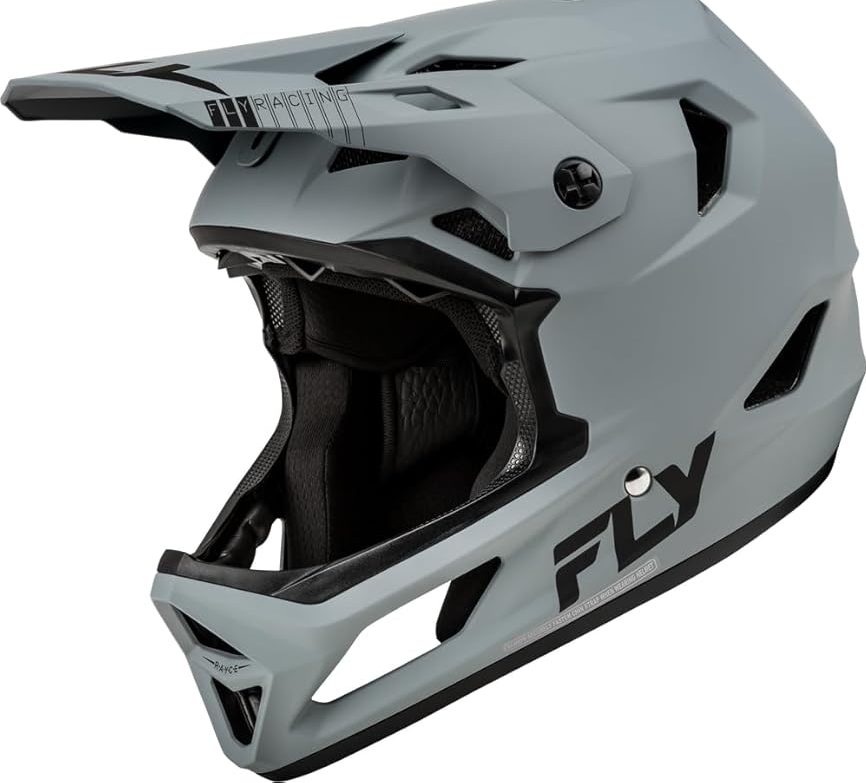

When I first heard the term MIPS bicycle helmet, I thought it was just another fancy helmet feature. The name sounds technical, but the basic idea is quite simple. MIPS is a system inside some bicycle helmets that is designed to help manage rotational motion during certain angled impacts.
That matters because bike crashes do not always happen straight on. A rider can hit the ground at an angle, and the head can twist during the impact. Below, I’ll break down what MIPS means, how it works, what it can and cannot do, and what I would check before buying one.
What Is a MIPS Bicycle Helmet?
A MIPS bicycle helmet is a bike helmet that uses Multi-directional Impact Protection System technology. It includes a low-friction layer inside the helmet that can move slightly during some angled impacts.
The goal is to help reduce rotational motion that may be transferred to the head. It works alongside the helmet’s normal impact protection rather than replacing it.
| MIPS term | What it means |
|---|---|
| MIPS | Multi-directional Impact Protection System |
| Inner layer | A layer designed for controlled movement |
| Main purpose | Help manage rotational motion |
The system may look different from one helmet to another. Some MIPS designs are easy to see when you look inside. Others sit behind the padding.
Why Is MIPS Used in Bicycle Helmets?
A traditional bike helmet is built mainly to help manage impact energy. MIPS adds another design element for angled impacts.
That is useful because many bike falls are not clean, straight hits. A rider may slide, tumble, or strike the ground at an angle.
| Crash motion | MIPS focus |
|---|---|
| Straight impact | Impact energy management |
| Angled impact | Rotational motion |
| Twisting motion | Controlled inner-layer movement |
MIPS is not meant to make crashes harmless. It is one part of a helmet’s overall protective design.
How Does a MIPS Bicycle Helmet Work?
The easiest way I understand MIPS is to think of it as a small sliding layer inside the helmet.
During normal riding, the layer stays in place. During certain angled impacts, it can move relative to the outer helmet.
That movement is intended to help reduce some rotational motion.
What Happens During an Angled Crash?
Picture a rider losing control on a wet bike path. The head may hit the ground at an angle rather than straight down.
The helmet still needs to handle the impact. The MIPS system is designed to allow controlled movement between the head and helmet during certain angled hits.
| Stage | What happens |
|---|---|
| Normal riding | Inner system stays in position |
| Angled impact | Layer can move slightly |
| After impact | Helmet remains a protective system |
The exact amount and type of movement depend on the helmet and its MIPS design.
Why Does Rotational Motion Matter?
This is the part that helped me understand why MIPS exists in the first place.
A head impact can involve more than a simple push. An angled hit can cause the head to rotate as it contacts the ground.
MIPS is designed to address some of that rotational motion.
Is Rotational Motion the Same as Impact Force?
No.
Impact force and rotational motion are related but different. A helmet needs to manage the energy from an impact, while systems such as MIPS are designed to help with rotational motion during certain angled impacts.
| Type of motion | Simple example |
|---|---|
| Linear motion | Head moves straight into the ground |
| Rotational motion | Head twists during impact |
| Combined motion | Head hits and twists at once |
This does not mean MIPS can stop all rotation. It is designed to help manage it.
Is a MIPS Bicycle Helmet Safer?
MIPS can provide an added protective feature, but I would not call every MIPS helmet automatically safer than every non-MIPS helmet.
The whole helmet matters.
Fit, construction, certification, coverage, and proper use all play a role. A MIPS helmet that does not fit well is not a good choice simply because it has MIPS technology.
Fit Still Matters More Than the Logo
This was one of the biggest lessons for me when comparing helmets.
It is easy to focus on the MIPS label and forget the basics. The helmet should sit correctly and stay secure while you ride.
| What to check | Why it matters |
|---|---|
| Correct size | Helps the helmet sit properly |
| Secure fit | Keeps it in position |
| Safety certification | Shows it meets a required standard |
| MIPS | Adds rotational-impact technology |
Think of MIPS as an extra feature, not a replacement for good helmet selection.
Does MIPS Make a Bicycle Helmet Heavy?
Adding an inner system can affect helmet weight, but the difference depends on the design.
Bike helmets already vary in weight because of their shell, padding, vents, fit system, and other parts.
Some MIPS helmets are still quite light.
Should Weight Decide Your Choice?
I would not reject a helmet just because it weighs a little more.
A comfortable helmet that stays secure can be a better choice than an ultra-light helmet that shifts around your head.
| Rider type | What I would prioritize |
|---|---|
| Casual rider | Fit and comfort |
| Road rider | Fit, weight, ventilation |
| Mountain biker | Fit, coverage, stability |
The best helmet is one you can wear correctly for the whole ride.
Does a MIPS Bicycle Helmet Feel Different?
Usually, you should not notice much once the helmet is adjusted correctly.
The MIPS layer sits inside the helmet. It should not feel like something loose or moving around while you ride.
If the helmet feels unstable, I would check the fit rather than blaming the MIPS system.
What If the Helmet Moves on My Head?
A helmet should not slide around during normal riding.
Try adjusting the rear fit system and chin strap. If it still moves, the helmet shape may not match your head.
| Problem | Better approach |
|---|---|
| Helmet slides | Tighten the fit system |
| Pressure spots | Try another helmet shape |
| Strap feels loose | Adjust the chin strap |
A different model may fit much better even when both helmets use MIPS.
Do All MIPS Bicycle Helmets Work the Same Way?
No.
This is easy to miss when shopping. MIPS is a technology used in many helmet designs, but the actual helmet can differ greatly.
Manufacturers may use different shell shapes, padding, vents, retention systems, and MIPS designs.
Why Does the Helmet Model Still Matter?
Two helmets can both have a MIPS label and still feel completely different.
One may suit a narrow head. Another may feel better on a rounder head. One may focus on low weight, while another offers more coverage.
| Helmet feature | Why it matters |
|---|---|
| Shell shape | Affects head fit |
| Padding | Affects comfort |
| Vent design | Affects airflow |
| MIPS system | Adds rotational-motion protection |
That is why I would never pick a helmet from the MIPS label alone.
Is MIPS Worth It for Road Cycling?
For road cycling, MIPS can be a useful feature to consider.
Road riders can fall on pavement at speed. An angled fall can create both impact and rotational motion.
I would still start with fit and certification, then compare features.
What About Everyday Cycling?
MIPS can also make sense for commuting and casual riding.
You do not need to be racing to have a crash. A curb, wet road, car door, or loose surface can cause a sudden fall.
| Riding type | MIPS worth considering? |
|---|---|
| Road cycling | Yes |
| Commuting | Yes |
| Casual cycling | Yes |
| Mountain biking | Yes |
The decision still comes down to the individual helmet, fit, price, and your riding needs.
Is MIPS Useful for Mountain Biking?
Mountain biking creates plenty of situations where angled impacts can happen.
Roots, rocks, loose dirt, jumps, and sudden changes in terrain can all lead to falls. This is one reason many mountain bike helmets include added impact features.
Coverage Matters Too
I would not choose a mountain bike helmet based only on MIPS.
Coverage around the back and sides of the head can also matter. The helmet should match the type of mountain biking you do.
| Riding style | Helmet feature to consider |
|---|---|
| Trail riding | Good coverage and fit |
| Cross-country | Light weight and ventilation |
| More aggressive riding | Added coverage and stability |
MIPS can be one part of that package.
What Does MIPS Not Do?
This is where I think helmet advice often gets confusing.
MIPS does not make you crash-proof. It does not prevent every concussion or head injury. It also does not mean you can ignore helmet fit.
A bicycle helmet is still a protective device with limits.
MIPS Is Not a Guarantee
No helmet can guarantee that a rider will avoid injury in every crash.
MIPS is designed to help manage certain rotational forces. That is a more accurate way to think about it.
| Myth | Reality |
|---|---|
| MIPS prevents all head injuries | No |
| MIPS replaces proper fit | No |
| All MIPS helmets are identical | No |
| MIPS makes crashes harmless | No |
I find this distinction useful because it keeps expectations realistic.
How Should a MIPS Bicycle Helmet Fit?
A MIPS bicycle helmet should fit snugly and sit level on your head.
It should not tilt far back. The front should provide suitable forehead coverage without blocking your view.
The chin strap should feel secure but not painfully tight.
Try the Shake Test
Once adjusted, gently move your head from side to side.
The helmet should stay in place.
Then open your mouth wide. You should feel a slight pull from the chin strap.
| Fit check | Good result |
|---|---|
| Shake head | Helmet stays stable |
| Open mouth | Strap pulls slightly |
| Look up | Helmet stays in position |
If you have to tighten everything very hard to stop movement, try another size or model.
What Should I Check Before Buying a MIPS Bicycle Helmet?
I would keep the buying process simple.
First, make sure the helmet is certified for bicycle use in your region. Then check the fit. After that, compare weight, ventilation, coverage, adjustment, and MIPS technology.
My Simple Buying Checklist
Do not let a long feature list make the choice harder than it needs to be.
| Buying point | What I would look for |
|---|---|
| Certification | Appropriate cycling standard |
| Fit | Snug and stable |
| Riding style | Road, trail, commute, or other use |
| MIPS | Useful added feature |
| Comfort | Good enough for long rides |
If the helmet fits poorly, I would keep looking.
Should You Choose a MIPS Bicycle Helmet?
If you are buying a new bicycle helmet, I think MIPS is worth considering.
It gives the helmet an added system designed to help manage rotational motion during certain angled impacts. But I would never let that one feature outweigh poor fit or the wrong helmet design.
The best approach is to find a certified helmet that fits your head well and suits your riding. Then, if MIPS is available at a price and weight you are happy with, it can be a sensible extra.
Final Thoughts
So, what is a MIPS bicycle helmet? It is a bike helmet with a Multi-directional Impact Protection System. The system uses a low-friction layer that can move slightly during certain angled impacts, with the goal of helping manage rotational motion.
My main takeaway is simple. MIPS is useful technology, but it is not magic. I would focus first on a proper fit, the right certification, and a helmet suited to my riding. Once those basics are covered, MIPS is a feature I would be happy to have.
Frequently Asked Questions
What is a MIPS bicycle helmet?
A MIPS bicycle helmet has a low-friction layer inside. It is made to help manage head rotation during some angled bike crashes.
Is a MIPS bicycle helmet better?
MIPS adds protection for some angled impacts. Still, a good fit, proper safety standard, and correct use matter just as much.
What does MIPS stand for on a bicycle helmet?
MIPS stands for Multi-directional Impact Protection System. It is a helmet system made to help manage rotational motion during some impacts.
Does MIPS prevent concussions?
No. MIPS cannot prevent all concussions or head injuries. It is designed to help manage rotational motion during certain angled impacts.
Are MIPS bicycle helmets worth it?
MIPS can be worth considering when two helmets fit well and meet the right safety standard. It should be one factor, not the only one.

Olivia
Writer at Helmet Today, covering helmet reviews, fit and riding safety.