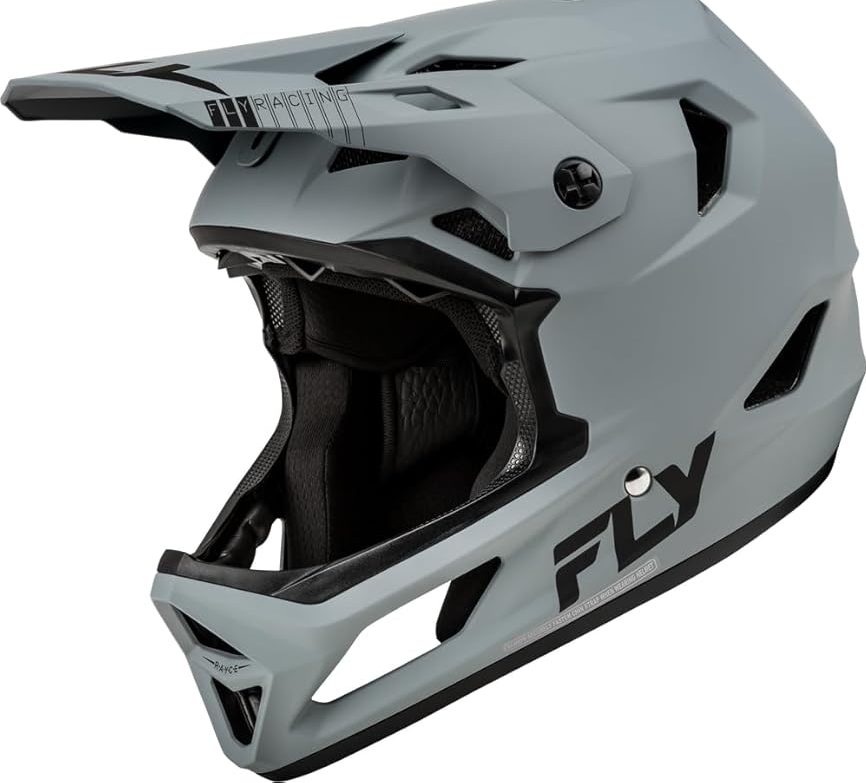

A vespa helmet for ladies needs to do more than look good with a scooter. It should sit firmly, feel comfortable, and offer the level of protection required where you ride. Style matters, but it should come after fit and safety.
While researching this topic, I noticed how easy it is to focus on color, shape, or a cute finish first. That can lead to a poor fit. The better approach is simple: measure your head, check the helmet shape, test the fit, and then choose the style you like.
How Should a Vespa Helmet for Ladies Fit?
Fit is the first thing I would check. A helmet should feel snug without causing pain or sharp pressure.
A new helmet may feel tighter than expected. That is not always a bad sign. The key is even pressure around your head.
| Fit Check | Good Sign | Warning Sign |
|---|---|---|
| Head movement | Helmet stays still | Helmet slides |
| Forehead | Even pressure | Sharp hotspot |
| Cheeks | Firm contact | Very loose |
| Strap | Secure | Too loose |
The helmet should move with your head. If you can easily shift it from side to side while your head stays still, the fit needs more attention.
How to Measure for a Vespa Helmet for Ladies
Use a soft tape measure. Wrap it around the widest part of your head, just above your eyebrows.
Record the measurement in centimeters. Then compare it with the size chart for the exact helmet model.
| Step | What to Do |
|---|---|
| 1 | Place tape above your eyebrows |
| 2 | Circle the widest area |
| 3 | Note the measurement |
| 4 | Check the maker’s size chart |
One mistake I often see is treating helmet size like shoe size. It does not work that way. Different helmet shapes can feel very different even when the listed size is the same.
Should Ladies Choose an Open-Face Vespa Helmet?
The classic Vespa look often goes well with an open-face or jet helmet. It feels airy and gives a wide view of the road.
But there is a trade-off. An open-face helmet does not cover the chin like a full-face helmet.
For example, NHTSA explains that open-face and half helmets provide less coverage than full-face helmets. It also advises riders to check the required safety standard for their market. (NHTSA)
| Riding Need | Helmet Type to Consider |
|---|---|
| Short city trips | Open-face or jet |
| More face coverage | Full-face |
| Hot urban riding | Well-vented design |
| Wind and road debris | Greater coverage |
There is no need to pick a helmet based only on what looks fashionable. Think about your roads, speed, weather, and daily riding time.
When a Full-Face Helmet May Feel Better
A full-face design covers more of the head and face. That can be useful when you ride on faster roads or spend more time around traffic.
It may feel warmer and less open, though. That is why ventilation becomes more important when choosing one.
The useful lesson is that protection and comfort have to work together. A helmet that is technically protective but unbearable to wear may not suit your daily routine.
What About Long Hair Under a Vespa Helmet for Ladies?
Hair can change the fit more than people expect.
A high ponytail can press against the back of the helmet. Thick hair can also make an otherwise correct helmet feel too tight.
I would try the helmet with the hairstyle you normally use for riding.
| Hair Problem | Simple Fix |
|---|---|
| High ponytail | Wear it lower |
| Thick hair | Use a low braid |
| Hair pulling | Smooth it before fitting |
| Hard hair clip | Remove it |
Do not buy a larger helmet just to make space for your hair. A loose helmet can move too much.
A low braid or low ponytail often works better. It also avoids the strange helmet hair situation that seems to happen five minutes after leaving home.
Which Safety Standard Should You Check?
The logo or brand name on a helmet is not enough. Look for the safety approval required in your country.
In the United States, motorcycle helmets must meet the DOT standard FMVSS 218. NHTSA recommends checking the DOT labeling and buying from a reliable source. (NHTSA)
For other markets, the required approval can differ.
| Location | Standard to Check |
|---|---|
| United States | DOT / FMVSS 218 |
| ECE markets | ECE approval |
| Other markets | Local helmet rules |
Some current Vespa helmets are listed with ECE 22.06 approval. The exact certification can vary by model, so check the individual helmet before buying. (Vespa)
This is one area where I would never guess. Check the actual label and product information.
Which Vespa Helmet Features Matter Most?
Once size and safety are sorted, small features can make daily riding much easier.
A washable liner is especially useful. So are good ventilation, a useful visor, and an easy-to-use chin strap.
| Feature | Daily Benefit |
|---|---|
| Washable liner | Easier to keep clean |
| Ventilation | Less heat buildup |
| Clear visor | Helps block wind and dust |
| Sun visor | Helps in bright light |
| Quick buckle | Easier daily use |
I would not pay extra just for a decorative detail. A feature is worth more when it solves a problem you actually have.
For example, a removable liner may sound boring when shopping. After riding on a hot day, it suddenly becomes one of the best features.
Vespa Helmet Colors and Styles for Ladies
Style is still important. There is nothing wrong with wanting a helmet that matches your Vespa or personal look.
Vespa’s helmet range includes different colors and finishes, along with several jet and demi-jet designs. The exact range changes by market and model. (Vespa)
The trick is to choose style last.
First check fit. Then check certification. After that, choose the color, finish, visor, and other details.
| Style Choice | Practical Point |
|---|---|
| Gloss finish | Easy to match |
| Matte finish | Soft, simple look |
| Light color | May feel less heat-prone |
| Dark color | Classic appearance |
Color should not be the reason you choose a poor-fitting helmet. A beautiful helmet that hurts after 15 minutes will spend more time on the seat than on your head.
Common Mistakes When Buying a Vespa Helmet for Ladies
Most buying mistakes are simple. They happen when appearance gets more attention than fit.
Here are the ones I would avoid.
| Mistake | Better Approach |
|---|---|
| Buying by color | Check fit first |
| Picking a loose size | Look for firm contact |
| Ignoring head shape | Try another shape |
| Making room for hair | Change the hairstyle |
| Skipping certification | Check the safety label |
Another mistake is assuming that the most expensive helmet must be the right one.
Price can reflect materials and features. It does not guarantee that the shape will match your head.
How Can You Test a Vespa Helmet Before Buying?
If you can try the helmet on, take your time. Do not put it on for ten seconds and immediately decide.
Fasten the strap correctly. Move your head slowly. Look up and down. Turn left and right.
Then keep it on for several minutes.
Use This Simple Fit Test
The helmet should remain stable when you move your head.
Try gently moving the helmet with your hands. Your scalp should move with the helmet rather than the shell sliding freely over your head.
| Test | What You Want |
|---|---|
| Side movement | Little helmet movement |
| Head tilt | Helmet stays in place |
| Cheek fit | Firm but not painful |
| Strap | Secure and comfortable |
If one small area causes strong pain, do not assume you need to “break in” the helmet. The shape may simply not suit your head.
Also avoid cutting or removing internal foam yourself. Helmet construction is not something I would experiment with.
How Should You Care for a Ladies’ Vespa Helmet?
Helmet care is easy to ignore until the inside starts smelling less than fresh.
Sweat, dust, sunscreen, and hair products can build up over time. Regular cleaning helps keep the liner more pleasant.
Let the helmet air out after a ride. Avoid sealing a damp helmet inside a bag.
| Problem | Better Habit |
|---|---|
| Sweaty liner | Air it out |
| Dusty shell | Clean gently |
| Dirty liner | Follow maker’s wash guide |
| Damp interior | Dry before storage |
Do not use harsh cleaners unless the helmet maker says they are safe. Some chemicals can damage helmet materials.
A little care after each ride is much easier than deep cleaning months of grime later.
What Did I Learn About Choosing a Vespa Helmet for Ladies?
The biggest lesson is that a vespa helmet for ladies does not need to be chosen from a special “women’s” formula. Head size, head shape, riding habits, coverage, comfort, and local safety rules matter more.
I also would not ignore personal style. If you like the helmet, you are more likely to enjoy wearing it every day. Just make fit and certification the first checks, not the last ones.
FAQ About Vespa Helmet for Ladies
What size Vespa helmet should ladies choose?
Measure your head above the eyebrows and use the size chart for that helmet. Do not rely on hat size, since helmet shapes and sizing can vary.
Is an open-face Vespa helmet good for ladies?
It can suit riders who prefer an open feel, but it gives less face coverage than a full-face helmet. Check local rules before riding.
Can women with long hair wear Vespa helmets?
Yes. A low braid or ponytail can work well. Avoid thick clips under the helmet, and never choose a loose size just to fit your hair.
Are Vespa helmets safe for everyday riding?
Safety depends on the helmet, fit, condition, and certification. Check the required safety standard for your area and replace a helmet after serious impact.
How should I clean a Vespa helmet for ladies?
Follow the maker’s care guide. Air the helmet after rides, clean the visor gently, and wash a removable liner as directed to keep it fresh.

Olivia
Writer at Helmet Today, covering helmet reviews, fit and riding safety.