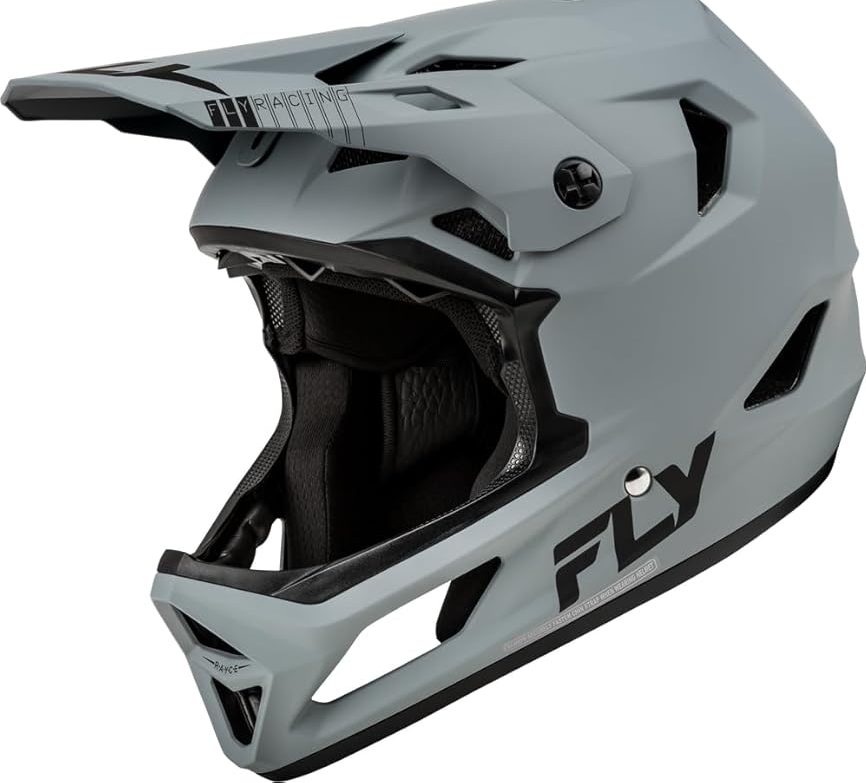

Finding the right scooter helmet adult riders can actually enjoy wearing is harder than it sounds. A helmet may look great online, yet feel tight, hot, noisy, or loose once you ride.
During my research, I kept coming back to one simple lesson: adult scooter riders need to choose for fit first, then safety approval, coverage, comfort, and daily use. A good-looking helmet that moves around your head is not a good bargain.
What Should an Adult Scooter Helmet Feel Like?
An adult scooter helmet should feel snug, stable, and comfortable without creating sharp pressure points. It should stay in place when you turn your head or move your jaw.
The first few minutes can feel tighter than expected. That is not always a problem. Helmet padding can settle, but a shell that is too loose will not become safer with time.
| What you feel | What it may mean |
|---|---|
| Even snug pressure | Usually a good sign |
| One sharp pressure spot | Shape may not suit you |
| Helmet moves easily | Likely too loose |
| Pain after a short time | Recheck size or shape |
One mistake I would avoid is sizing up just because the helmet feels snug in the shop. A properly fitted helmet should hold your head without causing strong pain.
How Tight Should a Scooter Helmet Be?
The cheeks and head should feel gently held. When you shake your head, the helmet should move with it.
Try opening your mouth wide. The cheek pads should press a little more. If the helmet shifts a lot, the fit may be too loose.
Adult Scooter Helmet Safety Matters More Than Style
It is easy to focus on color, visor design, or the classic scooter look. Safety approval should come much earlier in the decision.
The exact approval you need depends on where you ride. In the U.S., for example, the DOT standard is commonly used for motorcycle helmets. In Europe and many other markets, UNECE approval is common.
Do not assume that a helmet is safe simply because a listing says “protective.” Look for the actual approval marking and check that it applies to your market.
| Check | Why it matters |
|---|---|
| Safety marking | Shows the stated standard |
| Retention strap | Keeps the helmet secured |
| Shell condition | Damage can weaken protection |
| Correct fit | Helps the helmet stay in place |
A helmet also needs to be fastened correctly. An excellent helmet that is worn loose or left unfastened cannot do its job properly.
Jet, Full-Face, or Modular for Adult Scooter Riders?
There is no single helmet style that fits every scooter rider. Your normal speed, weather, road type, and comfort needs all matter.
Jet helmets are popular because they feel open. Full-face helmets provide more coverage. Modular helmets offer a useful middle ground, though they can be heavier and more complex.
| Helmet type | Main advantage | Main trade-off |
|---|---|---|
| Jet | Open feel and easy use | Less face coverage |
| Full-face | More overall coverage | More heat and weight |
| Modular | Flexible design | Often heavier |
For slow city rides in warm weather, an adult rider may prefer the airflow and easy feel of a jet helmet. For longer rides, more coverage can become more appealing.
Is an Open-Face Helmet Enough?
An open-face helmet covers the head but leaves much of the face exposed. That can feel excellent on a hot day, but it does not provide the same face and chin coverage as a full-face helmet.
This is one place where comfort and protection can pull in different directions. I would think about the roads and conditions you actually ride in rather than choosing based only on appearance.
Why Helmet Fit Changes Everything
Helmet fit is not just about knowing your head size. Head shape matters too.
Two people can measure the same circumference and still need different helmet shapes. One person may get pressure at the forehead, while another feels pressure at the sides.
Measure around the widest part of your head, then compare that measurement with the helmet maker’s size chart. Treat the chart as a starting point, not the final answer.
| Fit check | Good sign |
|---|---|
| Forehead | Snug but not painful |
| Cheeks | Firm and even |
| Crown | Secure contact |
| Movement | Minimal shifting |
I would also leave the helmet on for several minutes before deciding. Some fit problems only appear after the initial excitement of trying it on wears off.
Visors Make a Bigger Difference Than Expected
A scooter helmet visor is more than a style feature. It can help block wind, dust, insects, and light rain.
For daily riding, I like the idea of a clear visor paired with a separate internal sun visor. It gives you more flexibility when the light changes.
A dark visor can look great, but visibility matters more than appearance. Tinted visors can also have rules or restrictions depending on where you ride.
| Visor type | Useful situation |
|---|---|
| Clear | Day, cloudy weather, light rain |
| Internal sun visor | Bright daylight |
| Tinted | Strong daylight where permitted |
| No visor | Maximum open-air feel |
Scratches are another small issue that becomes annoying over time. A visor that looks fine indoors can create glare when sunlight hits it directly.
How Hot Should an Adult Scooter Helmet Feel?
Heat is one of the biggest reasons riders stop wearing helmets properly. A helmet can be safe on paper and still be unpleasant if the inside becomes hot and damp.
Look for useful ventilation and a removable, washable liner if you ride often. Breathable fabric can also help with sweat.
The right amount of airflow depends on the helmet style. Jet helmets naturally allow more air around the face than enclosed designs.
| Heat problem | Practical fix |
|---|---|
| Sweaty liner | Wash it often |
| Poor airflow | Check ventilation ports |
| Damp padding | Dry fully after riding |
| Bad smell | Clean the removable parts |
One habit worth building is letting the helmet dry naturally after a sweaty ride. Closing a damp helmet inside a bag is an easy way to create an unpleasant smell.
Adult Scooter Helmet Comfort on Long Rides
A helmet can feel fine for ten minutes and annoying after an hour. This is why comfort should be tested beyond the first few minutes.
Weight matters, but balance matters too. A slightly heavier helmet can sometimes feel better than a lighter one if the weight sits evenly around your head.
Noise is another issue. Open scooter helmets can let in a lot of wind sound, especially at higher speeds.
What Causes Helmet Pressure?
Pressure often comes from the wrong helmet shape rather than simply the wrong size.
If one area hurts while the rest of the helmet feels loose, moving to a larger size may make the whole helmet too loose. Trying a different shell shape can be the better answer.
| Symptom | Better thing to check |
|---|---|
| Forehead pressure | Helmet shape |
| Side pressure | Width and shell shape |
| Loose crown | Size or shape |
| Neck strain | Helmet weight and balance |
This is one of those details that is easy to overlook when shopping online.
Scooter Helmet Adult Features Worth Paying For
More features do not always mean a better helmet. I would pay for features that solve a real problem in my riding.
For many adult scooter riders, a removable liner, good ventilation, useful visor, secure strap, and comfortable fit are more valuable than decorative details.
Bluetooth can also be useful for navigation and calls, but it should not come at the cost of poor fit or uncomfortable speaker placement.
| Feature | When it helps |
|---|---|
| Removable liner | Frequent riders |
| Sun visor | Bright daytime use |
| Ventilation | Hot weather |
| Bluetooth-ready space | Riders using an intercom |
| Quick-release strap | Frequent helmet use |
If you rarely ride at night, for example, an elaborate night-riding feature may matter less than good daytime visibility and comfort.
Common Adult Scooter Helmet Buying Mistakes
The most common mistakes are surprisingly simple. They usually happen because shopping becomes focused on appearance or price.
I would avoid these traps before buying.
| Mistake | Better approach |
|---|---|
| Buying only by looks | Check fit and approval first |
| Choosing a loose helmet | Try the next shell or size |
| Ignoring head shape | Test different helmet shapes |
| Buying the cheapest option | Compare approval and construction |
| Forgetting weather | Match coverage to your rides |
| Never cleaning the liner | Build a simple care routine |
Another mistake is assuming an expensive helmet automatically fits better. Price does not guarantee that the shell shape will suit your head.
How I Would Choose a Scooter Helmet Adult Riders Can Live With
I would narrow the choice in a simple order.
First, decide how much coverage you want. Then check the safety standard for your market. Next, measure your head and find helmets that match your shape.
After that, think about your real riding conditions. Hot city commuting may call for ventilation and an open design. Longer rides may make visor coverage, stability, and noise control more important.
| Your main need | Focus on |
|---|---|
| City commuting | Fit, airflow, easy use |
| Hot weather | Ventilation, breathable liner |
| Longer rides | Coverage, comfort, stability |
| Bright sun | Sun visor or suitable visor |
| Daily use | Washable liner, durable parts |
The biggest lesson is to avoid buying the helmet first and figuring out your needs later. Your normal ride should guide the helmet choice.
Final Thoughts
A good scooter helmet adult riders can wear comfortably should fit snugly, stay secure, meet the right safety standard, and suit the weather and roads you use.
I would never make color or price the first decision. Start with fit and safety. Then choose the coverage, visor, ventilation, and comfort features that solve problems you actually face.
A helmet should not become something you tolerate. If it fits well and works with your daily routine, wearing it becomes much easier.
Frequently Asked Questions
What is the best scooter helmet for adults?
The right scooter helmet should fit snugly, meet the needed safety standard, and suit your ride. Jet, modular, and full-face styles each have different strengths.
How should an adult scooter helmet fit?
It should feel snug all around your head without sharp pain. It should not slide when you shake your head or move your jaw.
Are adult scooter helmets different from motorcycle helmets?
Some helmets are made for both uses. The key point is the safety standard, fit, and coverage, not simply the word “scooter” on the product.
Is a full-face helmet better for scooter riding?
A full-face helmet gives more face and chin coverage. An open helmet feels cooler and more open, so your riding needs and comfort matter.
How often should I replace an adult scooter helmet?
Replace a helmet after a serious impact, even if it looks fine. For normal use, follow the maker’s replacement guidance and inspect it often.

Olivia
Writer at Helmet Today, covering helmet reviews, fit and riding safety.