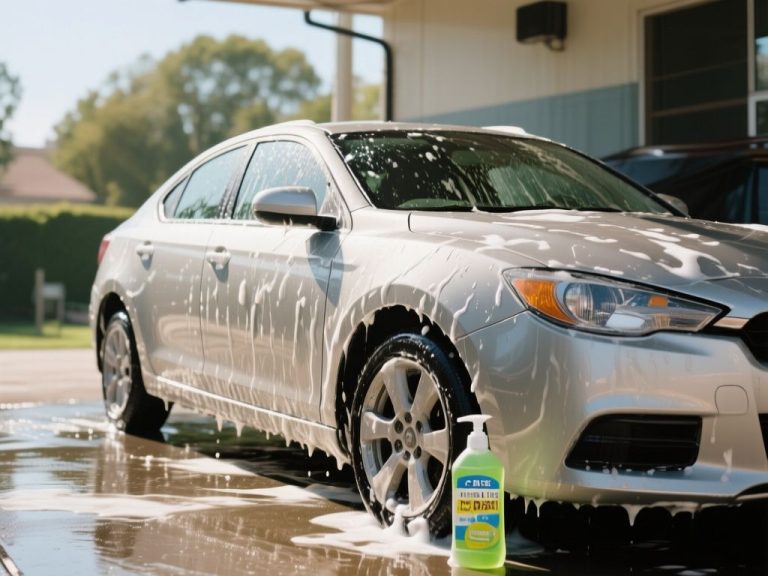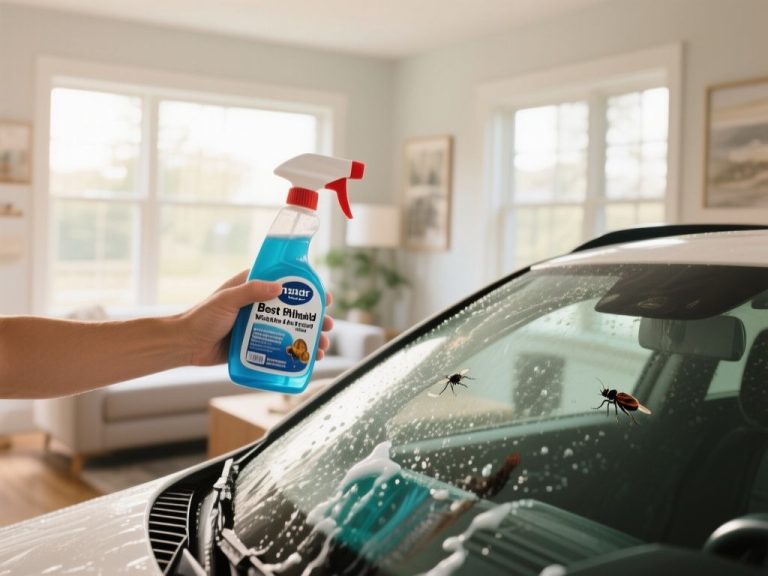

Yes, you can use dish soap to wash a car in a pinch, but it is not the best choice for regular cleaning. Dish soap cuts grease aggressively and can strip protective wax or sealants from automotive paint. A dedicated car wash soap is gentler, safer for finishes, and usually leaves less residue and fewer water spots.
Why do people use dish soap on cars?
Dish soap is popular for car washing because it is inexpensive, easy to find, and designed to remove oily food residue. A small amount mixed with water can loosen road film, fingerprints, bird droppings, and ordinary dirt from a vehicle’s exterior.
The trouble is that dish soap is formulated for plates, pans, and cooking grease rather than painted panels, rubber seals, plastic trim, and automotive coatings. Its strong cleaning action may remove more than the dirt you intended to wash away.
Dish soap will not instantly ruin a car after one careful wash. The bigger concern is repeated use, especially on a vehicle protected with wax, a paint sealant, or some types of coating. Those protective layers are meant to make grime easier to remove and shield paint from contamination, but strong detergents can shorten their useful life.
Does dish soap damage car paint?
Dish soap usually does not directly dissolve modern automotive paint, but it can remove protective products sitting on top of that paint. The paint itself generally has a clear coat—a transparent top layer that provides gloss and some protection from ultraviolet light, chemicals, and minor abrasion.
Most dish soaps are not especially dangerous to a healthy clear coat when diluted and rinsed promptly. However, they can strip carnauba wax and weaken some synthetic sealants. Once that protection is gone, water may stop beading, the finish can feel less slick, and dirt may cling more readily.
Paint damage is more likely when dish soap is combined with poor washing technique. A dirty sponge, a rough brush, hot sun, concentrated soap, or letting the solution dry on the body can create problems. Scratches and dullness usually come from trapped grit rubbing against the paint, not from the soap alone.
Older vehicles require extra care. Faded paint, peeling clear coat, oxidized finishes, and unpainted porous trim may react poorly to strong detergents or aggressive scrubbing. Dish soap will not repair those conditions, and washing may make existing damage easier to see.
What is the difference between dish soap and car wash soap?
Car wash soap is designed to clean automotive surfaces while reducing the chance of removing wax or harming exterior materials. Its formula typically balances cleaning strength, lubrication, rinsing behavior, and compatibility with paint, plastic, chrome, glass, and rubber.
Lubrication matters because dirt particles can scratch paint during washing. A quality car wash solution helps the wash mitt glide across the panel and keeps loosened grit suspended in the water. Dish soap may clean well, but cleaning power alone does not make a product suitable for car care.
| Product | Main purpose | Effect on protection | Best use |
|---|---|---|---|
| Dish soap | Removing food grease and oils | May strip wax or sealants | Occasional emergency wash |
| Car wash soap | Cleaning automotive surfaces | Usually gentler on wax and coatings | Routine exterior washing |
| Waterless wash product | Cleaning with very little water | Depends on correct technique and product | Light dust or limited-water situations |
| Automotive degreaser | Removing heavy grease and road film | Can affect wax and sensitive trim | Targeted cleaning, properly diluted |
Not every car wash soap is equally mild. Some products are made to remove old wax or heavy traffic film, while others are designed for maintenance washing. Reading the label helps, particularly when a vehicle has a ceramic coating, vinyl wrap, matte paint, or aftermarket protection.
When is dish soap acceptable for washing a car?
Dish soap is acceptable for an occasional wash when a dedicated automotive product is unavailable and the car has ordinary glossy paint in reasonably good condition. One careful wash is unlikely to cause lasting harm, especially if the vehicle has no valuable wax or sealant that needs preserving.
It can also be useful for limited spot cleaning away from the painted body. For example, a heavily greasy hitch, a dirty plastic floor mat, or a removable part may benefit from a degreasing cleaner. The product should still be diluted, rinsed thoroughly, and tested on a small inconspicuous area first.
Dish soap is sometimes suggested before applying new wax because it may remove some old surface protection. That approach is not always necessary. A purpose-made paint cleaner or wax-removing car shampoo gives more predictable results and reduces the chance of drying out trim or leaving residue.
Dish soap is a poor choice for routine washing if the car has fresh wax, a paint sealant, a ceramic coating, matte paint, a vinyl wrap, or delicate exterior trim. In those cases, use the product recommended by the protection manufacturer or a pH-balanced car wash soap.
How should I use dish soap if I have no car wash soap?
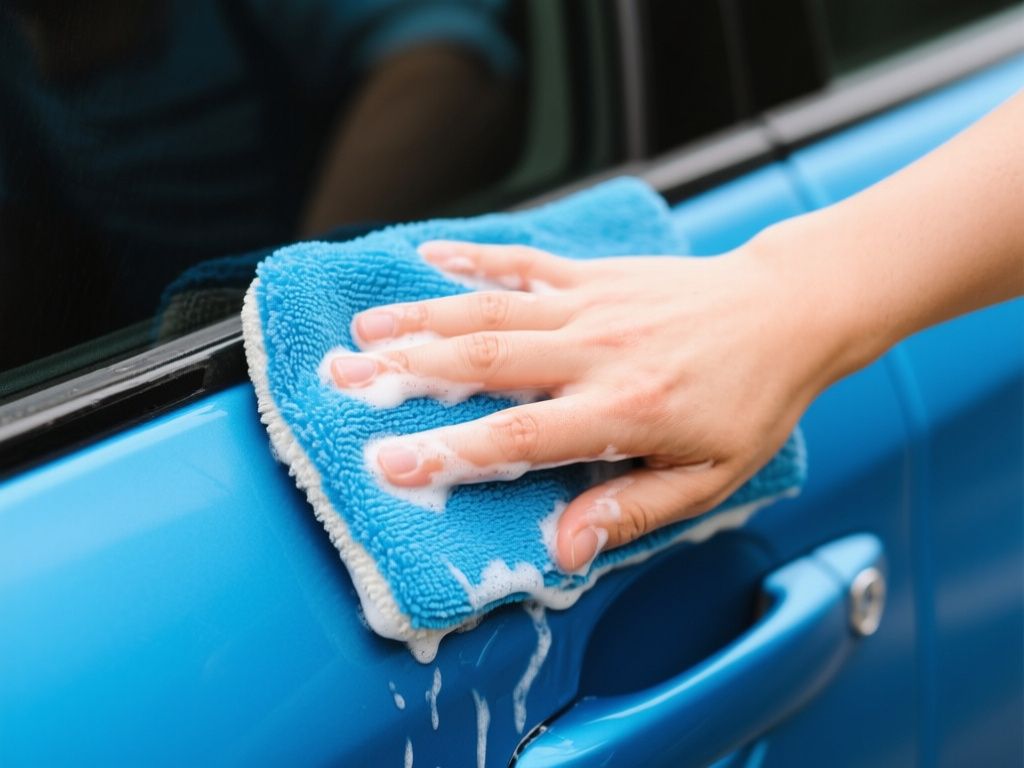
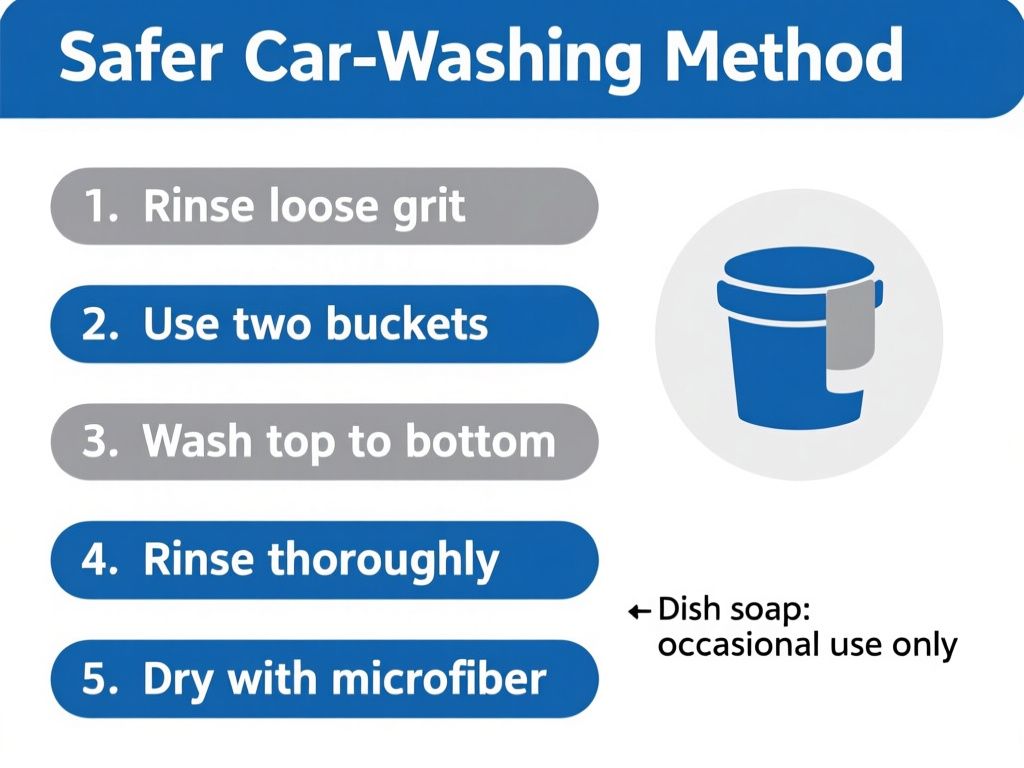
The safest emergency method uses a small amount of dish soap, plenty of water, and a clean microfiber wash mitt. The goal is to reduce friction and prevent the soap from drying on the vehicle.
- Choose a cool, shaded location. Washing in direct sun causes water and soap to evaporate quickly, which can leave spots and streaks. The panels should be cool to the touch.
- Rinse the car first. Use a hose to remove loose sand, dust, and grit. Spend extra time on wheel arches, rocker panels, and the lower doors, where abrasive debris collects.
- Mix a weak solution. Add a small squirt of dish soap to a bucket of water. There is no benefit to making the mixture highly concentrated; extra soap can be harder to rinse and more likely to affect protection.
- Use a clean microfiber mitt. Avoid an old kitchen sponge, stiff brush, or household towel. These can hold grit or have a rough texture that creates fine scratches.
- Wash from the top down. Begin with the roof, windows, and upper panels, then move toward the doors and lower body. The dirtiest areas should be washed last.
- Rinse the mitt often. A second bucket filled with clean water is helpful. Dunk and agitate the mitt after each panel or small section so it releases grit before returning to the soapy bucket.
- Rinse the vehicle completely. Do not allow suds to dry on the paint, plastic, or glass. Soap left behind can form a film and may be difficult to remove after it bakes in the sun.
- Dry gently. Use a clean, plush microfiber drying towel or a low-pressure air blower. Dragging a damp, dirty towel across the finish can leave scratches even after a careful wash.
Wheels should be cleaned with separate tools because brake dust contains abrasive particles. Keep the wheel mitt or brush away from painted body panels, and wash the wheels after rinsing the upper body or before the final body wash.
Can dish soap remove wax from a car?
Dish soap can remove or weaken some wax, but it should not be treated as a guaranteed wax stripper. Results depend on the wax type, the soap formula, dilution, water temperature, and how dirty the surface is.
Evidence that wax protection has diminished includes reduced water beading, less slickness when a clean hand lightly glides over the dry paint, and faster buildup of road film. Those signs do not prove that every trace of protection is gone; they simply indicate that the surface may need fresh protection.
Wax removal is not automatically harmful. Some owners deliberately clean a vehicle before applying a new protective product. The sensible approach is to use a cleaner intended for that purpose, then apply fresh wax or sealant soon afterward rather than leaving bare paint exposed for weeks.
What should I use instead of dish soap?
A pH-balanced car wash soap is the best everyday replacement. “pH-balanced” means the product is formulated near the middle of the acidity-to-alkalinity scale, reducing unnecessary stress on paint, trim, and existing protection when used as directed.
Look for a product that lists automotive paint, clear coats, waxes, sealants, or ceramic coatings on its label. A concentrated formula can be economical because only a small measured amount is needed per bucket. Follow the manufacturer’s dilution instructions rather than guessing.
For light dust, a rinseless wash can reduce water use while providing lubrication. For very light contamination, a waterless wash spray may work, but it requires multiple clean microfiber towels and careful folding. Neither option is appropriate for a heavily muddy vehicle because rubbing thick grit across the paint increases scratching risk.
What other mistakes cause car-washing damage?
Using the wrong tools often causes more visible damage than choosing the wrong soap. Common mistakes include washing with a household sponge, using one bucket for the entire vehicle, wiping in circles with pressure, and reusing towels that contain grit or dried product.
- Skipping the pre-rinse: Dry grit remains on the paint and acts like sandpaper under a mitt.
- Washing in direct sunlight: Fast drying leaves mineral spots and soap residue.
- Using hot water on a hot panel: Rapid evaporation can make spotting worse.
- Scrubbing bird droppings: Soak the area first and lift the softened material gently.
- Using household glass cleaner: Some formulas contain ammonia or solvents that may affect tint, coatings, or trim.
- Letting towels touch the ground: A single embedded pebble can scratch a panel.
Bird droppings, tree sap, and road tar deserve prompt attention because they can bond to or chemically affect clear coat. A dedicated bug-and-tar remover is usually safer than repeated hard scrubbing with dish soap.
Frequently Asked Questions
Can I wash my car with Dawn dish soap?
One occasional wash with diluted Dawn is unlikely to damage a healthy clear coat, but it may remove wax or weaken a sealant. It is not the best product for regular washing because it is designed to cut household grease rather than protect automotive finishes.
Will dish soap scratch car paint?
Dish soap itself is liquid and does not normally scratch paint. Scratches usually come from grit trapped in a sponge, mitt, or towel, combined with pressure during washing. Rinsing first and using clean microfiber tools are more important than creating thick foam.
Can dish soap be used on a ceramic-coated car?
It is better to avoid dish soap on a ceramic-coated vehicle. Strong detergents may reduce the coating’s water behavior or affect maintenance products applied over it. Use a coating-safe car shampoo recommended by the coating manufacturer.
Is dish soap safe for car windows?
Diluted dish soap can clean exterior glass, but it may leave a film if it is not rinsed thoroughly. Use a dedicated automotive glass cleaner for streak-free results, and keep products containing unsuitable solvents away from aftermarket window tint.
Can dish soap remove grease from a car?
Yes, dish soap can cut grease effectively, which is also why it may remove wax. For engine-bay grime, tar, or thick road film, a properly diluted automotive degreaser is usually more appropriate and offers clearer guidance for use on plastic and rubber.
How often should I wash my car?
Many vehicles benefit from washing every two to four weeks, with extra cleaning after salted roads, heavy rain, or exposure to bird droppings and tree sap. The ideal schedule depends on weather, parking conditions, driving distance, and the quality of the vehicle’s protection.
For a one-time emergency wash, diluted dish soap and careful technique are reasonable. For every wash after that, keep a bottle of car wash soap and two clean microfiber mitts on hand; the small extra cost helps preserve the finish you are working to clean.

Olivia
Writer at Helmet Today, covering helmet reviews, fit and riding safety.