A freeride ski helmet should give you deeper coverage at the back and sides than a basic resort helmet, vents you can open for the hike up, and a fit that stays snug worn alone or over a thin beanie. Off-piste terrain means rocks, trees, and unpredictable snow, so coverage and a secure fit matter more than shaving grams — but the helmet still has to be comfortable enough to wear on long climbs and traverses.
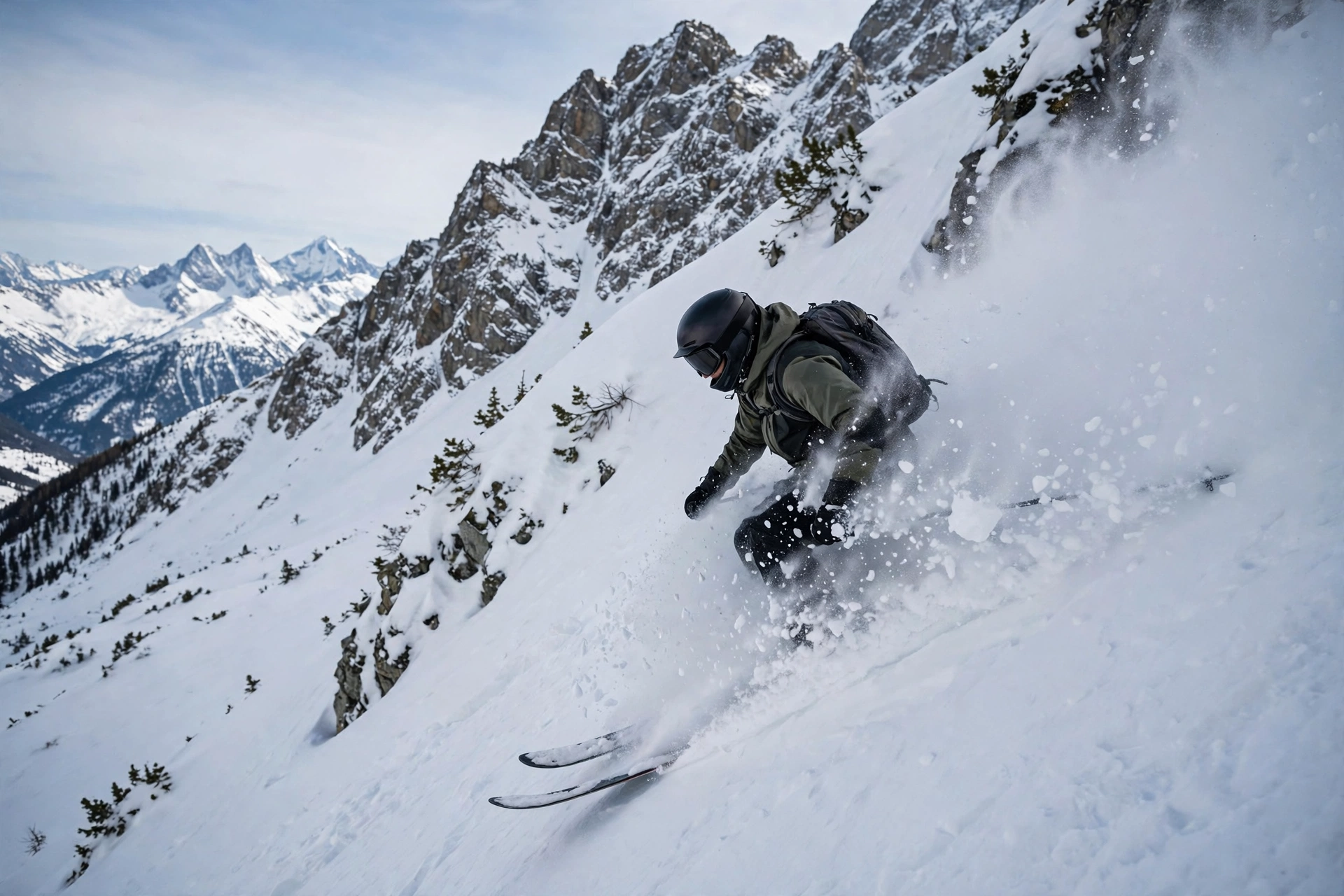
Freeride and off-piste skiing are different from groomed resort laps. You may boot-pack a ridge, drop into a couloir, ski out through tight trees, and hit everything from wind crust to deep powder in a single run. Your helmet needs to handle all of that: real protection for higher-consequence falls, ventilation that works at hiking pace, and a fit that does not change when the weather does.
What Makes a Freeride Helmet Different From a Resort Helmet?
In general terms, a freeride helmet is built around coverage and versatility. The shell typically extends lower at the back of the head and around the temples than a lightweight in-bounds helmet, because off-piste falls are unpredictable — you are as likely to tumble backward or sideways in variable snow as to fall forward on a groomer.
Construction also tends to be tougher. Many freeride models use a hard shell or hybrid build that shrugs off the knocks of travel, chairlift bars, and being clipped to a backpack, where a delicate in-mold shell can ding more easily. The trade-off is a little extra weight, which most freeriders accept in exchange for durability.
The third difference is layering. Freeride helmets are usually designed to fit over a thin beanie or balaclava for cold, windy ridges, and to vent well enough to wear on the climb. A pure resort helmet is often fitted to be worn bare-headed under a hood, and its fit can feel very different once you add layers.
How Much Coverage Do You Need Off-Piste?
Look for a helmet that meets a recognized snow helmet standard — ASTM F2040 in the US or EN 1077 in Europe. Within EN 1077, Class A helmets in general terms cover more of the head, including more protection around the ears and the back of the skull, while Class B allows more ventilation and less coverage. For freeride use, the fuller coverage of a Class A style design is usually the better match.
Beyond the label, check the physical coverage yourself. The helmet should sit low, with the front edge just above your goggles, and the shell should wrap well down behind your ears and at the base of your skull. Those areas matter in the backward and sideways falls that are common in chopped-up off-piste snow.
Rotational protection is worth considering too. Off-piste crashes often involve glancing, angled impacts as you slide or tumble, which is exactly the type of hit that rotational liners are designed to help manage. Our guide to how the MIPS system works explains the idea in plain terms, and many freeride helmets now offer it as standard or as an option.
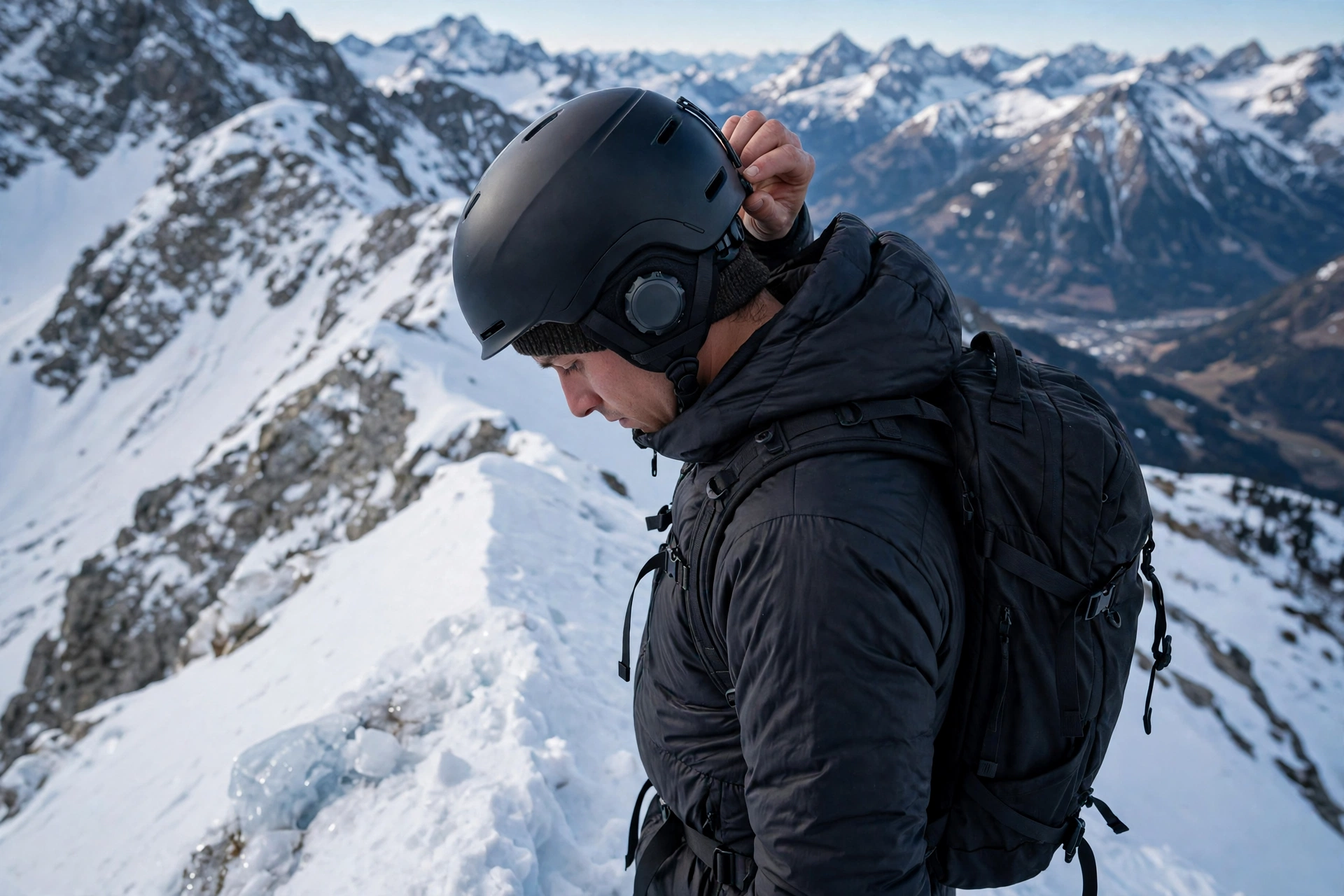
Should a Freeride Helmet Fit Over a Beanie?
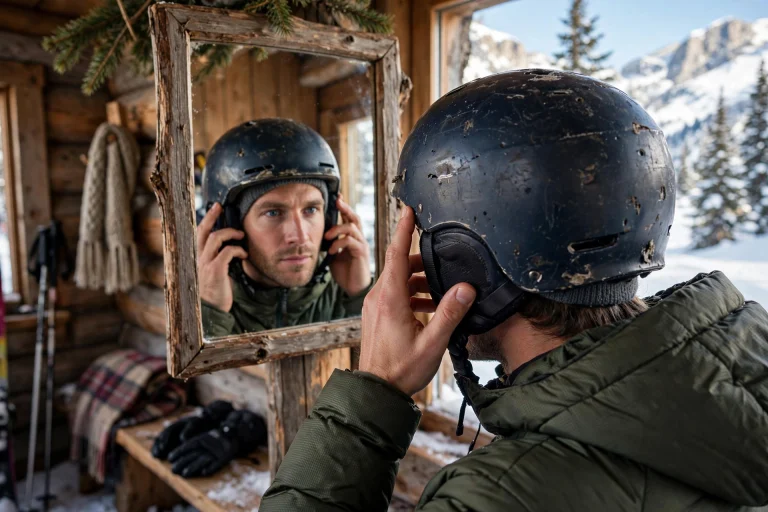
For most off-piste skiers, yes — but fit it that way in the shop, not as an afterthought. Wear the exact thin beanie or balaclava you plan to ski in when you try the helmet on. A helmet that is perfect bare-headed can become painfully tight over a beanie, and one bought “a size up” for a beanie can slop around dangerously on warmer days when you skip it.
A better solution is a helmet with removable ear pads and a good size-adjustment dial. That lets you run the beanie on cold mornings, take the ear pads out, and re-snug the fit with the dial as the day warms up, without changing how the shell sits on your head.
Whatever you wear underneath, avoid thick, bulky hats. Thick layers lift the helmet up, reduce the effective coverage at the back of the head, and compress in a fall. Thin, smooth layers made for use under helmets are the right choice — if the helmet rides high or wobbles with your beanie on, the combination is wrong, not just uncomfortable.
Do Vents Matter When You Hike for Your Turns?
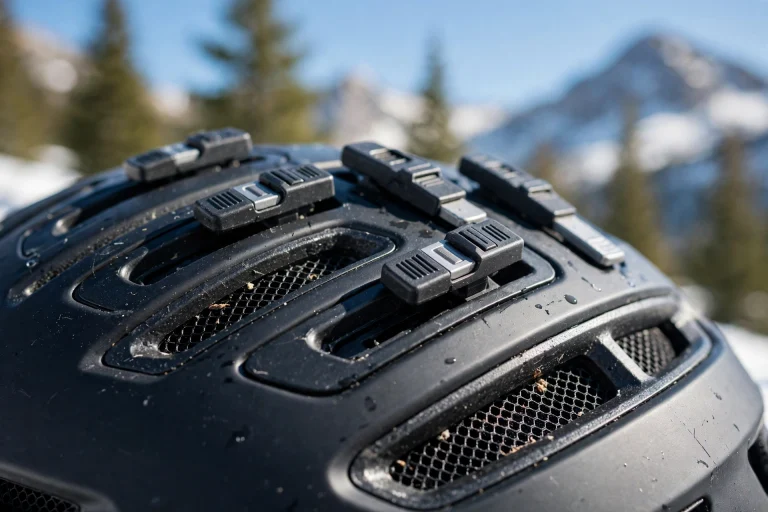
They matter a great deal. On the skin track or a boot-pack, you are working hard at low speed, and a sealed helmet quickly becomes a sweat trap. Adjustable vents you can open fully for the climb and close for a windy summit or a cold descent give a freeride helmet a much wider comfort range than fixed venting.
Look for vent sliders you can operate with gloves on — small, fiddly tabs are miserable with frozen fingers. Some helmets also have a removable liner so you can run a cooler setup in spring conditions. Goggle ventilation matters too: check that your goggles sit flush against the helmet brim, because a gap at the forehead — the classic “gaper gap” — both looks wrong and lets wind and snow blast your skin on the descent.
On really long approaches, some skiers carry the helmet on their pack for the climb and put it on for the descent. If that is your style, check how the helmet clips to your pack and whether the shell tolerates being strapped down. A durable hard-shell or hybrid helmet handles that routine better than a fragile race-style lid.
Which Other Features Should Freeriders Check?
Audio-ready ear pads are popular — drop-in chips let you hear route calls or music at low volume — but keep the volume low enough to hear the mountain and your partners. Headlamp or camera mounts are worth checking carefully: only use mounts the helmet maker approves, and never drill or glue anything to the shell in a way the instructions forbid, since that can compromise its structure.
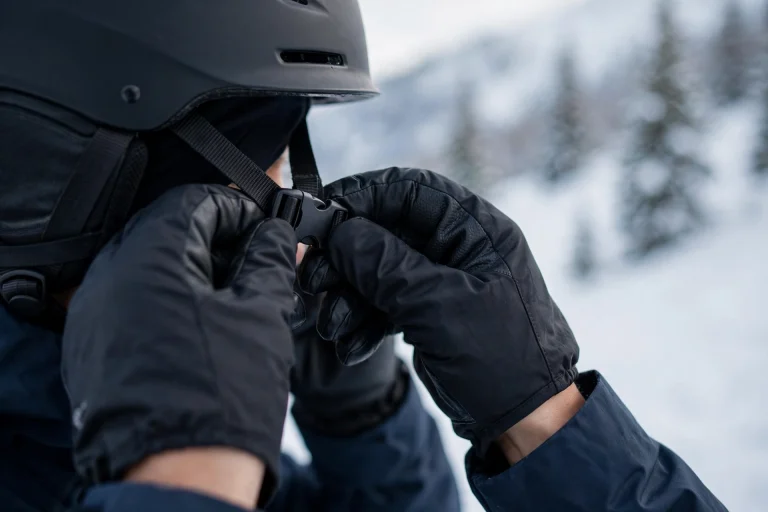
A fidlock-style magnetic buckle that works one-handed with gloves is a small feature you will appreciate daily, and a goggle strap retainer at the back keeps your strap in place through tumbles. Finally, think about replacement: after any significant impact — especially a hit on rock — the helmet should be retired even if the shell looks fine, because the foam underneath does its job by crushing once.
The short version: a freeride helmet is a resort helmet’s tougher, more adaptable sibling. Get the coverage right, fit it with the layers you actually wear, make sure the vents work for the climb, and it will look after you from the ridge to the valley floor.
Frequently Asked Questions
Q: Can I use my regular resort helmet for off-piste skiing?
A: Yes, if it is certified to ASTM F2040 or EN 1077, fits snugly, and covers the back of your head well. A dedicated freeride helmet mainly adds deeper coverage, a tougher shell, and vents that suit hiking — worthwhile upgrades, but a good certified resort helmet is far better than none.
Q: Is a heavier freeride helmet a problem on long tours?
A: In general terms, the extra weight over an ultralight helmet is modest, and most freeriders accept it for the coverage and durability. If you do long climbs, adjustable vents and the option to strap the helmet to your pack for the ascent matter more for comfort than a small difference in grams.
Q: Should I wear a beanie under my ski helmet?
A: Only a thin one, and only if the helmet was fitted with it. Thick hats lift the helmet, reduce coverage, and can make it shift in a fall. Many freeride helmets are designed to work with a thin beanie or balaclava plus removable ear pads, so fit the whole combination in the shop before you buy.

Olivia
Writer at Helmet Today, covering helmet reviews, fit and riding safety.