Yes — in general terms, a white or bright helmet does make you easier for drivers to notice in daylight, because a light-colored helmet contrasts with the road, traffic, and most surroundings. But color works through contrast, not magic: a white helmet that stands out against dark asphalt and green scenery can nearly disappear against snow, a white truck, or a pale sky. Color is one useful layer of visibility, not a substitute for lights, positioning, and riding predictably.
Why Does Contrast Matter More Than the Color Itself?
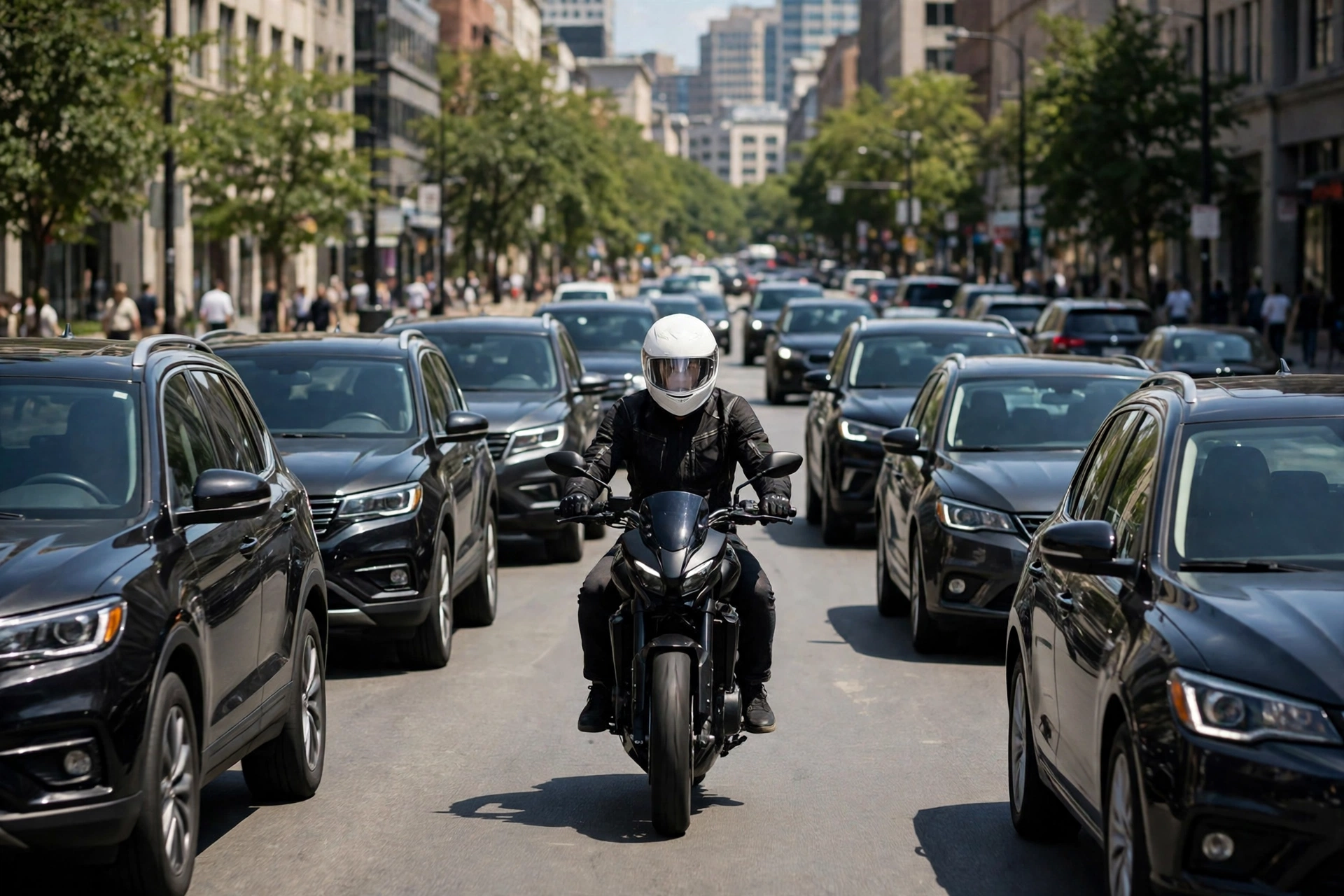
Drivers do not spot objects — they spot differences. A helmet catches the eye when it contrasts with whatever is behind you at that moment: dark trees, gray pavement, red brick, or a line of cars. White and bright yellow-green sit at the light, vivid end of the spectrum, so they contrast with most everyday backgrounds, which are mid-toned or dark. That is why white helmets have a long history with police motorcyclists and riding instructors: against typical street scenery, a bright helmet outlines the rider’s head clearly and makes head movements — like a shoulder check — easier for drivers to read.
The same logic explains the exceptions. Ride past a white delivery truck, a light concrete wall, or snowbanks in winter, and a white helmet blends in exactly the way a black helmet blends into shadow at dusk. No single color wins against every background. Riders who want consistent conspicuity think in terms of contrast against their usual riding environment, and many choose bright colors with reflective or two-tone elements so part of the helmet contrasts even when another part matches the backdrop.
When Does a White Helmet Help Most — and Least?
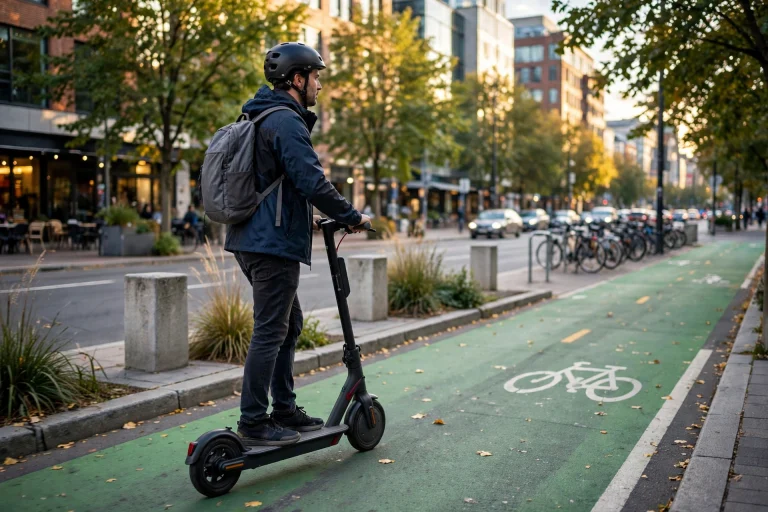
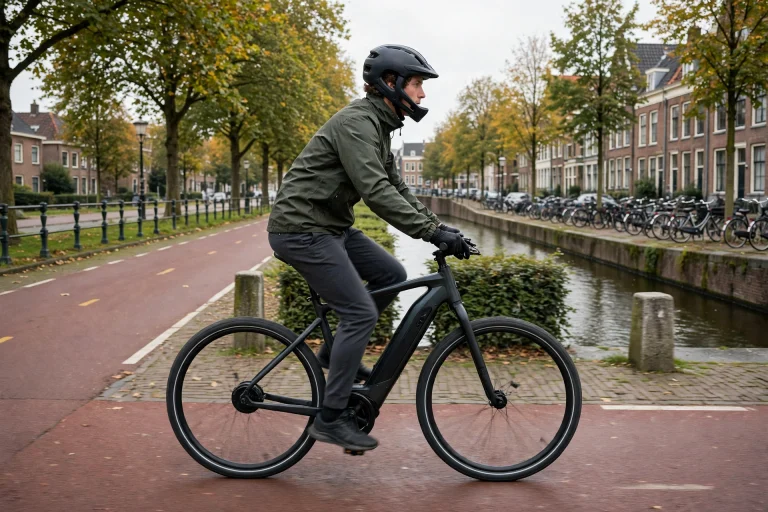
A white helmet helps most in ordinary daytime conditions: urban traffic, overcast days, and mixed scenery where its brightness separates you from the visual clutter. The head is the highest and most mobile part of a rider, so anything that makes it distinctive helps drivers judge your position, speed, and intentions sooner. This matters because many motorcycle and bicycle crashes involve a driver who looked but simply did not register the rider — conspicuity buys those extra fractions of a second.
It helps least at night and in low sun. In darkness, helmet color barely matters because there is little light to reflect passively; what works after dark is active lighting and retroreflective material that returns headlight beams to drivers. Low sun is another weak spot: a bright helmet inside a glare-filled scene is just one more bright shape. In those conditions, your lights, reflective gear, and lane position do the heavy lifting, and the helmet color becomes a minor factor.
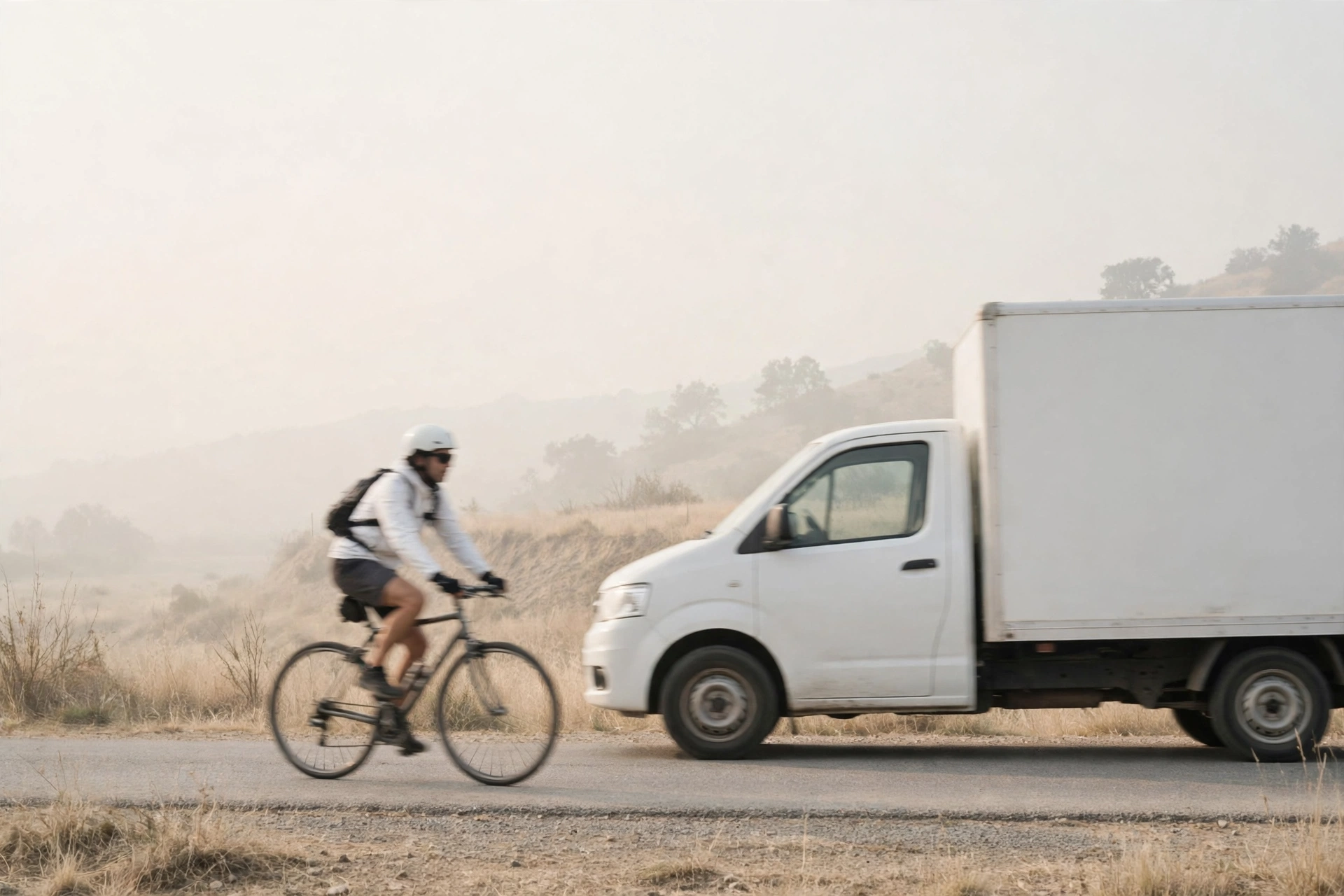
What About Black and Matte Helmets?
Black and dark matte helmets are the most popular styles on the road, and they are also, in general terms, the least conspicuous choice in daylight. A dark helmet against dark pavement or shadow presents very little contrast, and matte finishes scatter light rather than reflecting it, which softens the helmet’s outline further. That does not make a black helmet unsafe by itself — fit, certification, and rider behavior matter far more — but it means a rider in dark gear is asking their lights and road positioning to do all of the visibility work.
If you prefer a dark helmet, you can recover much of the difference with additions: reflective tape or decals made for helmets, a bright or reflective vest or jacket, and lights used day and night. Many riders run a flashing daytime light specifically because a dark helmet and dark bike need an active signal to stand out. Think of visibility as a total package — helmet color is one ingredient, and dark-helmet riders simply need to be more deliberate about the others.
What Else Should You Do Beyond Choosing a Bright Helmet?
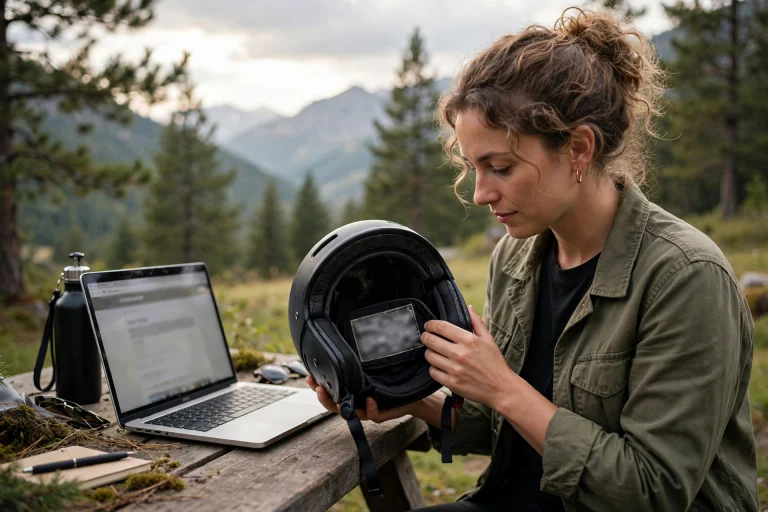
Start with lights. A headlight on at all times (required for motorcycles in most places and smart on any bike), a working taillight, and brake-light visibility do more in mixed conditions than any color choice. Reflective elements on your jacket, gloves, and helmet catch headlights at night. Small details matter too: the comfort and safety systems inside a modern helmet, like the low-friction layers described in our explainer on how MIPS works in helmets, only protect you if the helmet is worn and fitted properly on every ride — including the short, bright-day trips where a white helmet tempts you to feel invincible.
Then ride to be seen. Choose lane positions that keep you out of blind spots and silhouetted against a clear background rather than visual clutter. Cover your brakes approaching intersections, assume the turning driver has not seen you, and make your intentions obvious early. A white helmet helps a driver who is looking; positioning and anticipation protect you from the driver who is not.
So, Should You Choose White for Your Next Helmet?
If visibility is a priority and you mostly ride in daylight in typical traffic, white or a bright color is a sensible, evidence-friendly choice — it costs nothing in protection, weight, or comfort compared with the same model in black. If your riding is mostly at night, prioritize reflective coverage and lighting first, and treat helmet color as a secondary detail. And if you ride in snow country, consider a vivid color like bright yellow or orange that contrasts with white surroundings instead of matching them.
Whatever you choose, do not let color outrank fit. A helmet that fits correctly, carries a genuine certification, and stays comfortable enough to wear every trip protects you more than any color on a helmet that sits in the garage. Pick the brightest version of the helmet that fits you best — that is the practical answer.
Frequently Asked Questions
Q: Is white the most visible helmet color of all?
A: In typical daytime traffic, white and fluorescent yellow-green are among the most conspicuous. But “most visible” depends on the background — against snow or white vehicles, a vivid orange or yellow-green contrasts better. Contrast, not the specific color, is what drivers see.
Q: Does a white helmet help at night?
A: Very little on its own. In darkness, drivers see your lights and any retroreflective material that bounces their headlights back. A white helmet with reflective trim helps; a plain white helmet without it is mostly just a dark shape at night.
Q: I already own a black helmet. Do I need to replace it?
A: No — color alone is not a reason to replace a good helmet. Add helmet-safe reflective decals, wear a bright or reflective layer, and run your lights day and night. When the helmet reaches replacement age anyway, choosing a brighter color is an easy upgrade.

Olivia
Writer at Helmet Today, covering helmet reviews, fit and riding safety.