Welding helmets for underwater and marine work are specialised helmets built to protect the eyes and face from the welding arc while withstanding water pressure, corrosion, and the marine environment — in general terms, standard workshop welding helmets are not suitable for underwater use, and underwater welders use commercial diving helmets with welding visors and shields designed for the job.
Underwater welding sounds like ordinary welding done wet, but it is a different discipline with different equipment. The helmet is part of a diving system, not a standalone workshop tool, and understanding that distinction is essential before anything else.
How Is Underwater Welding Different From Workshop Welding?
The environment changes everything. Underwater welding happens in a pressurised, conductive, corrosive environment where the welder breathes supplied gas, communicates through a diving system, and works in water that conducts electricity and limits visibility. The helmet must therefore be part of a sealed diving helmet, not a flip-up workshop hood.
Wet welding and dry welding are the two main methods. In wet welding, the diver welds directly in the water, using a waterproof electrode and a diving helmet fitted with a welding shield. In dry welding, a sealed chamber or habitat is placed around the work area and the water pumped out, so welding happens in a dry environment — but the welder still reaches the site by diving, and the helmet system must suit both phases.
Visibility is far worse underwater. Water, bubbles, and suspended particles scatter light, and the welding arc itself is harder to see clearly. The helmet’s viewing system must cope with that: a clear, well-sealed visor, good lighting, and a welding filter suited to underwater arc conditions, not a standard workshop shade.
What Does an Underwater Welding Helmet Actually Look Like?
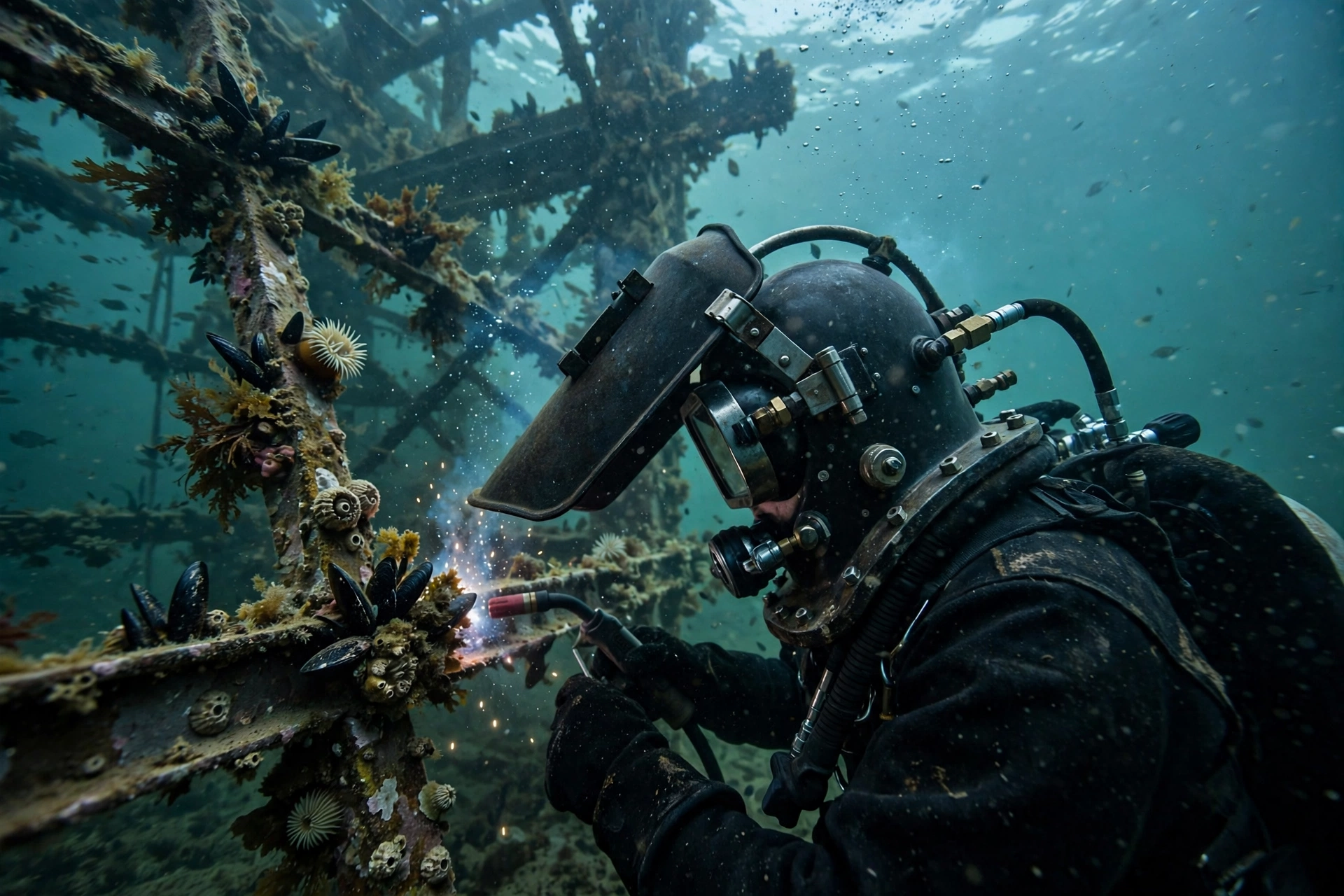
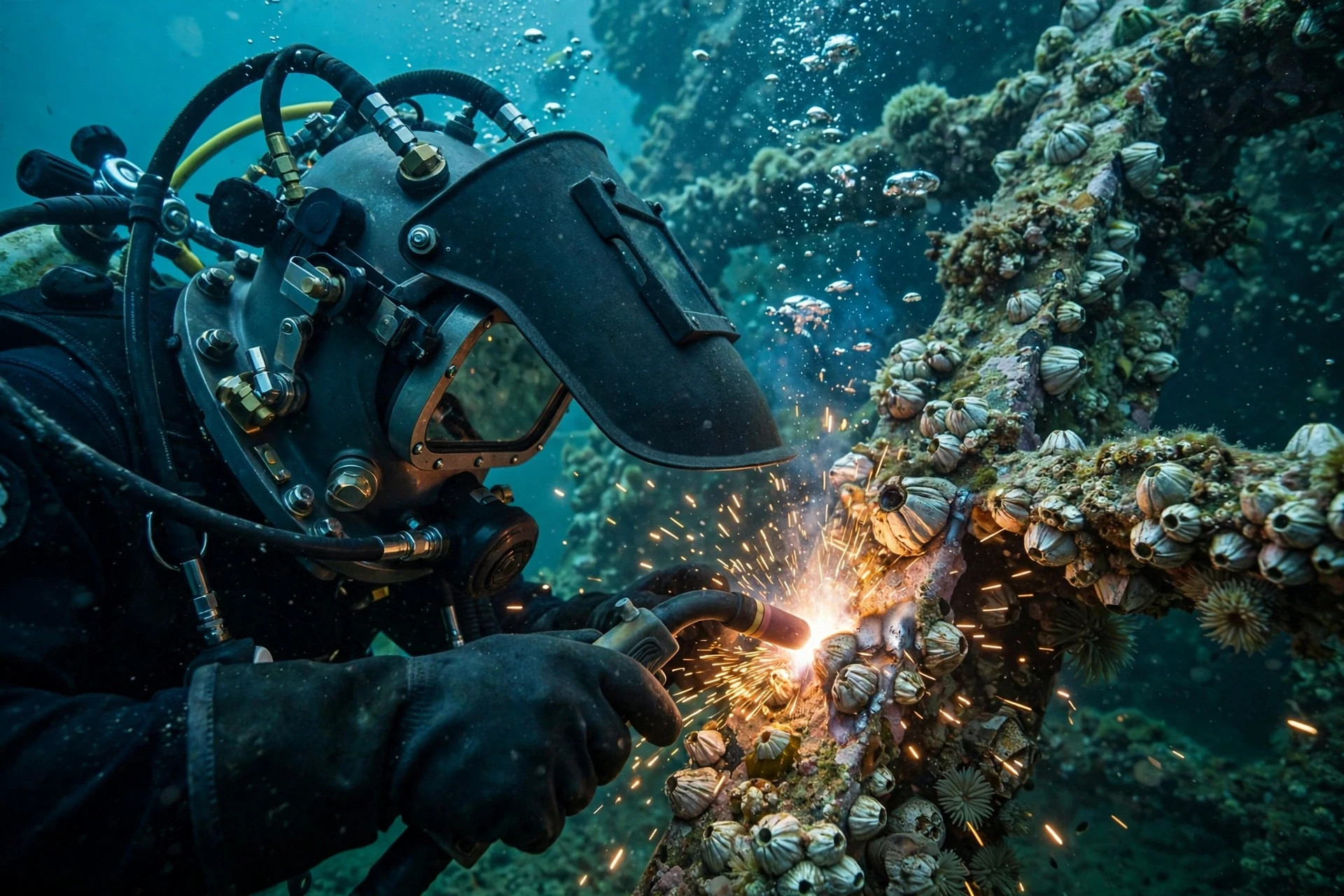
It looks like a commercial diving helmet first and a welding helmet second. The base is a rigid diving helmet — often a metal or composite bonnet with a sealed faceplate — that supplies breathing gas, communications, and head protection, with a welding shield or filter assembly fitted over or in place of the normal faceplate.
The welding filter is the critical addition. It must darken against the arc, resist water and pressure, and stay sealed against the diving helmet’s faceplate. Some systems use a flip-up welding shield mounted on the diving helmet; others use a filter plate fitted into the faceplate itself. Either way, the filter and the seal are designed together, not improvised.
Weight and balance matter more underwater than in a workshop. A diving helmet is heavy, and the welding assembly adds to it, so the helmet’s suspension, neck seal, and weight distribution affect comfort and fatigue over a long dive. A poorly balanced helmet causes neck strain that worsens as the dive goes on.
What Special Risks Does Marine Welding Bring?
Electric shock is the most serious risk. Water conducts electricity, so the welding circuit, the diver’s equipment, and the power supply must be managed to strict procedures — insulated electrodes, proper grounding, and power supplies designed for underwater work. The helmet’s role is to keep the diver’s head and face isolated and protected within that system, not to manage the electrical risk alone.
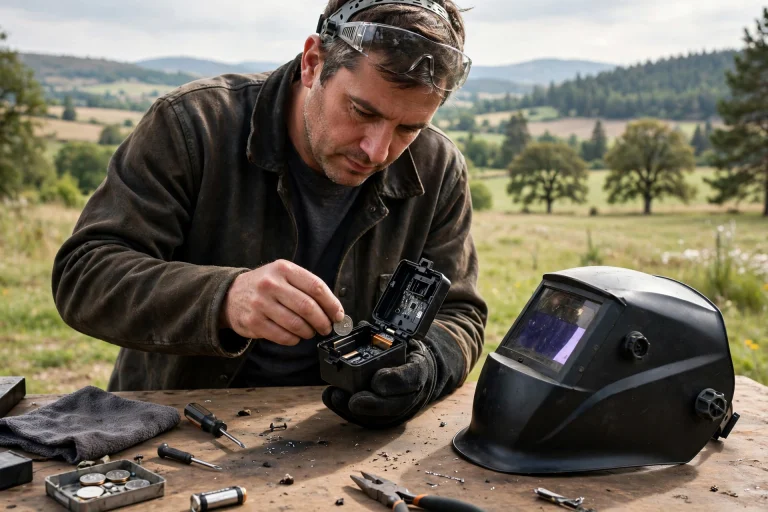
Corrosion and pressure affect the helmet itself. Salt water corrodes metal fittings, pressure stresses seals and faceplates, and repeated dives wear components faster than workshop use. Marine welding helmets therefore use corrosion-resistant materials and seals rated for depth, and they are inspected and maintained far more rigorously than workshop hoods.
Gas and bubbles are a further hazard. Welding underwater generates gases, including hydrogen and oxygen mixtures that can accumulate, and the diver’s breathing gas supply must be managed alongside the welding process. The diving helmet’s gas system and the welding operation are planned together, by trained teams, not by the welder alone.
Can You Use a Normal Welding Helmet for Marine Work Above Water?
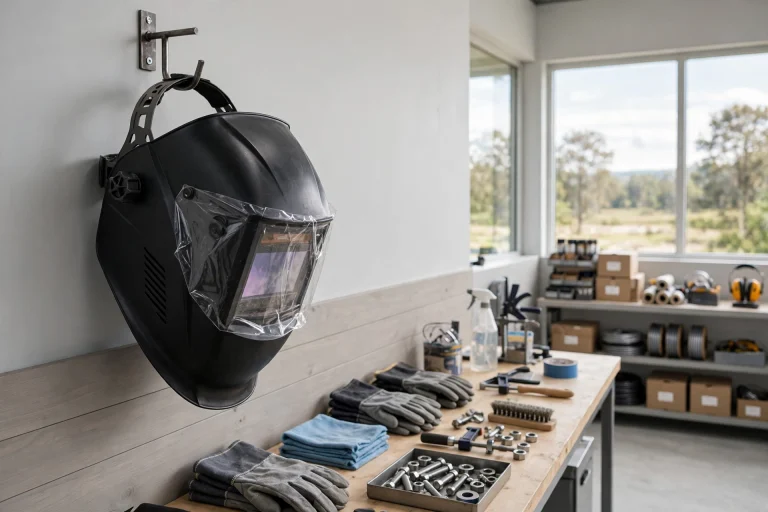
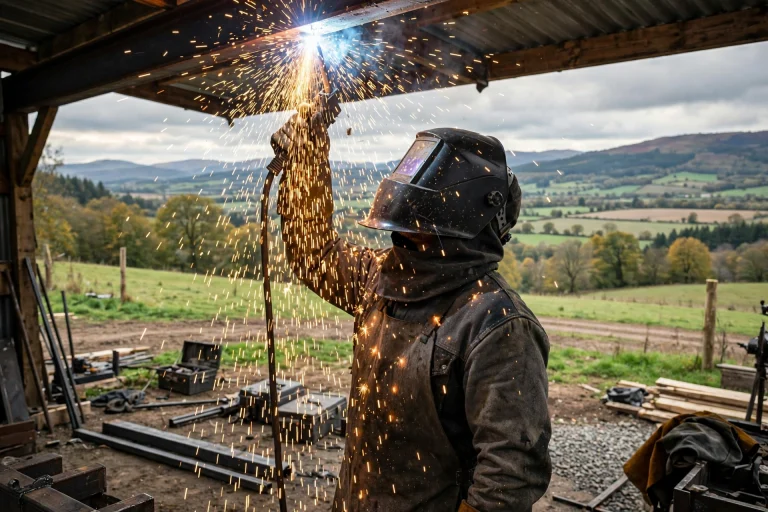
For topside marine work — welding on a ship’s deck, a dock, or a structure above the waterline — a standard welding helmet is, in general terms, appropriate, provided it suits the welding process and conditions. The marine environment still matters: salt air corrodes, wind affects shielding gas, and the work may be outdoors in weather, so a helmet with good coverage and a reliable auto-darkening filter is worth choosing.
For work at the waterline or in splash zones, extra care is needed. Electrical safety, footing, and protection from spray all matter, and the helmet should be part of a broader safety plan that includes the work area, not just the welding itself. If any part of the welder’s body may enter the water, standard workshop equipment is no longer enough.
For any work actually underwater, the answer is clear: only commercial diving equipment, operated by trained commercial divers under a diving contractor’s procedures, is appropriate. No workshop helmet, however good, is a substitute for a diving helmet system.
What Training and Standards Apply?
Underwater welding is a commercial diving activity, not an extension of workshop welding. Divers train as commercial divers first, then specialise in underwater welding, and work under diving regulations, contractor procedures, and industry standards that govern equipment, gas supply, communications, and emergency procedures.
Equipment standards reflect that. Diving helmets, umbilicals, gas panels, and welding power supplies for underwater use are built and tested to diving and marine standards, not workshop standards — and a helmet that meets a workshop welding standard has not thereby been shown suitable for diving.
If you are considering marine welding work, the route in is through commercial diving training and a diving contractor, not through buying a helmet. The helmet is one component of a system that includes training, supervision, and procedures, and it only makes sense within that system — just as, in any helmet discipline, the protection explained in this guide to what MIPS is for helmets only works as part of a correctly fitted, correctly used system, not as a standalone purchase.
Frequently Asked Questions
Q: Can I weld underwater with my workshop auto-darkening helmet?
A: No — a workshop helmet is not sealed, pressurised, or designed for diving, and it cannot supply breathing gas or communications. Underwater welding requires a commercial diving helmet with a welding shield, operated by trained divers under diving procedures.
Q: What is the difference between wet and dry underwater welding?
A: In wet welding, the diver welds directly in the water using waterproof electrodes and a diving helmet with a welding shield. In dry welding, a sealed habitat is placed around the work and the water pumped out, so welding happens in a dry chamber — but the welder still dives to reach it.
Q: Is topside marine welding different from workshop welding?
A: In general terms, the helmet requirements are similar for work above the waterline, but salt air, wind, and weather affect the work, so a robust helmet with a reliable filter and good coverage is worth choosing, and the broader site safety plan must account for the marine setting.

Olivia
Writer at Helmet Today, covering helmet reviews, fit and riding safety.