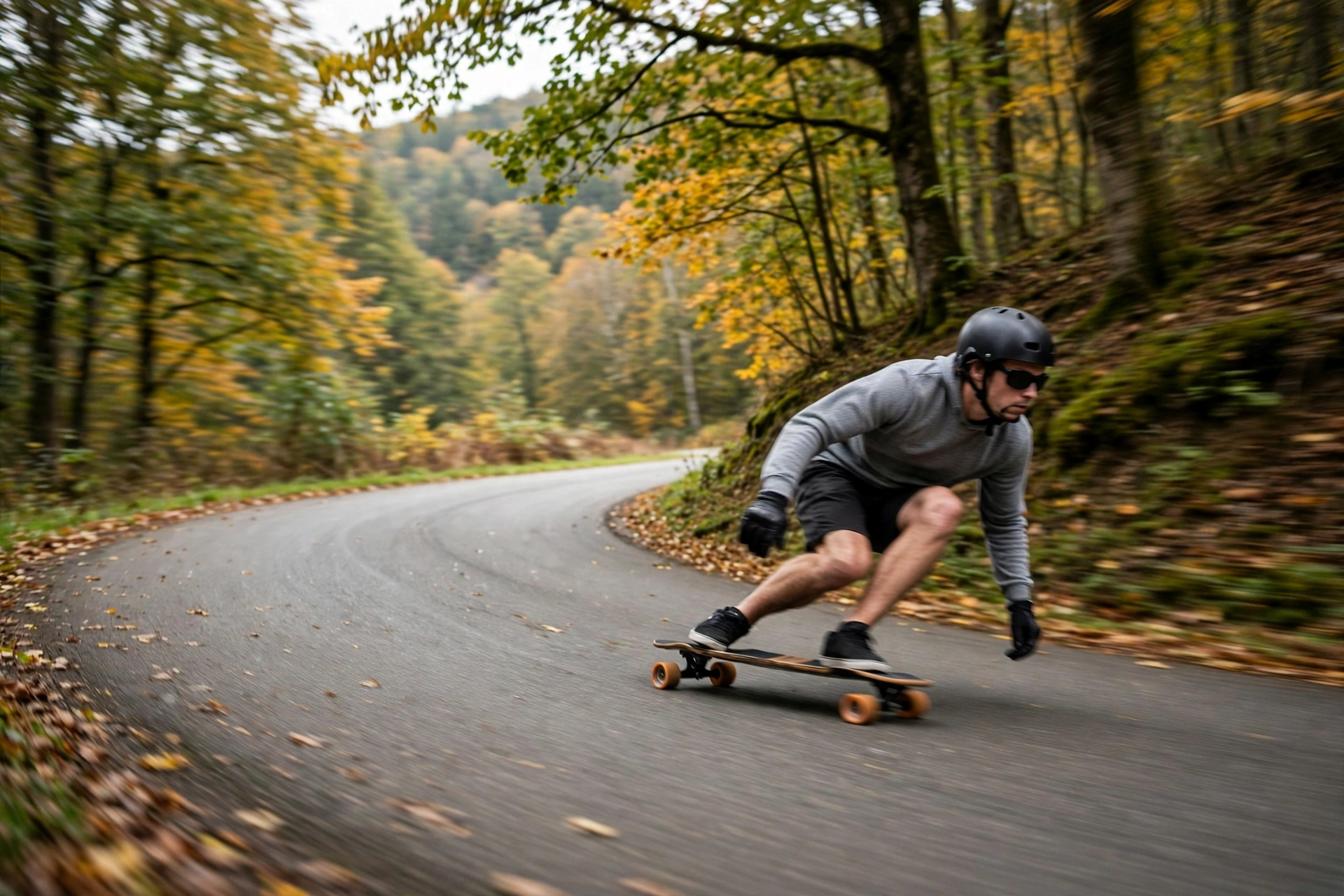
Yes, you need a helmet for longboarding. Even a gentle cruise can end in a fall, and a longboard rolls faster than most beginners expect, so your head can hit the ground before you have time to react. In general terms, a helmet is the single most useful piece of protection for any kind of longboarding, from pushing along a flat path to carving down a hill.
Longboarding looks relaxed, and that is part of the appeal. There is no engine, no traffic lane, and often no obvious danger. But a pebble, a crack in the pavement, a patch of wet leaves, or a car pulling out of a driveway can stop a board in an instant while your body keeps moving. A helmet does not prevent the fall, but it gives your head a layer of protection when the fall happens.
Why Does Longboarding Carry More Risk Than It Looks?
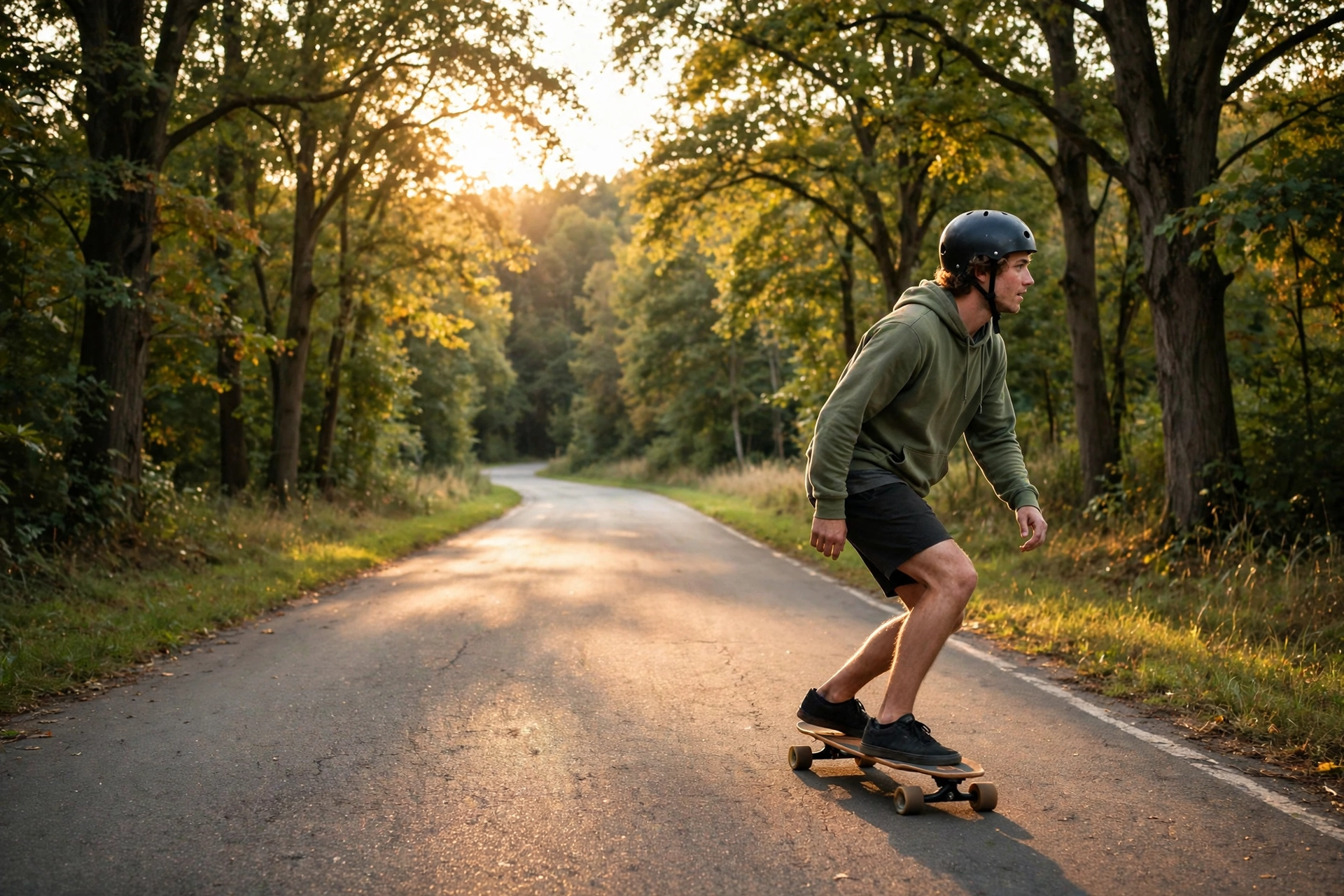
Speed is the main reason. A longboard has large, soft wheels that roll easily, so it picks up speed quickly on even a slight slope. Many riders are surprised by how fast they are going, because there is no speedometer and no engine noise to warn them. At higher speeds, a fall covers more ground and the impact is harder.
The riding position adds to the risk. You stand sideways on a moving board with nothing to hold on to, and your feet are not strapped in. When the board stops suddenly, you are thrown forward or sideways, and your hands and knees usually hit first. If you cannot break the fall cleanly, your head can follow.
Surroundings matter too. Longboarders share paths with walkers, dogs, cyclists, and sometimes cars. A pedestrian stepping out without looking, or a car turning across a bike lane, can force a sudden swerve or stop. A helmet will not solve those situations, but it reduces what is at stake when they go wrong.
What Kind of Helmet Suits Longboarding Best?
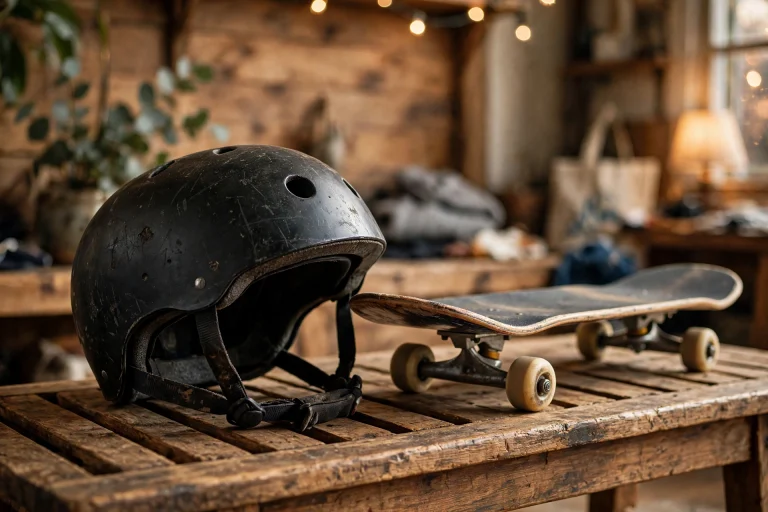
A skate-style helmet is the usual choice for longboarding. It has a hard outer shell and a foam liner, sits low over the back of the head, and covers the sides well. Many are certified for skateboarding, which involves repeated smaller impacts, while others carry a bicycle certification as well. Either type is far better than no helmet, but a dual-certified helmet gives you more flexibility if you also cycle.
For faster downhill riding, some riders prefer a full-face helmet, which also protects the jaw and chin. That extra coverage comes with more weight and less airflow, so it is not necessary for relaxed cruising or commuting. Match the helmet to how you actually ride: a half-shell skate helmet for cruising and carving, and a full-face helmet if you regularly ride steep hills at speed.
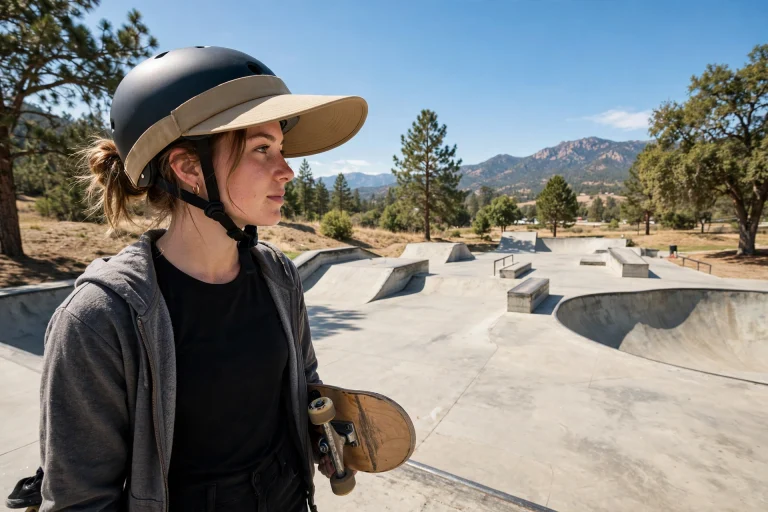
Fit matters more than the brand or the price. A helmet should sit level on your head, low on your forehead, and snug enough that it does not wobble when you shake your head. If it slides around, it cannot protect you properly. Some helmets include extra padding or a dial at the back to fine-tune the fit, which is worth using.
When Is a Helmet Most Important on a Longboard?
A helmet matters on every ride, but it matters most when speed, traffic, or unfamiliar ground is involved. Downhill runs, busy shared paths, evening rides in low light, and any session where you are learning a new skill all raise the chance of a fall. These are exactly the moments when riders sometimes skip a helmet because they only plan a short ride.
Short rides deserve the same habit. Most falls happen close to home, on familiar streets, during ordinary riding rather than dramatic tricks. Making the helmet part of your routine, like picking up the board itself, removes the decision entirely. Keep it by the door with your board so you never have to go back for it.
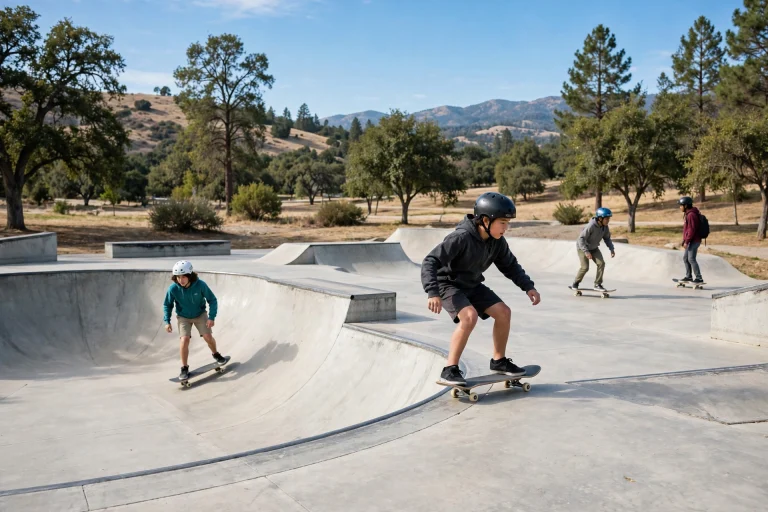
Group rides are another moment to stay strict. It is easy to feel safer in a group, but a group also means more boards, more speed changes, and more chances of someone stopping suddenly in front of you. If everyone in the group wears a helmet, it also sets the standard for newer riders joining in.
How Should a Longboard Helmet Fit?
Start with size. Measure around your head just above your eyebrows and ears, and compare that number with the maker’s size chart. A helmet that is too large will rock from side to side, while one that is too small will sit high on your head and leave your forehead exposed. Neither will protect you well in a fall.
Once the size is right, adjust the straps so they form a snug V under each ear, and tighten the chin strap until you can fit no more than two fingers beneath it. The helmet should stay in place when you open your mouth wide or shake your head gently. If you are choosing between models, it is worth learning what MIPS for helmets means, since some longboard helmets include this slip layer designed to reduce rotational forces in certain angled impacts.
Check the fit again after a few rides. Padding settles and straps stretch slightly, so a helmet that felt perfect on day one may need a small adjustment. Also check the fit if you start wearing a beanie or hood underneath in colder weather, since extra layers change how the helmet sits.
What Else Protects You Besides the Helmet?
A helmet protects your head, but your hands, wrists, and knees take most falls first. Slide gloves are popular with longboarders because they let you put a hand down to slow a slide without skinning your palm. Knee and elbow pads are also sensible when you are learning, riding hills, or practising slides.
Good shoes matter more than riders expect. Flat-soled skate shoes grip the board better than running shoes, which helps you stay on the board and step off safely. Bright or reflective clothing helps drivers and other path users see you, especially at dusk. None of this replaces a helmet, but together these habits lower the cost of the falls that every rider eventually has.
Frequently Asked Questions
Q: Do I legally have to wear a helmet for longboarding?
A: In general terms, rules vary by place and by the type of path or road, and some areas require helmets for board sports while others do not. Check your local rules before you ride, but wear a helmet either way, since the safety case does not depend on the law.
Q: Can I use my bike helmet for longboarding?
A: Yes, a bike helmet is much better than no helmet, although a skate-style helmet usually sits lower and covers more of the back of the head. If you ride both, a dual-certified helmet is a practical compromise.
Q: When should I replace my longboard helmet?
A: Replace it after any hard impact, even if the damage is not visible, and also when the padding is worn out, the straps are frayed, or the fit has become loose. In general terms, a helmet that has served for several years of regular riding is due for a fresh look.

Olivia
Writer at Helmet Today, covering helmet reviews, fit and riding safety.