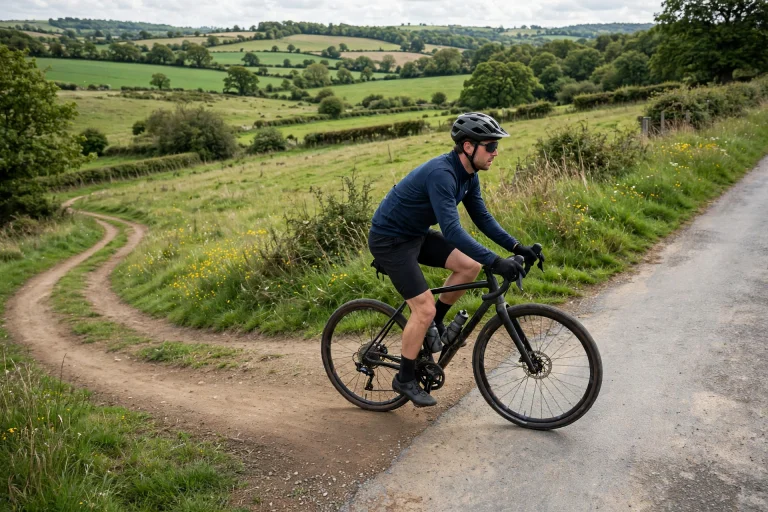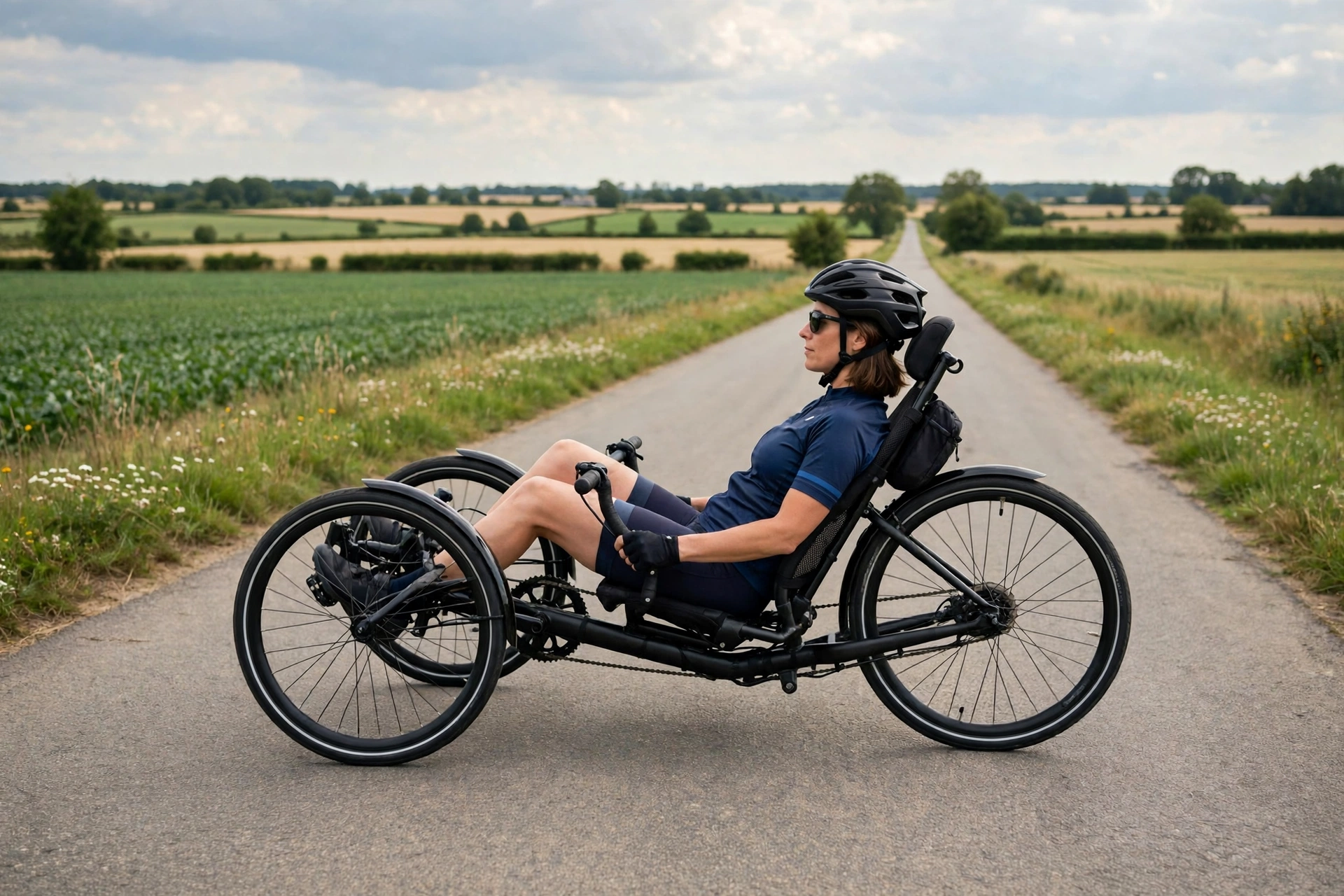
Yes, your position on a recumbent trike changes the helmet choice, in general terms: a recumbent rider sits low and reclined, so a helmet with good rear coverage, a low profile, and a comfortable fit against a headrest suits the position best. A standard road helmet can still work, but a helmet designed for the reclined position is often more comfortable, because it does not press against the seat or headrest.
Recumbent trikes are different from upright bikes in almost every way: the rider sits in a seat rather than on a saddle, the legs pedal forward rather than down, and the head rests against a headrest or sits just above the seat back. This guide explains how that position changes what to look for in a helmet.
How Does the Recumbent Position Change Helmet Fit?
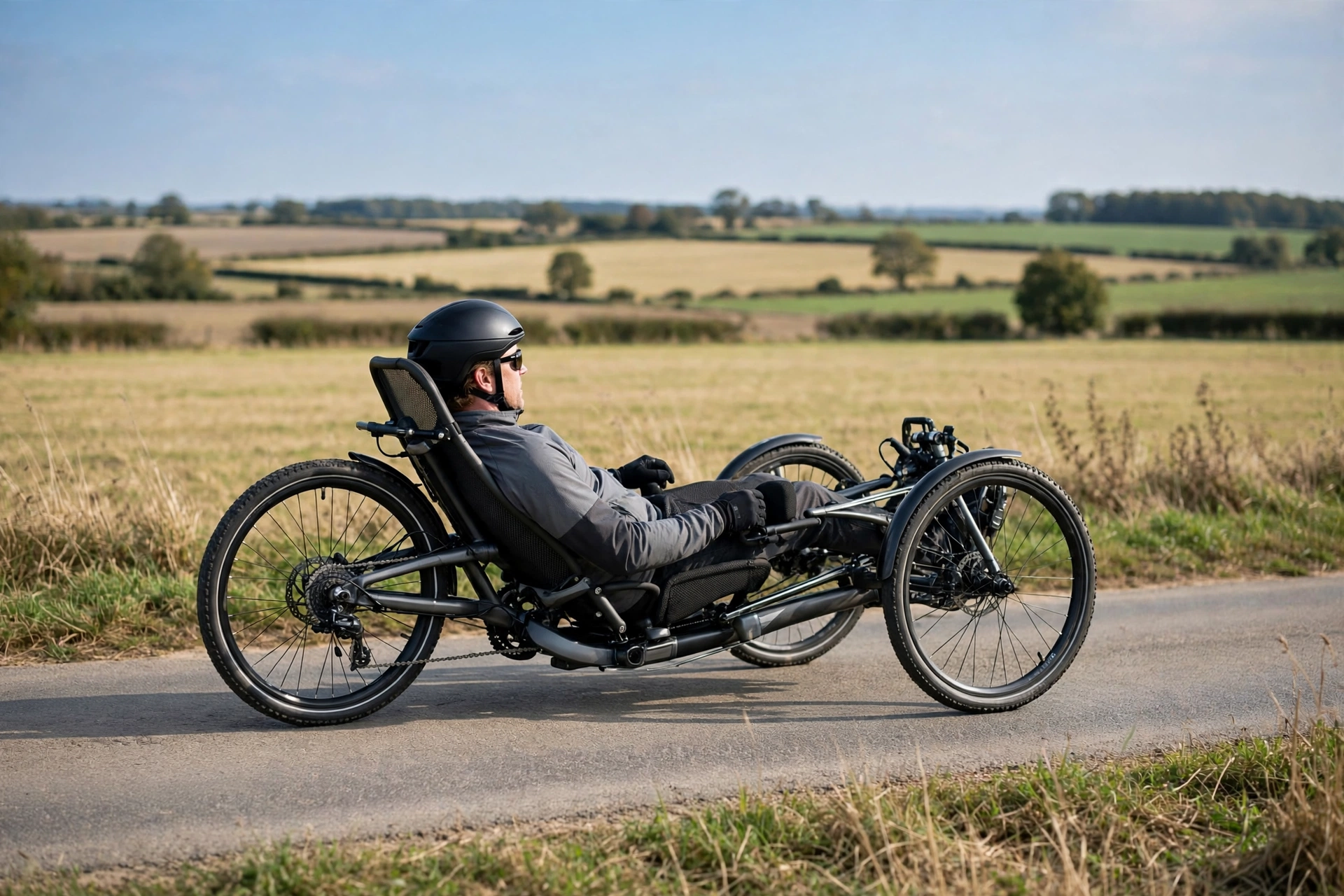
On an upright bike, your head is tilted forward and the helmet sits level while you look ahead. On a recumbent trike, your head is upright or slightly reclined, resting against a headrest or the top of the seat. That changes how the helmet meets the seat: a helmet with a bulky rear, a large dial, or a shape that sticks out at the back can press against the headrest and push the helmet forward.
The result is a helmet that feels uncomfortable after a short time, or one that slowly slides forward as you ride. In general terms, a helmet with a flatter, lower-profile rear suits a recumbent position better, because it sits closer to the head and leaves room for the headrest.
Fit still follows the usual rules: the helmet should sit level, cover the forehead, feel snug without pressing, and stay put when you shake your head. But on a recumbent trike, test the fit while sitting in the trike itself, not just standing in a shop. Sit in the seat, lean back against the headrest, and check whether the helmet presses, tilts, or shifts.
Does a Recumbent Trike Rider Need as Much Ventilation?
Ventilation matters, but in a different way. A recumbent rider sits low, close to the road, where the air is warmer and dustier, and the reclined position means less air flows over the top of the head than on an upright bike. Good vents still help, but the pattern of airflow is different, and a helmet that relies on fast forward speed for cooling may feel warm at the slow speeds of a trike.
Look for a helmet with vents that work at low speeds — large front vents and clear channels that move air across the head even when you are riding gently. Padding matters too: thin, quick-drying pads stay more comfortable than thick pads that soak up sweat on a long, slow ride.
Sun protection is a bigger factor on a recumbent trike. You sit low and face the sky more directly, so the sun hits your face and helmet for longer. A light-coloured helmet absorbs less heat, and a small peak or a pair of sunglasses helps shade your eyes. If you are learning about helmet technology, reading about what MIPS is for helmets can help you understand one of the features you may see listed on recumbent helmets.
Should a Recumbent Trike Rider Choose Extra Rear Coverage?
In general terms, extra rear coverage is a sensible choice for a recumbent rider. You sit low, close to the ground, and a fall from a trike is usually a low, sideways tip rather than a high-speed crash. A helmet that covers the back of the head well protects the part of the head most likely to meet the ground in that kind of fall.
The trade-off is that a deeper helmet can feel warmer and may press more against the headrest. The best compromise is a helmet with good rear coverage but a smooth, low-profile back that does not stick out. Try it in the trike before buying, and check that the rear of the helmet clears the headrest when you lean back.
A full face helmet is not usually the right choice for a recumbent trike. It is heavier, warmer, and more restrictive than the riding needs, and it limits hearing and peripheral vision, which matter when you sit low in traffic and need to hear and see other road users. An open-face helmet with good rear coverage is the more practical option.
What About Visibility on a Low Trike?
Visibility is a real concern for recumbent trike riders. You sit much lower than other road users, so drivers may not see you as easily, especially in traffic or at junctions. A bright-coloured helmet helps, because it puts a visible, moving object at a height where drivers are looking.
Reflective details on the helmet add to that effect in low light. Many riders also use a flag on the trike and lights on the bike, and a bright helmet works alongside those rather than replacing them. If you are choosing between two helmets that are otherwise equal, pick the brighter one.
Your position also affects what you can see. On a trike, you look up at traffic rather than across at it, so a helmet with a peak that blocks your upward view can be a problem. Check that any peak sits high enough to shade your eyes without cutting off your view of the road ahead.
How Do You Test a Helmet for a Recumbent Trike?
Test the helmet in the trike, not just in a shop mirror. Sit in the seat, lean back, and pedal for a few minutes if you can. Check that the helmet does not press against the headrest, does not slide forward, and does not make your neck ache. A helmet that feels fine standing up can feel very different when you are reclined.
Ride over a bumpy stretch and check the fit again. A helmet that shifts on rough ground is a distraction, and on a trike you cannot easily reach up and adjust it while riding. If the helmet moves, try a different size or a different model with a flatter rear.
Finally, check that the helmet works with anything else you wear, such as sunglasses or a thin cap. On a recumbent trike, sunglasses are almost essential in bright sun, so make sure they sit comfortably with the helmet and do not press against your temples.
Frequently Asked Questions
Q: Can I wear a normal road helmet on a recumbent trike?
A: In general terms, yes, if it fits well and does not press against the headrest. A standard road helmet that meets a recognised safety standard is a sound choice, but a low-profile helmet with good rear coverage is often more comfortable in the reclined position.
Q: Do recumbent trike riders need a helmet at all?
A: In general terms, yes, a helmet is a sensible choice. You sit low and close to the ground, but a tip or a collision can still injure your head. A properly fitting helmet gives protection that is worth having on every ride.
Q: Is a full face helmet better for a recumbent trike?
A: Not usually. A full face helmet is heavier and warmer than the riding needs, and it limits hearing and vision. An open-face helmet with good rear coverage suits most recumbent trike riding better.

Olivia
Writer at Helmet Today, covering helmet reviews, fit and riding safety.