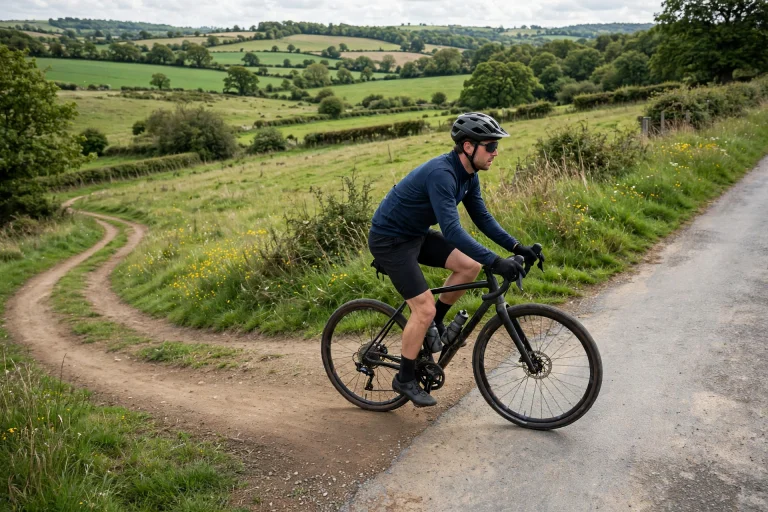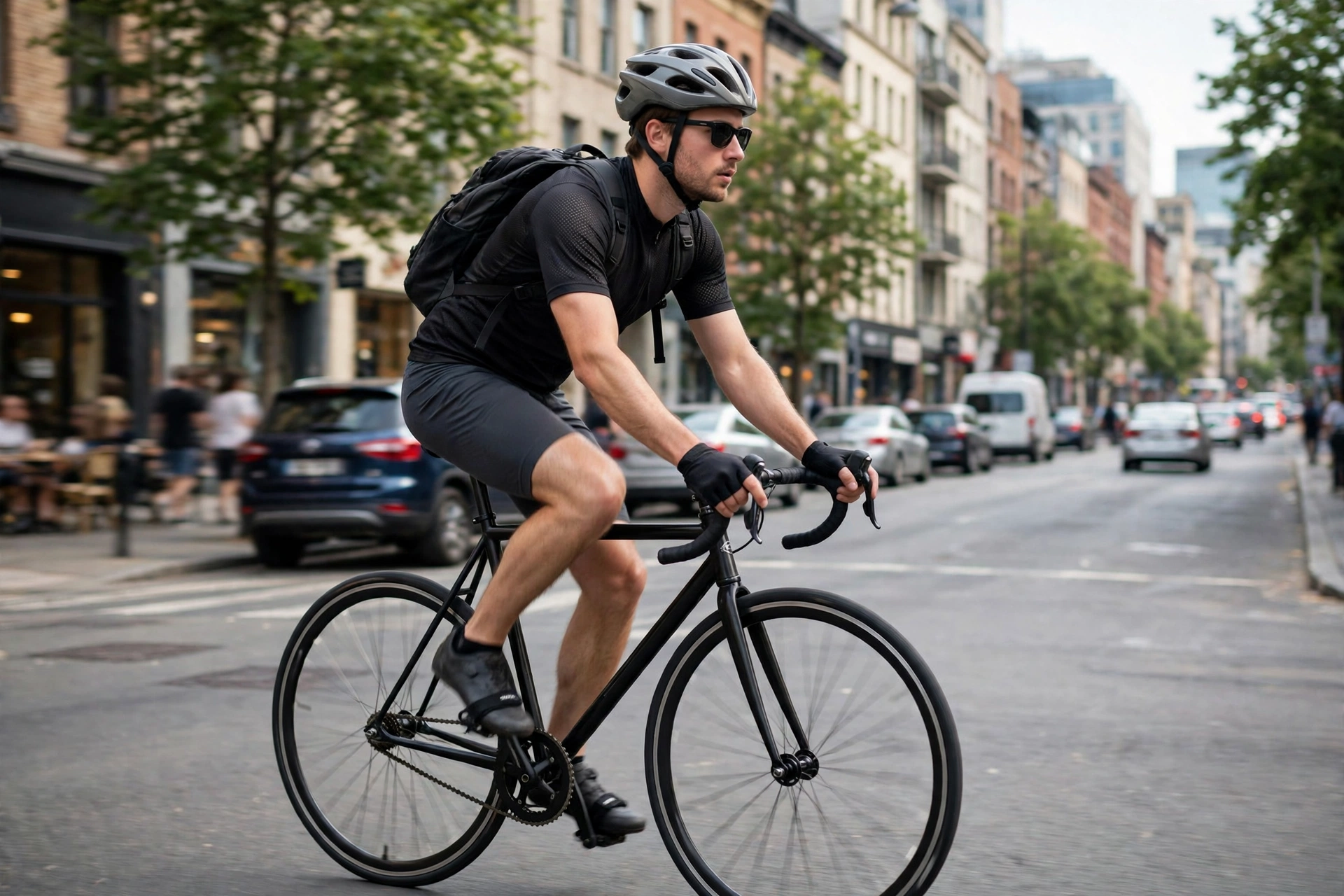
In general terms, a fixed gear bike does not need a special type of helmet — a well-fitting road or urban cycling helmet that meets a recognised safety standard is the right choice. What matters most is how the helmet fits, how well it ventilates, and how visible it keeps you in traffic, because fixed gear riding usually means city streets, frequent stops, and no coasting to rest your legs.
Fixed gear riders spend a lot of time at moderate speeds in traffic, scanning for cars, pedestrians, and potholes. A helmet that pinches, overheats, or slides around will distract you at exactly the moments you need to concentrate.
Do Fixed Gear Riders Need a Different Helmet?
No, there is no helmet made only for fixed gear bikes, and you do not need one. A standard road cycling helmet is designed for the speeds and riding position of a drop-bar bike, which is close to how most fixed gear bikes are set up. An urban or commuter helmet can also work well, especially if it offers a little more coverage at the back and sides of the head.
What is different about fixed gear riding is the context rather than the crash. You are usually riding in traffic, at speeds that vary constantly, and you cannot freewheel. That means your helmet needs to stay comfortable and secure through stop-start riding, and it needs to work with the way you look around. A helmet with a wide field of vision and a shape that does not block your peripheral view helps when you are checking over your shoulder before turning or changing lanes.
Look for a helmet that meets a recognised bicycle helmet safety standard for your region, and check the label inside the helmet to confirm which standard it meets. A helmet that looks the part but lacks certification is not a bargain, whatever style it comes in.
What Should a Fixed Gear Helmet Fit Like?
Fit is the single most important factor, and it is worth taking time over. The helmet should sit level on your head, low enough to cover your forehead, without tilting back. It should feel snug all around, with no pressure points that throb after a few minutes, and it should not rock from side to side or slide forward when you shake your head.
Use the retention system at the back of the helmet to fine-tune the fit. Most modern helmets have a dial or cradle that tightens around the back of your head. Adjust it so the helmet stays put without squeezing. Then fasten the chin strap so it sits snugly under your chin, with the side straps forming a neat V around your ears. A helmet with a loose strap can come off in a crash, which defeats the purpose of wearing one.
Try the helmet on with anything else you wear on the bike, such as glasses or a cap, before you commit. Sizing varies between makers, so a size label is only a starting point — always try before you buy if you can. If you ride with headphones or earbuds, check that the helmet does not press them painfully into your ears, and remember that being able to hear traffic matters for safety in the city.
How Much Ventilation Does a Fixed Gear Helmet Need?
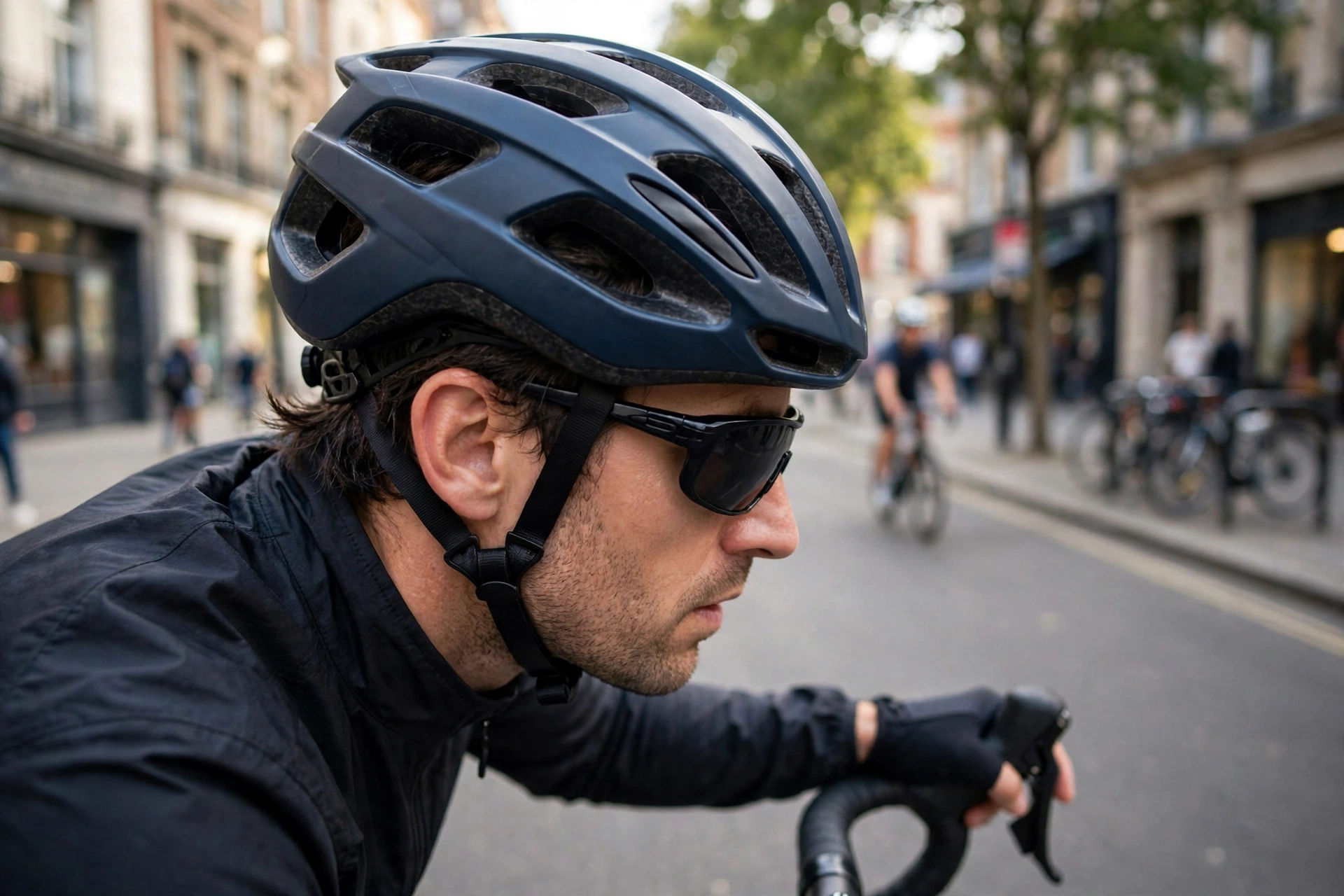
Fixed gear riding is a workout, even on flat ground, because your legs never stop turning. That means you will sweat, and a helmet with poor airflow will feel hot and uncomfortable within minutes. Look for a helmet with plenty of vents and internal channels that move air across your head as you ride. In general terms, more and larger vents usually mean better cooling, though very large vents can let in more rain and cold air in winter.
Ventilation matters even at city speeds, because you are working hard and stopping often. A helmet that relies on speed for airflow can feel stuffy at traffic lights. Road helmets tend to ventilate better than heavy urban helmets, which is one reason many fixed gear riders choose them.
Padding plays a part too. Removable, washable pads soak up sweat and keep the helmet comfortable, and they are easy to rinse out after a sweaty commute. Check that replacement pads are available for the model you choose, because pads wear out faster than the shell.
Should a Fixed Gear Helmet Have a Visor or Peak?
Most road helmets have no peak, and for fixed gear riding on the road that is usually fine. A peak can help in rain or low sun, but it can also catch the wind and limit your upward vision when you are in a low, tucked position. If you ride mostly on the road, a helmet without a peak gives you the clearest view ahead.
Some urban helmets come with a small brim or a detachable peak, which can be a useful compromise in bright sun or heavy rain. If you choose one, make sure it does not sit so low that it blocks your view when you look up at traffic lights or over your shoulder.
Sunglasses or clear glasses are often a better answer than a peak for a fixed gear rider. They protect your eyes from wind, dust, and insects without changing the shape of your helmet.
What Safety Features Matter Most for City Riding?
Beyond the safety standard and a good fit, a few features make a real difference in the city. Visibility is one of them. A brightly coloured helmet, or one with reflective details, is easier for drivers to spot, especially in low light. Some helmets have built-in rear lights or mounts for a light, which can be a useful addition for evening rides, though a light on your bike is the more important one.
Rotational impact protection is another feature worth knowing about. Some helmets include a low-friction layer designed to reduce rotational forces in certain kinds of impact. If you are learning about helmet technology, reading about what MIPS is for helmets can help you understand one of the features you may see listed on the box. It is not essential for every rider, but it is worth considering if two helmets you like are otherwise similar.
Finally, check the helmet’s weight and how it balances on your head. A heavy helmet becomes tiring on a long ride, and a helmet that feels top-heavy can shift around. Try the helmet on and move your head through the positions you use when riding, and make sure it stays comfortable and stable in all of them.
Frequently Asked Questions
Q: Can I wear a skate-style helmet on a fixed gear bike?
A: In general terms, a skate-style helmet can work for short, slow city rides, but a road or urban cycling helmet usually ventilates better and is designed for the speeds and riding position of a bike. For regular fixed gear riding, a cycling helmet is the better choice.
Q: Do I need a special helmet for fixed gear riding?
A: No. There is no helmet made only for fixed gear bikes. Choose a well-fitting road or urban helmet that meets a recognised safety standard, with good ventilation and visibility for city riding.
Q: How often should I replace a fixed gear helmet?
A: Replace it after any crash in which it took an impact, and check the maker’s general guidance on lifespan. Also replace it if the straps, retention system, or padding are worn out, or if it no longer fits snugly.

Olivia
Writer at Helmet Today, covering helmet reviews, fit and riding safety.