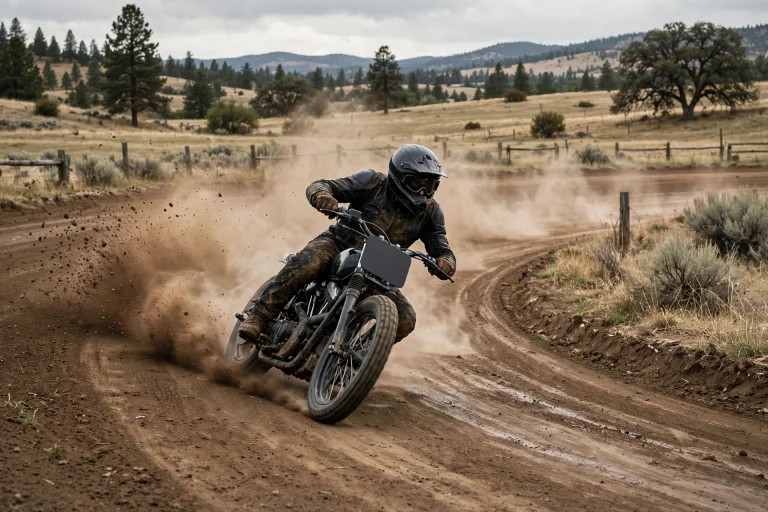
Good motocross helmet ventilation keeps you cool and your goggles clear on hot race days — and on a hot day, it can make the difference between a strong race and a miserable one. Motocross is one of the most physical forms of motorcycle sport: the rider stands, shifts weight, and wrestles the bike through ruts, jumps, and deep sand, all while wearing a full face helmet, goggles, gloves, and body protection. In hot weather, the heat builds up fast, and the helmet’s ventilation is what keeps it manageable.
A helmet that does not breathe well will leave you hot, sweaty, and distracted. Worse, poor airflow can fog your goggles, and fogged goggles on a dusty track are dangerous. This guide explains how motocross helmet ventilation works, what to look for on a hot race day, and how to get the most from the helmet you already own.
How Does Motocross Helmet Ventilation Work?
A motocross helmet moves air through vents at the front and out through vents at the back. Air enters through the chin vent and the forehead vents, flows through channels inside the helmet, across the rider’s head, and exits through exhaust vents at the rear. This flow carries heat and moisture away from the head and across the inside of the goggles.
The chin vent is the most important one. It directs air up across the inside of the goggles, which stops them from fogging up. On a hot day, the rider’s breath and sweat create a lot of moisture inside the helmet, and without that airflow the goggles would fog within minutes. A clear view depends on the chin vent doing its job.
The top vents bring air across the crown of the head, which is where most of the heat builds up. Many helmets have two or three top vents, each feeding a channel in the liner. The exhaust vents at the back let the warm air out, completing the flow. A helmet with good ventilation is designed as a system, not just a collection of holes.
What Should You Look for in a Hot-Weather Helmet?
Look for large, well-placed vents. A helmet built for hot weather will have a big chin vent, several top vents, and clear exhausts at the back. The vents should be easy to open and close with gloves on, so you can adjust the airflow during the day if the weather changes.
Check the liner too. A liner made from a moisture-wicking material will pull sweat away from the skin and help it evaporate, which keeps the rider cooler. A liner that is removable and washable is also important, because a helmet used on hot days will need regular washing. A clean liner breathes better than a clogged one.
Colour matters on a hot day. A light-coloured helmet reflects more of the sun’s heat than a dark one, and the difference can be noticeable over a long race. Many riders choose a white or bright helmet for summer racing, not just for visibility but for comfort in the heat.

How Can You Keep Your Goggles Clear in the Heat?
Goggle fogging is one of the biggest problems on a hot race day. It happens when warm, moist air inside the helmet meets the cooler surface of the goggle lens. The moisture condenses, and the lens clouds over. Good helmet ventilation is the first defence, because it moves the moist air out before it can settle on the lens.
Anti-fog coatings and inserts help too. Many goggles come with an anti-fog coating on the inside of the lens, and some riders use a dual-pane lens, which has two layers with a small air gap between them. The gap insulates the inner lens from the outside temperature, which reduces fogging.
Tear-offs and roll-offs also matter. On a dusty track, mud and roost can cover the lens quickly, and tear-offs let the rider pull off a clean layer in seconds. Keeping the lens clean helps the anti-fog coating work, and it keeps the rider’s view clear. A clean lens and good airflow together are the best answer to fogging.
What Can You Do Before and Between Races?
Before a race, check that all the vents are open and clear. Mud and dust from the last ride can block a vent, and a blocked vent is no ventilation at all. A quick check with a brush or a blast of air takes seconds and is worth doing every time.
Between races, take the helmet off and let it air out. Hanging it in the shade, with the vents open, lets the liner dry and the inside cool down. Some riders use a small fan or a helmet dryer between motos, which speeds up the process. A dry helmet is cooler and more comfortable than a damp one.
Hydration matters too. A well-ventilated helmet helps, but it cannot replace drinking enough water. On a hot race day, riders lose a lot of fluid through sweat, and dehydration will affect concentration and performance long before the helmet becomes the problem. Drink water regularly, and keep a bottle in the pits.
If you want to understand how helmets manage the forces of a crash, reading about what MIPS is for helmets is a useful starting point. MIPS is a technology used in many modern helmets, including some motocross helmets, and the basic idea — that a helmet should manage rotational forces as well as direct impacts — is relevant to off-road riding in any weather.
When Is It Time for a Better-Ventilated Helmet?
If your helmet fogs up regularly, if you finish every race with a soaked liner and a headache, or if you find yourself taking the helmet off between every moto just to cool down, it may be time to look for a better-ventilated helmet. These are signs that the airflow is not keeping up with the heat you generate.
When shopping for a replacement, try the helmet on and check the vents with your gloves on. Can you open and close them easily? Are the vents large enough to feel the airflow? Does the liner feel light and breathable? These small checks tell you more than a product description will.
Also consider the fit. A helmet that fits well will ventilate better than one that is too tight, because a tight helmet compresses the liner and blocks the air channels inside. Fit and ventilation work together, so get both right.
Frequently Asked Questions
Q: Why do my goggles fog up on hot race days?
A: In general terms, fogging happens when warm, moist air inside the helmet meets the cooler goggle lens. Good helmet ventilation moves that moist air out, and anti-fog coatings or dual-pane lenses help as well.
Q: Should I close my helmet vents in dusty conditions?
A: In general terms, no. Closing the vents reduces airflow and makes fogging worse. Keep the vents open and use tear-offs or roll-offs to keep the goggle lens clear of dust and mud.
Q: Does a lighter-coloured helmet really stay cooler?
A: In general terms, yes. A light-coloured helmet reflects more of the sun’s heat than a dark one, which can make a noticeable difference over a long race on a hot day.

Olivia
Writer at Helmet Today, covering helmet reviews, fit and riding safety.