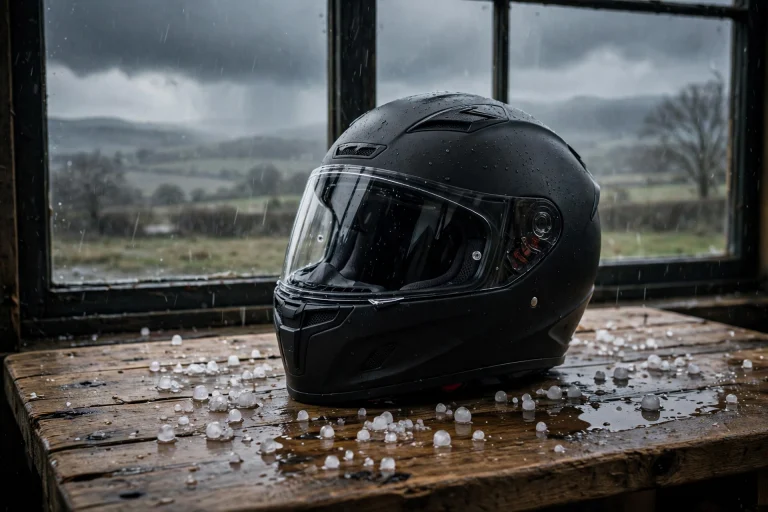
No, helmets do not protect against concussion fully — but they can still reduce the risk and the severity of head injuries in a crash, which is why they remain worth wearing. A concussion happens when the brain moves inside the skull, and a helmet cannot stop that movement entirely. It can absorb some of the force of an impact and spread it over a wider area, yet the brain can still be shaken by a sudden stop or twist. Understanding this limit is important, because it helps riders see helmets as valuable protection rather than as a guarantee.
What Does a Concussion Actually Involve?
A concussion is a type of brain injury that usually follows a blow to the head or a sudden jolt that shakes the head. The brain sits inside the skull with a small amount of fluid around it, and when the head stops suddenly or changes direction quickly, the brain can move and press against the inside of the skull. That movement can disturb the normal working of the brain for a short time, and in some cases the effects can last longer. The injury is not always visible from the outside, which is one reason it can be easy to underestimate.
The symptoms of a concussion can vary from person to person, and they do not always appear straight away. A person might feel dizzy, confused, or sick, or they might have a headache, feel unusually tired, or find it hard to concentrate. Some people notice sensitivity to light or noise, while others feel unsteady on their feet. Because the symptoms can be mild at first, a rider who has fallen may be tempted to carry on as normal, yet it is generally sensible to stop, rest, and get checked if there is any doubt at all.
What Can a Helmet Do in a Crash?
A helmet works by managing the energy of an impact before it reaches the head. The hard outer shell spreads the force of a blow over a wider area, while the softer inner liner, usually made from a foam-like material, compresses and absorbs part of the energy. This slows down the impact and reduces the peak force that the skull and brain experience. In general terms, that reduction in force can make the difference between a serious head injury and a less severe one, and it can lower the chance of a skull fracture as well.
Modern helmets are tested against recognised safety standards, and those tests check how well a helmet handles impacts from different directions and at different speeds. A helmet that meets a recognised standard has been shown to perform in those test conditions, which gives riders a reasonable basis for trusting it. However, the tests use set conditions, and a real crash can be very different: the angle, the speed, the surface, and the way the rider lands all vary, so test results cannot promise the same outcome in every fall. If you want to understand one safety technology used in modern helmets, reading about what MIPS is for helmets is a good place to start.
Why Can’t a Helmet Remove All Concussion Risk?
The main reason a helmet cannot remove all concussion risk is that a concussion is caused by the brain moving inside the skull, and a helmet sits outside the skull. Even a well-fitting helmet that absorbs a large part of an impact cannot hold the brain still. When the head stops suddenly, the brain keeps moving for a fraction of a moment, and that movement is what causes the injury. A helmet can soften the stop, but it cannot cancel it.
Another reason is that crashes vary so much. A low-speed fall onto a soft surface is very different from a high-speed crash onto a hard road, and no single helmet can be designed to handle every possible combination of speed, angle, and surface. A helmet that performs well in one kind of impact may be less effective in another, especially if the impact is far harder than the conditions used in testing. In general terms, helmets are built to deal with the kinds of impacts riders are most likely to face, not with every imaginable crash.
What Role Does Rotational Movement Play?
Rotational movement is one of the reasons concussion is so hard to prevent completely. When a rider falls at an angle, the head does not just move straight down; it can twist as it hits the ground. That twisting motion can cause the brain to rotate inside the skull, and that rotation is thought to be a significant factor in concussion. A standard helmet liner is mainly designed to deal with straight-line impacts, so it may be less effective against twisting forces.
This is an area where helmet design has been developing. Some modern helmets include a low-friction layer or a slip system that allows the outer shell to move slightly relative to the head, which is intended to reduce the twisting force that reaches the brain. These systems are a genuine step forward in general terms, but they are not a complete answer. They can reduce rotational forces in some impacts, yet they cannot remove them in every crash, and the benefit depends on the direction and severity of the fall.
How Should Riders Think About Helmets and Concussion?
The most helpful way to think about helmets and concussion is to see the helmet as one layer of protection among several. It is an important layer, and it can make a real difference in a crash, but it works best alongside other habits: riding at a sensible speed for the conditions, watching out for hazards, keeping the bike or motorcycle in good working order, and staying alert to other road users. No single layer can do the whole job on its own.
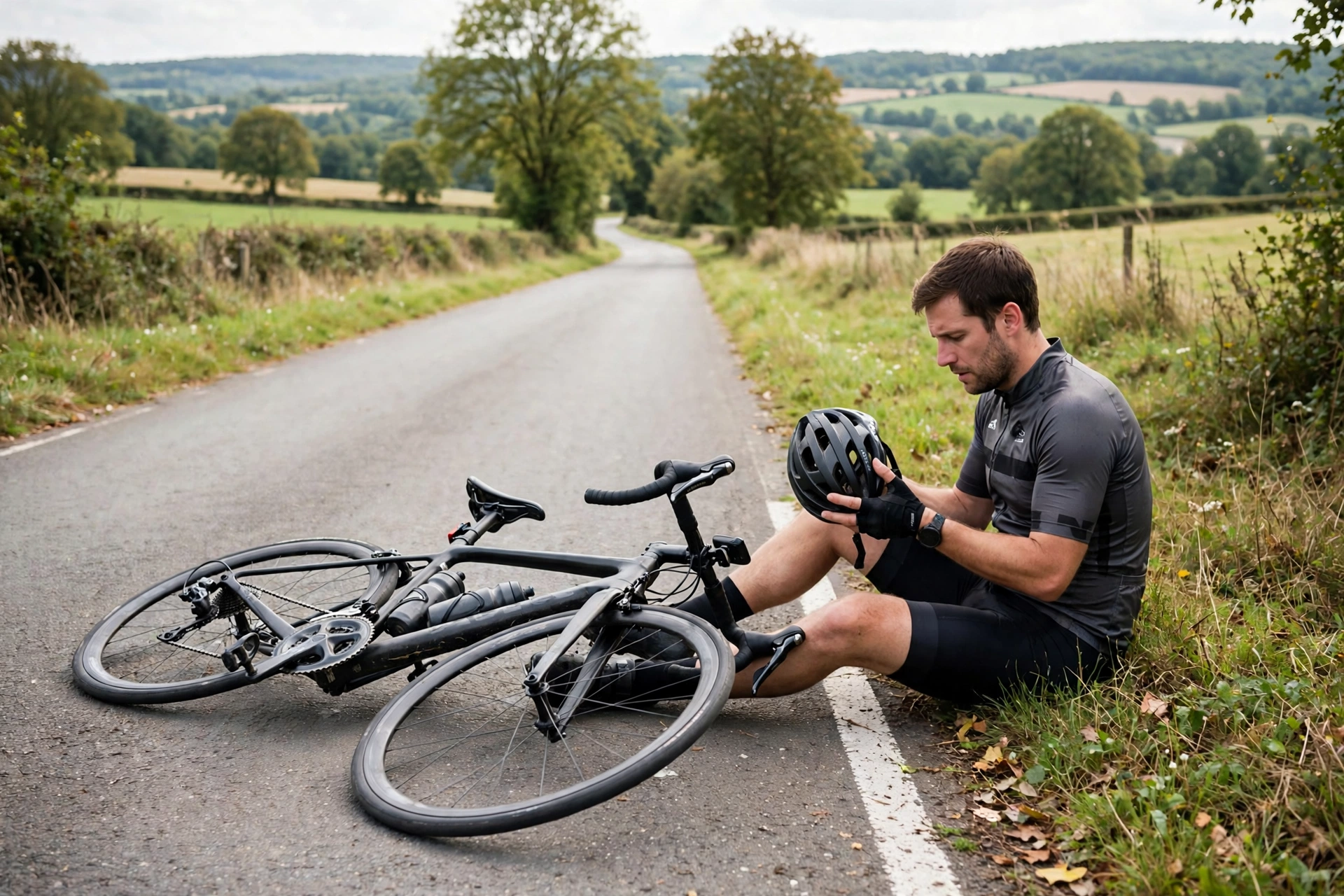
It is also sensible to take any head impact seriously, even when a helmet was worn. If you have fallen and hit your head, or if you feel unwell after a jolt, stop and assess how you feel before carrying on. If symptoms appear, or if there is any doubt, seek medical advice rather than trying to judge the injury yourself. A helmet can reduce the force of an impact, but it cannot tell you whether a concussion has happened, so listening to your body matters.
Frequently Asked Questions
Q: Can a helmet prevent a concussion completely?
A: No, in general terms a helmet cannot prevent a concussion completely. It can absorb some impact force and reduce the severity of a head injury, but the brain can still move inside the skull during a sudden stop or twist.
Q: Does a more expensive helmet protect against concussion better?
A: Not necessarily. Price alone does not decide protection. A helmet that meets a recognised safety standard and fits properly is the most important thing, whatever it costs.
Q: What should I do if I hit my head while wearing a helmet?
A: Stop, rest, and check how you feel. If you have symptoms such as dizziness, confusion, headache, or sickness, or if you are unsure, seek medical advice and have the helmet checked or replaced.

Olivia
Writer at Helmet Today, covering helmet reviews, fit and riding safety.