A helmet sun visor is a tinted shield that sits inside or outside the helmet to cut glare, and the main types are internal drop-down visors, external clip-on visors, and tinted or photochromic face shields. Each type works differently, suits different kinds of riding, and has its own trade-offs in convenience, coverage, and cost. Choosing the right one comes down to how and where you ride, and how often the light changes during a ride.
Sun glare is more than an annoyance: it can hide hazards, tire your eyes, and make it harder to read the road ahead. A good sun visor cuts that glare without forcing you to wear sunglasses under your helmet. This guide explains the main helmet sun visor types, how each one works, and how to choose between them.
What Is an Internal Drop-Down Sun Visor?
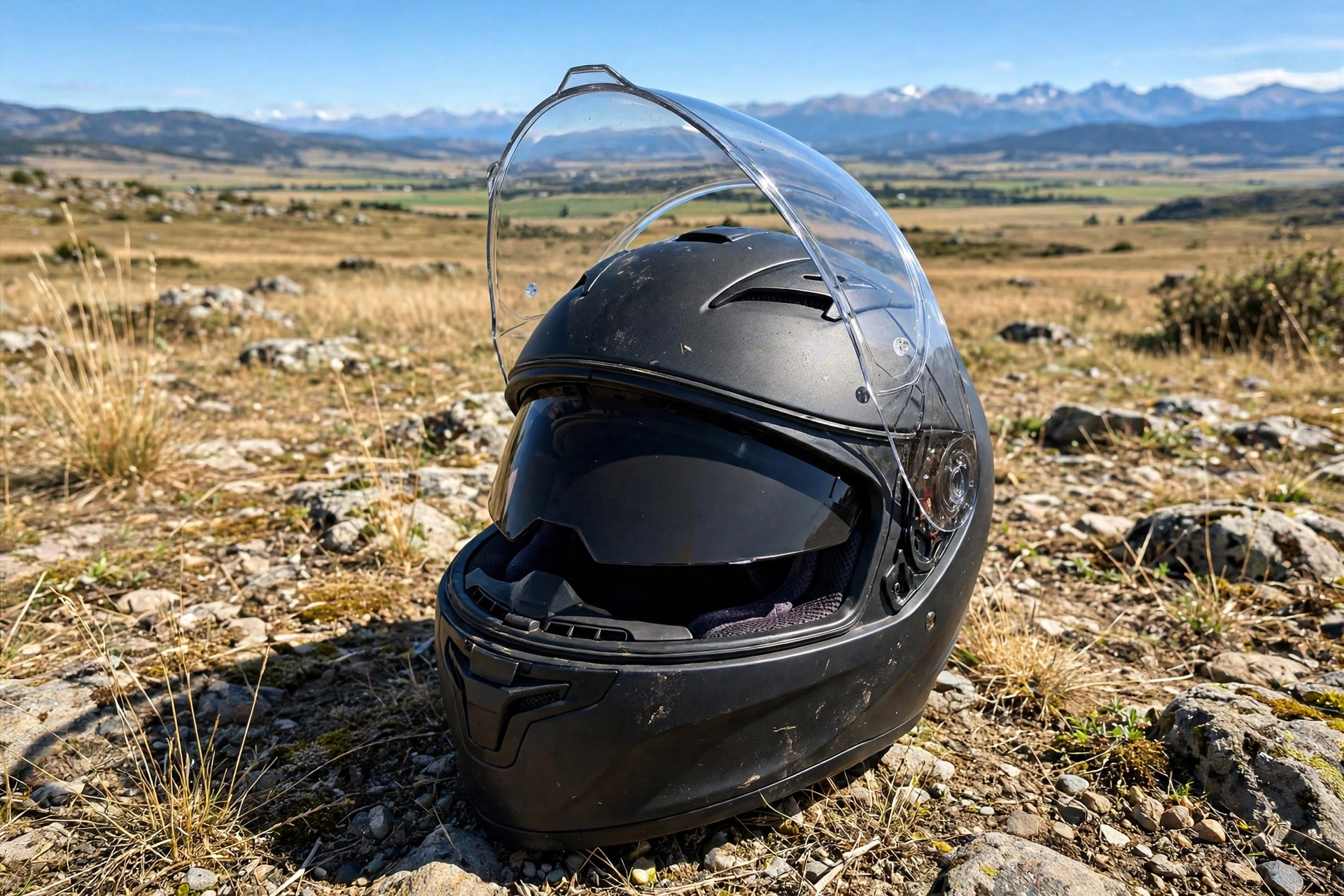
An internal drop-down visor is a tinted shield built into the helmet shell that slides down in front of your eyes at the flick of a lever or slider. When you do not need it, it retracts up into the helmet and out of the way. This is the most common type on touring and commuter helmets, and it is popular because it is always there when you need it.
The main advantage is convenience. Riding into low sun at the end of the day, you can drop the visor in a second without stopping, and flip it back up when you turn into shade or enter a tunnel. The visor sits close to your eyes, so it covers your field of vision well, and because it is built in, there is nothing extra to carry or lose.
There are trade-offs. An internal visor is usually shorter than a full face shield, so it may not cover the bottom of your vision as well, and it can catch on glasses if you wear them. It also adds a little weight and complexity, and if the mechanism jams it may need a professional repair. Even so, it is a practical choice for riders who face changing light on every ride.
What Is an External Clip-On Sun Visor?
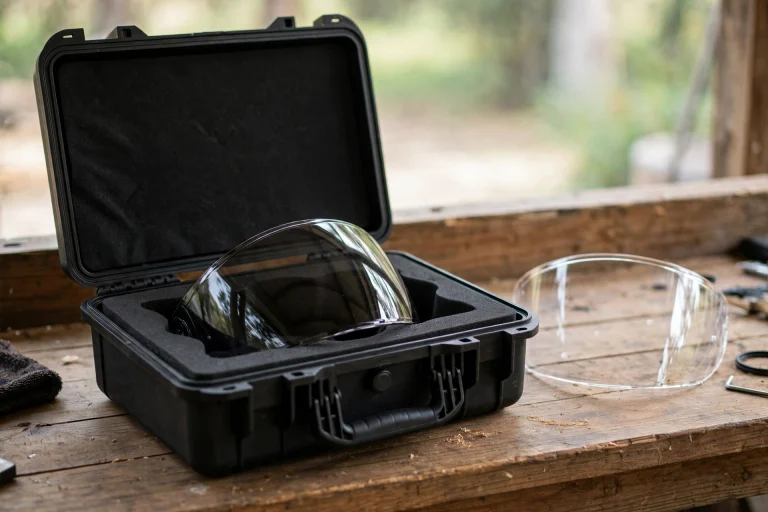
An external clip-on visor, sometimes called a sun peak or an add-on shield, attaches to the outside of the helmet, usually over the main face shield or onto the peak mounts. Some clip on with brackets, while others use a simple friction fit or magnets. They are common on open-face helmets and on helmets that were not designed with an internal visor.
The big advantage is flexibility. You can fit a clip-on visor to a helmet that has no built-in sun protection, remove it when you do not need it, and swap between a dark tint for bright days and a lighter one for overcast rides. They are also easy to replace if they scratch, which keeps the cost of ownership low compared with a built-in system.
The downsides are that they can rattle or lift at speed if the fit is poor, and they may not seal as neatly against wind and rain as a built-in visor. A badly fitted clip-on can also create a gap that lets sunlight in at the edges. If you choose one, make sure it is made for your helmet model and fits firmly before you rely on it at speed. To understand the protection inside the helmet these visors attach to, reading about what MIPS is for helmets can help you learn about one of the technologies used in modern helmet design.
What Is a Tinted or Photochromic Face Shield?
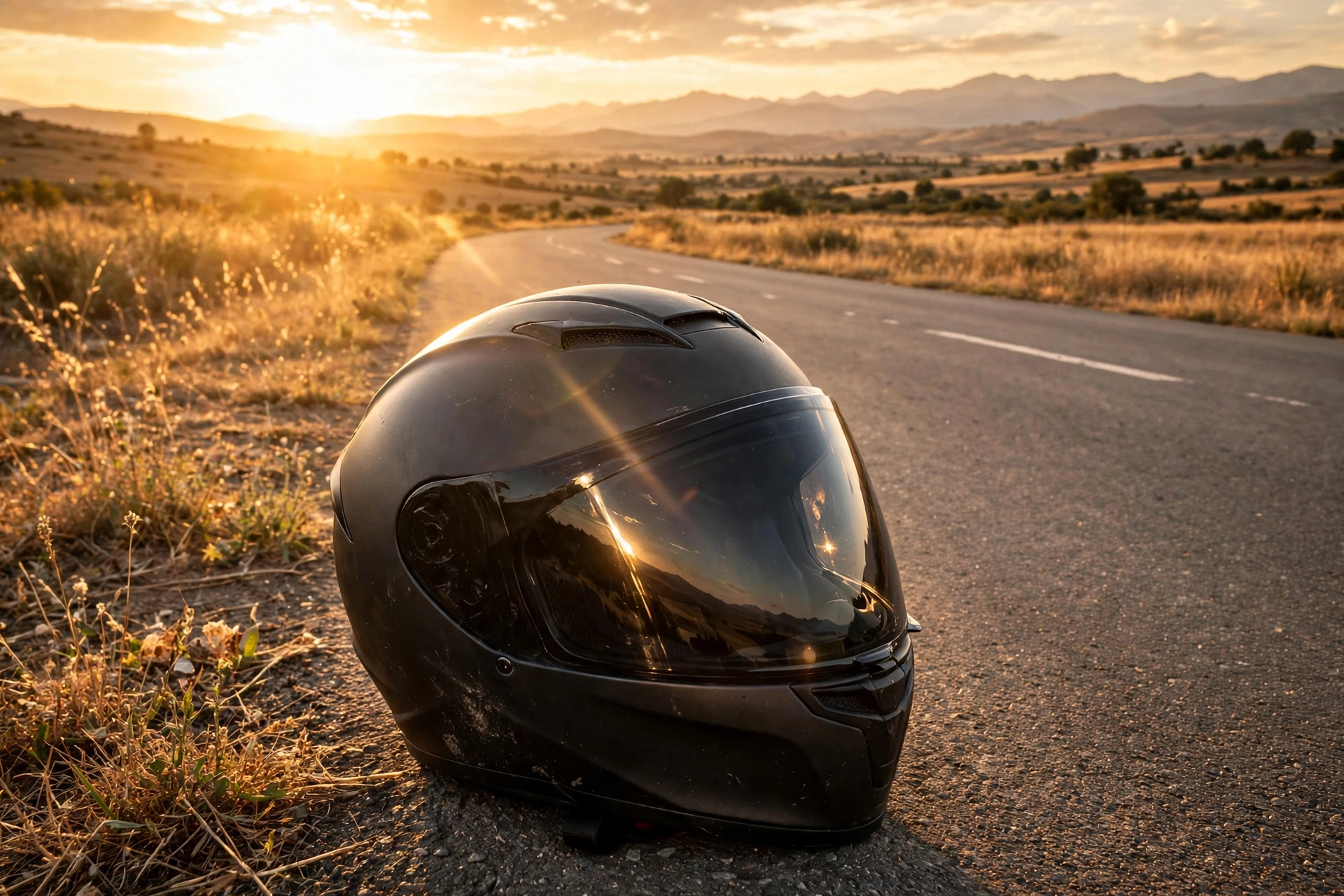
A tinted face shield replaces the clear shield on a full-face helmet with a darker one, giving you sun protection across your whole field of vision. Tints range from a light smoke, which takes the edge off bright light, to a dark smoke that is only suitable for bright daylight. Some riders keep a clear shield and a tinted shield and swap them with the seasons.
A photochromic shield goes a step further: it darkens automatically in bright sunlight and clears again in shade or at night. This makes it a good choice for long rides where the light changes often, because you never have to stop to swap shields or adjust a visor. The change is gradual, taking a minute or so, so it is not instant, but it is hands-free.
The main drawback is that a dark shield is not safe at night or in poor light, so you need to carry a clear shield or plan rides around daylight. Photochromic shields cost more than ordinary tinted ones, and their darkening can fade with age. Even so, for riders who want the widest, clearest sun protection, a tinted or photochromic shield is hard to beat.
What About Sun Peaks and Goggle-Style Visors?
A sun peak is the small brim that sticks out above the face opening on many off-road and adventure helmets. It works like the brim of a cap, shading your eyes from above and keeping rain and branches out of your face. It does not tint your vision, so it works with goggles or a clear shield, and it is most useful at low speed or on trails where the sun angle changes often.
Goggle-style visors are a different answer again: the rider wears tinted goggles under or over the helmet, which gives full eye coverage and can be swapped in seconds. This is the standard setup for motocross and enduro riding, where the helmet has a large eye port designed for goggles. The goggles also seal against dust, which is a real benefit on dry, dusty trails.
Each of these has its place. A sun peak suits off-road and adventure riding, while goggles suit dusty, rough terrain. Neither is a good fit for fast road riding, where wind and noise matter more, and that is where an internal visor or a tinted shield usually works better.
How Do You Choose the Right Sun Visor Type?
Start with how you ride. A commuter who faces low sun twice a day will get the most from an internal drop-down visor, because it is instant. A tourer who rides from dawn to dusk may prefer a photochromic shield that adapts on its own. An off-road rider will probably be happiest with a sun peak and goggles, while a rider on a tight budget may find a clip-on visor is the simplest upgrade.
Also think about glasses, fit, and the law where you ride. If you wear glasses, check that an internal visor does not press on them, and remember that a very dark tint may not be legal for road use after dark in some places. Try the visor before you buy if you can, check that it moves smoothly and covers your vision without gaps, and keep it clean, because a scratched or dirty sun visor can be worse than none at all.
Frequently Asked Questions
Q: Can I use a tinted visor at night?
A: No, in general terms. A dark tinted shield reduces the light reaching your eyes and is not safe after dark or in poor light. Use a clear shield at night, or choose a photochromic shield that clears in the dark.
Q: Do internal sun visors work with glasses?
A: Often, yes, but it depends on the helmet and the glasses. Some internal visors sit close enough to catch on frames, so try the combination before you buy, and look for a helmet designed with glasses wearers in mind.
Q: Are photochromic helmet shields worth it?
A: For riders who face changing light on long rides, they can be: they darken in sun and clear in shade without any action from you, though they cost more than a fixed tint and may darken more slowly as they age.

Olivia
Writer at Helmet Today, covering helmet reviews, fit and riding safety.