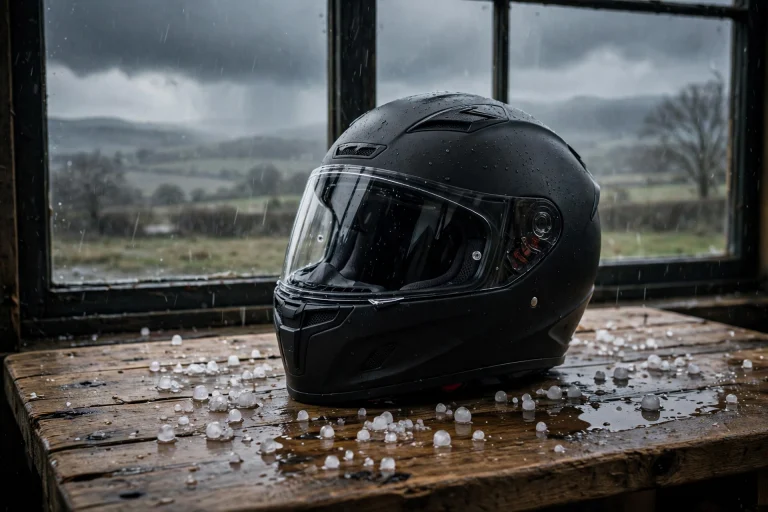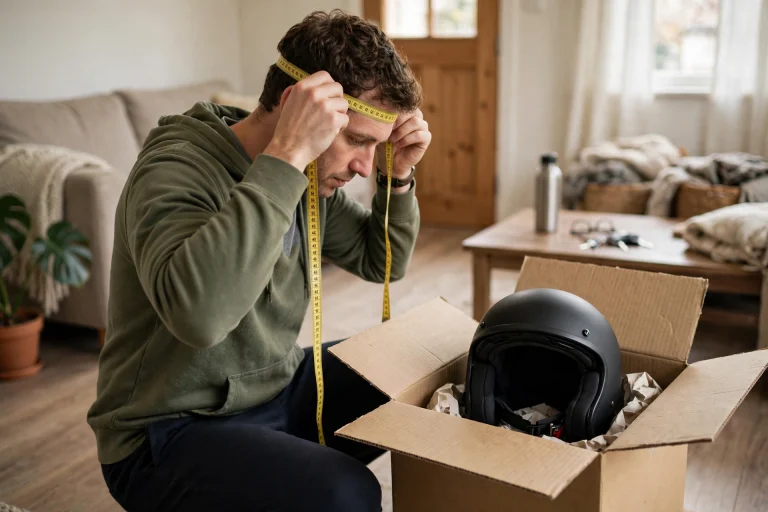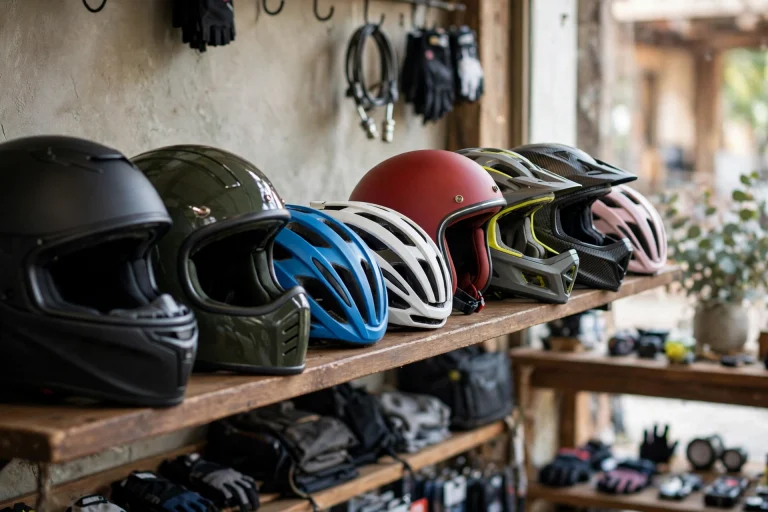
No, helmets are not designed to protect against whiplash — and wearing one will not prevent the neck injury that causes it. Whiplash happens when the head is thrown forward and back suddenly, straining the muscles and ligaments of the neck. A helmet protects the skull from impact, but it does not stop the head from moving, which is what causes whiplash in the first place.
This is a common misunderstanding, and it is easy to see why. A helmet clearly protects the head, so it feels natural to assume it protects the neck too. In reality, the two jobs are different: a helmet absorbs the force of a blow to the head, while whiplash comes from the violent movement of the head itself. This guide explains what whiplash is in general terms, why helmets do not prevent it, and what actually helps reduce the risk.
What Is Whiplash?
Whiplash is a neck injury caused by a sudden, forceful movement of the head, usually forwards and then backwards, or the other way round. It most often happens in rear-end car crashes, but it can also happen in falls, sports collisions, and other accidents where the head is thrown around quickly. The sudden movement stretches and strains the soft tissues of the neck — the muscles, ligaments, and tendons — and can cause pain, stiffness, headaches, and sometimes dizziness.
The name comes from the cracking motion of a whip, and it describes the movement rather than the impact. You do not need to hit your head on anything to get whiplash; the injury comes from the speed and force of the head’s movement alone.
Most whiplash injuries are mild and improve over days or weeks with rest and gentle movement, though some people have symptoms for longer. The important thing for this question is that whiplash is an injury of movement, not an injury of impact, and that difference is why a helmet does not prevent it.
Why Don’t Helmets Prevent Whiplash?
A helmet is designed to do one main job: reduce the force that reaches the skull when the head hits something hard. Its foam liner crushes on impact, absorbing energy and slowing the head down more gradually. That works well for blows to the head, but it does nothing to stop the head from being thrown forwards and backwards in the first place.
A helmet also adds a small amount of weight to the head, but a modern helmet is light enough that this is not thought to be a major factor. The point stands: the helmet does not restrain the neck or limit how far the head can move.
Some specialised helmets and neck supports used in motorsport do try to limit head movement — for example, head and neck support devices worn by racing drivers — but these are separate pieces of equipment that work with the seat and the harness, not something a normal road or cycling helmet does. A standard helmet simply is not built for that job, and expecting it to prevent whiplash is asking it to do something it was never designed to do.

Do Helmets Help at All in the Kinds of Crashes That Cause Whiplash?
Yes, helmets can still help in those crashes — just not against the whiplash itself. A rear-end collision or a fall from a bike can involve both a sudden movement of the head and an impact, and the helmet protects against the impact part. If a rider is thrown from a bike and hits their head on the road, the helmet reduces the force of that blow, even though it cannot stop the neck from being strained by the fall.
It is worth keeping the two risks separate in your mind. The helmet deals with head impacts. Whiplash is dealt with by other means, such as headrests in cars, which are positioned to catch the head and limit how far back it can travel in a rear-end crash. On a bike or motorcycle, there is no headrest, so there is no equivalent protection against the whiplash movement itself.
This is also why the idea that a helmet “causes” whiplash is a myth in general terms. The forces involved in a crash that causes whiplash are far larger than the small extra weight of a helmet, and the injury would happen with or without one. The helmet is not the cause of the injury, and it is not the cure either.
What Actually Reduces the Risk of Whiplash?
In a car, the single most effective protection is a properly adjusted headrest. The top of the headrest should be roughly level with the top of your head, and it should sit close behind it, so that in a rear-end crash the head meets the headrest quickly instead of travelling backwards freely. Many people drive with their headrest set too low or too far back, which reduces its protection.
Good posture matters too. Sitting upright with your back against the seat gives the headrest the best chance of doing its job. Slouching or sitting too far from the seat back leaves a gap that the head has to cross before it meets the headrest, and that extra travel increases the strain on the neck.
For riders, the best protection against whiplash is avoiding the crash in the first place: riding defensively, keeping a good following distance, and staying alert to traffic behind you. If you ride a motorcycle, a well-fitted helmet is still essential for head protection, and learning about what MIPS is for helmets can help you understand how modern helmets handle rotational forces in a crash. But no helmet will take the place of careful riding when it comes to whiplash.
Should You Still Wear a Helmet?
In general terms, yes — absolutely. The fact that a helmet does not prevent whiplash does not make it any less valuable. Whiplash is usually a painful but recoverable injury, while a serious head injury can be life-changing or fatal. A helmet protects against the more serious risk, and that is why it is worth wearing every time you ride.
It also helps to have realistic expectations. A helmet is excellent protective equipment, but it is not a suit of armour. It protects your head from impact; it does not protect your neck from sudden movement, your body from a fall, or you from a crash happening at all. Understanding those limits makes you a safer rider, because you will not rely on the helmet to do jobs it cannot do.
If you have had a crash and you have neck pain, stiffness, or headaches, get checked by a medical professional rather than trying to judge the injury yourself. Whiplash symptoms sometimes appear hours after the accident, so a sore neck that shows up the next day is still worth taking seriously.
Frequently Asked Questions
Q: Do helmets protect against whiplash?
A: No. Helmets protect the skull from impact, but whiplash is caused by the sudden movement of the head, and a helmet does not stop the head from moving. Headrests in cars are the main protection against whiplash.
Q: Can wearing a helmet cause whiplash?
A: In general terms, no. The forces in a crash that causes whiplash are far larger than the small extra weight of a helmet, and the injury would happen with or without one.
Q: What should I do if I have neck pain after a crash?
A: Get checked by a medical professional, even if the pain starts hours later. Whiplash symptoms can appear after a delay, so a sore or stiff neck following a crash is worth taking seriously.

Olivia
Writer at Helmet Today, covering helmet reviews, fit and riding safety.