Helmets can contribute to skin problems in some people, but they rarely cause them on their own — the usual culprits are sweat, friction, and a dirty helmet rather than the helmet itself. If you wear a helmet often and notice spots, itching, or a rash where the helmet touches your skin, the cause is usually trapped heat and moisture combined with bacteria building up on the padding. The good news is that most helmet-related skin problems are easy to prevent.
This is a common worry, especially among riders who wear a helmet every day in warm weather. A helmet sits close against the forehead, cheeks, and scalp for long periods, and that warm, damp contact can irritate the skin. This guide looks at what skin problems helmets are linked to in general terms, why they happen, and what you can do to keep your skin healthy while still wearing a helmet.
What Skin Problems Are Linked to Helmets?
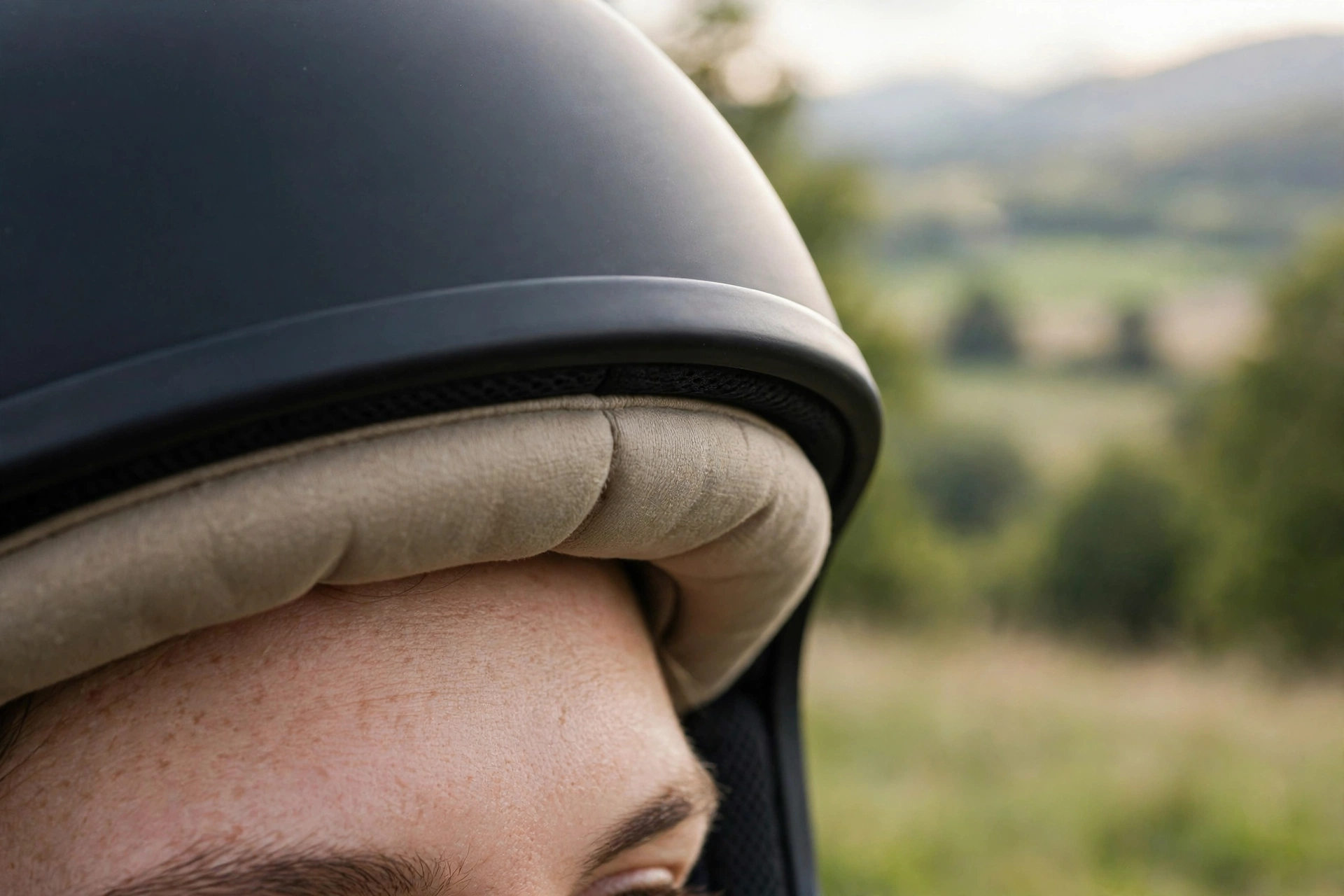
The most common problem is acne on the forehead and along the hairline, sometimes called helmet acne. It happens when sweat, oil, and dead skin cells get trapped against the skin under the helmet’s padding. The warm, humid space inside a helmet is an ideal place for bacteria to grow, and that can lead to blocked pores and spots.
Other riders report itching, redness, or a rash where the straps or padding rub the skin. This is often a form of contact irritation: the skin is rubbed repeatedly in the same place, and sweat makes the friction worse. In warm weather, heat rash can also appear on the forehead, showing up as small red bumps that itch or sting. Less commonly, a dirty helmet can spread a fungal infection on the scalp, which may cause itching and flaking.
It is worth noting that most of these problems are mild and clear up once the cause is dealt with. A persistent rash, spreading redness, or sore spots that do not heal should be checked by a doctor or dermatologist, because they may need treatment beyond better helmet hygiene.
Why Do Helmets Irritate the Skin?
The main reason is sweat. When you ride, you sweat, and a helmet traps that sweat against your skin instead of letting it evaporate. The padding absorbs moisture, and if the helmet is not cleaned, the padding becomes a home for bacteria and the residue of old sweat. Each time you put the helmet on, your skin meets that build-up again.
Friction is the second factor. A helmet that fits too tightly rubs the same spots on the forehead and cheeks every time you wear it, and that repeated rubbing can break the skin’s surface and let irritation in. A helmet that fits too loosely is no better, because it slides around and rubs in a wider area. A well-fitted helmet that stays in place without pressing hard is the kindest option for your skin.
The materials matter too. Some people react to certain foams, glues, or dyes used in helmet padding and straps, though a true allergy is less common than simple irritation. If a rash appears in exactly the shape of the padding or the strap and appears every time you wear the helmet, that is worth mentioning to a doctor, because it may be a contact allergy.
How Can You Prevent Helmet-Related Skin Problems?
Clean your helmet regularly. Wipe the inside of the shell and the padding with a damp cloth after sweaty rides, and wash removable padding according to the maker’s instructions. If the padding is not removable, a gentle wipe with mild soap and water, followed by air drying, is usually enough. Never put a helmet away wet — let it dry fully in a ventilated place first.
Wearing a thin helmet liner, skull cap, or bandana under the helmet can help a lot. The liner absorbs sweat before it reaches the padding, keeps the helmet cleaner, and reduces friction on the skin. It is far easier to wash a liner after every ride than to wash a whole helmet, so this is one of the simplest habits you can adopt.
Wash your face after riding, especially if you have been sweating. A gentle cleanse removes sweat, oil, and grime before they can block pores. Avoid heavy creams or oils on the forehead before a ride, because they can mix with sweat and make blocked pores more likely. And if you share a helmet with anyone, clean it thoroughly first — sharing a helmet is one of the easiest ways to pass on a skin infection.
Does Helmet Fit Make a Difference to Your Skin?
Yes, fit matters more than most riders expect. A helmet that is too tight presses the padding hard into the forehead and cheeks, trapping sweat and increasing friction, which is a recipe for spots and soreness. A helmet that is too loose moves around and rubs the skin raw in a wider area. The right fit is snug enough to stay put when you shake your head, without squeezing or leaving deep red marks when you take it off.
Ventilation matters too. Helmets with good airflow let heat and moisture escape, which keeps the skin cooler and drier. If you ride in a hot climate, look for a helmet with plenty of vents, and open them when you ride. A cooler head sweats less, and less sweat means less irritation. If you are learning how helmet design affects comfort and protection, reading about what MIPS is for helmets can help you understand one of the technologies used in modern helmet design.
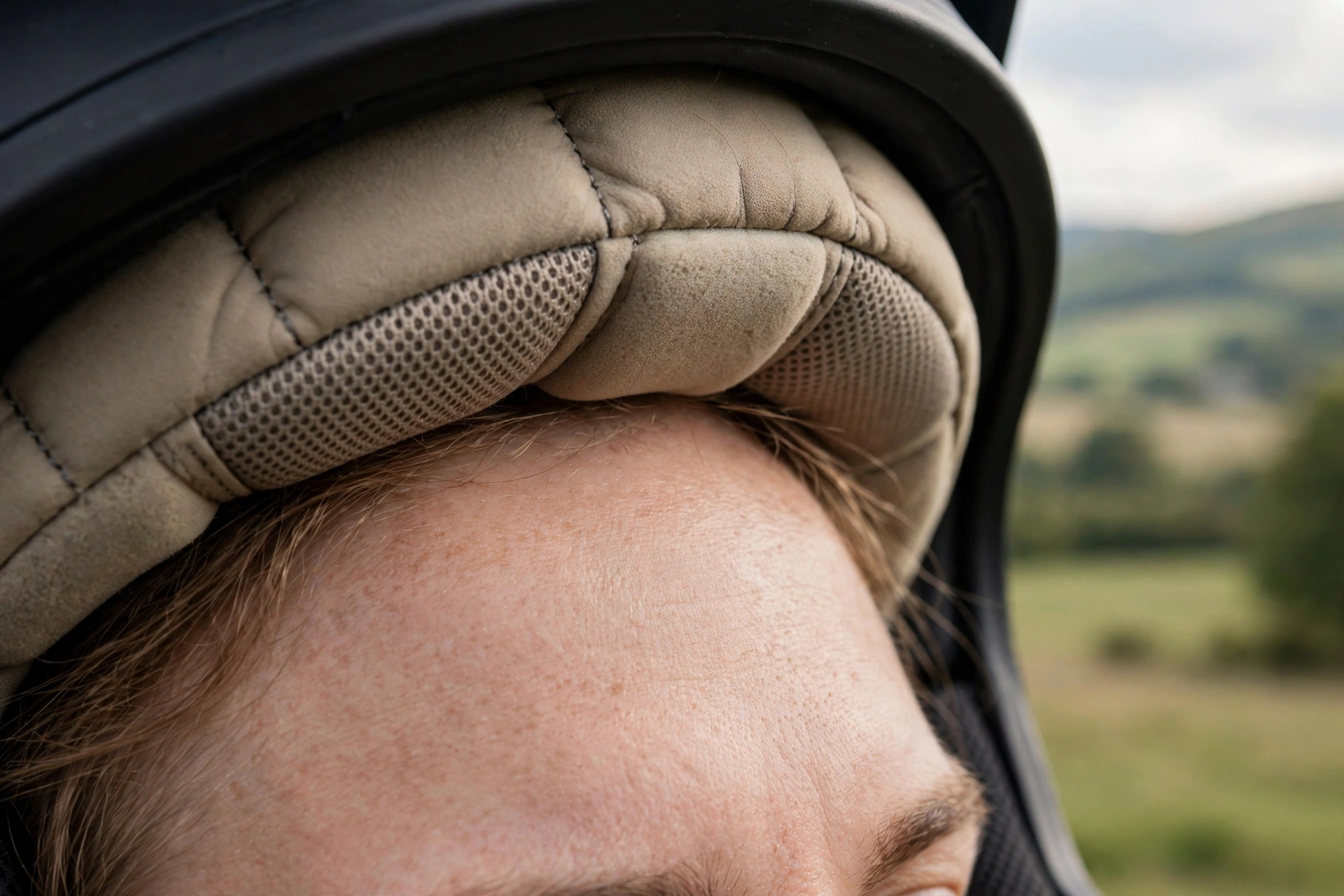
Finally, replace worn padding. Old padding that has gone flat or hard loses its shape, fits badly, and holds more grime than fresh padding. Many makers sell replacement pad sets, and fitting a new set can make an old helmet feel new again — and kinder to your skin.
When Should You See a Doctor About Helmet Skin Problems?
See a doctor if a rash spreads, blisters, or does not improve after a week or two of better helmet hygiene, or if spots become painful or swollen. These signs can mean an infection or an allergic reaction that needs proper treatment, and continuing to wear the same helmet without a diagnosis may make it worse.
Also seek advice if you notice hair loss, patches of flaking scalp, or sores that keep coming back in the same place. These are less common, but they can be signs of a fungal infection or a skin condition that needs more than a clean helmet. A doctor can tell the difference between simple irritation and something that needs medicine, and can advise whether you should change your helmet, your liner, or your skin care routine.
In general terms, though, most helmet-related skin problems are mild and preventable. A clean helmet, a washable liner, a good fit, and a quick wash after riding will keep most riders’ skin clear — and none of that requires giving up the helmet.
Frequently Asked Questions
Q: Do helmets cause acne?
A: Helmets can contribute to acne on the forehead and hairline, because sweat, oil, and bacteria get trapped against the skin under the padding. Regular cleaning and a washable liner usually prevent it.
Q: How often should I clean my helmet to protect my skin?
A: Wipe the inside after sweaty rides and wash the padding regularly. A thin liner worn under the helmet and washed after each ride is the easiest way to keep things clean.
Q: Can I be allergic to my helmet?
A: A true allergy is uncommon, but some people react to certain foams, glues, or dyes in padding and straps. If a rash follows the exact shape of the padding every time you wear it, ask a doctor about it.

Olivia
Writer at Helmet Today, covering helmet reviews, fit and riding safety.