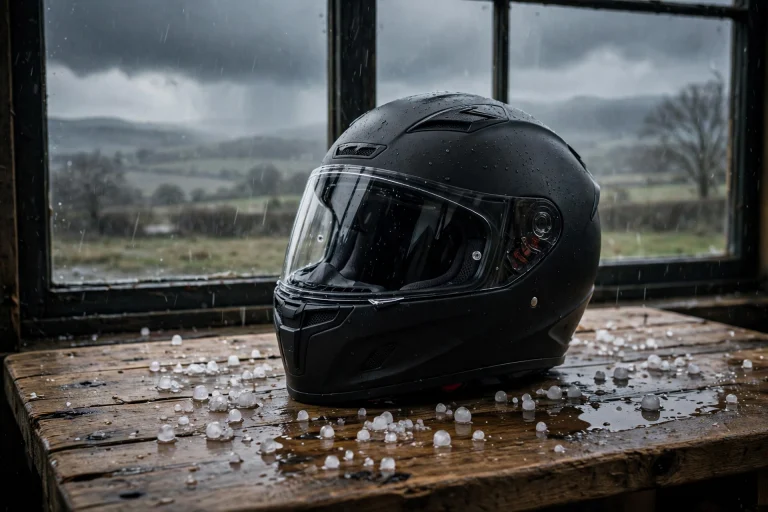
No, helmets do not make your head freeze in winter — but they can feel cold at first, and a bare helmet on a freezing day will not keep your head warm on its own. A helmet is designed to protect your head from impact, not to insulate it. Its vents let air through, and that airflow can feel chilly in winter. With the right layers underneath, though, a helmet works perfectly well in cold weather.
This is a question that comes up every winter, especially from new riders who put on a helmet on a frosty morning and feel the cold straight away. The short answer is that the cold comes from the air flowing through the helmet, not from the helmet making your head colder than it would be without one. This guide explains why helmets feel cold in winter in general terms, and how to stay warm while wearing one.
Why Does a Helmet Feel Cold in Winter?
The main reason is ventilation. Helmets are built with vents that let air flow over the head to keep the rider cool in warm weather. In winter, that same airflow brings cold air in, and the effect is stronger at speed, when the wind chill makes the air feel colder than the temperature on a thermometer. A helmet with wide-open vents on a freezing day can feel like riding with a cold draught on your head.
Another factor is that the helmet shell itself gets cold. The outer shell is exposed to the wind, and it cools down quickly. When you put a cold helmet on, the lining feels cold against your skin for the first few minutes, until your body heat warms it up. That first chill is unpleasant, but it passes as the helmet warms to your head.
Sweat can also make things worse. If you sweat under a helmet and the moisture cools, it can leave your head feeling colder than it would if it stayed dry. This is why winter riding calls for moisture-wicking layers rather than cotton, which holds sweat against the skin and chills you as it cools.
Does a Helmet Make Your Head Colder Than No Helmet?
In general terms, no. A helmet covers most of your head and blocks the direct wind, which is the biggest source of heat loss in cold weather. Without a helmet, your bare head would lose heat faster to the wind. The helmet may feel cold when you first put it on, but once it warms up, it acts as a windbreak and keeps more warmth in than a bare head would.
The exception is a helmet with very large vents that cannot be closed. Some summer-oriented helmets have fixed vents that let in a lot of air, and in deep winter they can feel draughty. Many helmets have adjustable vents that you can close in cold weather, and closing them makes a real difference to comfort. If your helmet has no way to close its vents, a thin liner underneath will block the draught.
Think of it like a jacket with the vents open: the jacket itself is not making you cold, but the cold air coming through the openings is. Closing the openings, or adding a layer underneath, solves the problem without needing a different helmet.
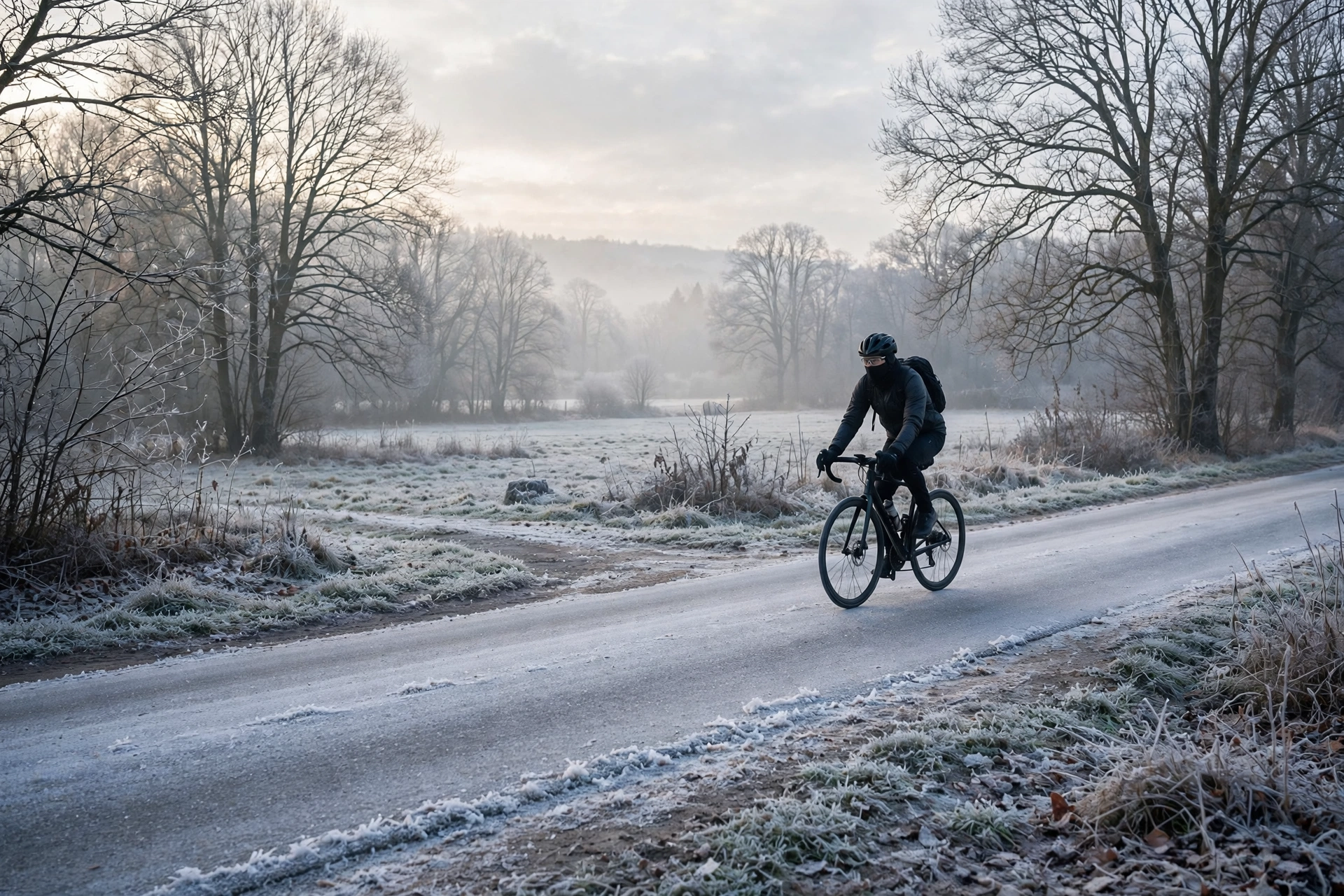
How Can You Stay Warm Under a Helmet in Winter?
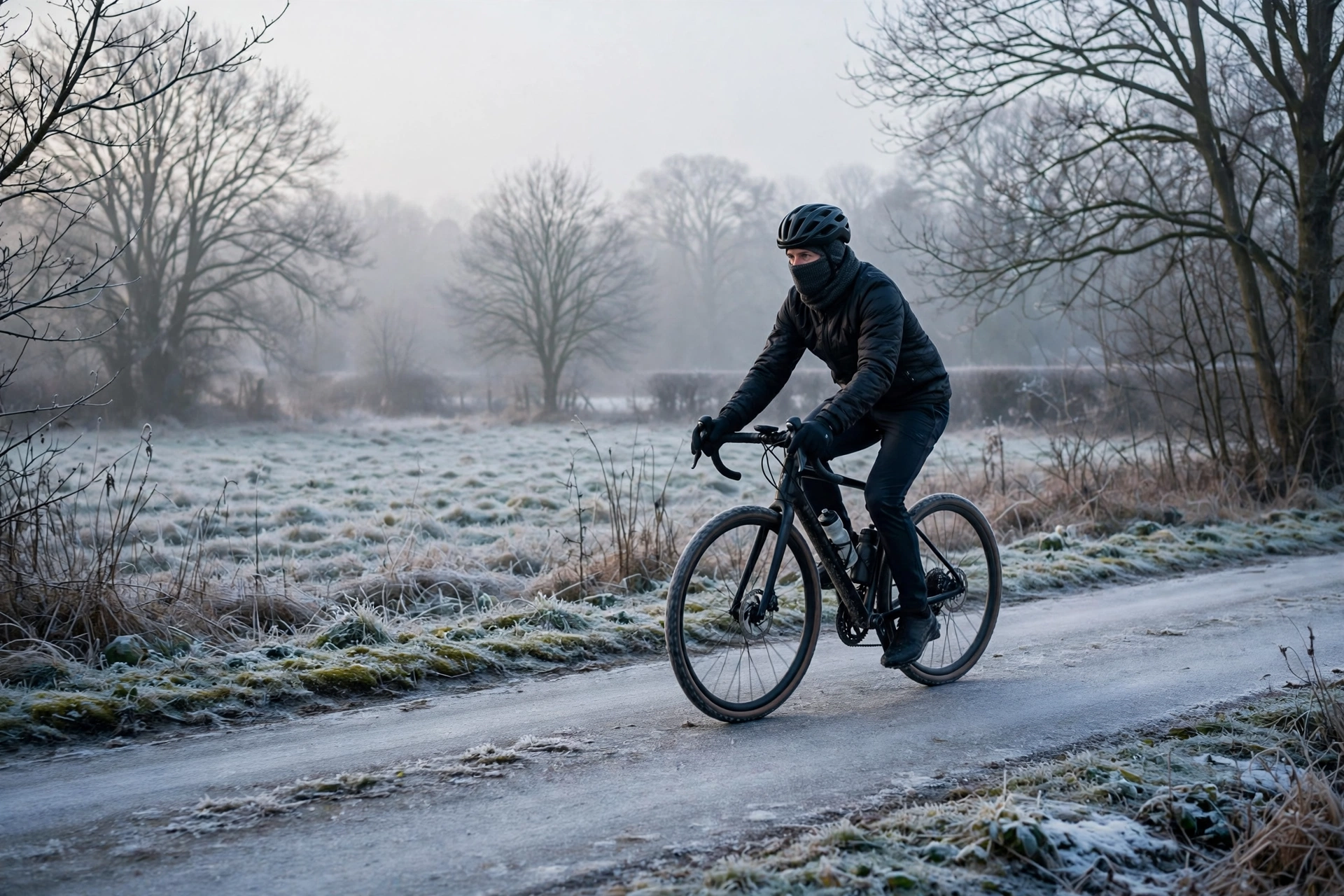
The simplest fix is a thin balaclava or skull cap worn under the helmet. A balaclava covers the head, ears, and neck, blocks the draught from the vents, and adds a layer of insulation. Choose a thin one made for wearing under a helmet, so it does not change the fit — a thick hat can make the helmet too tight, which is uncomfortable and can reduce its protection.
Close the vents on your helmet if they are adjustable, and keep the visor down if you have one, because a closed visor blocks cold air from your face. A neck warmer or gaiter also helps, because it seals the gap between the helmet and your jacket where cold air sneaks in. Together, these layers turn a cold helmet into a warm one.
Warm the helmet up before you put it on, if you can. Keeping it indoors overnight instead of in a cold garage or shed means you start with a helmet at room temperature rather than a freezing one. That small step makes the first few minutes of a winter ride much more comfortable.
Do You Need a Special Winter Helmet?
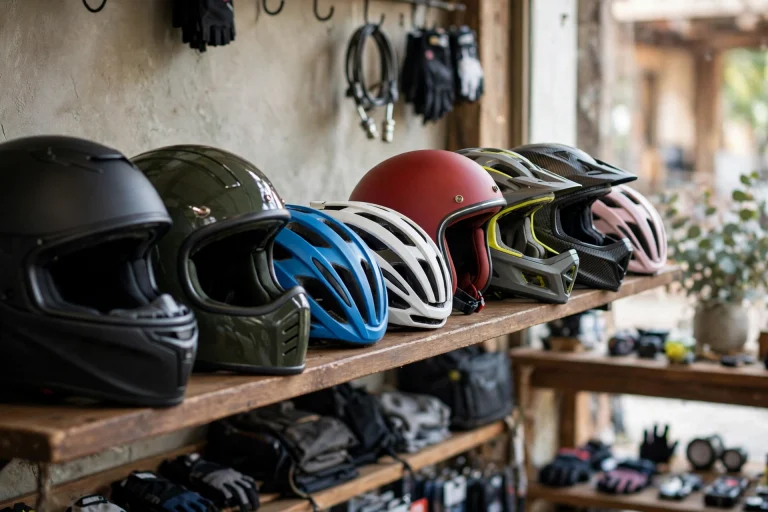
In general terms, no — most riders do fine with their normal helmet plus a balaclava and closed vents. Some helmets are made with winter riding in mind, with fewer vents and thicker liners, and they can be a good choice if you ride in very cold conditions every day. But for most winter riding, the standard helmet plus a layer underneath is enough.
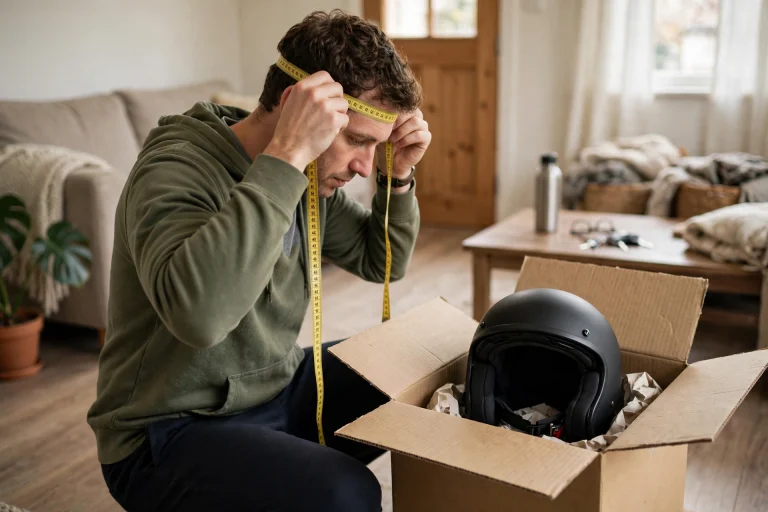
What matters more is the fit. A balaclava adds bulk, so check that your helmet still fits properly with it on. The helmet should sit level on your head, stay in place when you shake your head, and not press hard anywhere. If the balaclava makes the helmet too tight, choose a thinner liner or a helmet with a slightly roomier fit, and never ride in a helmet that squeezes your head.
If you are learning how different helmet features affect comfort in different conditions, reading about what MIPS is for helmets can help you understand one of the technologies used in modern helmet design.
Is It Safe to Ride in Very Cold Weather with a Helmet?
Yes, with the right preparation. Cold weather itself does not damage a helmet or reduce its protection in normal winter conditions. What matters is that you can see clearly and stay alert, so keep your visor clean and free of fog, and make sure your layers do not restrict your hearing or your field of vision.
Fogging is the main winter nuisance. Warm breath hitting a cold visor can fog it up quickly, so use an anti-fog insert or crack the visor open slightly to let moist air out. Some riders find a breath guard helps, because it directs breath away from the visor. Whatever you do, never ride with a fogged visor you cannot see through — pull over and clear it first.
Cold hands and a cold body can also distract you from the road, so dress warmly overall, not just under the helmet. A warm, comfortable rider is a safer rider, and a helmet plus a balaclava is a good start.
Frequently Asked Questions
Q: Do helmets make your head freeze in winter?
A: No. A helmet blocks the wind and keeps more warmth in than a bare head. It can feel cold at first because of airflow through the vents, but closing the vents and wearing a thin balaclava underneath fixes that.
Q: Can I wear a hat under my helmet in winter?
A: A thin balaclava or skull cap made for helmet use is best. A thick hat can make the helmet too tight, so check the fit carefully and choose a thin liner if needed.
Q: Should I buy a special winter helmet?
A: Most riders do not need one. A normal helmet with closed vents, a balaclava, and a neck warmer is enough for most winter riding. A winter-specific helmet helps if you ride in very cold conditions every day.

Olivia
Writer at Helmet Today, covering helmet reviews, fit and riding safety.