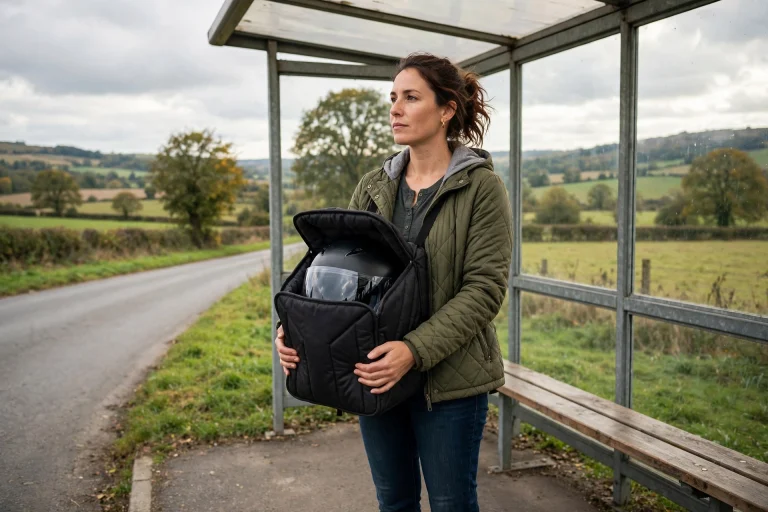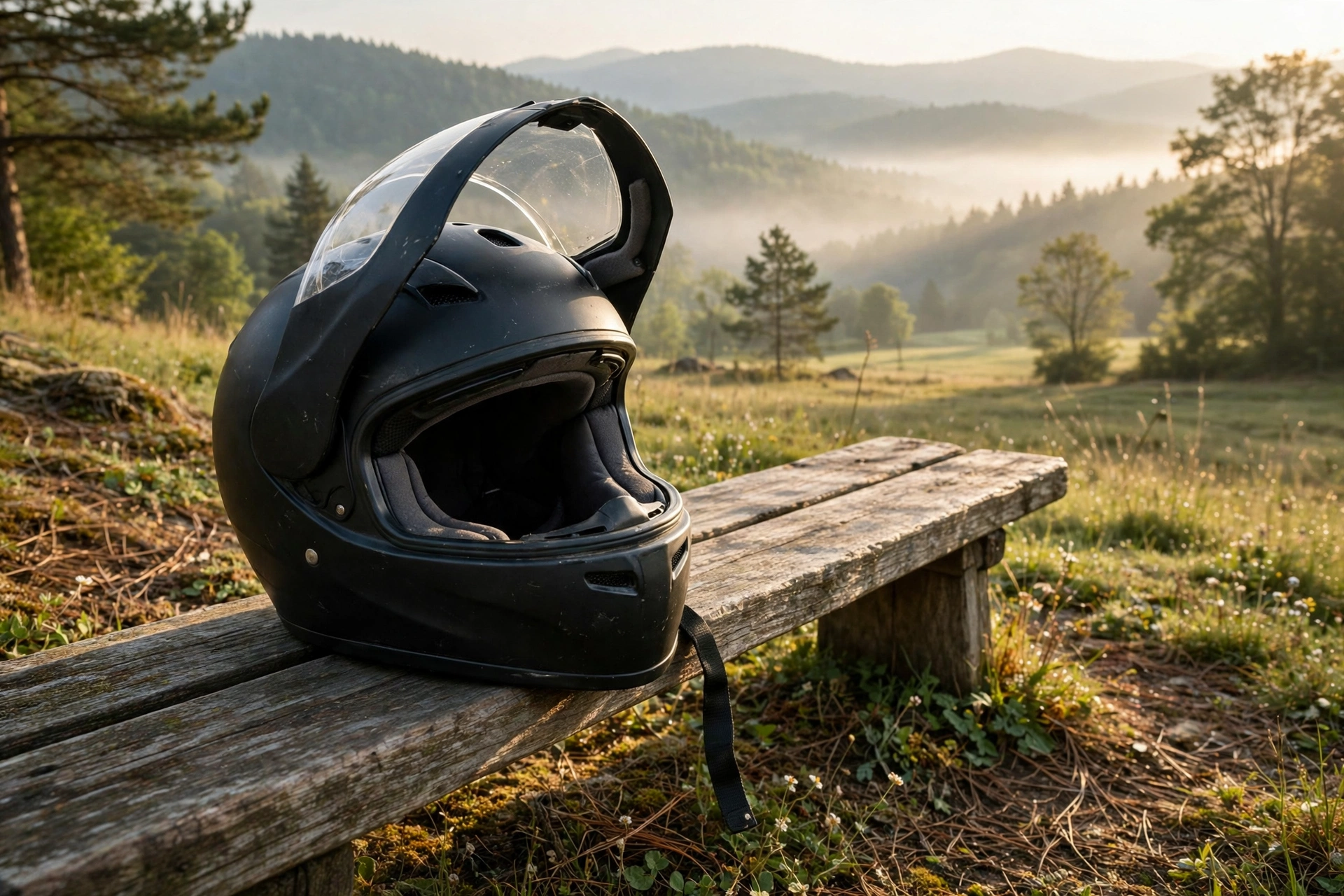
Yes, you can dry a helmet in sunlight, but only in gentle, indirect sunlight for a short time — strong direct sun can fade the shell, damage the padding, and weaken the materials over time. Sunlight is warm and drying, and on a mild day it can help a damp helmet dry faster. The problem is that the same ultraviolet light that dries the helmet also breaks down plastics and fabrics bit by bit. A short spell in soft morning sun is usually fine, but leaving a helmet baking in strong midday sun is a mistake.
Many riders are tempted to put a wet helmet on a sunny windowsill or outside on a hot day, because it seems like the fastest free way to dry it. It can work, but it needs care. This guide explains what sunlight does to a helmet, how to use it safely, and which drying methods are better when you have the choice.
Can Sunlight Dry a Helmet?
Yes, sunlight can dry a helmet, because the warmth of the sun speeds up evaporation and the open air carries moisture away. A damp helmet left in a sunny, breezy spot will dry faster than the same helmet left in a cool, still room. The visor and the outside of the shell dry first, while the thick padding inside takes longer, because sunlight does not reach deep into the helmet.
That said, sunlight is not the most even way to dry a helmet. The side facing the sun gets warm and dries quickly, while the shaded side stays cool and damp. That means you need to turn the helmet regularly if you want it to dry evenly, and even then the inside padding may stay damp long after the outside feels dry. In general terms, sunlight helps with surface drying, but it is not a complete drying method on its own.
What Are the Risks of Drying a Helmet in Direct Sun?
The main risk is ultraviolet damage. Helmet shells, visors, and padding are made from plastics and fabrics that break down slowly under ultraviolet light. Strong sun can fade the colours of a shell, make the surface look chalky or dull, and over time make the plastic more brittle. A visor left in strong sun can also develop a slight haze or lose some of its clarity.
Heat is the second risk. A dark-coloured helmet left in strong sun can get very hot, and that heat can soften the foam liner or warp the shell. The inside of a helmet can heat up even more than the outside, because the dark padding absorbs warmth and the enclosed shape traps it. That is why a helmet left on a sunny car dashboard or a sun-baked windowsill can come back misshapen or damaged.
There is also a risk to the rubber seals and glued parts. Heat and ultraviolet light can dry out rubber seals, make them crack, and weaken the glue that holds fittings in place. These effects do not happen in a single afternoon, but they build up over time, and a helmet that is regularly dried in strong sun will age faster than one that is dried in the shade.
How Do You Dry a Helmet in Sunlight Safely?
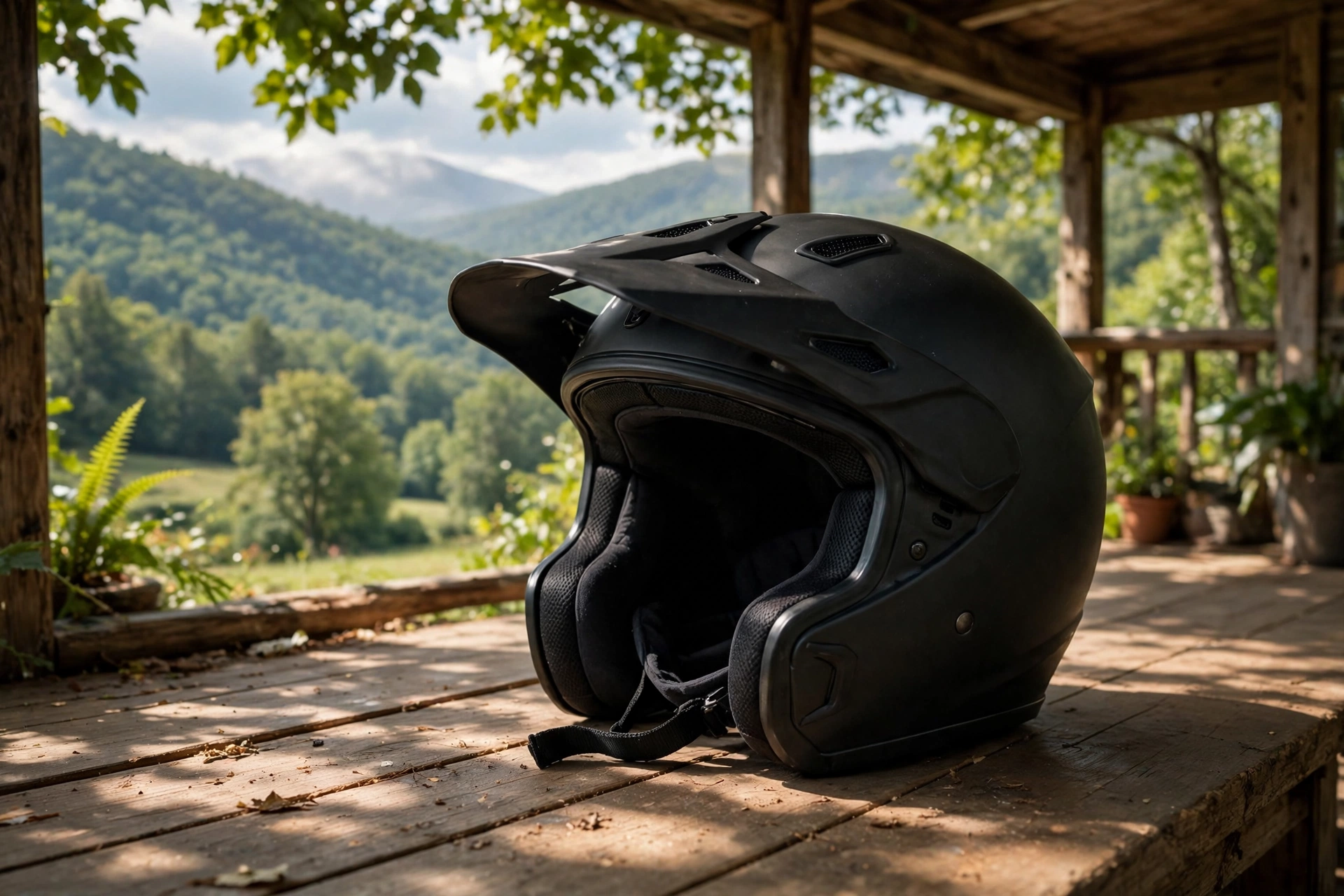
Choose gentle sun, not harsh midday sun. Early morning or late afternoon light is much weaker and cooler, and it will still help a helmet dry without putting the materials under stress. A spot that gets dappled sunlight through a tree or an awning is ideal, because the light is soft and the air is still moving.
Place the helmet upside down or on its side with the visor open, so air can flow through it and the padding can dry. Keep the helmet out of direct sun for the visor if you can, and turn the helmet every half hour or so to spread the light evenly. If the helmet feels hot to the touch, move it into the shade straight away — if it is too hot for your hand, it is too hot for the helmet.
Set a time limit. Half an hour to an hour in gentle sun is usually enough to help the drying process, and after that you can move the helmet into a shaded, well-ventilated spot to finish drying. That way you get the benefit of the sun without leaving the helmet exposed for hours. If you are learning about how helmet materials cope with heat and sunlight, reading about what MIPS is for helmets can help you understand one of the technologies used in modern helmet design.
How Long Should a Helmet Stay in the Sun?
In general terms, a helmet should not sit in direct sunlight for more than an hour at a time, and less is better on a hot, bright day. The goal is to give the helmet a little warmth and airflow, not to bake it. If the sun is strong enough to make you squint or feel hot on your skin within a few minutes, it is strong enough to be unkind to your helmet.
Remember that the padding inside takes the longest to dry, and sunlight does not reach it well. Even after an hour in the sun, the inside of the helmet may still be damp, so always finish drying in the shade with good airflow, and press the padding to check that it is fully dry before you store the helmet or wear it again.
What Are Better Alternatives to Sun Drying?
A fan is the best alternative, because it moves air through the helmet without any heat or ultraviolet light. Placing a helmet in front of a fan with the visor open will dry it steadily and safely, and you can leave it running for as long as needed. A fan is also more even than sunlight, because the air reaches all parts of the helmet.
A shaded, breezy spot outdoors or a well-ventilated room indoors will also dry a helmet well. Fresh air and airflow are what matter most, and you do not need direct sun to get them. Hanging the helmet upside down on a rack or stand in a breezy place lets air flow through it naturally.
If you need the helmet dry quickly, remove the pads and dry them separately. The pads dry much faster outside the helmet, and the shell dries faster too when the pads are out of the way. Combining that with a fan gives you the fastest safe drying method, with none of the risks that come from strong sunlight.
Frequently Asked Questions
Q: Will sunlight damage my helmet?
A: In general terms, a short time in gentle sun is unlikely to cause harm, but strong direct sunlight can fade the shell, haze the visor, and weaken materials over time. Keep sun exposure short and prefer shade.
Q: Can I dry my helmet on a sunny windowsill?
A: It is better not to. Glass can focus sunlight and make a windowsill very hot, and a helmet left there can overheat. Choose a shaded, breezy spot instead, or use a fan indoors.
Q: How do I know if my helmet is dry after sun drying?
A: Press the padding firmly with your fingers. If water comes out or the padding still feels cool and damp, it needs more time. Finish drying in the shade with good airflow before storing or wearing the helmet.

Olivia
Writer at Helmet Today, covering helmet reviews, fit and riding safety.