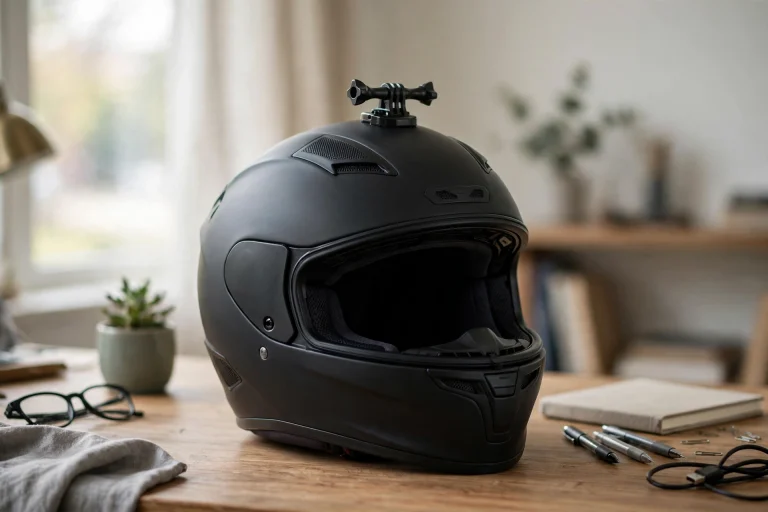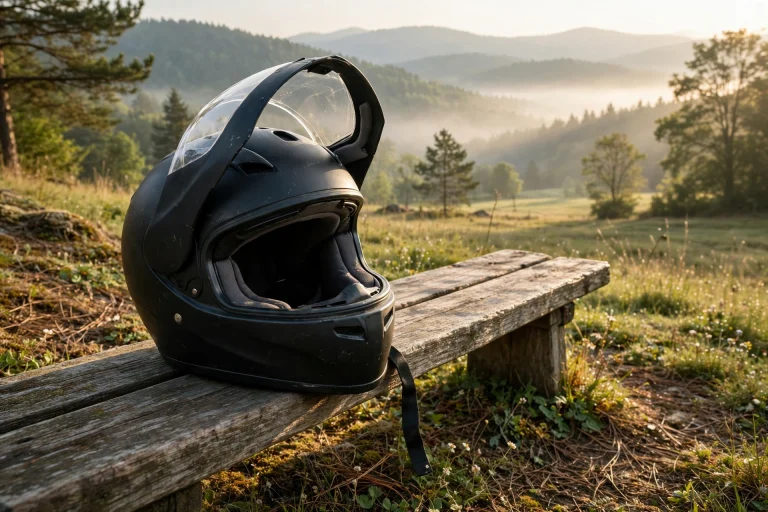
Yes, you can carry a helmet on a bus — most bus services allow it as hand luggage, and the best way to do it is in a helmet bag or held by the strap, kept on your lap or at your feet where it cannot roll around or get damaged. A helmet is a personal item, not oversized luggage, so it rarely causes a problem on a bus. The main challenges are keeping it safe in a crowded vehicle, not taking up someone else’s seat, and making sure it does not get knocked, scratched, or stolen while you ride.
Riders often need to take a bus after a breakdown, when they have parked a motorcycle somewhere, or when they are travelling to meet someone. A helmet is bulky and awkward to carry, and a bus can be crowded, bumpy, and full of people who do not expect to share the aisle with one. This guide explains the rules in general terms, the best ways to carry a helmet on board, and how to keep it safe until you get off.
Can You Take a Helmet on a Bus?
In general terms, yes. A helmet counts as a personal item or hand luggage on most bus services, and there is no common rule that bans helmets from buses. It is smaller than a large shopping bag or a backpack, and it does not need a separate ticket. If you are unsure, you can check with the driver before you board, but in most cases a helmet will not be a problem at all.
That said, buses do have rules about luggage that blocks aisles, doors, or emergency exits. A helmet left loose in the aisle could be a trip hazard, and a helmet placed on a seat during a busy service could take a seat someone else needs. As long as you keep the helmet on your lap, at your feet, or in the luggage rack, you are following the spirit of the rules.
How Should You Hold or Carry a Helmet on a Bus?
The simplest way is to carry the helmet by its chin strap, with the helmet hanging at your side. That keeps your hands free enough to hold a rail or show your ticket, and it keeps the helmet low where it is less likely to bump into other passengers. Hold it close to your body rather than letting it swing, because a swinging helmet can hit seats and people as the bus moves.
When you sit down, put the helmet on your lap or between your feet. On your lap, rest it with the opening facing down so it cannot roll, and keep one hand on it when the bus brakes. Between your feet, wedge it gently so it does not roll into the aisle, and avoid putting it where it will be kicked by other passengers.

What Is the Best Way to Keep a Helmet Safe on a Crowded Bus?
On a crowded bus, the biggest risks to a helmet are knocks, scratches, and being knocked off a seat. Keep the helmet close to you at all times, and avoid putting it on a luggage rack where it can slide around or be knocked by other bags. If the rack is your only option, place the helmet with the opening facing down and wedge it between softer bags so it cannot roll.
Avoid putting the helmet on the floor near the door, where it can be kicked by people getting on and off. The floor by your own seat is safer, but even there it can be kicked if the bus is packed. Holding the helmet on your lap is the safest choice on a crowded bus, even if it is less comfortable, because it stays under your control.
Should You Use a Helmet Bag on the Bus?
Yes, a helmet bag is a good idea for bus travel. A soft padded bag protects the shell and the visor from scratches, and it also makes the helmet easier to carry, because most bags have a handle or a shoulder strap. It also keeps the helmet clean, which matters if the bus seats or floor are dusty.
A bag also makes the helmet look like ordinary luggage, which can help on a busy service. Other passengers are less likely to bump into a bag than a bare helmet, and a driver is less likely to question a bagged helmet than a loose one. If you travel by bus with your helmet often, a simple bag is a worthwhile purchase.
If you do not have a helmet bag, a large reusable shopping bag or a pillowcase can work as a quick cover. It will not protect the helmet as well as a padded bag, but it will stop the visor from getting scratched by zips, keys, or other hard objects. Whatever you use, make sure the helmet is dry before you put it in a bag, so moisture does not get trapped inside. If you are learning about helmet care and the parts that need looking after, reading about what MIPS is for helmets can help you understand one of the technologies used in modern helmet design.
What Should You Do with a Wet or Dirty Helmet on a Bus?
If your helmet is wet from rain, try to shake off as much water as you can before you board, and keep it in a bag or on a towel if you have one. A wet helmet can drip onto the seat or the floor, which is unpleasant for other passengers, and it can also leave the inside of the helmet damp for longer if it is sealed in a bag while wet.
If the helmet is muddy or dirty, wipe the outside with a cloth or a tissue before you get on the bus. That keeps the dirt off the seats and off other passengers’ clothes, and it also stops grit from scratching the visor while the helmet is being carried. A quick wipe takes a minute and makes the journey pleasanter for everyone.
When you get home, take the helmet out of its bag and let it air dry with the visor open, even if it only feels slightly damp. A helmet that is put away wet after a bus journey can develop a stale smell, and the padding will take much longer to dry inside a closed bag than it will in open air.
Frequently Asked Questions
Q: Do I need to pay extra to take a helmet on a bus?
A: In general terms, no. A helmet counts as a personal item or hand luggage on most bus services, so it does not need a separate ticket. If you are unsure, ask the driver before you board.
Q: Where should I put my helmet on a bus?
A: On your lap or between your feet is best. Avoid the aisle, the seat next to you on a busy bus, and the floor by the door, where the helmet can be kicked or become a trip hazard.
Q: Is a helmet bag worth it for bus travel?
A: Yes. A padded helmet bag protects the shell and visor from scratches, makes the helmet easier to carry, and keeps it clean. Even a simple cloth bag is better than carrying a bare helmet on a crowded bus.

Olivia
Writer at Helmet Today, covering helmet reviews, fit and riding safety.