Helmet cleaning kits are sets of purpose-made products for washing a helmet safely — usually a gentle cleaner, a microfibre cloth, and sometimes a separate spray for the visor and a wash for the removable liner. They are designed to clean sweat, bugs, dust, and road grime without damaging the shell, the visor coating, or the padding inside. For riders who want to keep a helmet fresh without guessing which household cleaner is safe, a kit takes the guesswork out.
A helmet picks up a lot over time: sweat and skin oils inside, insects and dust outside, and a smeared visor that makes it hard to see. Regular cleaning keeps the helmet comfortable and the vision clear, and it also helps the helmet last longer. This guide explains what is in a helmet cleaning kit in general terms, how to use one, and what to look for when buying.
What Is in a Helmet Cleaning Kit?
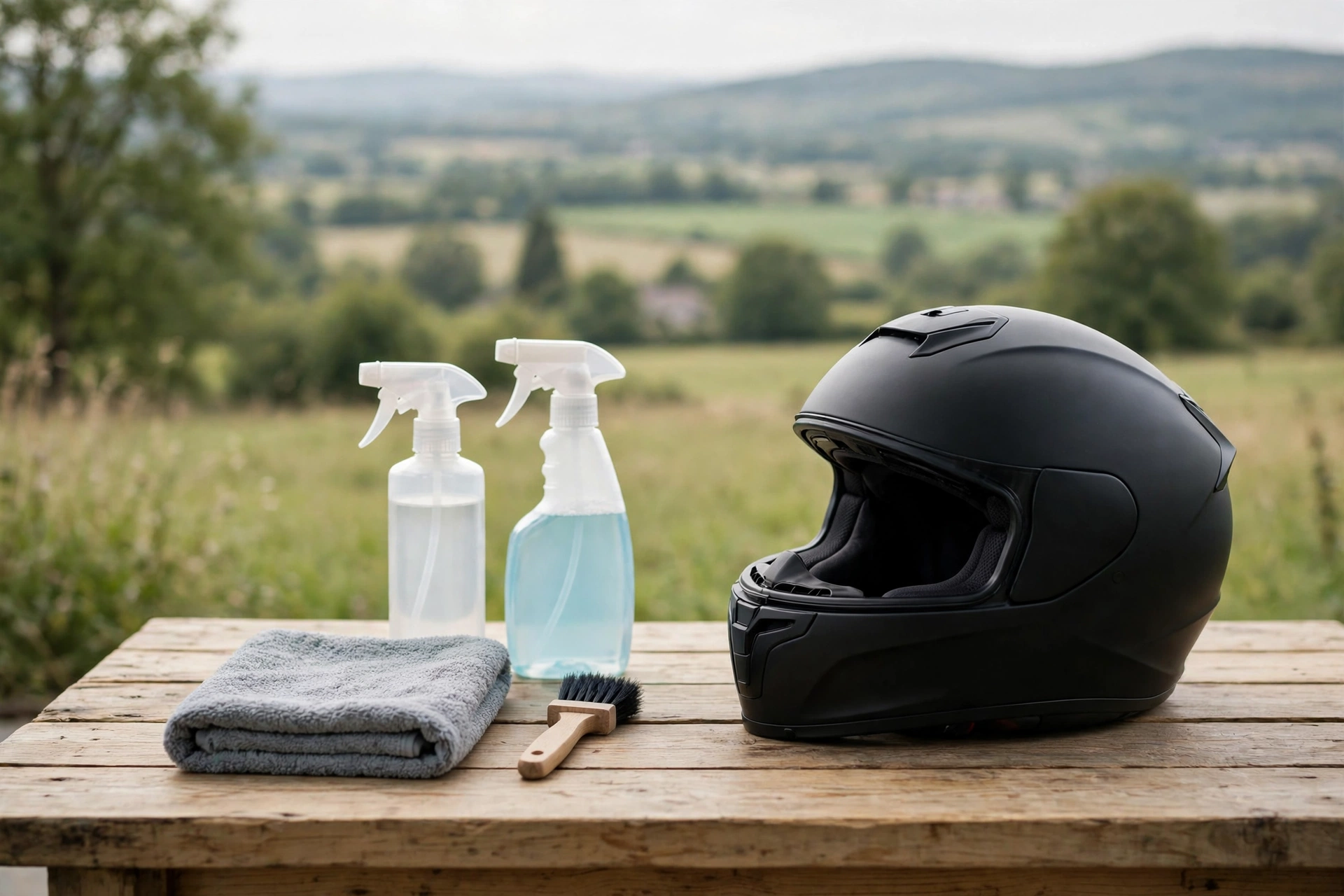
Most kits start with a helmet cleaner, a gentle spray or foam that lifts dirt from the shell without stripping the paint or the finish. This is usually a pH-neutral product, which means it is mild enough not to damage the materials a helmet is made from. Some kits include a separate visor cleaner, which is made to work on the clear plastic of a visor without scratching it or damaging any anti-fog or anti-scratch coating.
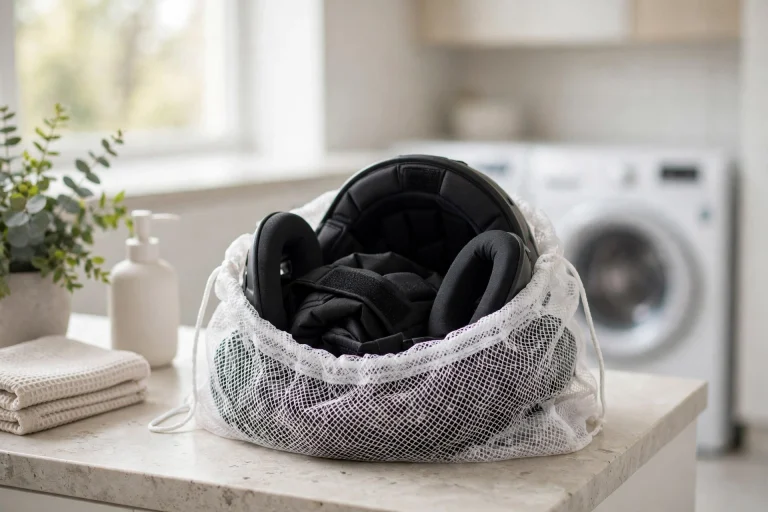
A microfibre cloth is almost always included, and it is one of the most important parts of the kit. Microfibre lifts dirt without scratching, which matters for both the shell and the visor. Some kits add a second cloth for drying, a soft brush for vents, or a small sponge for the liner. A few kits also include a liner wash, a gentle detergent for the removable padding that can be hand-washed or machine-washed on a gentle cycle.
More complete kits may add an anti-fog treatment for the inside of the visor, a deodorising spray for the liner, or a water-repellent treatment for the outside of the visor. These extras are useful, but they are not essential: a basic kit with a cleaner, a visor spray, and a good cloth covers most of what a helmet needs.
How Do You Clean a Helmet with a Kit?
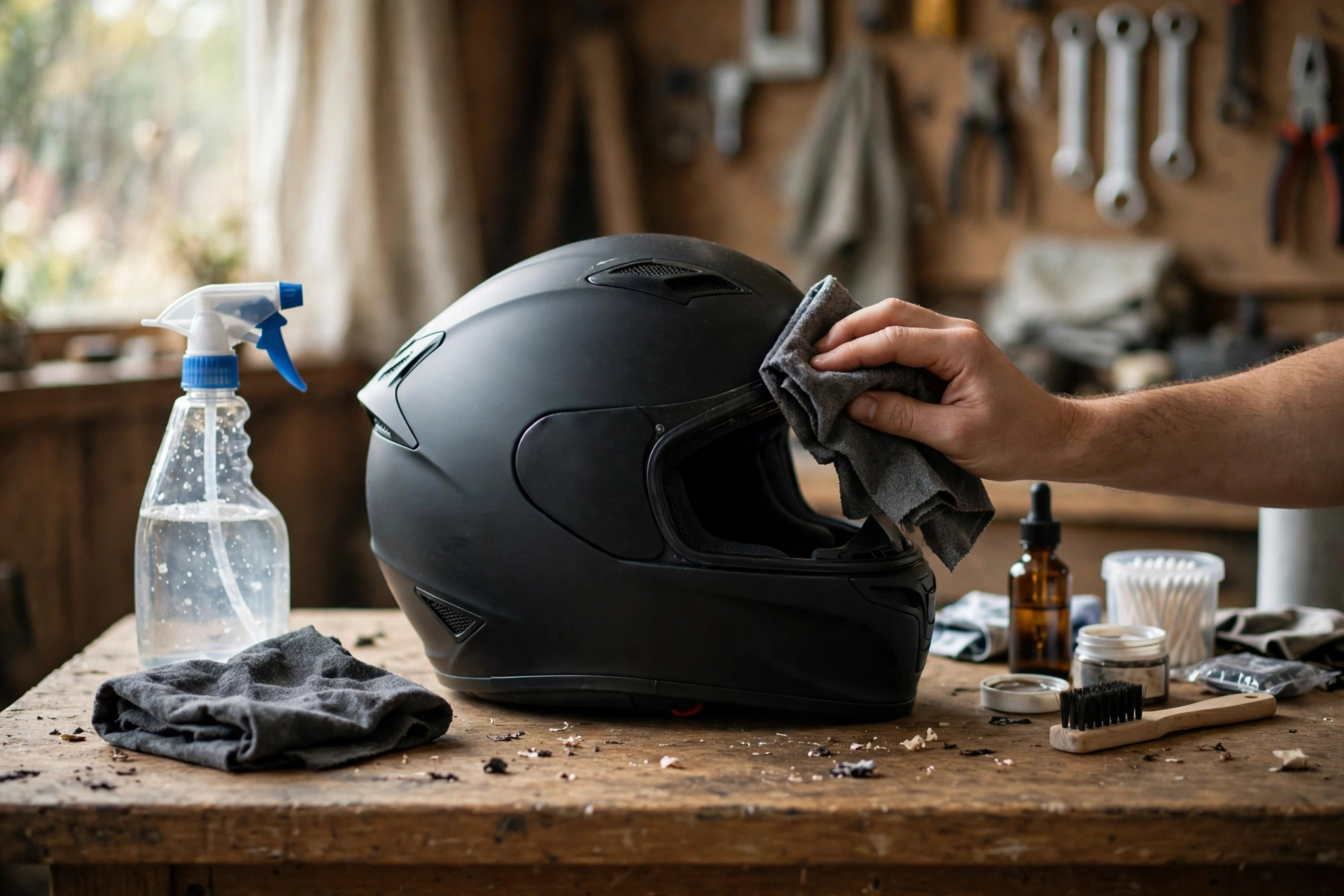
Start with the outside. Spray the cleaner onto the shell and the visor, or onto the cloth, and wipe gently to lift the dirt. For dried insects, it helps to lay a damp cloth over the area for a few minutes to soften them before wiping, since scrubbing at them can scratch the paint or the visor. Work in small sections and rinse the cloth often so you are not dragging grit across the surface.
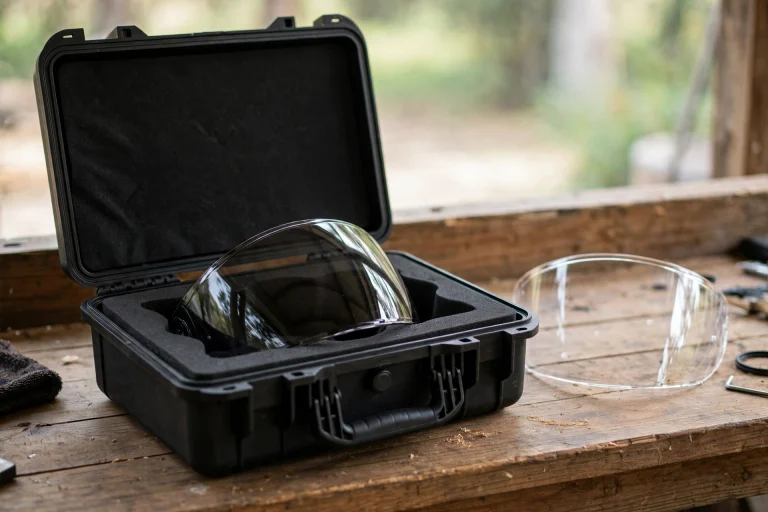
Next, clean the visor on its own. Use the visor cleaner and a clean microfibre cloth, wiping in straight lines rather than circles, and check the visor against the light to make sure it is clear. If the visor has a coating, avoid paper towels or rough cloths, which can damage it. A visor that is scratched or cloudy should be replaced rather than cleaned harder, since no cleaner can fix a damaged coating.
Then turn to the inside. Remove the liner if it comes out, and wash it by hand or on a gentle cycle with the liner wash from the kit, then let it air-dry completely. If the liner is fixed, wipe it with a damp cloth and a little cleaner, and let the helmet air out in a well-ventilated place. Never use a hairdryer or a radiator to dry a helmet, since heat can damage the padding and the shell. If you want to understand the safety systems inside your helmet while you clean it, reading about what MIPS is for helmets is a helpful background read.
Why Use a Kit Instead of Household Cleaners?
Household cleaners are made for kitchens and bathrooms, not for helmets, and some of them can damage the materials a helmet is made from. Solvents, ammonia-based glass cleaners, and abrasive creams can attack the shell, cloud the visor, or break down the foam in the liner. Even a cleaner that seems mild can cause problems if it is left on the surface or used repeatedly.
A purpose-made kit avoids this risk. The products in it are chosen to be safe for the shell, the visor, and the liner, so you can clean the helmet without worrying about what is in the bottle. That peace of mind is the main reason to buy a kit rather than reaching for whatever is under the sink.
How Do You Choose a Good Cleaning Kit?
Look first at what is in the kit and whether it matches your helmet. A kit made for motorcycle helmets should work for most types, but if your helmet has a special visor coating, check that the visor cleaner is safe for it. If your helmet has a removable liner, a kit with a liner wash is more useful than one without.
Check the size of the bottles too. A small kit is handy for travel, but a larger one is better value if you clean your helmet often. In general terms, a little cleaner goes a long way, so even a small kit should last for several cleans. Look for a kit that includes at least two cloths, so you have one for washing and one for drying.
Finally, consider the extras. An anti-fog treatment can be useful if your visor mists up, and a deodoriser can help if the liner smells after a hot ride. These are worth having if they are included, but they should not be the reason to choose a kit: the core cleaner and cloth matter more. Read the labels and choose a kit from a brand you trust, rather than the cheapest option on the shelf.
How Often Should You Clean Your Helmet?
How often you clean a helmet depends on how often you ride and in what conditions. A helmet used every day in all weathers will need cleaning more often than one used for a short weekend ride. In general terms, wiping the visor after every ride and giving the shell a clean once a week is a good routine for a regular rider.
The liner needs attention too. Sweat builds up inside a helmet, and a liner that is never washed can start to smell and can irritate the skin. Washing the liner every few weeks, or more often in hot weather, keeps it fresh and comfortable. If the liner is not removable, airing the helmet out after each ride and wiping the inside with a damp cloth will help.
Frequently Asked Questions
Q: Can I use washing-up liquid to clean my helmet?
A: In general terms, a mild soap is often fine, but a purpose-made kit is safer. Household cleaners can contain solvents or chemicals that damage the shell or the visor coating, so a kit made for helmets removes the guesswork.
Q: How do I clean the inside of my helmet?
A: If the liner comes out, wash it by hand or on a gentle cycle and let it air-dry. If it is fixed, wipe it with a damp cloth and a little mild cleaner, then let the helmet air out in a ventilated place.
Q: Can I put my helmet in the washing machine?
A: No. The shell and the protective liner should never go in a washing machine. Only a removable comfort liner should be machine-washed, and only on a gentle cycle if the maker says it is safe.

Olivia
Writer at Helmet Today, covering helmet reviews, fit and riding safety.