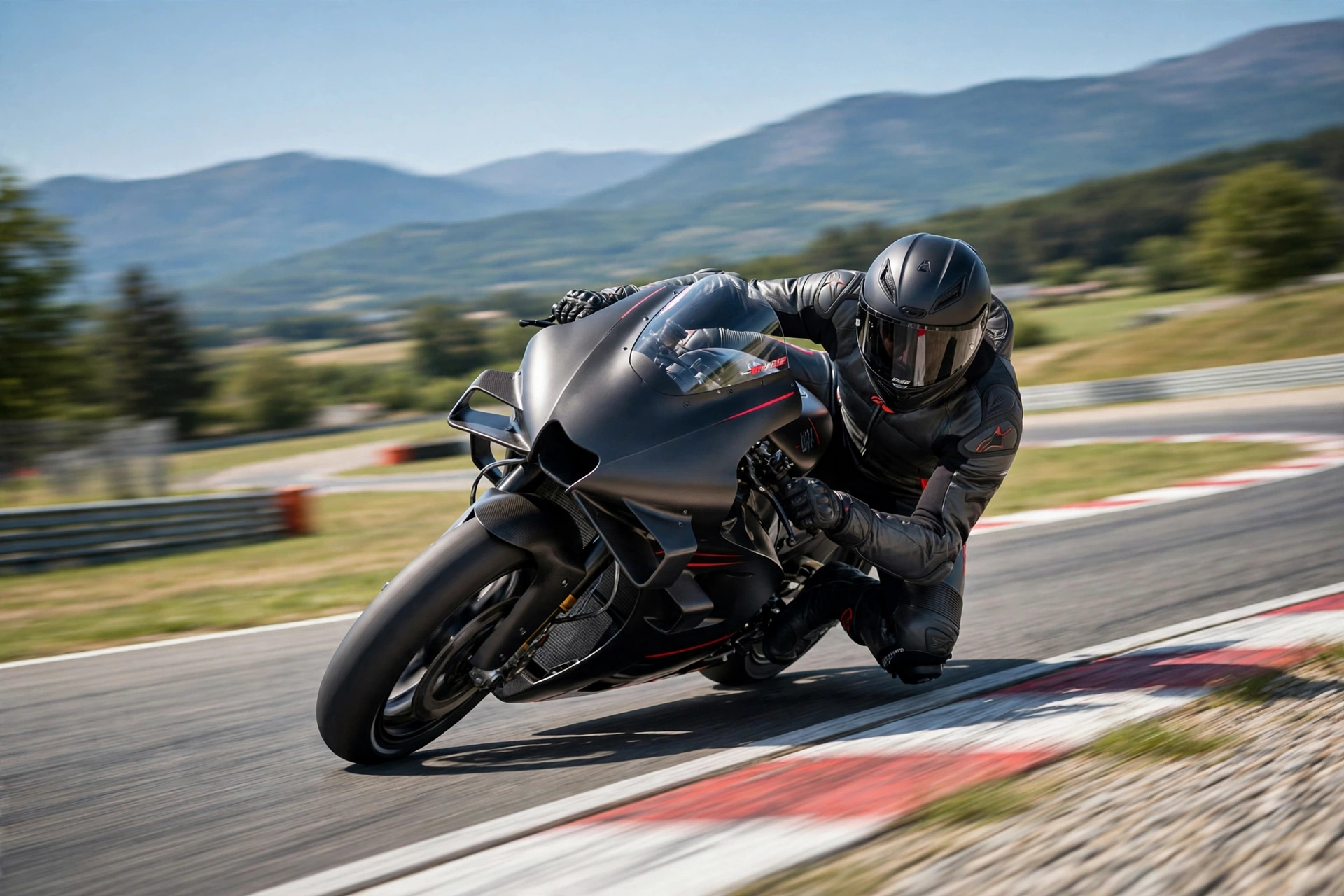
The FIM FRHPhe-01 helmet standard is a motorcycle racing helmet standard set by the FIM, the governing body for world motorcycle sport, for use in its top-level road racing championships. It is an extra layer of certification on top of the usual road helmet standards, and it applies to helmets worn in series such as MotoGP. The standard was created because racing crashes at very high speed put different demands on a helmet than everyday road riding, and the FIM wanted a test programme that matched those demands.
Who Sets the FIM FRHPhe-01 Standard?
The standard is set by the FIM, the Fédération Internationale de Motocyclisme, which governs motorcycle sport around the world. The FIM writes the technical rules for the championships it sanctions, and helmet certification is part of that work. The letters FRHPhe stand for the FIM Racing Homologation Programme for helmets, which is the scheme under which racing helmets are tested and approved.
The “01” in the name marks this as the first version of the standard under that programme. Like other standards, it can be updated as testing methods improve and as more is learned about head injuries in racing crashes. Manufacturers submit their helmets to approved laboratories, and only helmets that pass the tests can carry the FIM homologation label.
What Does the FIM FRHPhe-01 Standard Test For?
In general terms, the FIM FRHPhe-01 standard tests a helmet’s ability to protect a rider in the kinds of crashes seen in top-level motorcycle racing. Impact testing is central: helmets are dropped and struck in several places, including the sides and the chin bar, and the force that reaches the head is measured. The standard also tests how the helmet behaves in oblique impacts, where the head hits a surface at an angle and twists, since that is a common feature of racing crashes.
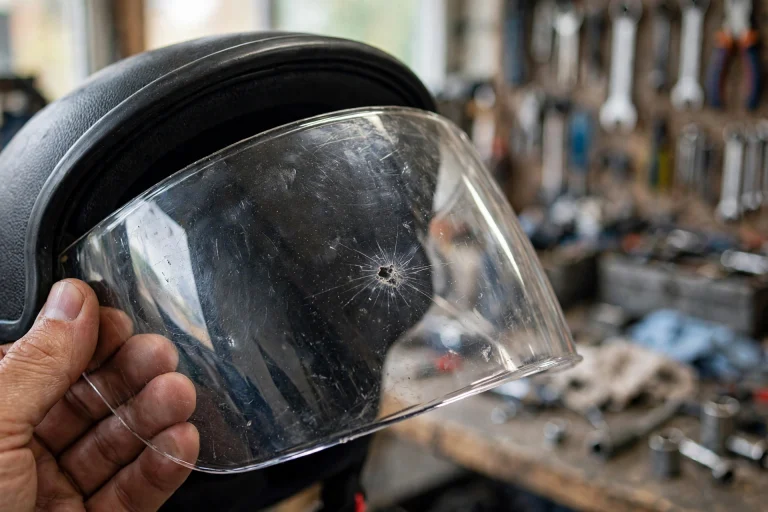
The visor is tested as well, because it must stay in place and protect the rider’s eyes at very high speeds. The shell is checked for penetration resistance, and the chin strap and fastening system are tested to make sure the helmet stays on the head during a crash. If you want to understand one of the safety technologies used in modern helmets, reading about what MIPS is for helmets is a good place to start, since rotational forces are a key concern in this kind of testing.
How Is the FIM FRHPhe-01 Standard Different From Road Helmet Standards?
The FIM FRHPhe-01 standard is an additional racing certification, not a replacement for road helmet standards. A helmet that carries the FIM label must first meet a recognised road standard, such as the European ECE standard, and then pass the extra FIM racing tests on top. This two-layer approach means the helmet is legal for the road and also proven for the track.
The extra tests are designed around the speeds and crash types seen in Grand Prix racing. Riders can crash at very high speeds and slide for a long distance, so the helmet must cope with repeated impacts and with forces that are less common in everyday road accidents. In general terms, a helmet that passes the FIM standard has been through a tougher test programme than a helmet certified only to a road standard.
Do All Motorcycle Racers Have to Wear an FIM FRHPhe-01 Helmet?
No, not all motorcycle racers have to wear a helmet to this standard. It is required in the FIM’s top-level road racing championships, such as MotoGP, and in some other FIM series, but lower-level and national racing often allows helmets certified to other recognised standards. A rider should always check the rules of the championship they are entering, because the wrong helmet can mean being turned away at scrutineering.
Many riders in series that do not require the FIM standard still choose helmets that carry it, because of the extra protection it represents. The choice often comes down to budget and the level of risk involved. Helmets to this standard usually cost more than ordinary road helmets, and for a rider racing at club level, a helmet certified to the standard their series requires may be the sensible choice.
How Can You Tell If a Helmet Meets the FIM FRHPhe-01 Standard?
A helmet that meets the standard carries an FIM homologation label, usually found inside the helmet or on the chin strap. The label shows the standard and the homologation details, and it is the proof that the helmet model passed the required tests. Scrutineers at a race meeting will look for this label, so it should be kept in place and easy to read.
It is also worth checking that the label is genuine and that the helmet is the real product, not a copy. Buying from an authorised dealer is the safest way to do this. In general terms, if a deal looks too good to be true, or the label looks poorly printed or wrong, it is worth asking questions before spending money on the helmet.
When Should an FIM FRHPhe-01 Helmet Be Replaced?
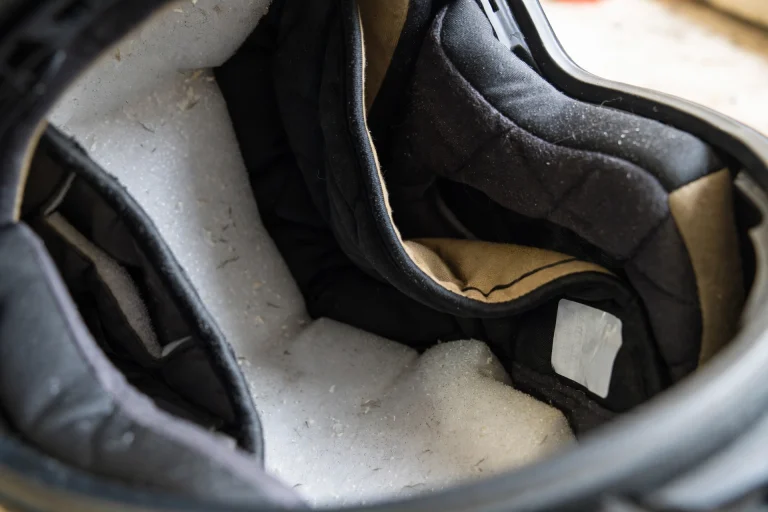
An FIM FRHPhe-01 helmet should be replaced after a hard impact, even if it looks undamaged from the outside. The liner inside a helmet can compress or crack when it absorbs a heavy blow, and that damage may not be visible under the shell. A helmet that has already taken a serious hit may not protect as well the next time, so it is generally sensible to retire it and use a new one.
Age matters as well. Homologations can have a lifespan, and a helmet may no longer be accepted at scrutineering after a certain date even if it is in good condition. Materials also age: sweat, heat, and time can wear down the liner and the straps. Checking the helmet before each event, looking for cracks, worn padding, or a loose fit, is a good habit, and replacing it when it no longer fits snugly or shows signs of wear is the right call.
Is the FIM FRHPhe-01 standard required for MotoGP?
Yes, in general terms helmets worn in the FIM’s top-level road racing championships, including MotoGP, must carry FIM racing homologation to this standard.
Can I use an FIM FRHPhe-01 helmet on the road?
Yes, in general terms a helmet with FIM racing homologation also meets a recognised road standard, so it can be used on the road where that road standard is accepted.
Does the FIM FRHPhe-01 standard test the chin bar?
Yes, in general terms the chin bar is tested as part of the standard, since it must protect the jaw and face and stay in place during a high-speed racing crash.

Olivia
Writer at Helmet Today, covering helmet reviews, fit and riding safety.