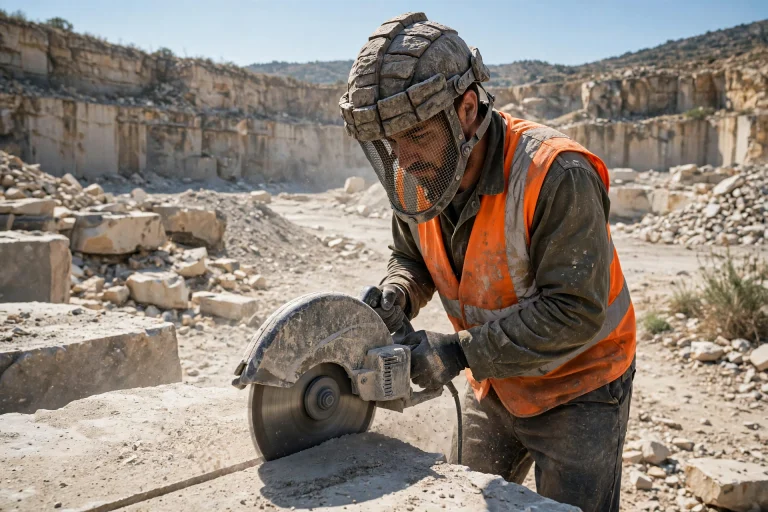
The CSA Z94.1 standard is the Canadian standard for industrial protective headwear, setting the requirements for safety helmets worn on work sites across Canada. It covers the design, testing, and marking of helmets that protect workers against impacts, falling objects, and electrical hazards. The standard is published by the Canadian Standards Association, and it is the benchmark that employers and safety officers in Canada use when choosing head protection for their workers.
Who Sets the CSA Z94.1 Standard?
The standard is set by the Canadian Standards Association, known as CSA Group, which writes standards for a wide range of products and workplaces in Canada. CSA Z94.1 is the specific standard for industrial head protection, and it is reviewed and updated from time to time as testing methods improve and as more is learned about workplace head injuries.
In Canada, occupational health and safety rules often point to CSA Z94.1 as the standard that helmets must meet. That means an employer who provides head protection is expected to supply helmets that comply with it. Workers and safety officers can check the label inside a helmet to confirm that it meets the standard and which class and type it belongs to.
What Does the CSA Z94.1 Standard Test For?
In general terms, the CSA Z94.1 standard tests a helmet’s ability to protect the wearer against impacts from above and from the side. During testing, objects are dropped onto the helmet and the force that passes through to the head is measured. The helmet must keep that force below the limits set by the standard, and it must resist penetration by sharp objects.
The standard also covers electrical protection, since many work sites have live electrical equipment nearby. Some helmets are rated to protect against electrical contact, and the standard sets out how that protection is tested. The helmet’s shell, liner, and chin strap are all part of the test programme, and the helmet must stay on the head and stay intact during the tests.

What Are the Types and Classes in CSA Z94.1?
CSA Z94.1 divides helmets into types and classes so that the right helmet can be chosen for the job. The types describe the kind of impact protection the helmet gives, such as protection against blows from above or from the side. The classes describe the level of electrical protection, from helmets with no electrical rating to those rated for work near live electrical conductors.
Choosing the right type and class starts with a risk assessment of the work site. A worker on a site with overhead hazards needs a different helmet from a worker in a factory where side impacts are the main risk. The label inside the helmet shows its type and class, and that label is the quickest way to check whether a helmet is right for a particular job.
The electrical class is especially important on sites where workers may come close to live parts without touching them directly. A helmet with no electrical rating may be fine for general construction work, but it is not the right choice for an electrician or for anyone working in a substation. When in doubt, the safety officer or supervisor should be asked which class is required, since choosing the wrong class can leave a worker exposed to a serious risk.
How Is CSA Z94.1 Different From Other Helmet Standards?
CSA Z94.1 is the Canadian standard, while other countries have their own. The United States uses the ANSI standard for industrial head protection, and Europe uses the EN 397 standard. Each of these standards tests helmets in a slightly different way, and a helmet that passes one may not automatically pass another, even though the aims are similar.
In general terms, the differences are in the details of the tests, the impact energies used, and the way helmets are marked. A helmet sold in Canada should carry the CSA mark, and a helmet sold in the United States should carry the ANSI mark. Workers who move between countries should check that their helmet meets the standard required where they are working.
How Should a CSA Z94.1 Helmet Fit?
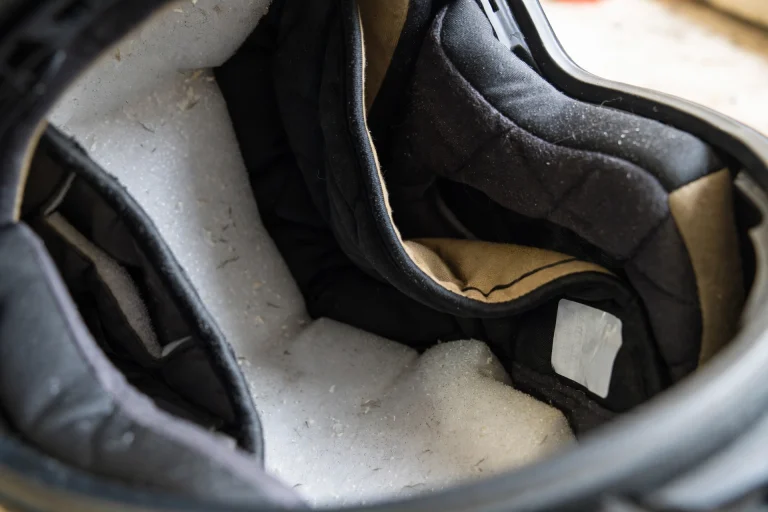
A CSA Z94.1 helmet should fit snugly and sit level on the head, with the suspension system adjusted so that there is a gap between the shell and the top of the head. That gap is important, because it gives the shell room to flex and absorb the force of an impact. If the helmet sits too low or too high, it may not protect as well as it should. If you want to understand one of the safety technologies used in modern helmets, reading about what MIPS is for helmets is a good place to start, though industrial helmets use a different kind of liner and suspension system.
The chin strap should be fastened when working at height or where the helmet could be knocked off. Comfort matters too, because a helmet that pinches or presses will soon be taken off. A good fit means the helmet stays in place, feels balanced, and can be worn for a whole shift without becoming a distraction.
When Should a CSA Z94.1 Helmet Be Replaced?
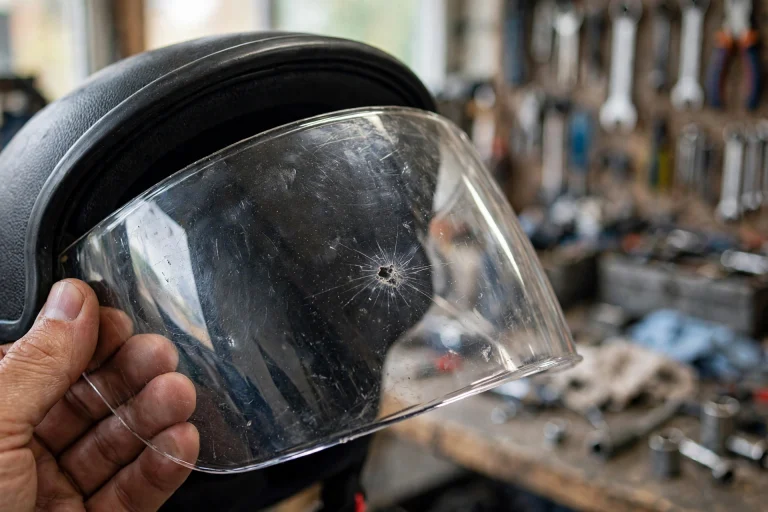
A CSA Z94.1 helmet should be replaced after a hard impact, even if it looks fine from the outside. The shell can develop small cracks that are hard to see, and the suspension can be damaged by a heavy blow. A helmet that has already absorbed a serious impact may not protect as well the next time, so it is generally sensible to retire it and use a new one.
Age matters as well. Sun, heat, and chemicals can weaken the shell over time, and the suspension and straps wear out with daily use. Checking the helmet before each shift is a good habit: look for cracks, fading, worn straps, or a suspension that no longer holds its shape. If anything seems wrong, or if the helmet is old and heavily used, it is time for a new one rather than risking another blow.
Is CSA Z94.1 the law in Canada?
In general terms, occupational health and safety rules in Canada point to CSA Z94.1 as the standard industrial helmets must meet, so employers are expected to supply helmets that comply with it.
Can I use a CSA Z94.1 helmet in the United States?
Not automatically. The United States has its own ANSI standard for industrial head protection, so a helmet used there should meet the standard required by the rules in that workplace.
What does the class on a CSA Z94.1 helmet mean?
The class describes the helmet’s electrical protection, from helmets with no electrical rating to those rated for work near live electrical conductors.

Olivia
Writer at Helmet Today, covering helmet reviews, fit and riding safety.