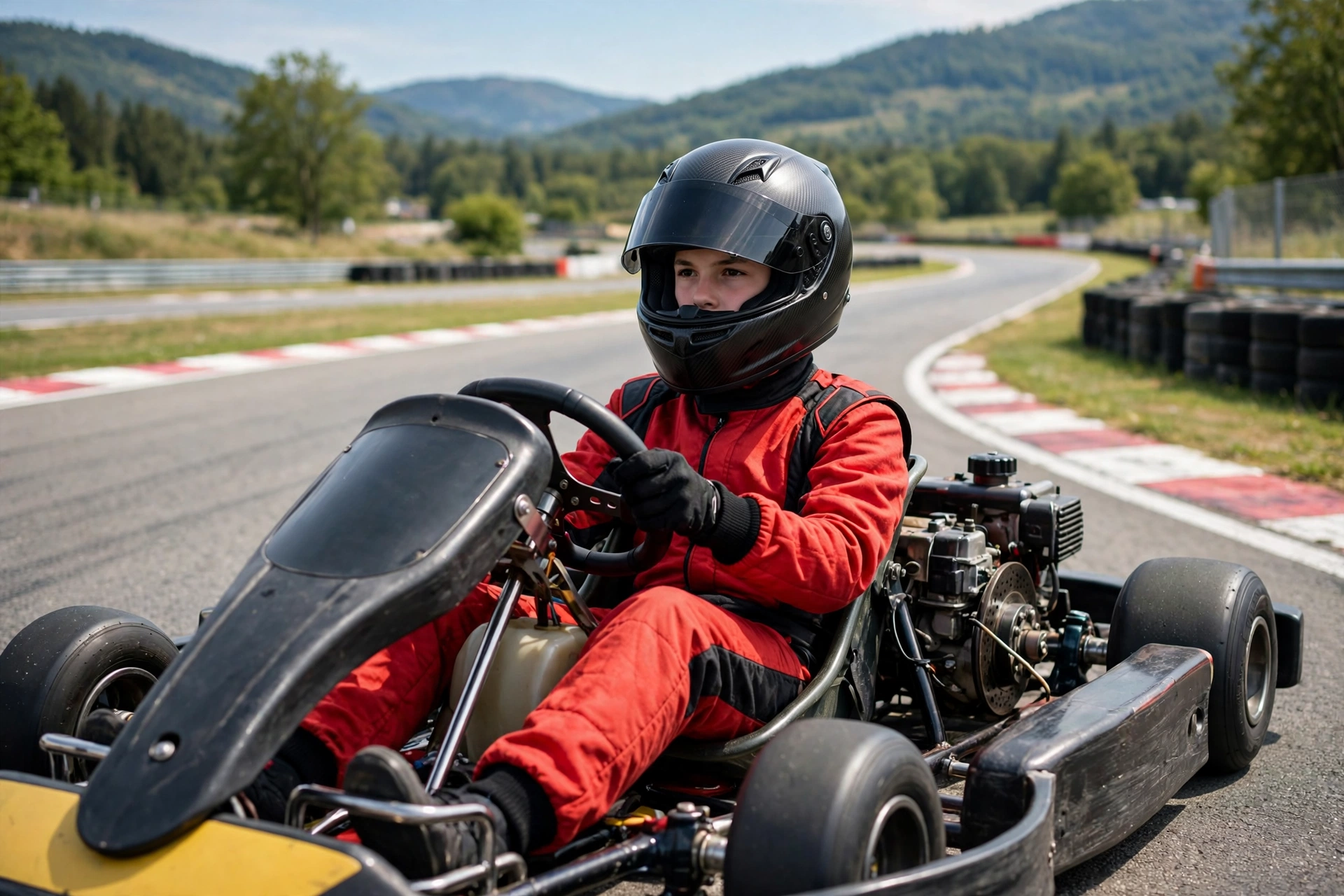
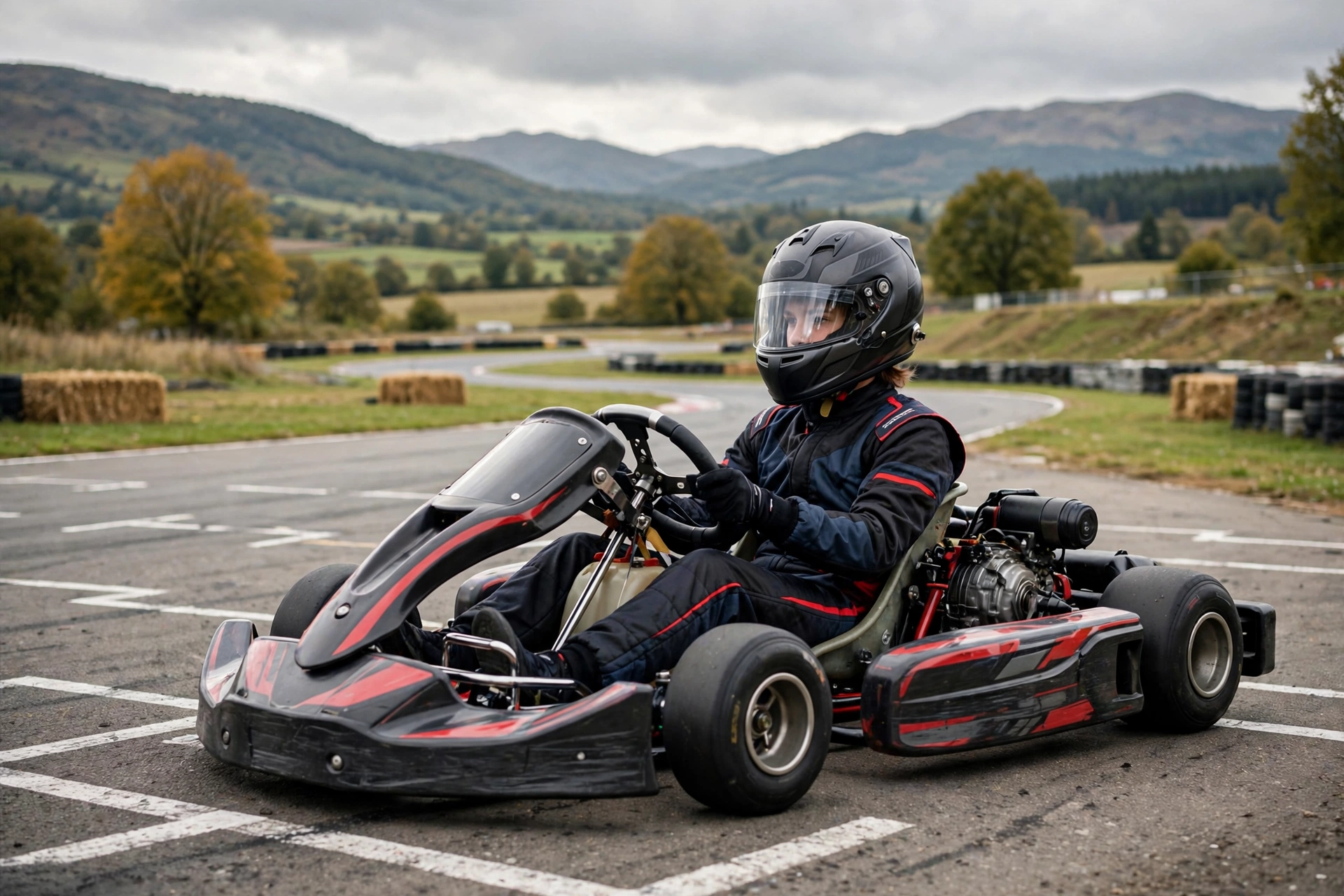
The Snell K2020 standard is the safety standard for helmets worn in kart racing, published by the Snell Memorial Foundation. It sets the requirements for karting helmets, covering impact protection, retention, and the materials used, so that young and adult kart racers have head protection that is tested for the speeds and forces of karting. Kart racing is fast, low to the ground, and unforgiving, and a helmet to K2020 is designed for exactly that kind of racing.
Who Sets the Snell K2020 Standard?
The Snell K2020 standard is set by the Snell Memorial Foundation, a non-profit organisation in the United States that has been writing helmet safety standards since the 1950s. Snell standards are widely used in motorsport, and the K series is the one written for karting. The “2020” in the name shows the year the standard was published, and it is the current version for karting helmets.
Snell standards are voluntary in the sense that no law forces a maker to follow them, but many karting clubs and race organisers require helmets that meet Snell K2020 or an equivalent standard. That means a racer who turns up with a helmet that does not meet the required standard may not be allowed to race. Checking the label inside the helmet is the quickest way to confirm that it meets K2020.
What Does the Snell K2020 Standard Test For?
In general terms, the Snell K2020 standard tests a karting helmet’s ability to protect the wearer in a crash. During testing, the helmet is dropped onto hard surfaces from a height, and the force that passes through to the head is measured. The helmet must keep that force below the limits set by the standard, and it must resist penetration by sharp objects.
The standard also tests the retention system, which is the chin strap and fastening that keeps the helmet on the head. In a crash, a helmet that comes off is no protection at all, so the strap is pulled and shaken during testing to make sure it holds. The helmet’s shell and liner are tested together, since they work as a system to absorb the force of an impact.
How Is Snell K2020 Different From Other Karting Standards?
Snell K2020 is one of several standards used for karting helmets. Other standards include the FIA karting helmet standard and the CMR standard for children’s karting helmets. Each of these standards is written for karting, but they differ in the details of their tests and in the age groups they cover.
Snell K2020 covers both young and adult kart racers, and it is recognised by many karting organisations around the world. The CMR standard, by contrast, is written specifically for children, with smaller head sizes and lower impact energies in mind. A racer should check which standard their club or race series requires, since the wrong standard can mean being turned away at scrutineering.
How Should a Snell K2020 Helmet Fit?
A Snell K2020 helmet should fit snugly and sit level on the head, with no movement when the wearer shakes their head from side to side. The helmet should press gently on the cheeks and forehead, without pinching or leaving the wearer in pain. A helmet that is too loose may come off in a crash, while one that is too tight will be a distraction and may be taken off between races. If you want to understand one of the safety technologies used in modern helmets, reading about what MIPS is for helmets is a good place to start, though karting helmets use a different kind of liner and shell design.
The chin strap should be fastened snugly before every session, and it should be checked that the helmet cannot be pulled off the head from the back. Young racers grow quickly, so their helmets should be checked for fit at the start of each season. A helmet that fitted last year may be too small now, and a too-small helmet is not just uncomfortable, it may not protect as well as it should.
When Should a Snell K2020 Helmet Be Replaced?
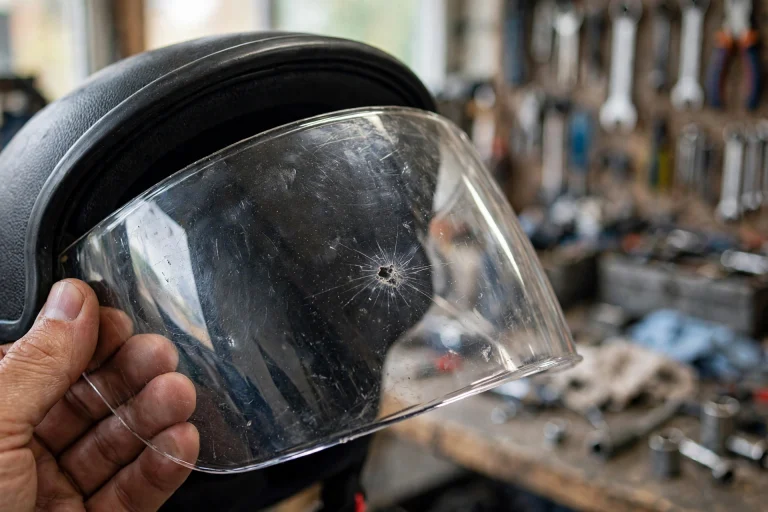
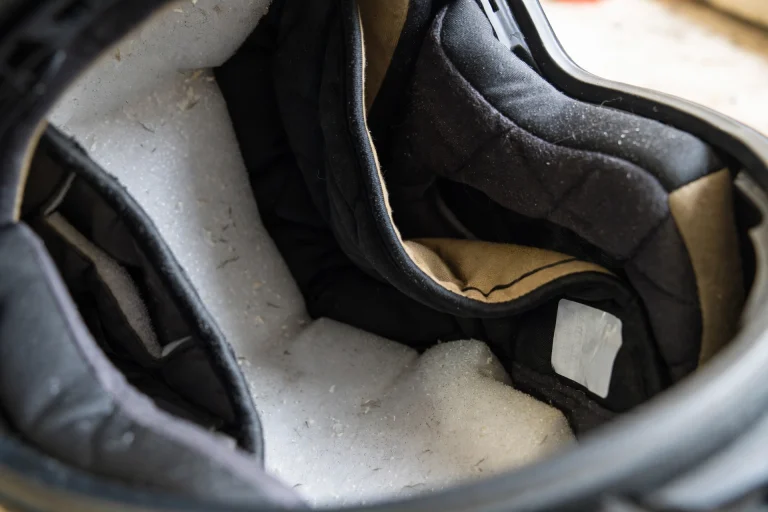
A Snell K2020 helmet should be replaced after a hard crash, even if it looks fine from the outside. The liner can be compressed by an impact in a way that is hard to see, and the shell can develop small cracks that weaken it. A helmet that has already absorbed a serious impact may not protect as well the next time, so it is generally sensible to retire it and use a new one.
Age matters as well. The materials in a helmet break down over time, and the liner can become less effective even without a crash. Many karting organisations set a limit on how old a helmet can be, and the date of manufacture is usually shown on the label inside. Checking the label and replacing an old helmet is a simple way to make sure the protection is still up to the standard.
Is Snell K2020 only for children?
No. Snell K2020 covers both young and adult kart racers. The CMR standard is the one written specifically for children’s karting helmets, with smaller sizes and lower test energies.
Can I use a motorcycle helmet for karting?
Not usually. Karting clubs require helmets that meet a karting standard such as Snell K2020, and a motorcycle helmet may not meet that standard or be accepted at scrutineering.
How do I know my helmet meets Snell K2020?
Check the label inside the helmet. It should show the Snell K2020 marking and the maker’s details, and the helmet should be listed on the Snell Foundation’s website as a certified model.

Olivia
Writer at Helmet Today, covering helmet reviews, fit and riding safety.