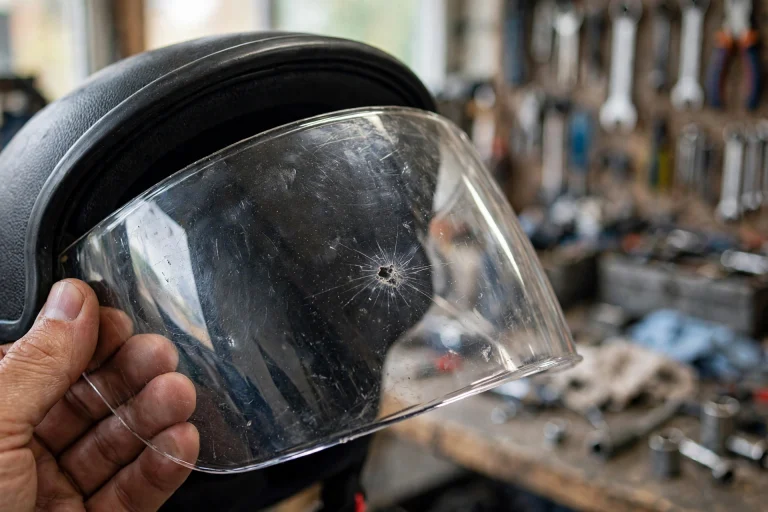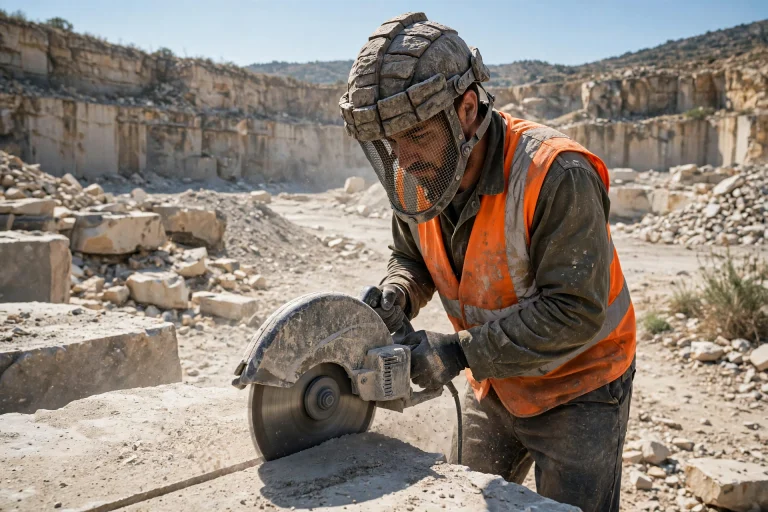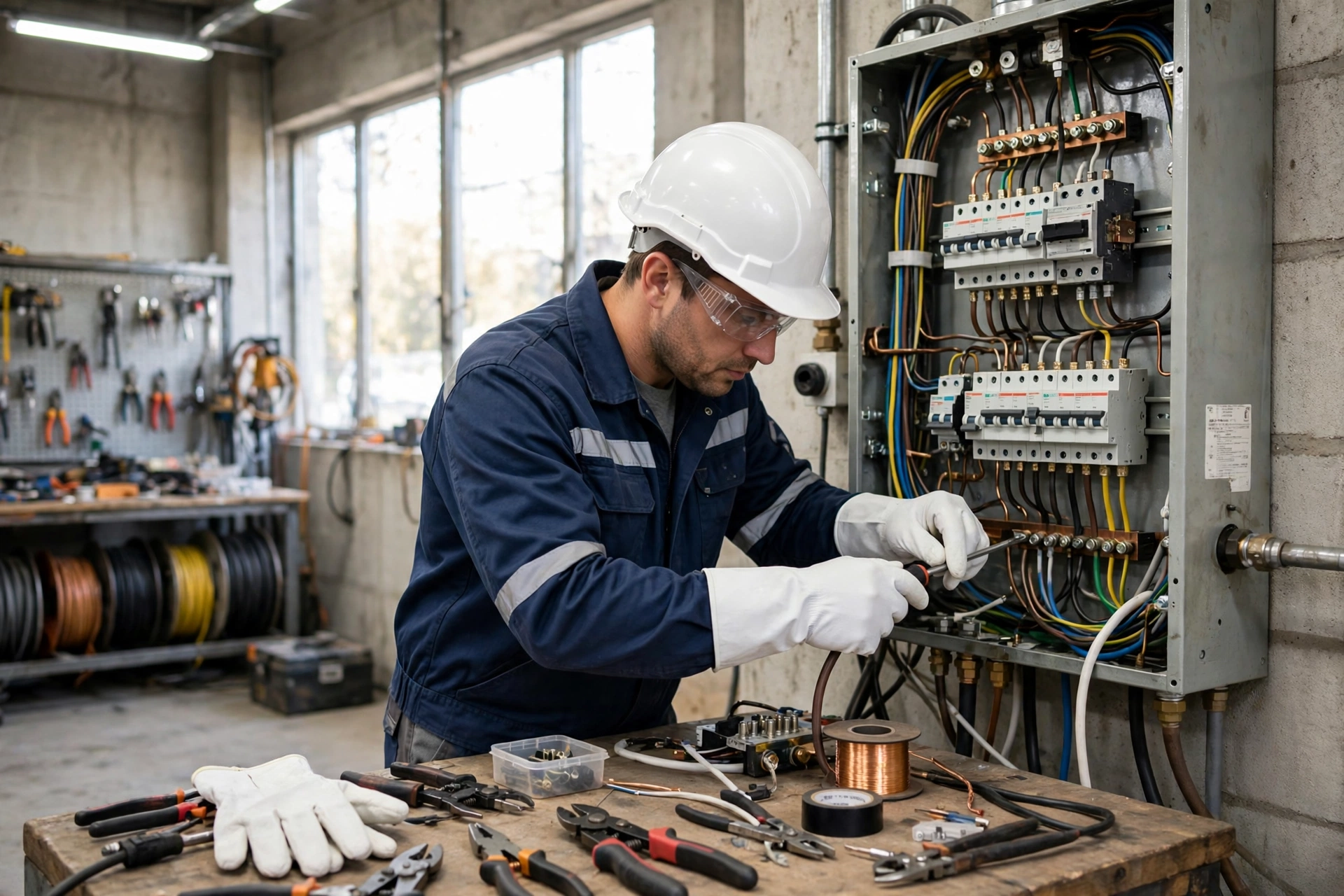
The EN 50365 standard is the European standard for electrically insulating helmets worn by workers who work on or near live electrical installations. It sets the requirements for helmets that protect the head against electric shock, and it is used alongside the general industrial helmet standard for electrical work. Electricians and power workers face a risk that most other workers do not: contact with live parts. A helmet to EN 50365 is designed so that electricity cannot pass through it to the wearer’s head.
Who Needs an EN 50365 Helmet?
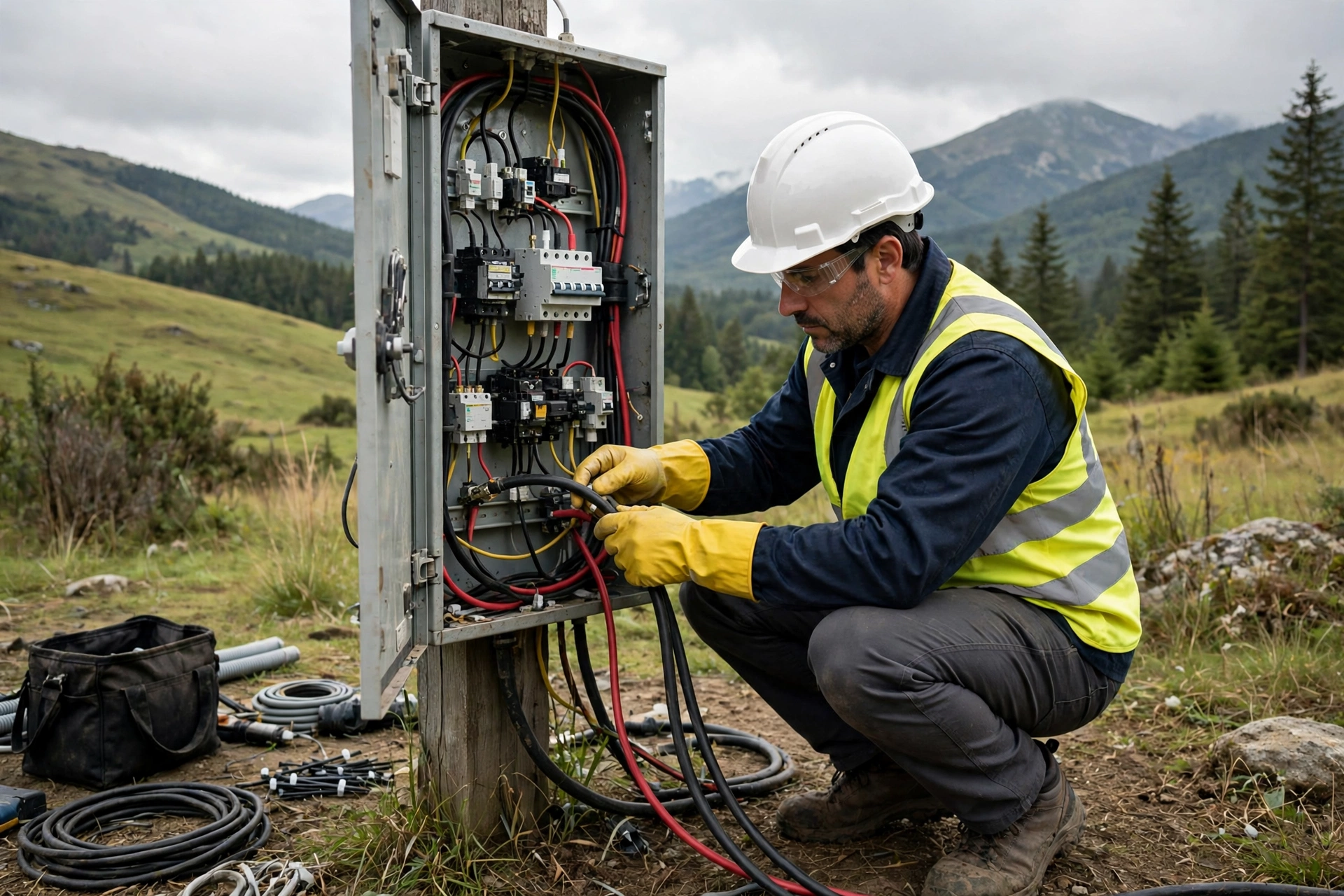
An EN 50365 helmet is needed by anyone who works on or near live electrical equipment and needs head protection at the same time. That includes electricians working on installations, power line workers, and maintenance staff in substations and power plants. The risk assessment for the job should show whether electrical insulation is needed, and if it is, a helmet to this standard is the right choice.
It is not only high-voltage work that calls for an insulating helmet. Low-voltage work can also be dangerous, and a shock at mains voltage can be serious. In general terms, if the job involves working close to live conductors, an electrically insulating helmet is a sensible precaution, and the employer should provide one that meets the standard.
Workers who only occasionally come near live equipment should still be given the right helmet for the task. A risk assessment should look at the whole job, not just the main task, since a worker may pass close to a live panel or cable while moving around the site. If there is any doubt about whether insulation is needed, the safer choice is to wear a helmet that provides it.
What Does the EN 50365 Standard Test For?
In general terms, the EN 50365 standard tests a helmet’s ability to resist the passage of electric current. During testing, the helmet is exposed to a high voltage and the current that leaks through it is measured. The helmet must keep that leakage below the limits set by the standard, so that a worker who touches a live part with the helmet does not receive a dangerous shock.
The standard also covers the materials used in the helmet. The shell and any fittings must be made of insulating materials, and there must be no metal parts that could conduct electricity to the head. Vents and holes in the shell are limited, because an opening could let a live part or a spark reach the wearer. The helmet is also tested to make sure it still protects against impacts.
How Is EN 50365 Different From EN 397?
EN 397 is the general European standard for industrial safety helmets, and it covers impact and penetration protection. EN 50365 is an extra standard for electrical insulation, and a helmet for electrical work usually needs to meet both. A helmet that meets EN 397 alone may have metal parts or vents that make it unsuitable for electrical work, while a helmet to EN 50365 is built without those risks.
The two standards work together: EN 397 proves the helmet can take a blow, and EN 50365 proves it can insulate against electric shock. When buying a helmet for electrical work, it is worth checking the label for both standards, so that the helmet is right for the job in every way. In general terms, one standard on its own is not enough for live electrical work.
What Should an EN 50365 Helmet Be Made Of?
An EN 50365 helmet should be made of electrically insulating materials, such as certain plastics, with no metal parts in or on the shell. The chin strap, adjustment fittings, and any attachments must also be insulating, or at least must not create a path for electricity to the head. This is why electrical helmets often look plain: the design avoids anything that could conduct current.
Accessories matter too. Adding a metal lamp bracket, a metal clip, or a conductive sticker to an insulating helmet can defeat the purpose of the standard. Any accessory fitted to the helmet should be approved for use with it and should not introduce metal parts. If you want to understand one of the safety technologies used in modern helmets, reading about what MIPS is for helmets is a good place to start, though electrical helmets use a different kind of liner and shell design.
How Should an EN 50365 Helmet Fit?
An EN 50365 helmet should fit snugly and sit level on the head, with the suspension adjusted so that there is a gap between the shell and the top of the head. That gap helps the helmet absorb the force of an impact, and it also keeps the shell away from the head. The chin strap should be fastened when working, so the helmet stays on if the wearer bends down or is startled by a shock.
Comfort matters, because electrical work often takes a long time and the helmet may be worn for a whole shift. A helmet that pinches or presses will soon be taken off, and that leaves the worker unprotected. A good fit means the helmet stays in place, feels balanced, and can be worn without becoming a distraction.
When Should an EN 50365 Helmet Be Replaced?
An EN 50365 helmet should be replaced after a hard impact, even if it looks fine from the outside. The shell can develop small cracks that are hard to see, and the suspension can be damaged by a heavy blow. A helmet that has already absorbed a serious impact may not protect as well the next time, so it is generally sensible to retire it and use a new one.
Damage to the insulating properties is another reason to replace the helmet. Scratches, holes, paint, or chemical contamination can reduce the insulation, and a helmet that has been drilled or modified should not be used for electrical work. Checking the helmet before each job is a good habit: look for cracks, worn straps, or any sign of damage. If anything seems wrong, it is time for a new one.
Is an EN 50365 helmet enough for electrical work on its own?
No. It protects the head, but electrical work also needs insulating gloves, eye protection, and other equipment. The helmet is one part of a full set of electrical safety gear.
Can I paint an EN 50365 helmet?
Not usually. Paint and solvents can damage the insulating materials and reduce the helmet’s protection, so a helmet for electrical work should be left as the maker supplied it.
Does EN 50365 cover high voltage work?
In general terms, EN 50365 covers helmets for work on live installations at the voltages set out in the standard, and the helmet’s marking shows the level it is rated for.

Olivia
Writer at Helmet Today, covering helmet reviews, fit and riding safety.