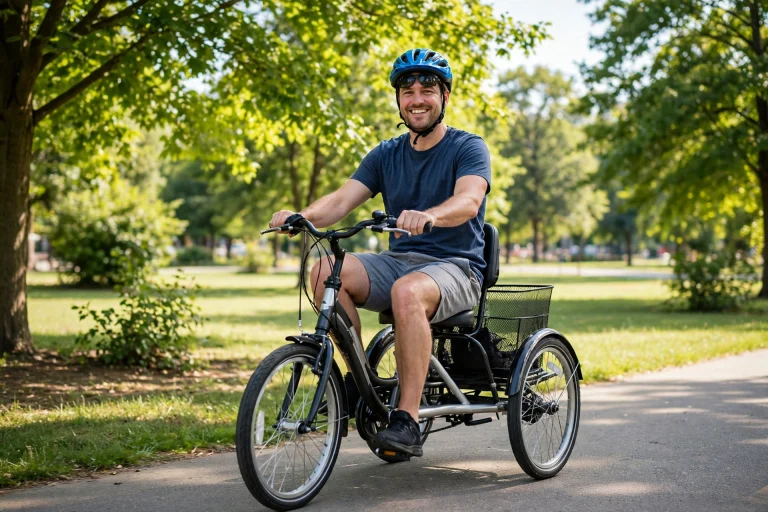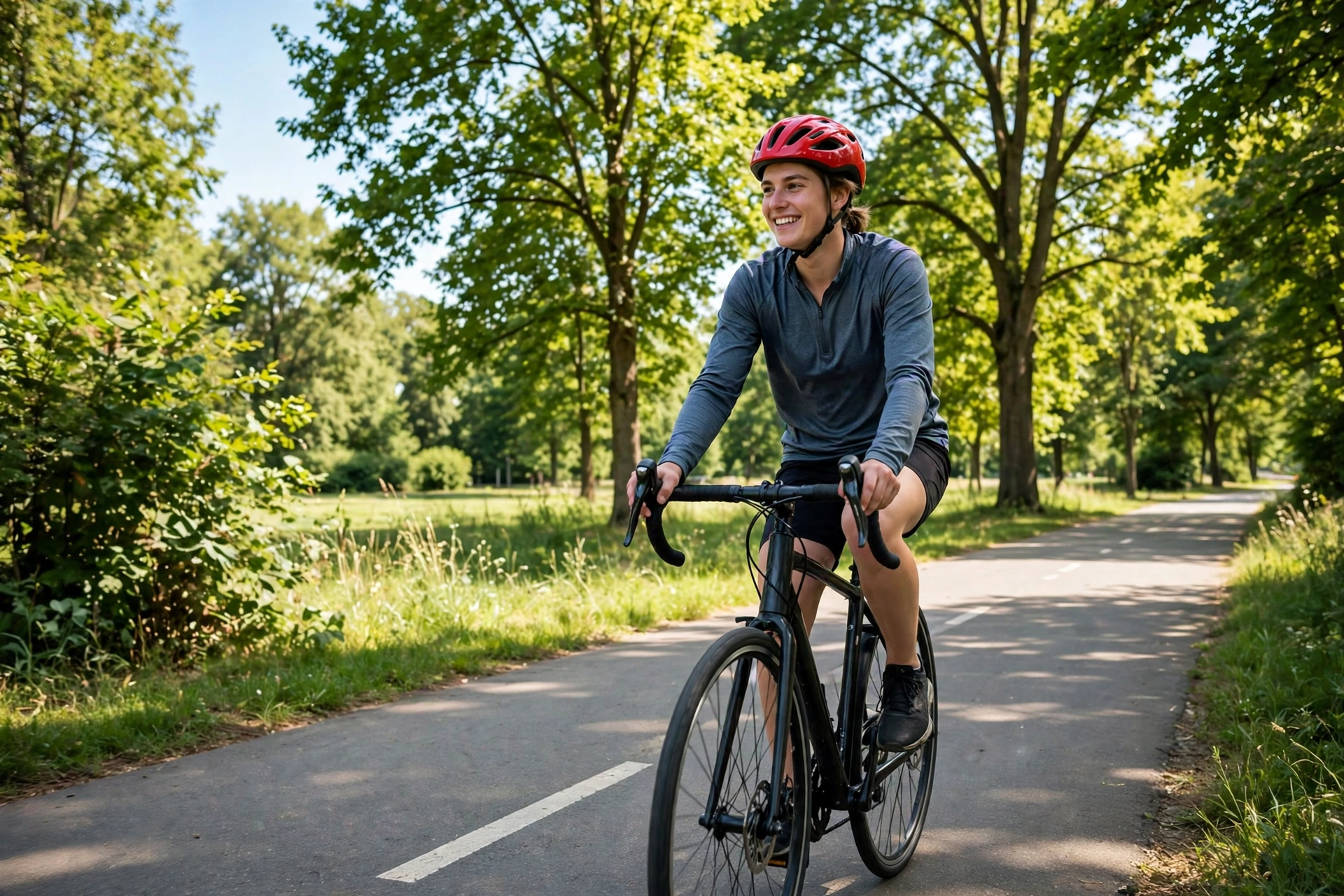
A helmet for a rider with a learning disability is a standard protective helmet chosen with extra care around comfort, simplicity, and routine, because the rider may need more time to get used to wearing one and more support to build the habit. It is the same kind of head protection other riders wear, but a comfortable fit and a simple design matter more when wearing a helmet is still new. A learning disability affects how a person learns and understands things, and it can mean that new routines take longer to learn. For someone who rides a bike, learning to wear a helmet every time is a new routine, and it can take patience and practice. A helmet that feels good and is easy to put on makes that learning much easier.
What Does a Learning Disability Mean for Riding?
A learning disability means a person finds it harder to learn new things and to understand information, and this can affect many parts of life, including riding a bike. In general terms, a rider with a learning disability may need instructions to be given in simple steps, and may need more time and practice to learn a new skill.
For riding, this means the rider may benefit from a quiet, familiar route and from riding with someone they trust. It also means that wearing a helmet needs to become a simple, regular habit, like putting on a seatbelt in a car. In general terms, the more support a rider has, the more likely they are to ride safely and to wear their helmet every time.
Why Is a Helmet Important for These Riders?
A helmet is important for a rider with a learning disability for the same reason it matters for any rider: the head is vulnerable in a fall, and a helmet reduces the force of an impact. A fall from a bike can happen to anyone, and a rider who is still learning to judge risks may be more likely to fall, or less able to avoid a hazard. A helmet gives the skull a hard shell between it and the ground, which can turn a serious head injury into a much lighter knock.
There is another reason too. A rider with a learning disability may ride on quieter routes and at a slower pace, but even a slow fall can hurt the head if it strikes a kerb, a wall, or the ground. A helmet does not make riding safe in every situation, and it cannot protect against every kind of impact, but it does reduce the force that reaches the head in the kinds of falls that are common on a bike. For that reason, a helmet should be part of the kit on every ride, without exception.

What Should the Helmet Fit Like?
A helmet for a rider with a learning disability should fit snugly all round the head, without pressure points and without wobbling when the rider moves. It should sit level, covering the forehead without slipping down over the eyes, and the back should sit low enough to protect the back of the head. If the helmet can be rocked forwards or backwards easily, it is probably too loose, and it may shift at the worst moment.
Getting the fit right is worth taking time over, and it can help to have a supporter or family member check it. A second pair of eyes can spot a helmet that sits crooked or a strap that is twisted, and a helper can adjust the fit system while the rider concentrates on how it feels. The chin strap should be fastened snugly before every ride, because a loose strap can let the helmet come off in a fall. If you want to understand one of the safety technologies used in modern helmets, reading about what MIPS is for helmets is a good place to start, though not every helmet uses that system.
What Features Make a Helmet Easier to Wear?
Several features can make a helmet easier and more pleasant to wear for a rider with a learning disability. A bright colour or a favourite design can make the helmet feel like something the rider wants to wear, rather than a chore. A simple buckle that clicks shut with one movement is easier than a strap that needs threading through rings, and a fit dial that turns smoothly is easier than a small slider that needs pinching.
Comfort matters a great deal. Soft padding that feels good against the skin, good ventilation to keep the head cool, and light weight all help the rider forget the helmet is there. A helmet that pinches or presses will be taken off at the first chance, while a comfortable one can become part of the routine. In general terms, the best helmet is the one the rider likes wearing: it should feel good, look good to them, and be easy to put on and take off without help.
How Can Supporters Help with Helmet Habits?
Supporters, family members, and carers can help a rider with a learning disability build a strong helmet habit. The simplest way is to make the helmet part of the routine: the helmet goes on before the bike comes out, every single time, with no exceptions. Repeating the same steps in the same order helps the rider learn the routine, and gentle reminders are better than long explanations. A picture card or a simple checklist showing the steps can help too.
Praise and encouragement work well. When the rider puts the helmet on without being asked, it is worth saying so. Letting the rider choose their own helmet, in a colour or design they like, can also make a big difference, because people are more likely to wear something they chose themselves. Supporters can also wear a helmet themselves when they ride together, which shows that helmets are for everyone, not just for the rider. In general terms, patience and repetition build the habit, and a comfortable, well-liked helmet makes it much easier.
When Should a Helmet Be Replaced?
A helmet for a rider with a learning disability should be replaced after a hard impact, even if it looks fine from the outside. The liner inside a helmet can compress or crack in a heavy knock, and that damage may not be visible under the shell. A helmet that has already absorbed a hard blow may not protect as well the next time, so it is generally sensible to retire it after a serious impact and use a new one.
Do riders with a learning disability need a special helmet?
No, in general terms there is no special helmet for riders with a learning disability. A standard bike helmet is the right choice, but it should be comfortable, easy to fasten, and in a colour or design the rider likes.
How can a supporter help the rider wear a helmet every time?
By making it part of the routine: the helmet goes on before the bike comes out, every single time. Praise, a simple checklist, and letting the rider choose their own helmet all help the habit stick.
What is the most important thing about the fit?
The helmet should sit level and snug, covering the forehead without slipping over the eyes, and the strap should be fastened snugly on every ride. It should not wobble when the rider moves the head.

Olivia
Writer at Helmet Today, covering helmet reviews, fit and riding safety.