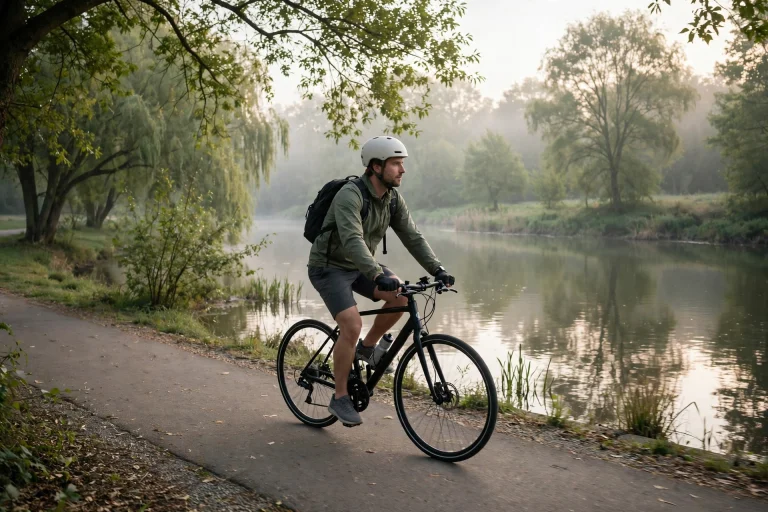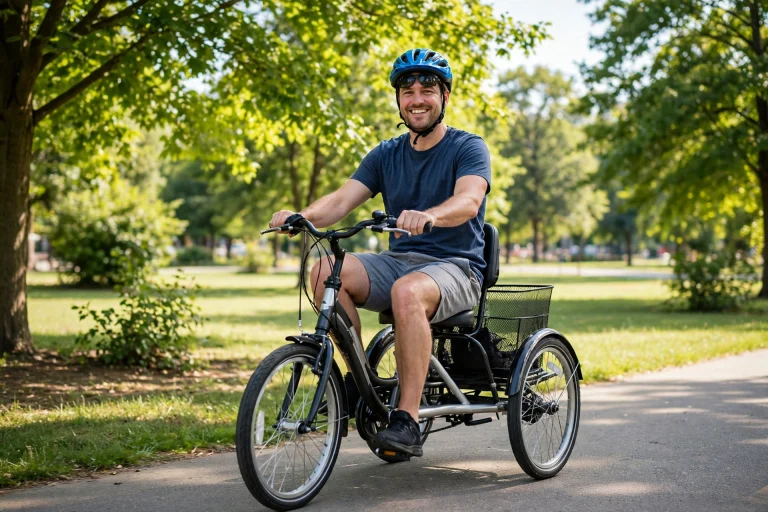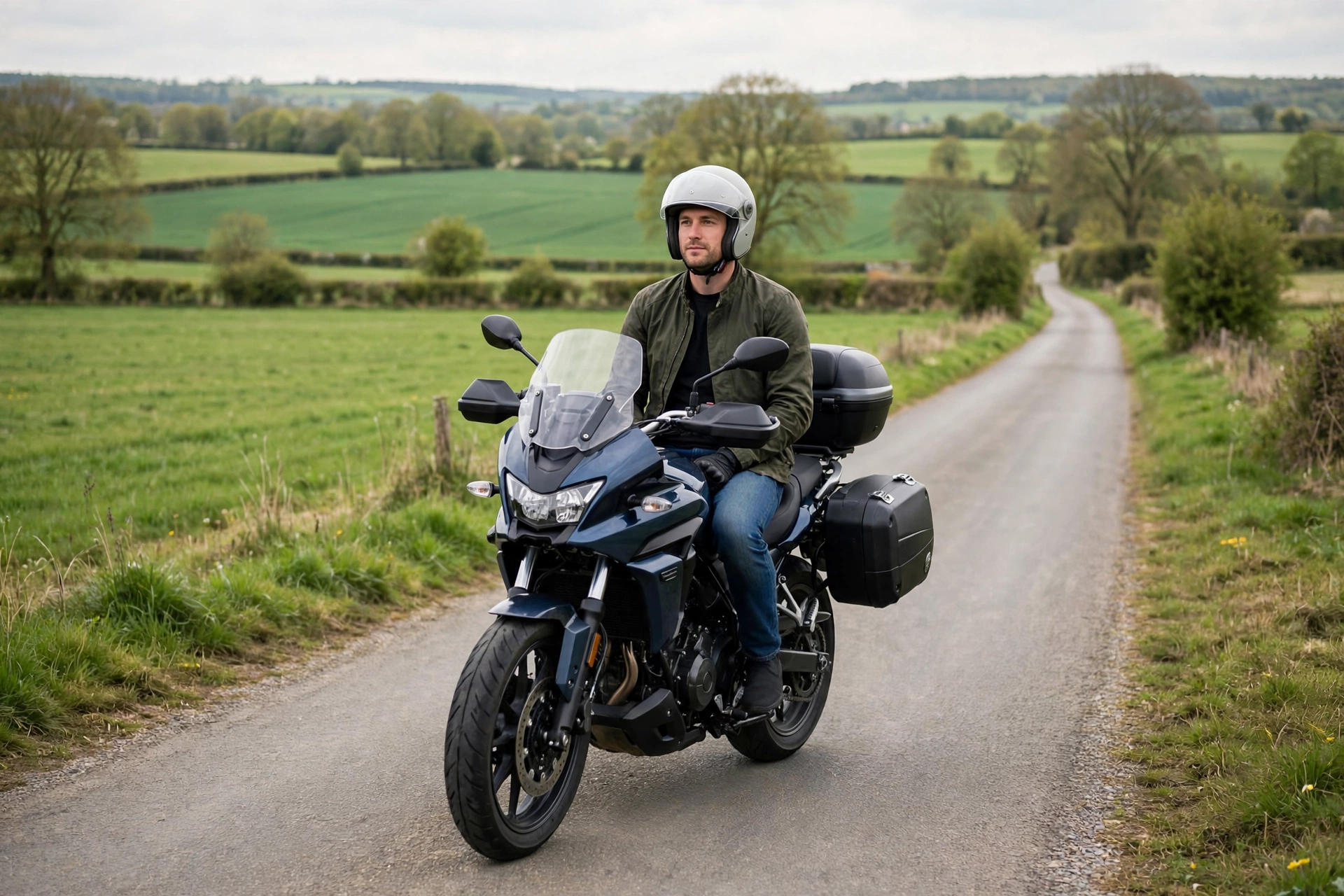
A helmet for a rider with a spinal injury is a standard protective helmet chosen with extra care around fit, comfort, and the rider’s posture, because a spinal injury can affect balance, movement, and the way the body sits on a bike. It is the same kind of head protection other riders wear, but the way it fits and the weight it adds to the head matter more when the spine is already under strain. A spinal injury can affect different parts of the body, with effects ranging from reduced feeling to changes in strength and balance. For someone who rides again after such an injury, a helmet remains essential protection, and choosing one that suits their body and their bike is an important part of riding safely.
What Does a Spinal Injury Mean for Riding?
A spinal injury is damage to the spine or the nerves that run through it, and it can change how the body moves and feels. In general terms, some people with a spinal injury have reduced strength or feeling in parts of the body, while others find their balance is less steady or their posture changes. The effects depend on where the injury is and how severe it is, and they can be very different from one person to another.
For a rider, these changes can make riding more demanding. Holding the body upright, steering, and reacting quickly all rely on the spine and the muscles around it, and a rider with a spinal injury may tire more quickly or find certain positions uncomfortable. A helmet cannot change any of that, but it can still do its usual job of protecting the head in a fall or a crash.
How Can a Helmet Help a Rider with a Spinal Injury?
A helmet helps a rider with a spinal injury in the same way it helps any rider: it gives the skull a hard shell that absorbs some of the force of an impact. In a fall, the head can strike the ground, a vehicle, or another hard surface, and a helmet reduces the force that reaches the brain. For a rider who already lives with an injury, avoiding further injury to the head is especially important.
The helmet also needs to suit the rider’s posture. Some riders with a spinal injury sit in a more upright position, or use an adapted bike, and the helmet should work with that position rather than against it. A light helmet is easier on the neck and the spine, because the weight of the helmet pulls on the head and the neck muscles have to hold it steady. If you want to understand one of the safety technologies used in modern helmets, reading about what MIPS is for helmets is a good place to start, though not every helmet uses that system.
What Should the Helmet Fit Like?
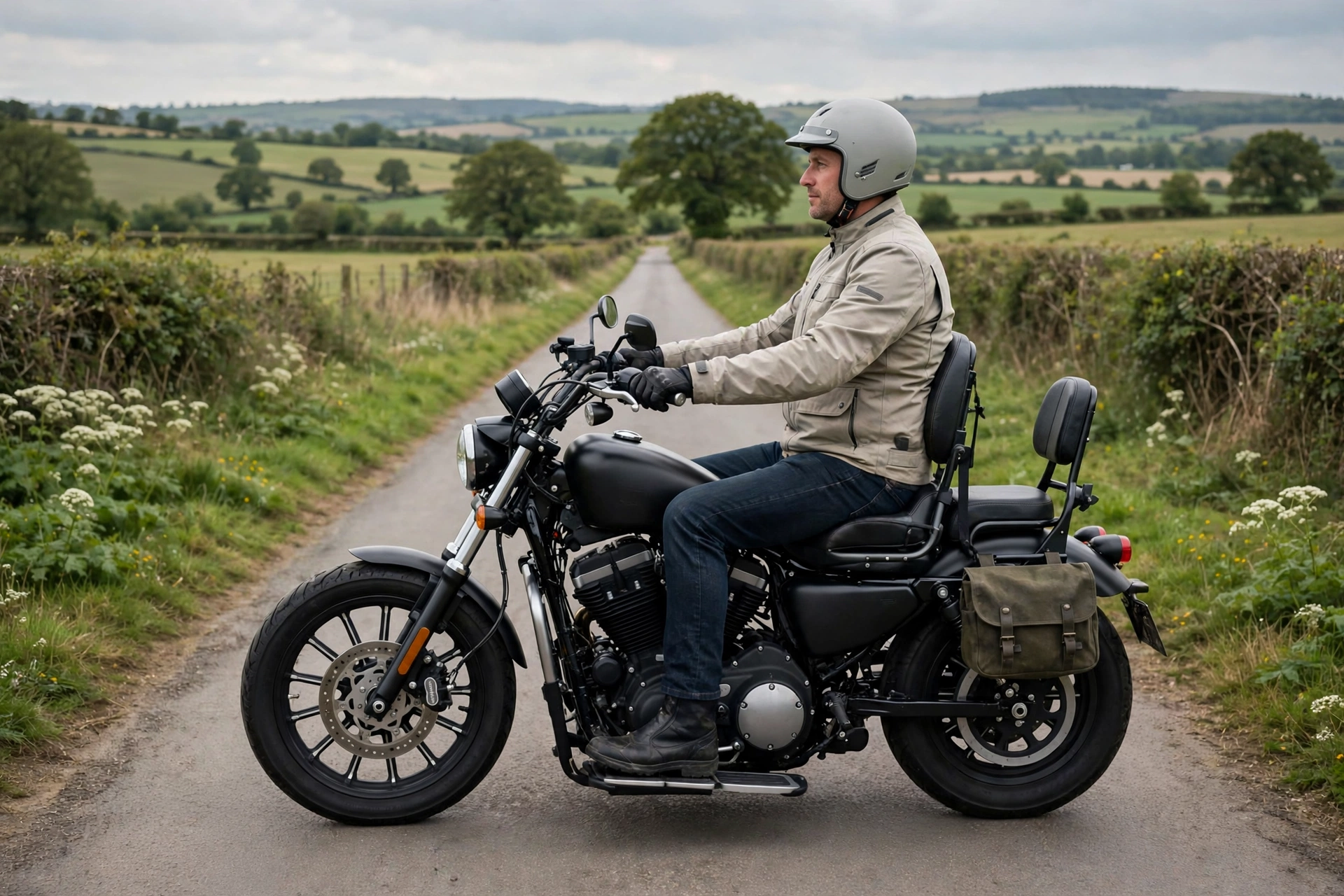
A helmet for a rider with a spinal injury should fit snugly all round the head, without pressure points and without wobbling when the rider moves. It should sit level, covering the forehead without slipping down over the eyes, and the back should sit low enough to protect the back of the head. If the helmet can be rocked forwards or backwards easily, it is probably too loose, and it may shift at the worst moment.
Getting the fit right is worth taking time over, and it can help to have someone else check it. A second pair of eyes can spot a helmet that sits crooked or a strap that is twisted, and a helper can adjust the fit system while the rider concentrates on how it feels. The rider should also check the fit in their normal riding position, not just standing upright, because posture on the bike can change how the helmet sits. A helmet that feels right while standing may press or shift once the rider is seated and leaning.
What Features Matter Most?
Light weight is one of the most important features for a rider with a spinal injury, because a heavy helmet adds strain to the neck and the spine over a long ride. A helmet that is well balanced, with its weight spread evenly, feels lighter than one that pulls forwards or backwards. Good ventilation matters too, because a rider who works hard to stay steady can get warm, and a well-ventilated helmet helps the rider stay comfortable.
A simple fastening is also useful. A buckle that clicks shut with one movement is easier than a strap that needs threading through rings, especially if the rider has reduced grip or feeling in the hands. Padding that can be removed and washed keeps the helmet fresh, and a fit system that adjusts with a dial is easier than one that needs small parts to be moved by hand. In general terms, the best helmet is the one that feels light, fits well, and can be put on and taken off without a struggle.
What Else Should Riders Plan Before a Ride?
A helmet is only part of riding safely after a spinal injury. The bike itself matters a great deal: an adapted bike, a different seat, or adjusted handlebars can make a big difference to comfort and control. Some riders use a three-wheeled bike or a motorcycle with extra support, and these changes can reduce the demands on balance. It is worth talking with a specialist or an experienced dealer about what adaptations might help, rather than guessing.
It is also important to talk with a doctor before deciding to ride again, because only a clinician who knows the person’s health can advise on whether riding is sensible. A doctor may be able to suggest changes to the bike or the riding routine that make it easier, and may advise on the right time to stop riding. Route choice helps too: quieter roads, smooth surfaces, and shorter rides can reduce the strain on the body. In general terms, a helmet protects the head, but it does not make riding safe on its own, and honest advice from a health professional is part of the decision.
When Should a Helmet Be Replaced?
A helmet for a rider with a spinal injury should be replaced after a hard impact, even if it looks fine from the outside. The liner inside a helmet can compress or crack in a heavy knock, and that damage may not be visible under the shell. A helmet that has already absorbed a hard blow may not protect as well the next time, so it is generally sensible to retire it after a serious impact and use a new one.
Do riders with a spinal injury need a special helmet?
No, in general terms there is no special medical helmet for riders with a spinal injury. A standard bike or motorcycle helmet is the right choice, but it should be light, comfortable, and easy to fasten and adjust.
What is the most important thing about the fit?
The helmet should sit level and snug, covering the forehead without slipping over the eyes, and it should be checked in the rider’s normal riding position, not just while standing. It should not wobble when the rider moves the head.
Should a rider with a spinal injury ask a doctor before riding again?
Yes, it is sensible to talk with a doctor before deciding to ride again. Only a clinician who knows the person’s health can advise on whether riding is a good idea and what changes might help.

Olivia
Writer at Helmet Today, covering helmet reviews, fit and riding safety.