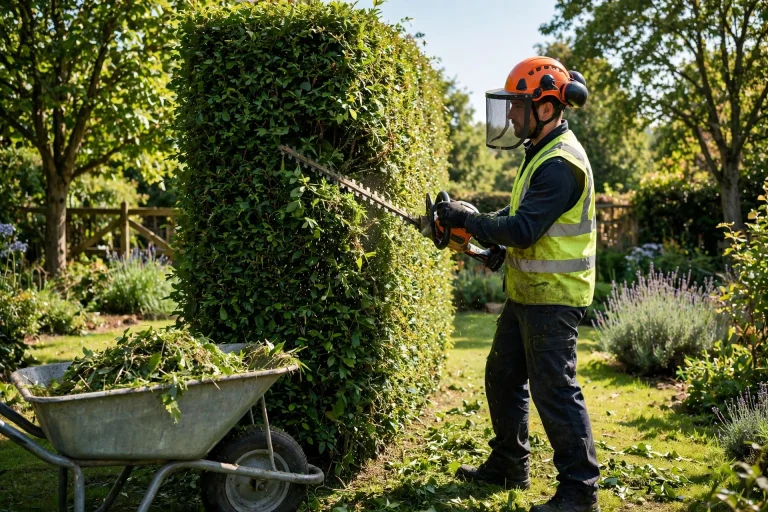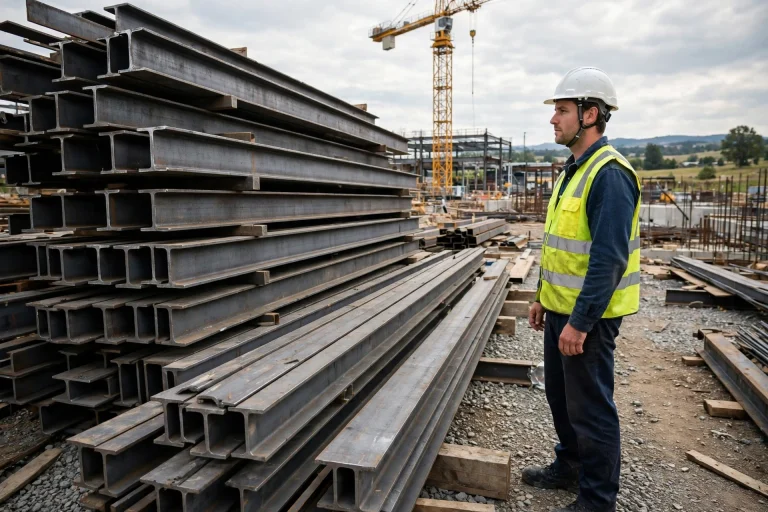
An oil rig worker helmet is a work helmet worn by people who work on oil rigs to protect the head from falling tools, bumps against pipes and machinery, and other knocks on a harsh offshore or onshore site. It is a type of hard hat, built for heavy industry, with a secure fit and often a chin strap so it stays on in high winds and when the worker climbs or bends. An oil rig is one of the toughest workplaces there is, with heavy machinery, pipes, cranes, and drilling equipment all around, and much of it overhead. The head is exposed to falling objects and to bumps from every side, and a helmet is one of the most basic pieces of safety kit on the rig. In general terms, any work on a rig where things can fall or where the head can strike steel calls for head protection.
What Is an Oil Rig Worker Helmet?
An oil rig worker helmet is a hard hat designed for work on oil rigs and in the oil and gas industry. It usually has a hard outer shell that can take a knock from a falling object, with a suspension system inside that spreads the force of an impact across the head. The shell is often made from a tough material that resists cracks and can cope with oil, chemicals, heat, and cold, because rigs operate in harsh conditions, from hot deserts to cold seas.
Unlike a basic hard hat, a helmet for rig work is often chosen with a chin strap, so it stays on in high winds and when the worker climbs a ladder or leans over a pipe. Many have slots for attaching earmuffs, a face shield, or a headlamp, which can be useful on a night shift or in a dark part of the rig. Some helmets also have a brim that keeps rain and dripping fluids off the face and neck.
Why Is a Helmet Essential on an Oil Rig?
A helmet is essential on an oil rig because the workplace is full of hazards above head height. Cranes lift heavy loads overhead, tools and bolts can drop from a platform, and pipes and machinery are moved around during drilling and maintenance. A worker can also bump the head on a low pipe, a valve, or the frame of a piece of equipment. A helmet gives the skull a hard shell between it and the falling object or the hard surface, which can turn a serious head injury into a much lighter knock.
An oil rig is also a noisy, busy place, and workers often move quickly between tasks, so it is easy to step back into something or walk under a load without looking. For that reason, helmets are treated as essential kit on every rig, and workers are usually required to wear one at all times outside living quarters.

What Hazards Does It Protect Against?
An oil rig worker helmet protects the head from several hazards. The most obvious is falling objects: tools, bolts, and small parts can drop from a platform above, and a load being lifted by a crane can swing into the head. The hard shell spreads the force of a knock, and the suspension inside absorbs some of it, so the head is less likely to be hurt. The helmet also protects against bumps, such as hitting the head on a low pipe, a valve wheel, or the frame of a drilling machine.
The helmet also offers some protection from the weather and from drips. A brim keeps rain off the face, and the shell shields the head from hot sun and from fluids that can drip from pipes overhead. In general terms, a helmet does not protect against every hazard on a rig, and it cannot replace safe working practices, but it does reduce the risk of head injury from the knocks and falling objects that are common on an oil rig.
What Should an Oil Rig Worker Helmet Fit Like?
An oil rig worker helmet should fit snugly all round the head, without pressure points and without wobbling when the worker moves. It should sit level, and the suspension inside should hold it steady so it does not slip forward over the eyes or back off the forehead. The fit system, often a dial or a ratchet at the back, should be easy to adjust, even with gloves on.
The chin strap should be fastened snugly before starting work, because a loose strap can let the helmet come off in high wind or when the worker bends or climbs. It is worth testing the fit with any other kit that will be worn, such as earmuffs or a face shield, because layers underneath can change how the helmet sits. Trying the helmet on and moving around in it, bending and looking up and down, is a good way to check that it stays in place. In general terms, comfort matters too: a helmet that pinches or feels heavy will be taken off, and a helmet that is not worn offers no protection at all.
What Features Should an Oil Rig Helmet Have?
Several features matter on an oil rig. A chin strap is important, because high winds and climbing can pull a helmet off, and a helmet that falls off a platform is lost. Good ventilation helps the head stay cool in hot conditions, while a shell that resists oil and chemicals lasts longer on a rig. Slots for earmuffs and a face shield are useful, because rig work is noisy and can throw up sparks or debris.
If you want to understand one of the safety technologies used in modern helmets, reading about what MIPS is for helmets is a good place to start, though work helmets do not always use that system. In general terms, the best helmet is the one that suits the rig: it should stay on, fit well, work with the rest of the kit, and be tough enough for the job.
When Should an Oil Rig Worker Helmet Be Replaced?
An oil rig worker helmet should be replaced after a hard impact, even if it looks fine from the outside. The shell can crack or weaken in a heavy knock, and the suspension inside can stretch or break, and that damage may not be visible at a glance. A helmet that has already absorbed a hard blow may not protect as well the next time, so it is generally sensible to retire it after a serious impact and use a new one.
Do oil rig workers need a helmet?
Yes, in general terms a helmet is essential for oil rig workers. Cranes lift loads overhead, tools can drop from platforms, and pipes and machinery are everywhere, so head protection is needed at all times outside living quarters.
Why does an oil rig helmet need a chin strap?
Because high winds and climbing can pull a helmet off, and a helmet that falls off a platform is lost. A chin strap keeps the helmet in place in wind and when the worker bends or climbs.
Can an oil rig helmet be used with other safety kit?
Yes, most oil rig helmets have slots for earmuffs or a face shield, and they are designed to be worn with a headlamp, safety glasses, and gloves as part of a full safety kit.

Olivia
Writer at Helmet Today, covering helmet reviews, fit and riding safety.