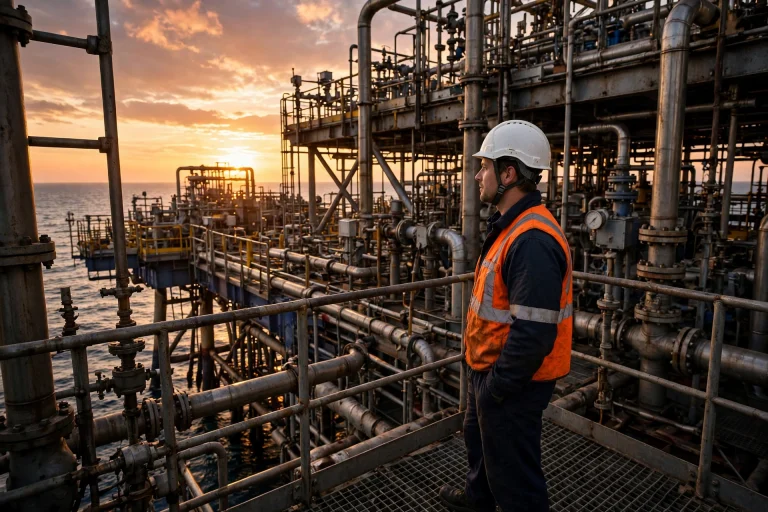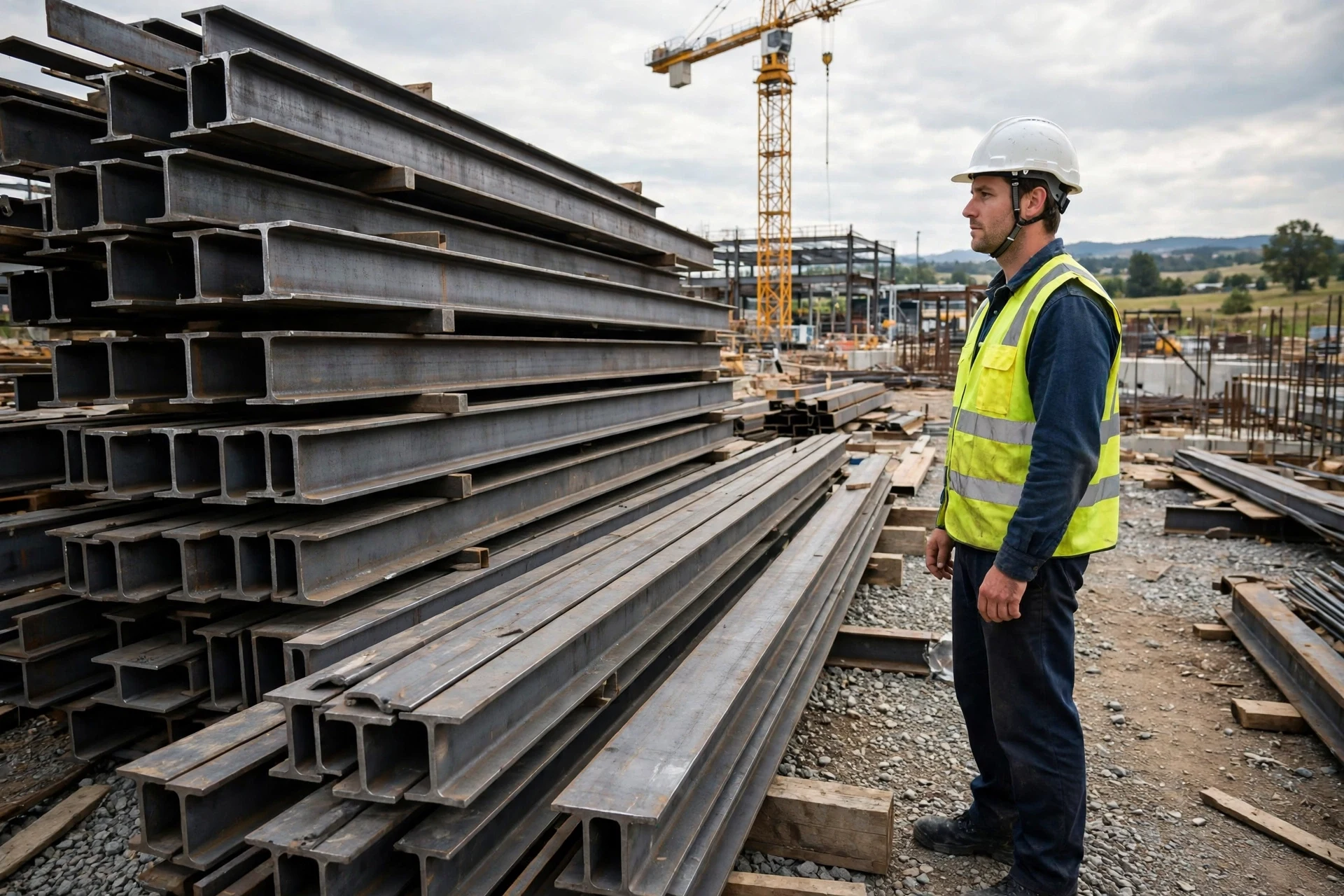
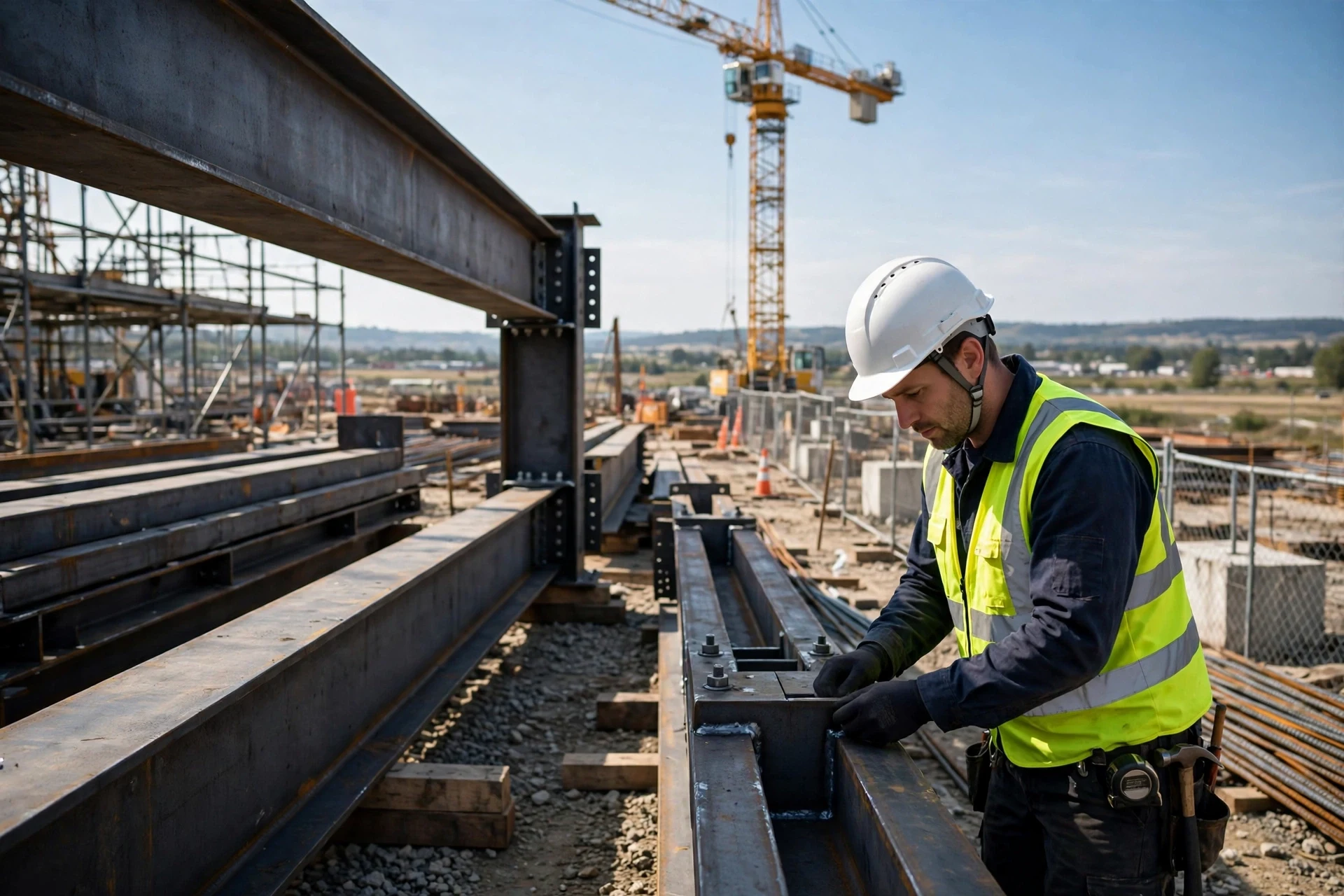
A steelworker helmet is a hard hat worn by steelworkers to protect the head from falling objects, impacts, and blows on steel construction and fabrication sites. It is a tough, lightweight safety helmet with a hard outer shell and a suspension system inside that absorbs shock. Steelworkers handle heavy beams, plates, and tools high above the ground and below cranes, so the risk of something falling or swinging into the head is a daily reality. A steelworker helmet is therefore basic personal protective equipment on any steel site, and in general terms it is expected to be worn whenever work is under way.
What Does a Steelworker Helmet Protect Against?
A steelworker helmet is mainly designed to protect the head from falling and flying objects. On a steel site, that can mean a dropped bolt, a piece of offcut steel, a tool slipping from a hand above, or a load shifting as a crane moves it. The hard shell spreads the force of an impact across a wider area, while the suspension inside creates a gap between the shell and the skull, which helps absorb the blow before it reaches the head.
The helmet also protects against bumps and knocks when a worker moves through tight spaces between beams, scaffolding, and stored steel. It can guard against glancing blows from swinging loads and against contact with sharp edges at head height. In general terms, no helmet can make a steel site safe on its own, and it does not protect against every kind of force, but it is the first line of defence for the head, and it works alongside safe lifting, barriers, and good housekeeping.
How Is a Steelworker Helmet Different From a Standard Hard Hat?
A steelworker helmet is, in most cases, a type of industrial hard hat, and it shares the same basic design: a rigid shell, a suspension cradle, and a chin strap or headband. The difference is mainly in the conditions it must cope with. Steel sites are hot, dirty, and full of metal, so the helmet needs to stand up to heat from welding and cutting, sparks, metal dust, and rough handling day after day. Many steelworker helmets are made with shells that resist heat and flame better than the lightest general-purpose models.
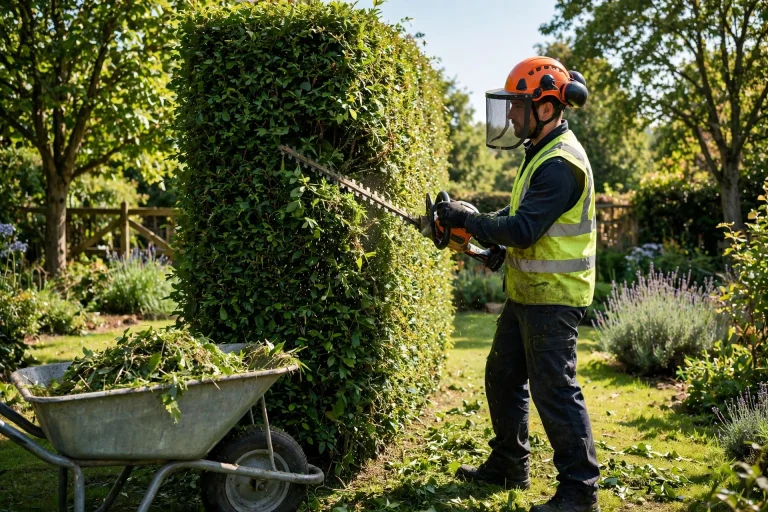
Some steelworker helmets also have slots for attaching ear defenders, face shields, or welding visors, because steelworkers often switch between tasks that need different protection. A brim all the way round can help keep rain, sparks, and small debris away from the face and neck. If you want to understand one of the safety technologies used in modern helmets, reading about what MIPS is for helmets is a good place to start, though that system is more common in sports helmets than in industrial hard hats.
What Features Should a Steelworker Helmet Have?
A good steelworker helmet should have a strong shell that resists impacts and penetration, and a suspension system that can be adjusted to fit the wearer. The suspension is important: it holds the shell away from the head so that an impact is absorbed before it reaches the skull. A four-point or six-point suspension spreads the load more evenly than a simpler design, and it tends to feel more stable when the wearer is bending, climbing, or looking up.
Adjustment matters as well. A ratchet or dial at the back lets the wearer tighten or loosen the fit quickly, even with gloves on, and a comfortable fit means the helmet is more likely to stay on all day. Ventilation is another useful feature on a hot steel site, since a helmet that traps heat becomes uncomfortable and distracting. Chin straps keep the helmet in place when working at height or leaning over, and accessory slots let the wearer add ear protection or a visor without changing helmets.
How Should a Steelworker Helmet Fit?
A steelworker helmet should sit level on the head, covering the forehead without slipping down over the eyes, and it should feel snug all round without pressing painfully in one spot. The suspension should be adjusted so the shell sits a short distance above the head, with the gap between shell and skull kept intact, because that gap is part of how the helmet absorbs an impact. If the helmet rocks easily from side to side, it is probably too loose.
The chin strap should be fastened when working at height or near moving loads, since a helmet that falls off at the wrong moment is no protection at all. It is worth checking the fit with any other kit that will be worn at the same time, such as ear defenders or a welding hood, because these can change how the helmet sits. In general terms, a helmet that fits well and feels comfortable is far more likely to be worn correctly for a whole shift.
When Should a Steelworker Helmet Be Replaced?
A steelworker helmet should be replaced after a heavy impact, even if the shell looks undamaged from the outside. The shell and suspension can be weakened by a hard blow in ways that are not easy to see, and a helmet that has already absorbed a serious impact may not protect as well the next time. Dropping a helmet from height or having a load strike it is a good reason to take it out of service and check it carefully.
Age and wear also matter. Sunlight, heat, welding sparks, chemicals, and daily knocks can age the shell over time, making it brittle or faded. Cracks, dents, a loose suspension, or a strap that no longer holds are all signs that a helmet should be retired. Many workplaces set a replacement schedule based on the maker’s guidance, and in general terms it is better to replace a worn helmet early than to trust one that has seen several hard seasons on a steel site.
What Other Safety Kit Goes With a Steelworker Helmet?
A steelworker helmet is usually worn with high-visibility clothing, safety boots with steel toecaps, gloves, and eye protection. On a steel site, the helmet protects the head while the other kit protects the rest of the body: boots guard against dropped steel and sharp edges on the ground, gloves protect the hands when handling plate and beams, and safety glasses or a face shield protect the eyes from sparks, grinding dust, and flying chips.
Depending on the task, a steelworker may also wear hearing protection near cutting and grinding, a harness when working at height, and a welding helmet or visor when welding or cutting. The helmet works as part of this whole set, and it often carries the accessories, with ear defenders and visors clipped into its slots. No single item does the whole job, and the helmet is most effective when the rest of the kit is worn with it.
Do steelworkers have to wear a helmet?
In general terms, yes. On most steel construction and fabrication sites, a hard hat is required safety equipment, and site rules usually make wearing one a condition of being allowed on site.
Can a steelworker helmet protect against falling steel beams?
Only up to a point. A helmet can absorb and spread the force of smaller falling objects, but it cannot protect against a heavy beam falling from height. That is why safe lifting, exclusion zones, and crane procedures matter as much as the helmet.
How do I clean a steelworker helmet?
Wash the shell and suspension with mild soap and warm water, then let it dry away from direct heat. Avoid solvents and harsh chemicals, which can weaken the shell, and check the helmet for cracks while you clean it.

Olivia
Writer at Helmet Today, covering helmet reviews, fit and riding safety.