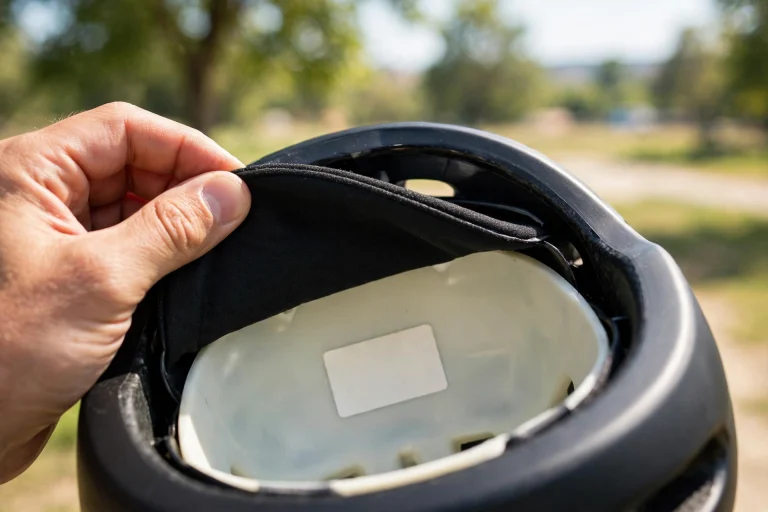
The CPSC 16 CFR 1203 bicycle helmet standard is the United States safety standard for bicycle helmets, setting the requirements a helmet must meet before it can be sold in America. In general terms, it covers how well a bicycle helmet absorbs impacts, how securely it stays on the head, and how it should be labelled. It applies to helmets made for cyclists, and it is the standard that most bicycle helmets sold in the United States must meet by law.
What Is CPSC 16 CFR 1203?
CPSC stands for the United States Consumer Product Safety Commission, the government agency that oversees the safety of consumer products. The numbers 16 CFR 1203 refer to the part of the federal regulations where the bicycle helmet standard is written. The standard was introduced to give bicycle helmets a single, clear set of safety requirements across the United States, so that buyers could trust that any helmet on sale met the same basic level of protection.
The standard applies to bicycle helmets sold in the United States, whether they are made there or imported. Helmets for other activities, such as motorcycles or skateboarding, have their own standards. The CPSC standard is specifically about bicycle helmets, and it covers the kinds of crashes a cyclist is likely to face, such as a fall onto the road or a collision with a vehicle at cycling speeds.
What Does the Standard Cover?
In general terms, the CPSC standard covers the impact protection a bicycle helmet must give, the strength of its straps and buckles, and the amount of coverage it must provide for the head. Helmets are tested by dropping them onto hard surfaces at set speeds and measuring how much force reaches the head inside. The standard sets limits on that force, so a helmet that lets too much force through will not pass.
The standard also covers the helmet’s retention system, which is the chin strap and buckle that keep it on the head during a crash. The straps are tested to make sure they hold under load and do not stretch or break too easily. Labelling is covered too: a helmet that meets the standard should carry a label stating that it complies with CPSC 16 CFR 1203, usually inside the shell. If you want to understand one of the safety technologies used in modern helmets, reading about MIPS is a good place to start, though not every bicycle helmet uses that system.
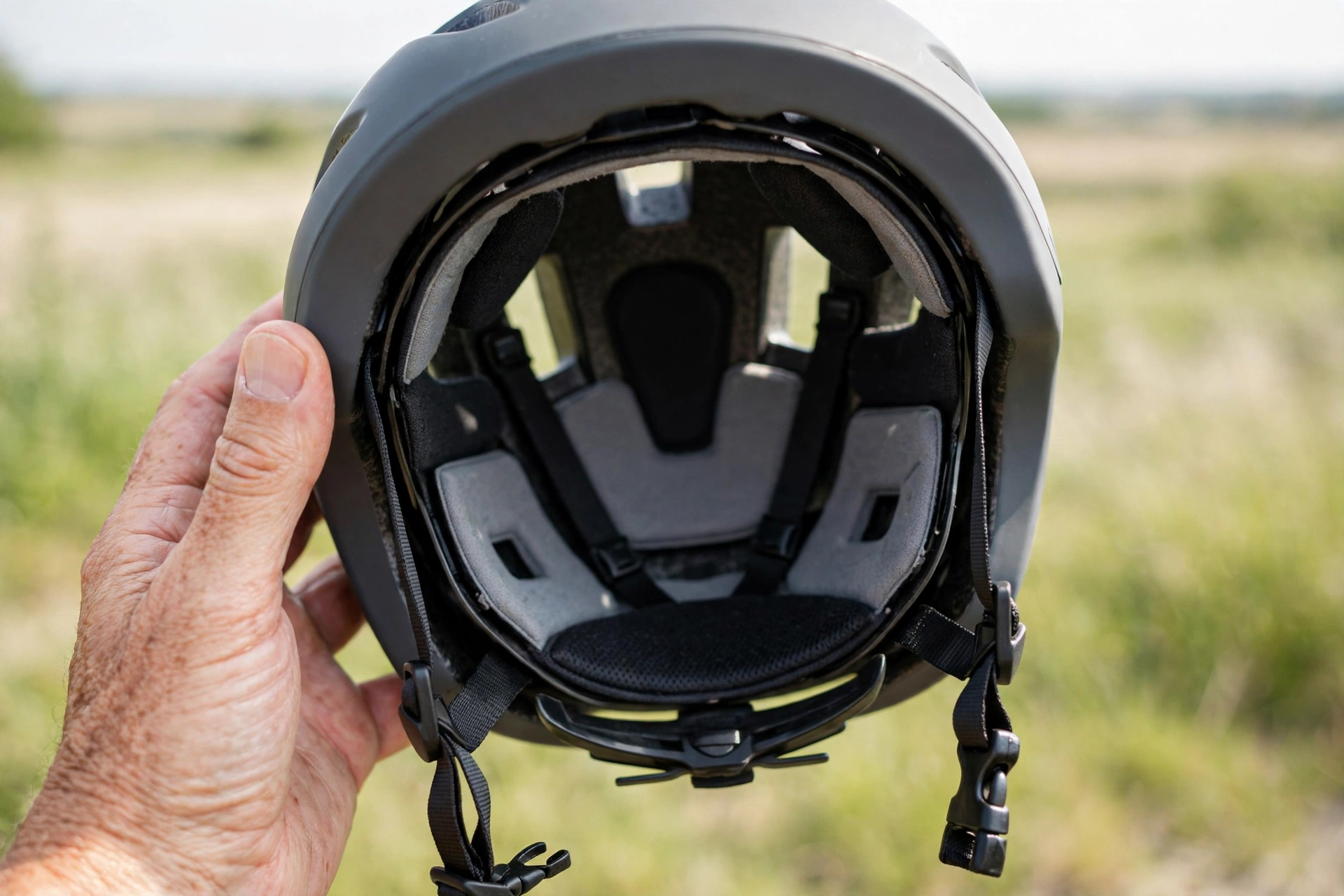
How Can You Tell If a Bicycle Helmet Meets the CPSC Standard?
The easiest way to check is to look for the CPSC label inside the helmet. A helmet that meets the standard should have a sticker or printed label inside the shell stating that it complies with CPSC 16 CFR 1203, or words to that effect. The packaging and the maker’s website should also state the standard, and shops in the United States should only be selling helmets that meet it.
It is worth checking the label before buying, especially when buying a helmet online or second hand. A helmet with no label, a label that names only a different standard, or a label that looks tampered with should be treated with caution. If the label is missing, the seller or the maker should be able to confirm whether the helmet is certified.
Does the CPSC Standard Apply Outside the United States?
The CPSC standard is a United States regulation, so it does not apply by law in other countries. Other countries have their own bicycle helmet standards, such as the European EN 1078 standard, and helmets sold in those countries are usually certified to the local standard instead. A helmet can be certified to more than one standard, and some helmets sold worldwide carry both the CPSC label and a European or Australian label.
For a cyclist riding in the United States, a CPSC-certified helmet is the right choice, because it is the standard that applies there. For a cyclist in another country, the local standard is the one to look for, though a CPSC-certified helmet will still have been tested to a recognised level of impact protection. In general terms, the key point is that the helmet meets a recognised standard for bicycle helmets in the country where it will be used.
Does a CPSC-Certified Helmet Guarantee Safety?
No helmet can guarantee safety, and certification to the CPSC standard does not change that. The standard sets a minimum level of impact protection that every bicycle helmet sold in the United States must meet, which is a useful safety baseline. A certified helmet that fits well and is worn correctly gives the rider much better protection than an uncertified one, but it cannot prevent every injury.
Fit is just as important as certification. A helmet should sit level on the head, cover the forehead, and stay snug when the chin strap is fastened. A certified helmet that is too big, worn tilted back, or left unstrapped will not protect as well as it should. A helmet should also be replaced after a hard crash, because the foam liner inside may have absorbed damage that is not visible from the outside.
What Should You Look for When Buying a Bicycle Helmet?
When buying a bicycle helmet, check first that it carries the CPSC label inside the shell, and that it is the right size for the rider’s head. Try it on and adjust the fit system and straps until it sits level and feels snug without pressing. Shake the head gently: the helmet should stay put, and the straps should hold it in place.
Other things to consider include ventilation, weight, and visibility, since a helmet that is hot or heavy is less likely to be worn on every ride. A bright colour or reflective details can help other road users see the rider. In general terms, the best helmet is one that is certified, fits well, and is comfortable enough to wear every time you ride, so it is worth taking the time to find one that ticks all three boxes.
What does CPSC 16 CFR 1203 mean on a bike helmet?
It means the helmet meets the United States safety standard for bicycle helmets, covering impact protection, strap strength, and labelling in general terms. Look for the standard named on a label inside the helmet.
Do I need a CPSC-certified helmet outside the US?
Not by law, because the CPSC standard is a US regulation. Other countries have their own bicycle helmet standards, so look for the standard that applies where you ride.
Can I use a CPSC bike helmet for other sports?
Not ideally. The standard is written for bicycle crashes, and other sports have their own helmet standards. A helmet certified for the sport you do is the better choice.

Olivia
Writer at Helmet Today, covering helmet reviews, fit and riding safety.