To read a helmet certification sticker, look for the name of the safety standard, the name of the body that certified it, and the model details, all printed on a label inside the helmet. In general terms, the sticker tells you what the helmet was tested for and who checked it, so it is the quickest way to tell a certified helmet from one that only looks safe. Learning to read it takes a minute, and it is worth doing before every helmet purchase.
Where Is the Certification Sticker on a Helmet?
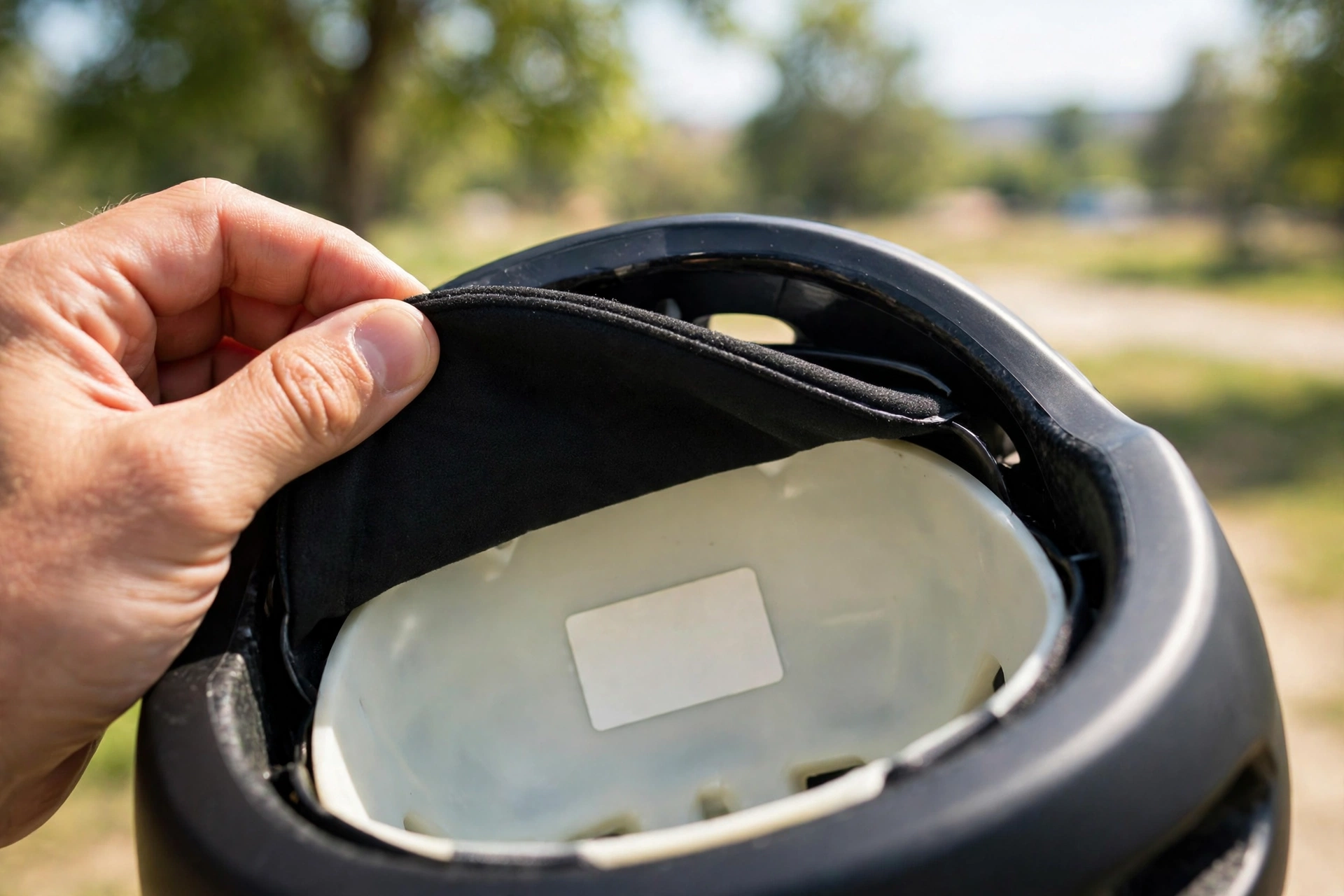
The certification sticker is usually found inside the helmet, on the inner shell or on a label sewn or stuck under the comfort liner. On some helmets it is easy to see as soon as you lift the padding, while on others it is tucked behind a liner that needs to be peeled back gently. A few helmets also carry a marking on the outside of the shell, but the full details are almost always inside.
If you cannot find a sticker, check the packaging and the maker’s website, which should list the standards the helmet meets. A helmet with no sticker, no label, and no mention of a standard in its description should be treated with caution. In general terms, a certified helmet should have its certification easy to find, because the maker has no reason to hide it.
What Information Is on a Certification Sticker?
A certification sticker usually carries several pieces of information. The most important is the name of the standard, such as CPSC 16 CFR 1203 for bicycle helmets in the United States, or EN 1078 in Europe. The sticker may also name the organisation that did the testing or certification, and it often includes the helmet model name, the size, and a date or batch code.
Some stickers carry a serial number or a code that can be checked with the certifying body or the maker. Others carry a small logo, such as the Snell label or a European CE mark. The exact layout varies by standard and by maker, but the standard name is the key detail: it tells you what the helmet was tested for. If you want to understand one of the safety technologies used in modern helmets, reading about MIPS is a good place to start, though that is a design feature rather than a certification standard.
How Do You Know Which Standard You Need?
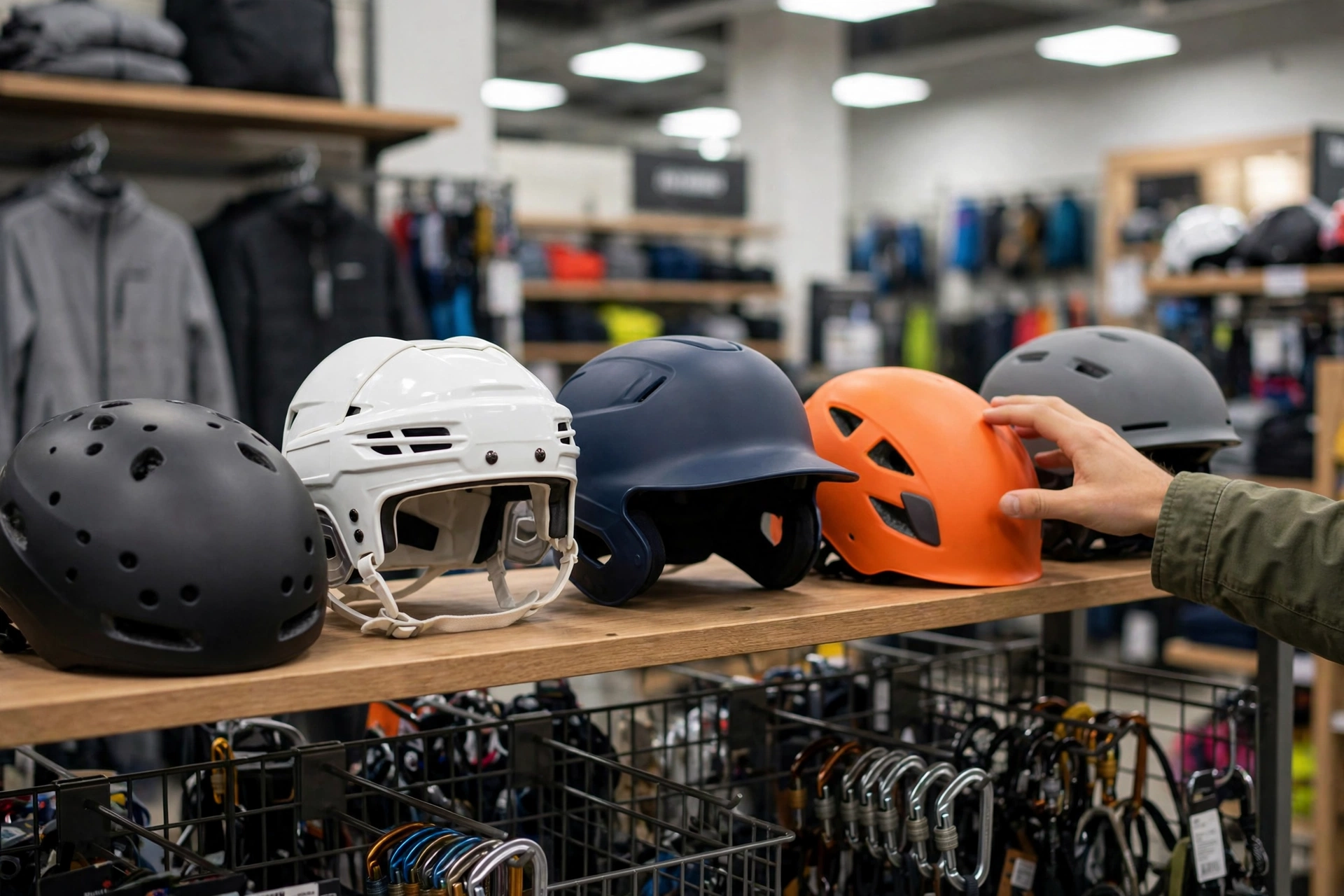
The standard you need depends on the activity and the country where you will use the helmet. A bicycle helmet needs a bicycle helmet standard, a motorcycle helmet needs a motorcycle standard, and a ski helmet needs a ski standard. Using the wrong standard is a common mistake, because a helmet that passes one test may not have been tested for the crashes of another activity.
Country matters too, because different countries use different standards. A cyclist in the United States should look for the CPSC standard, while a cyclist in Europe should look for EN 1078. Some helmets carry more than one standard, and their stickers will list each one. In general terms, the right sticker is the one that names the standard for your activity in the country where you will ride, ski, or play.
What Are the Warning Signs on a Sticker?
There are a few warning signs worth looking for when you read a certification sticker. A sticker that names no standard at all, or that only says something vague like “safety approved” without naming a standard, does not show that the helmet has been certified. A sticker that looks home-made, misspelled, or badly printed should also raise questions, because real certification labels are printed carefully and consistently.
Other warning signs include a sticker that has been peeled off and stuck back on, or a sticker whose details do not match the helmet model or the maker’s listing. A very cheap helmet with a sticker claiming many different standards is also worth a second look. In general terms, if the sticker does not add up, it is reasonable to ask the seller or the maker for proof before you buy.
What Should You Do If the Sticker Is Missing or Damaged?
If the sticker is missing or damaged, do not assume the helmet is certified. Check the packaging and the maker’s website first, and contact the seller or the maker if you still cannot confirm the standard. A genuine maker should be able to tell you which standards a helmet meets and where the label should be.
A missing sticker is a particular worry with second-hand helmets, because the label may have been removed, faded, or lost over time. It is also a worry with helmets bought from unfamiliar sellers online, where a fake label is harder to spot. In general terms, if you cannot confirm the certification, it is safer to choose a different helmet whose sticker you can read clearly.
How Does Reading the Sticker Help You Choose a Helmet?
Reading the sticker helps you choose a helmet because it turns a guess into a check. Instead of trusting the look of a helmet or the claims on the box, you can see for yourself which standard it meets and whether that standard fits your activity. It also helps you compare helmets fairly, because two helmets that look the same may be certified to very different standards.
The sticker check works best alongside a fit check. A certified helmet that does not fit well will not protect as it should, so try the helmet on, fasten the straps, and shake your head gently to see if it stays put. In general terms, the best helmet is one that is certified for your activity, fits well, and is comfortable enough to wear every time, and reading the sticker is the first step in finding it.
Where do I find the certification sticker on my helmet?
Usually inside the shell, on a label under the comfort liner. Lift the padding gently to look, and check the packaging and the maker’s website if you cannot find it.
What should a certification sticker say?
It should name the safety standard, such as CPSC 16 CFR 1203 or EN 1078, and often the certifying body, the model, and the size. A sticker with no standard named does not prove certification.
Can I trust a helmet with no certification sticker?
No, not on its own. If the sticker is missing, ask the seller or maker to confirm the standard. If you cannot confirm it, choose a helmet whose sticker you can read clearly.

Olivia
Writer at Helmet Today, covering helmet reviews, fit and riding safety.