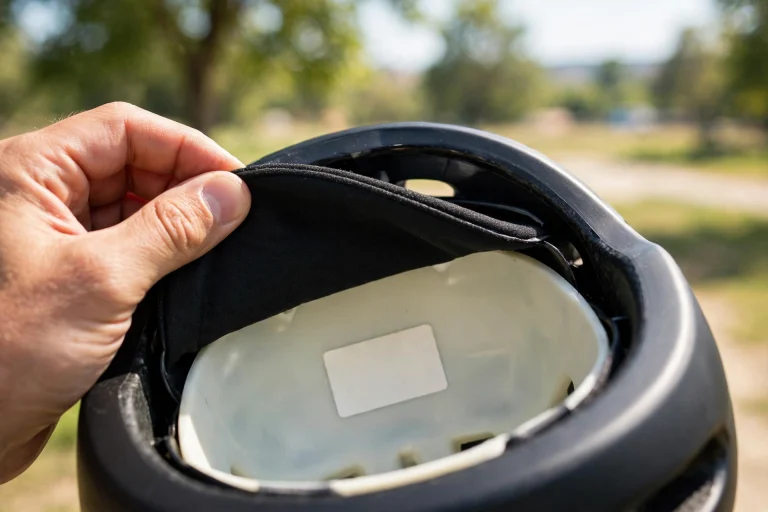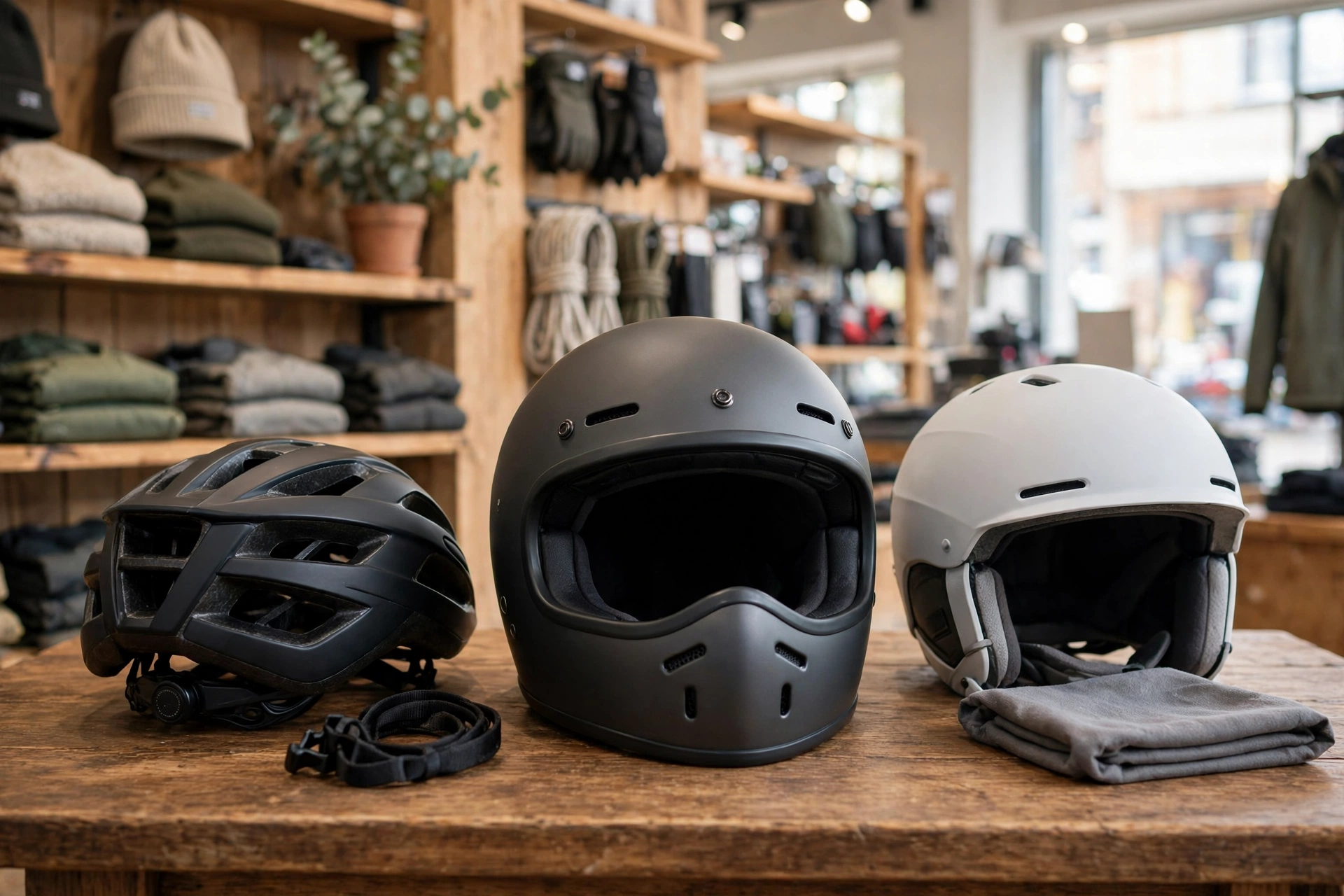
Yes, different countries use different helmet standards, so a helmet certified in one country may not meet the rules of another country. In general terms, each country or region writes its own safety standard for helmets, with its own tests and requirements. That means the label inside a helmet matters as much as the helmet itself, because the label shows which country’s rules it was tested against.
Why Do Countries Have Different Helmet Standards?
Countries have different helmet standards because their safety rules grew up separately, written by different organisations at different times. A country with a strong cycling culture may have written a detailed bicycle helmet standard early, while another country may have focused first on motorcycle helmets. Each standard reflects the local laws, the local testing labs, and the way people in that country actually use helmets.
There have been efforts to bring standards closer together, but full agreement is hard because changing a standard means changing laws, test labs, and the helmets on sale. In general terms, the differences are about how helmets are tested and what they must pass, rather than about whether helmets are a good idea. Every major standard agrees that a good helmet should absorb impacts and stay on the head in a crash.
What Are Some of the Main Helmet Standards Around the World?
The main bicycle helmet standards include the CPSC standard in the United States, EN 1078 in Europe, and the Australian and New Zealand standard, AS/NZS 2063. For motorcycle helmets, the best-known standards include DOT in the United States, ECE in Europe, and the Snell standards set by an independent foundation. Each of these is written for its own country or region, and each has its own testing methods.
Other activities have their own sets of standards too. Ski helmets, equestrian helmets, and industrial hard hats all have national and regional standards, and the list varies by country. A helmet sold in one country will usually carry that country’s standard, and a helmet sold worldwide may carry several. For example, a ski helmet sold in Europe may carry a different label from a ski helmet sold in North America, even when the two helmets look almost identical on the shelf. If you want to understand one of the safety technologies used in modern helmets, reading about MIPS is a good place to start, though that is a design feature rather than a national standard.

Can a Helmet Meet More Than One Country’s Standard?
Yes, a helmet can be certified to more than one country’s standard, and many helmets sold worldwide are. The maker sends the helmet for testing against each standard it wants to meet, and if it passes, the label inside the helmet will list each standard by name. This is common for helmets from large makers who sell in many countries.
Meeting several standards does not mean the standards are the same. Each test is run separately, and the helmet must pass each one on its own terms. In general terms, a helmet with several standards on its label is a useful choice for someone who travels or moves between countries, because it is more likely to meet the local rules wherever it is used.
Does It Matter Which Country’s Standard My Helmet Meets?
It matters most when the law or the rules of an event require a particular standard. Some countries have laws that say a bicycle helmet must meet their national standard, and a helmet certified only to another country’s standard may not count. Sporting events can also require a specific standard, and a helmet that does not meet it may not be allowed on the track, the slope, or the field.
Even where there is no legal requirement, using the local standard is a sensible choice, because it was written for the conditions and the laws where you ride. In general terms, a helmet certified to a recognised standard in another country will still have been tested to a serious level of impact protection, so it is not a bad helmet. But if you can choose, the local standard is the safer bet.
How Do I Check a Helmet’s Standard When Buying Abroad?
When buying a helmet abroad or online from another country, check the label inside the helmet before you buy, and check the seller’s listing for the standards it meets. Look for the standard that applies in the country where you will use the helmet, not just the standard of the country where you bought it. If the listing is unclear, ask the seller or the maker which standards the helmet is certified to.
It is also worth checking whether the helmet is sold by a genuine retailer, because helmets from unfamiliar sellers can carry fake labels. A real certification label should be printed clearly and should match the maker’s listing. In general terms, if you cannot confirm the standard, it is safer to buy from a trusted shop in the country where you will use the helmet.
Will Helmet Standards Ever Be the Same Everywhere?
There is slow progress towards standards that are recognised in more than one country, and some makers already design helmets to pass several standards at once. But full agreement is still a long way off, because each country would need to change its laws and testing systems, and each testing body has its own way of doing things. In general terms, the differences are likely to stay for some time, and riders will still need to check labels for years to come.
For riders and players, the practical answer is simple: know the standard you need, check the label, and buy a helmet that meets it. Standards may differ between countries, but the habit of checking the label works everywhere. A certified helmet that fits well and is worn every time is the best protection in any country, and it is a habit worth building wherever you ride, ski, or play.
Do different countries really use different helmet standards?
Yes. Each country or region writes its own helmet safety standard, such as CPSC in the US and EN 1078 in Europe, so the label inside a helmet shows which country’s rules it meets.
Is a helmet certified in one country safe in another?
In general terms, yes, it has still been tested to a recognised standard. But it may not meet the legal rules of the other country, so check the local standard before you rely on it.
Can one helmet meet several countries’ standards?
Yes, many helmets sold worldwide are certified to more than one standard, and their labels list each one. Check the label to see which standards a helmet meets.

Olivia
Writer at Helmet Today, covering helmet reviews, fit and riding safety.