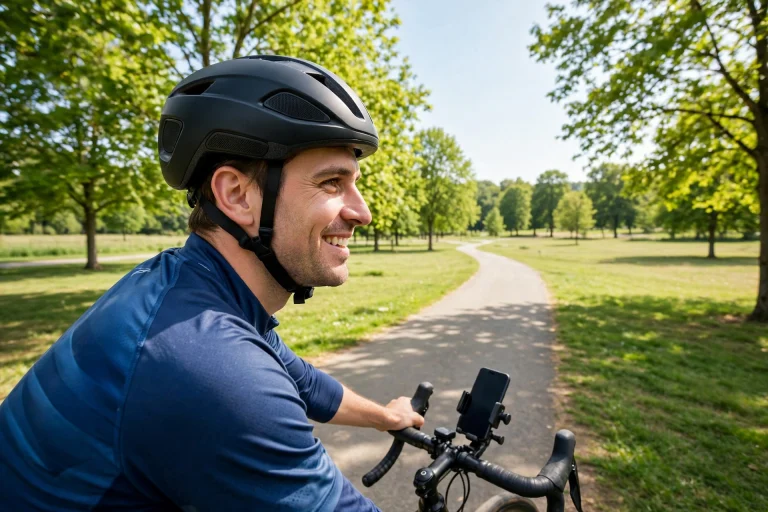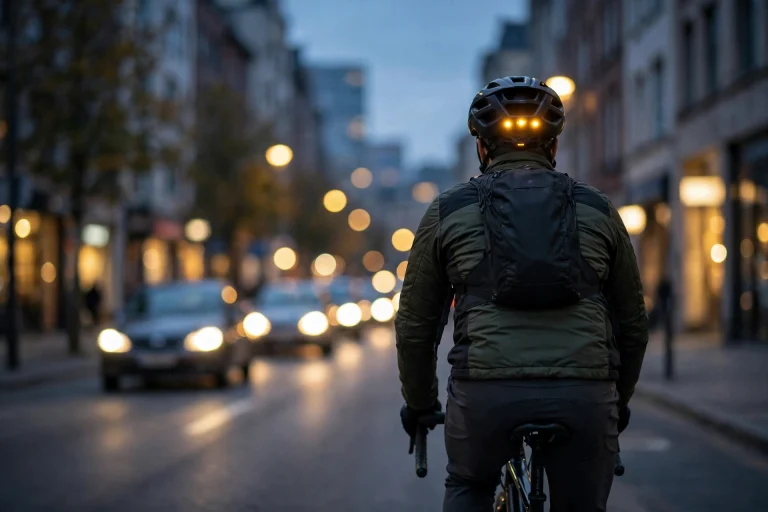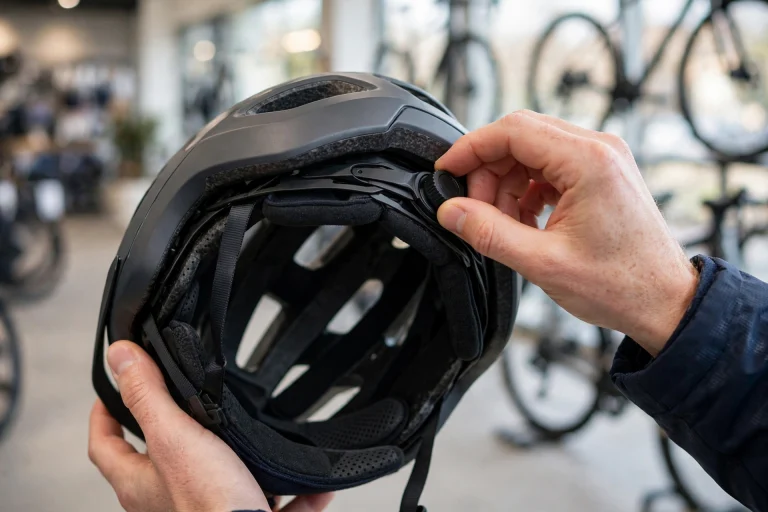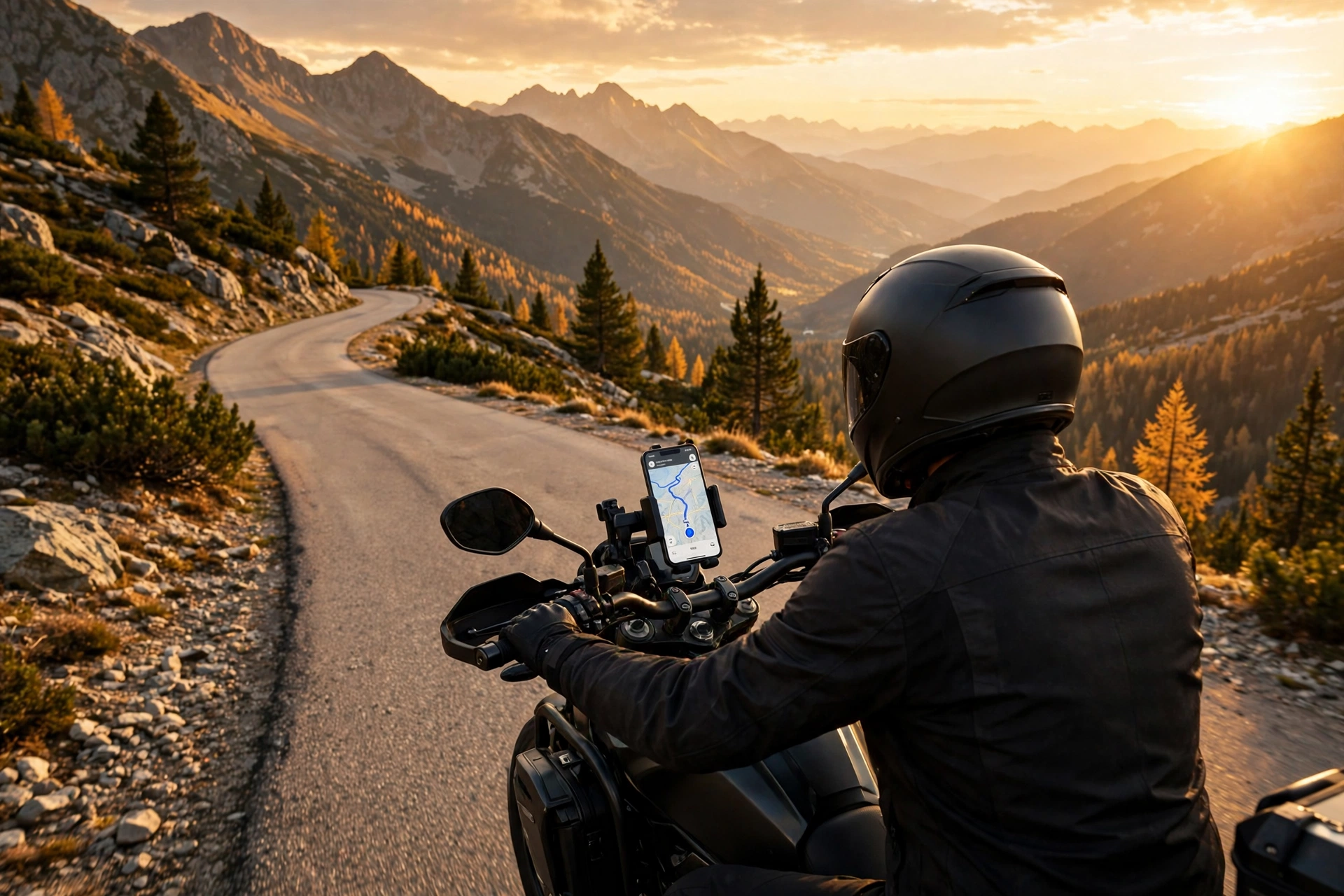
A helmet with a built-in GPS tracker is a helmet that has a small GPS device fitted inside it, which can share the rider’s location, route, and speed with a phone app. In general terms, the tracker uses satellite signals to work out where the helmet is, and sends that information to an app over a mobile or wireless connection. It is a technology aimed at cyclists, motorcyclists, and other riders who want to be found, followed, or tracked on a ride.
How Does a Built-In GPS Tracker Work in a Helmet?
A GPS tracker in a helmet works in the same way as the GPS in a phone. It picks up signals from satellites overhead and uses them to work out its position, speed, and direction of travel. That information is then sent to an app on the rider’s phone, either over a mobile data connection or through a short-range wireless link, so the rider or someone else can see where the helmet is on a map.
Some trackers update the position every few seconds, while others send updates less often to save battery. The tracker is usually built into the helmet’s shell or liner, with a small battery and an antenna, and it is switched on with a button or through the app. In general terms, the tracker needs a clear view of the sky to work well, so it may be slower to find a signal indoors, in a tunnel, or under dense tree cover.
Why Would a Rider Want a GPS Tracker in a Helmet?
The most common reason is safety. If a rider crashes and cannot call for help, a tracker can show where they are, so that family, friends, or emergency services can find them. Some systems can also detect a sudden impact and send an alert automatically, which is useful for riders who travel alone on quiet roads or trails.
Other riders use the tracker for navigation and for recording rides. It can show the route taken, the distance covered, and the speed reached, which is useful for training and for sharing a ride with friends. A tracker can also help if a helmet or a bike is lost or stolen, because it can show the last known location. If you want to understand one of the safety technologies used in modern helmets, reading about MIPS is a good place to start, though that is about impact protection rather than tracking.
Does a GPS Tracker Make a Helmet Safer?
A GPS tracker does not make a helmet protect the head better in a crash. The shell and liner do that job, and a tracker adds nothing to impact protection. What it can do is improve what happens after a crash, by helping others find the rider more quickly. That is a real benefit, but it is not the same as better crash protection.
It is also important to check that the tracker does not weaken the helmet. A tracker that is fitted properly by the maker, inside a helmet that has been tested and certified with the tracker in place, should be fine. A tracker that has been added afterwards, by drilling or cutting into the shell, could damage the helmet and should be avoided. In general terms, the safest choice is a helmet that was designed with the tracker built in from the start.
What Are the Downsides of a GPS Tracker Helmet?
The main downsides are battery life, weight, and cost. A GPS tracker needs power, so the helmet has a battery that must be charged, and the tracker will stop working when the battery runs out. Some riders find it annoying to charge yet another device, and a dead tracker is no use in an emergency. The tracker and battery also add a little weight to the helmet, which can matter on a long ride.
There are also privacy questions to think about. A tracker records where the rider goes, and that information is stored in an app or on a server. Riders should check what data is collected, who can see it, and how it is stored before using a tracker. In general terms, a tracker is most useful when the rider understands what it shares and is comfortable with that.
How Do You Choose a Helmet With a Built-In GPS Tracker?
When choosing a helmet with a built-in GPS tracker, check first that the helmet itself is a good helmet: it should be certified to the right standard for the activity, fit well, and feel comfortable. The tracker should be a bonus on top of a solid helmet, not a reason to buy a helmet that does not fit or is not certified.
Then look at how the tracker works. Check how long the battery lasts, how the helmet is charged, whether it needs a mobile signal to work, and whether there is a subscription fee for the app or the tracking service. Try the app before buying if you can, to see whether the maps and alerts are easy to use. In general terms, a tracker helmet is worth it when the helmet is good, the app is simple, and the battery lasts long enough for your rides.
Do You Need a Phone for a GPS Tracker Helmet to Work?
In most cases, yes, a phone is needed to see the tracker’s information, because the app that shows the location runs on a phone. Some trackers can store a ride and sync it later, but the live location and the alerts usually need a phone nearby or a mobile connection. A few systems can send alerts without a phone, using their own mobile connection, but those often need a subscription.
It is worth checking this before buying, especially if you ride without a phone. In general terms, a tracker helmet works best as part of a system: the helmet, the app, and the phone working together. If any part of that system is missing, the tracker may not do what you expect.
What does a GPS tracker in a helmet do?
It works out the helmet’s location using satellite signals and shares it with a phone app, so the rider’s position, route, and speed can be seen on a map.
Does a GPS tracker make a helmet safer in a crash?
Not in terms of impact protection. It can help others find the rider after a crash, but the shell and liner are what protect the head.
Do GPS tracker helmets need charging?
Yes, the tracker runs on a battery that must be charged, and it stops working when the battery runs out. Check the battery life before you buy.

Olivia
Writer at Helmet Today, covering helmet reviews, fit and riding safety.