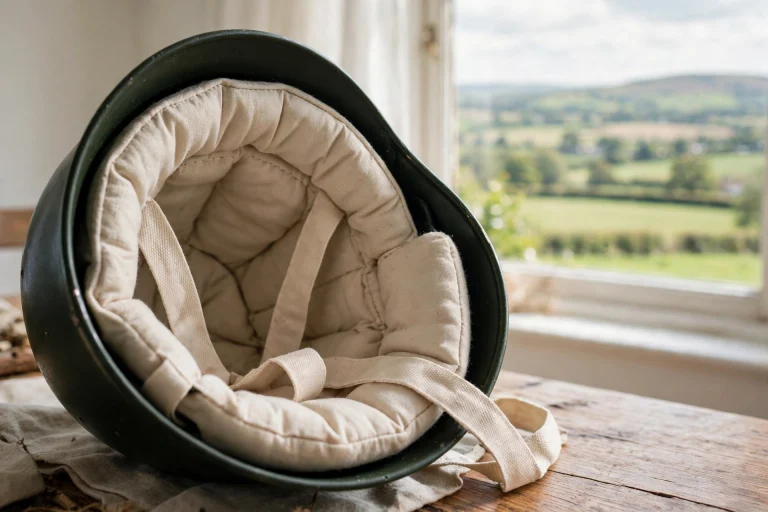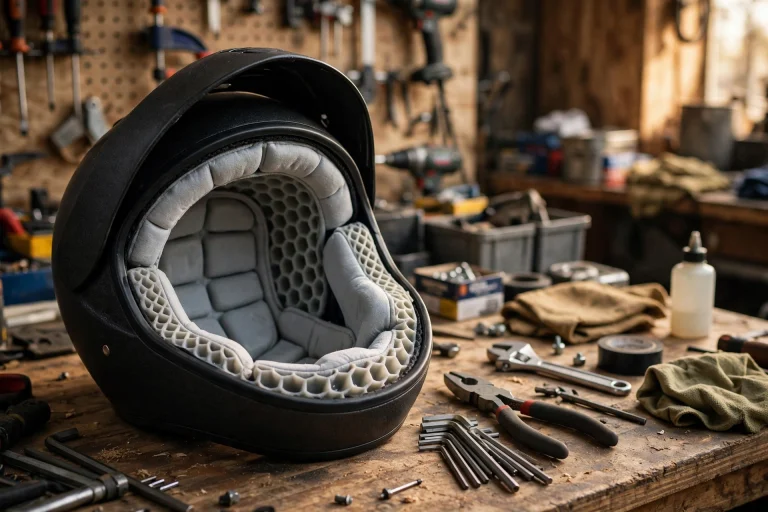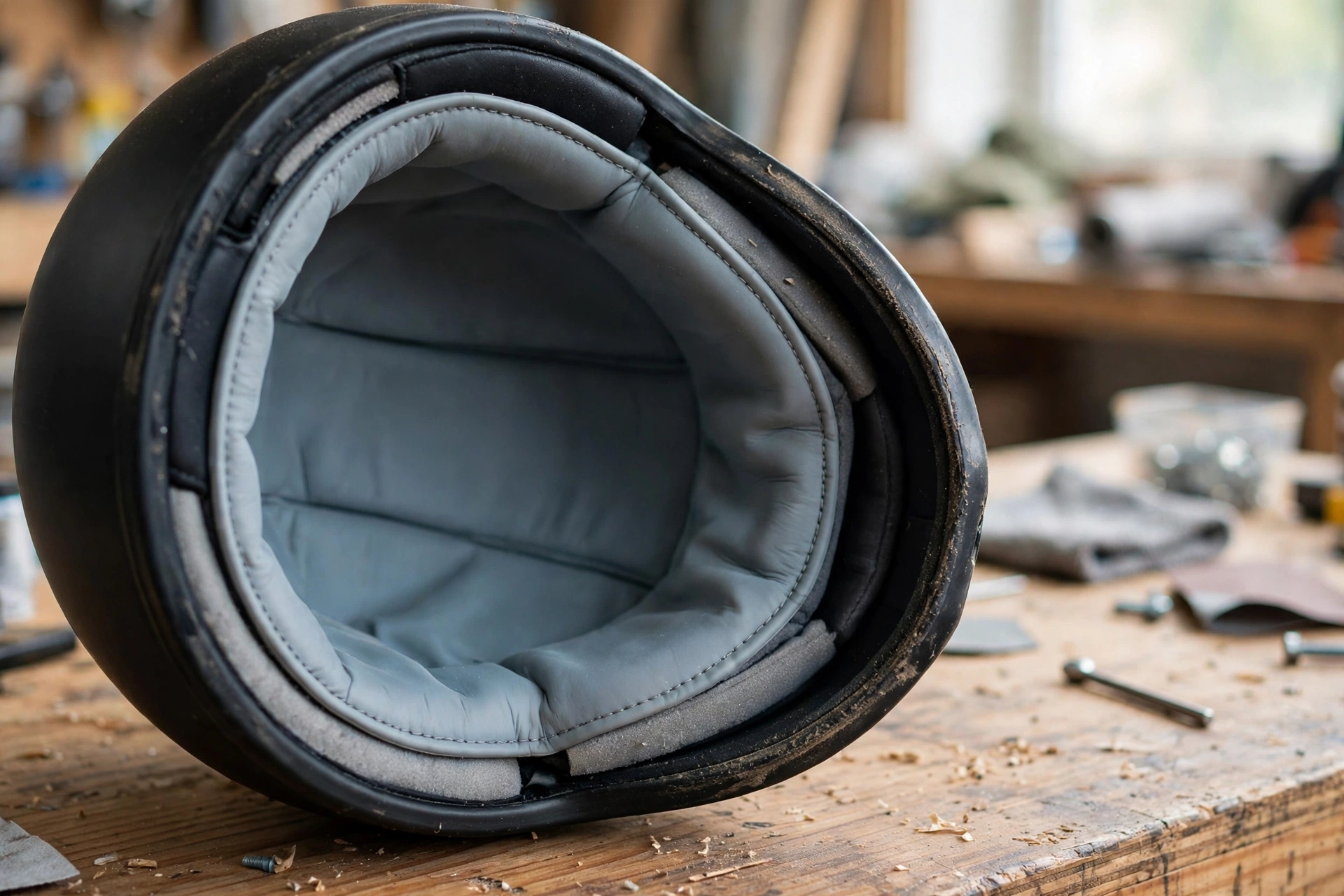
A silicone helmet liner is a soft, flexible layer made from silicone that sits inside a helmet, between the shell and the head, cushioning the head and spreading pressure evenly. It is a smooth, rubbery material that moulds gently to the shape of the head, giving a close and comfortable fit while adding a layer of protection. Silicone liners are used in some motorcycle, cycling, and sports helmets, either on their own or alongside foam padding, and they are valued for their comfort, their grip, and the way they handle sweat and moisture.
What Is Silicone Used for in a Helmet Liner?
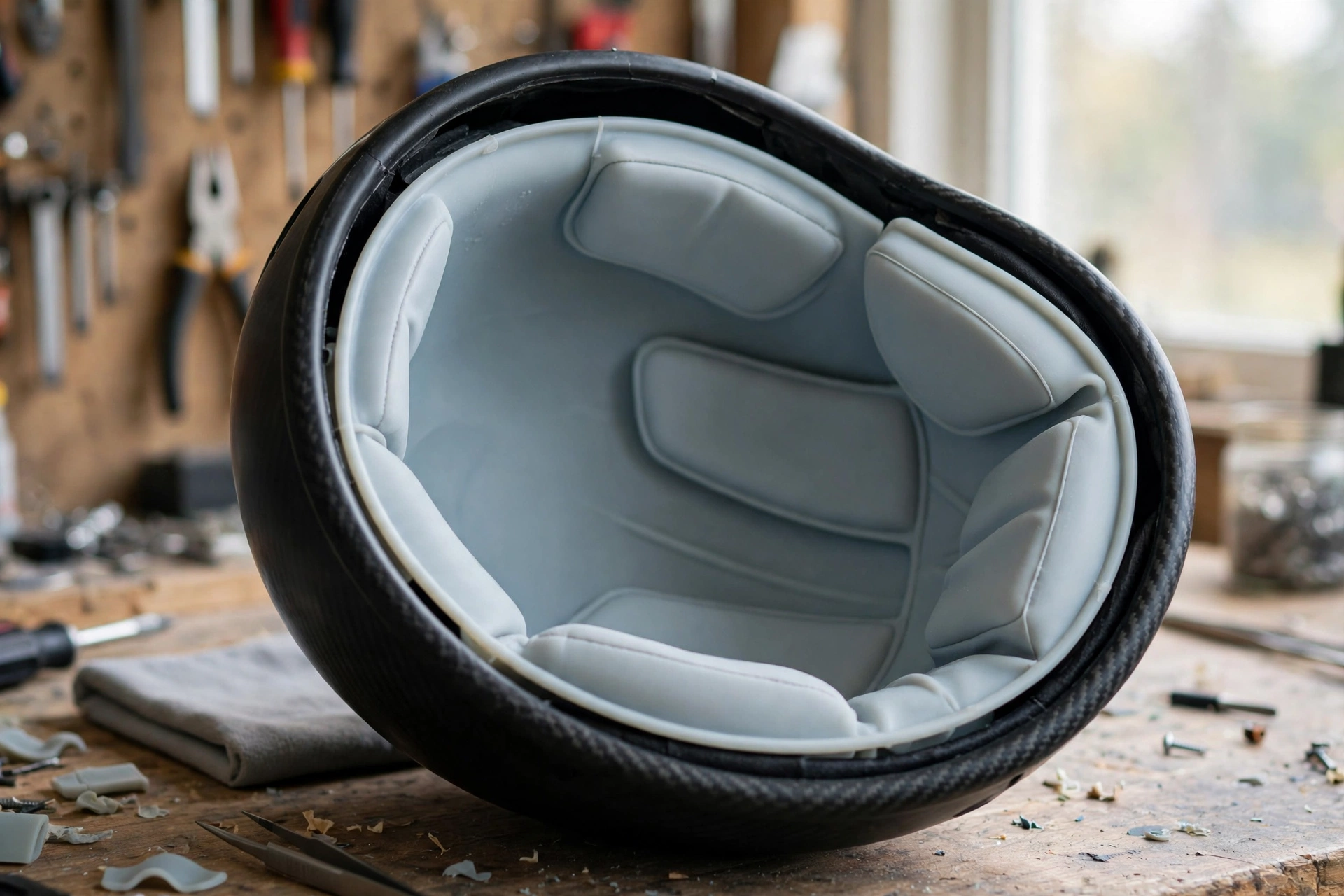
Silicone is used in a helmet liner mainly as a comfort layer and as a cushion between the head and the hard shell. The liner is usually a thin sheet or a set of shaped pads made from soft silicone, fixed to the inside of the helmet or held in place by the foam padding. It sits against the skin or the hair, and because it is smooth and flexible, it moves with the head rather than rubbing against it.
In general terms, silicone is chosen because it is soft, durable, and easy to clean. It does not absorb water the way fabric does, so sweat tends to sit on its surface rather than soaking in, and it can be wiped clean with a damp cloth. Silicone also keeps its shape well over time and does not go flat the way some foam pads can, which means the fit of the helmet stays more consistent from one ride to the next.
How Does a Silicone Liner Protect the Head?
A silicone liner protects the head by spreading the force of a knock over a wider area and by adding a soft layer between the head and the shell. When the helmet is hit, the silicone deforms slightly and spreads the pressure, so the force is not concentrated on one small point. That cushioning effect is gentler on the head than a hard surface would be, though the main impact protection still comes from the helmet’s shell and its foam liner.
Silicone also has a slight grip, which helps the helmet stay in place on the head. A helmet that stays put is more likely to be in the right position if it is needed in a fall, and it is also more comfortable to wear. If you want to understand one of the safety technologies used in modern helmets, reading about MIPS is a good place to start, since silicone liners and rotational protection systems deal with different parts of the same problem.
Is a Silicone Liner Comfortable to Wear?
Many riders find a silicone liner comfortable because it is smooth, soft, and moulds to the shape of the head without pressing hard in any one spot. Unlike some foam pads, which can feel stiff when new, silicone gives a gentle, even feel from the first wear, and it does not create the hot spots and pressure points that can make a helmet uncomfortable after an hour or two on the road.
Silicone also feels cool when it is first put on, which some riders enjoy in warm weather, though it warms up to body temperature over time. On the other hand, silicone does not breathe the way fabric does, so sweat can build up under it on a hot day, and some riders find that it feels sticky against the skin. In general terms, comfort comes down to the fit of the whole helmet, and a silicone liner is one way to improve it, but a well-fitting foam or fabric liner can be just as comfortable for many riders.
What Are the Downsides of a Silicone Helmet Liner?
Silicone liners have a few downsides worth knowing. The first is weight: silicone is denser than foam or fabric, so a helmet with a thick silicone liner can feel slightly heavier on the head, and that extra weight can be felt on the neck during a long ride. The second is heat: silicone does not let air through, so it can feel warm in hot weather, and sweat may collect on its surface more easily than on a fabric liner.
Silicone can also feel slippery when it is wet, though its natural grip usually keeps the helmet in place. In general terms, these are small trade-offs, and the liner still works well, but they are worth knowing about before choosing a helmet with a silicone liner. Silicone liners can also cost more than simple foam or fabric padding, so helmets that use them tend to be priced a little higher.
How Do You Clean a Silicone Helmet Liner?
Cleaning a silicone liner is simple, because silicone does not absorb water or sweat. The liner can usually be wiped with a damp cloth and a little mild soap, then left to dry fully before the helmet is worn again. Harsh cleaners should be avoided, since they can damage the surface of the silicone or the fixings that hold it in place.
On many helmets the silicone pads can be taken out, which makes cleaning easier and lets the liner dry fully between rides. If the pads are fixed in place, they can still be wiped clean inside the helmet. The liner should be checked from time to time for tears, cracks, or loose edges, and if a pad is damaged it should be replaced, following the maker’s instructions.
Who Might Choose a Helmet With a Silicone Liner?
A helmet with a silicone liner might suit a rider who finds normal foam padding uncomfortable, or who wants a liner that is easy to wipe clean after every ride. Commuters and riders who wear a helmet daily are the people most likely to notice the difference, because the easy cleaning and the steady fit of silicone show most over time rather than in a short try-on.
Riders who sweat a lot may also like silicone, since it does not soak up moisture the way fabric does. In general terms, though, a silicone liner is a comfort feature rather than a must-have, and the most important thing when choosing a helmet is still the fit, the safety standard, and the type of riding. A silicone liner is worth trying if comfort or easy cleaning matters to you, but it is not needed by every rider.
Does a silicone liner make a helmet safer?
In general terms, a silicone liner can help spread impact forces and keep the helmet in place, but it is not a replacement for the helmet’s main impact-absorbing liner. The safety of a helmet still comes from its shell, its foam liner, and its fit, with the silicone adding comfort and a little extra cushioning.
Can a silicone liner be replaced?
Yes, in general terms. On many helmets the silicone pads can be taken out and replaced with new ones, following the maker’s instructions. If the silicone is built into the liner, the whole liner may need replacing instead.
Does a silicone liner get hot in summer?
It can feel warmer than fabric, because silicone does not breathe and can hold heat against the head. Riders in hot weather may prefer a helmet with good vents, and should check that the silicone liner does not make the helmet too warm for their riding.

Olivia
Writer at Helmet Today, covering helmet reviews, fit and riding safety.