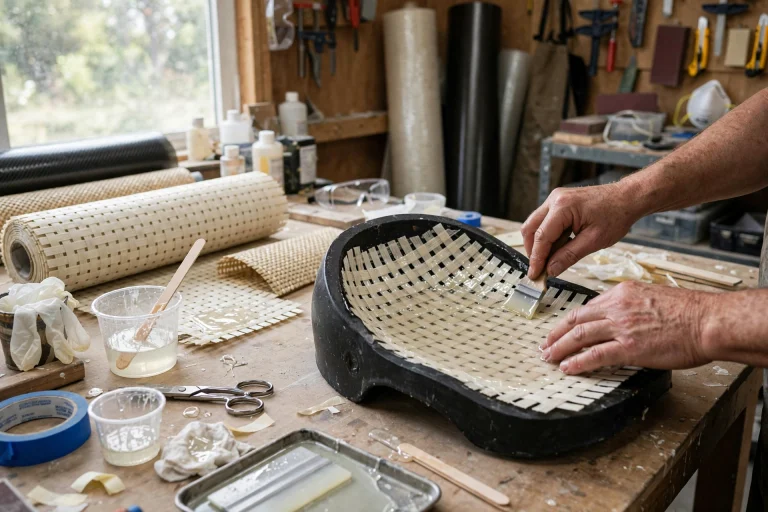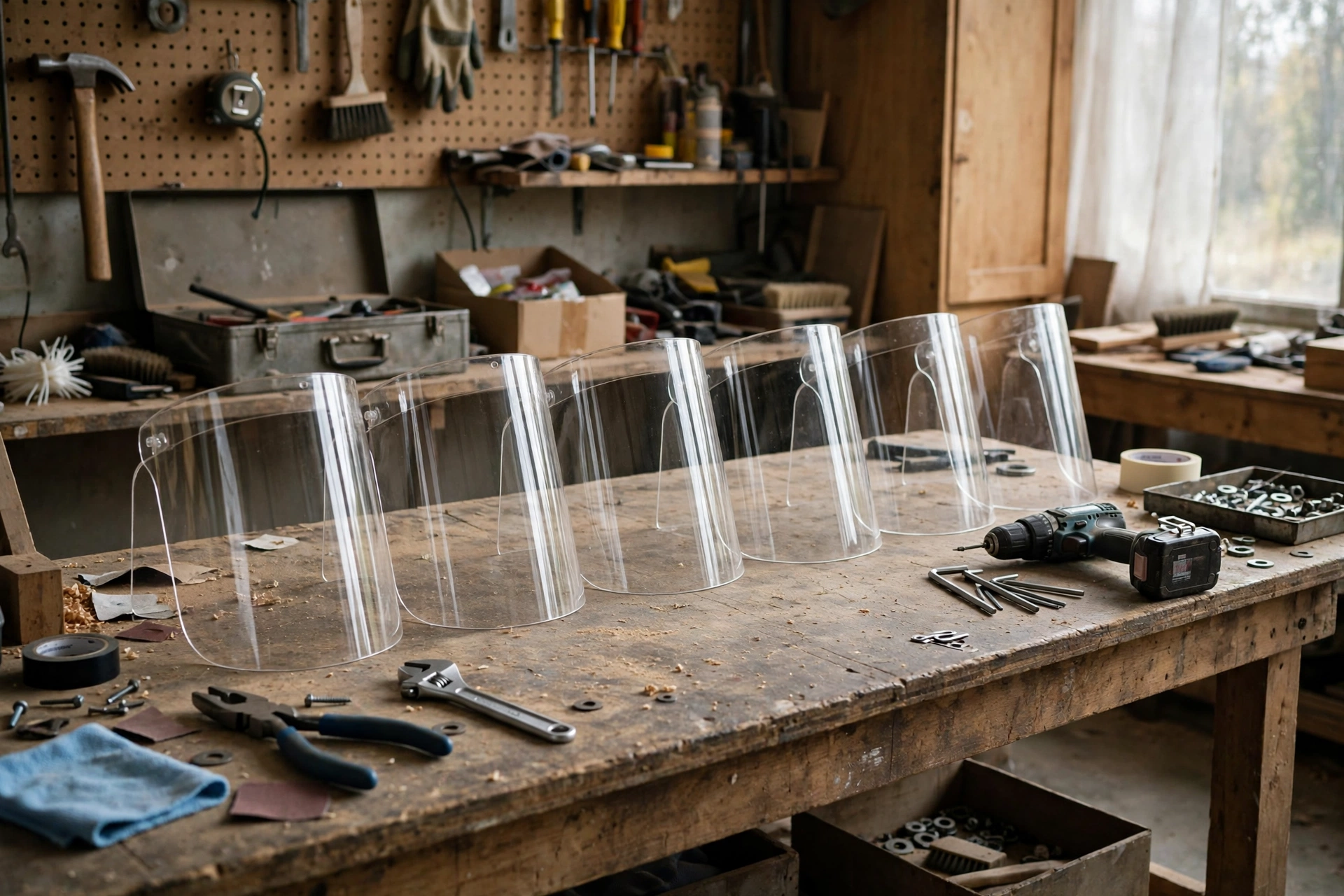
Helmet visors are made by shaping clear plastic sheets into a curved shield, then cutting, polishing, and fitting them to the helmet so they protect the eyes and face from wind, rain, dust, and insects. In general terms, the process starts with a flat sheet of transparent plastic, which is heated, moulded to the right curve, and trimmed to fit the shape of the helmet, before any coatings are added. Visors are used on motorcycle, cycling, ski, and work helmets, and the way they are made depends on the type of helmet and on whether the visor is clear, tinted, or treated to resist fog and scratches.
What Materials Are Helmet Visors Made From?
Most helmet visors are made from a clear, tough plastic, most often polycarbonate, which is light, strong, and resistant to impacts. Polycarbonate is a good choice for visors because it does not shatter easily when it is hit, and it can be moulded into a smooth curve without losing its clarity. Some visors are made from other clear plastics, but polycarbonate is the most common material for motorcycle and sports helmet visors.
Visors can also be made with added layers or coatings. A tinted visor has a colour added to the plastic or to a coating on its surface, which cuts down glare in bright sunlight. Some visors have a scratch-resistant coating on the outside and an anti-fog coating on the inside, which helps keep the view clear in cold or wet weather. In general terms, the base plastic gives the visor its strength, and the coatings give it its extra features.
How Is a Visor Shaped and Cut?
A visor is usually shaped by heating a flat sheet of plastic until it is soft, then pressing it into a curved mould that matches the shape of the helmet. The plastic takes the shape of the mould as it cools, giving the visor its smooth, even curve. The process needs to be done carefully, because any unevenness in the curve can distort the view through the visor.
Once the visor has cooled and hardened, it is cut to its final shape, with the edges trimmed and smoothed so they are safe to handle and fit neatly against the helmet. Holes or slots for the mounting points are cut or drilled at this stage, and the visor is checked for clarity and for any marks or flaws. In general terms, a visor that is not optically clear is rejected, since a distorted view is a safety problem for the rider.
How Are Visor Coatings Applied?
Coatings are applied to a visor after it has been shaped and cut, usually by dipping the visor in a liquid coating or by spraying the coating onto its surface. A hard coating is applied to the outside to resist scratches, while an anti-fog coating may be applied to the inside to stop moisture from forming into droplets that blur the view. Each coating is dried or cured so that it bonds firmly to the plastic.
Tinted visors are made by adding a colour to the plastic itself or to a coating, and the tint is checked to make sure it is even across the whole visor. Some visors also have a coating that blocks ultraviolet light, which protects the eyes and stops the plastic from degrading in sunlight. In general terms, coatings are thin and invisible, but they make a real difference to how well the visor works in everyday use.
How Is a Visor Fitted to a Helmet?
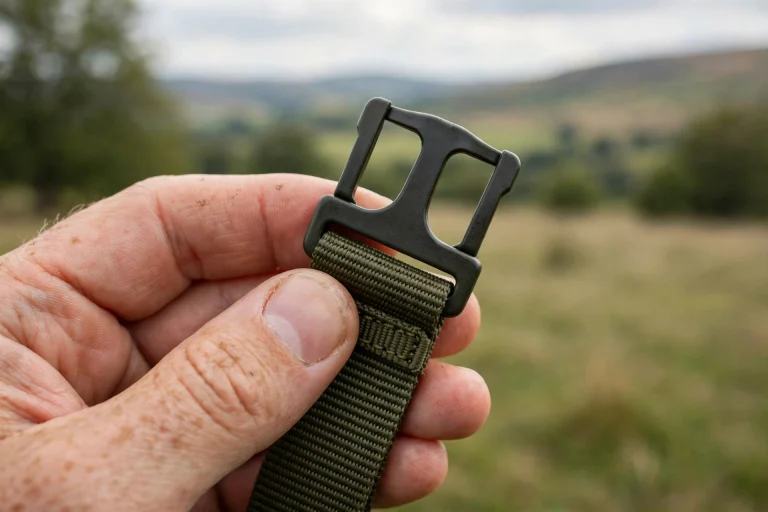
A visor is fitted to a helmet using side mounts, pivots, or clips that let it move up and down or be removed altogether. On a motorcycle helmet, the visor is usually held by two pivot plates, one on each side, which let the rider lift the visor with one hand and hold it in place at different heights. The pivots are fixed with screws or quick-release fittings, and they are designed to let the visor break away in a crash rather than snag.
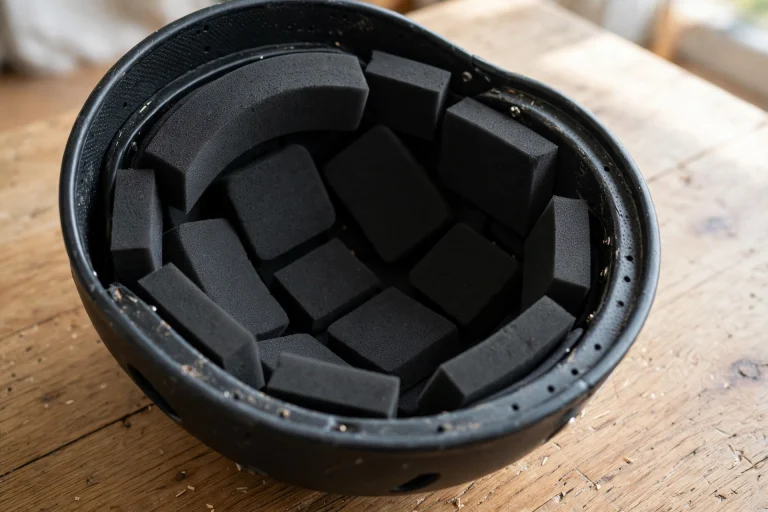
On cycling and ski helmets, the visor or shield may clip into place or be held by magnets, so it can be taken off quickly. If you want to understand one of the safety technologies used in modern helmets, reading about MIPS is a good place to start, though the visor itself is a separate part of the helmet and does not affect the liner system. In general terms, a well-fitted visor should sit close to the helmet, move smoothly, and stay where the rider puts it.
How Do You Look After a Helmet Visor?
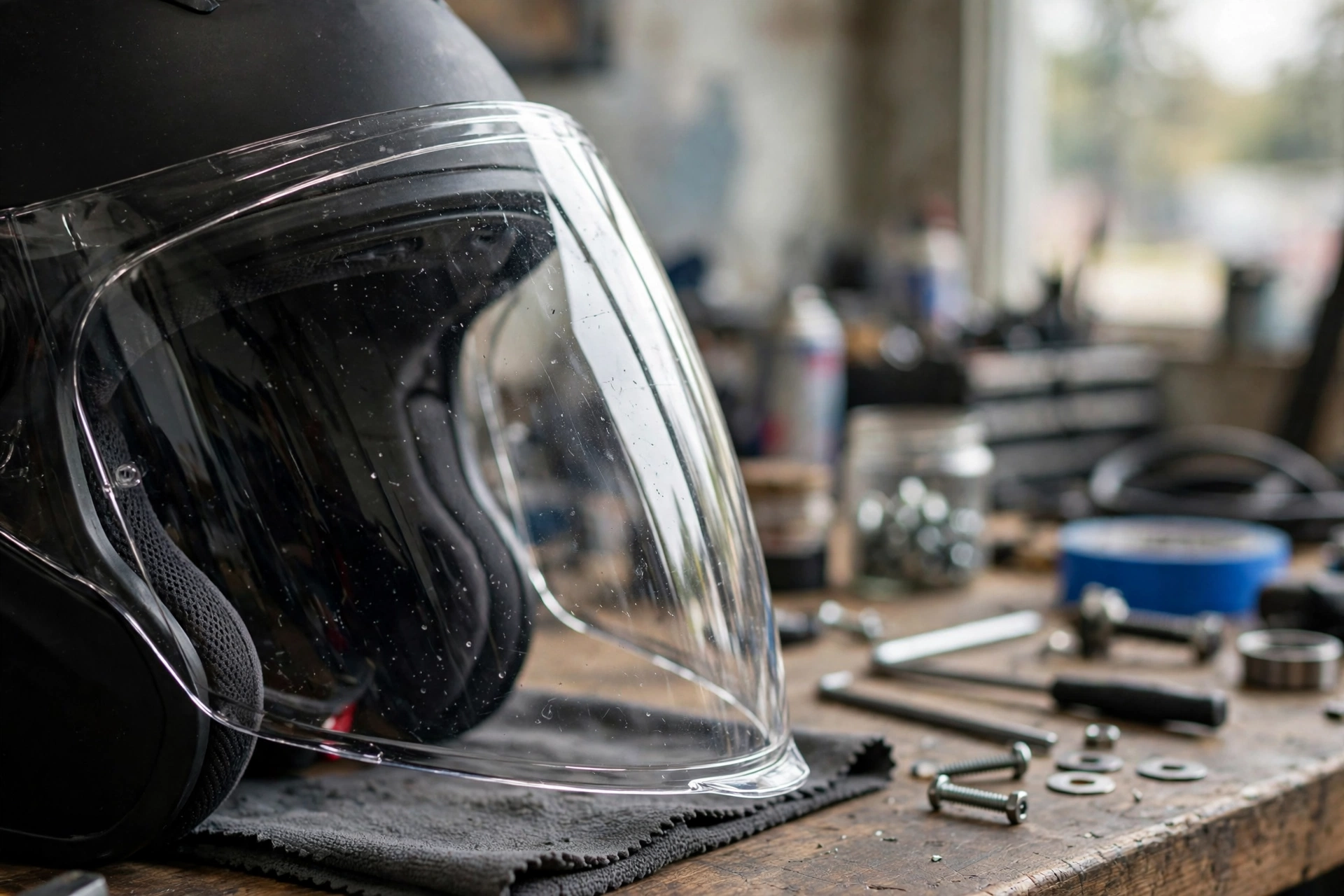
Looking after a visor is mostly a matter of keeping it clean and avoiding scratches. The visor should be cleaned with clean water and a soft cloth, and a little mild soap if needed, then left to dry in the air. Paper towels and dry cloths should be avoided, since they can scratch the surface, and harsh cleaners should not be used, since they can damage the coatings.
The visor should be checked from time to time for scratches, cracks, or a loose fitting, because a scratched visor can blur the view in bright light or at night. If the visor is badly scratched or cracked, it should be replaced, following the maker’s instructions. As with any helmet, a hard impact means the helmet itself should be replaced, even if the visor still looks fine, because damage to the shell or the main liner may not be visible.
When Should a Helmet Visor Be Replaced?
A helmet visor should be replaced when it is scratched, cracked, or no longer fits properly, since any of these can affect the rider’s view or the way the visor moves. A visor that is cloudy or yellowed with age should also be replaced, as it will not give a clear view in bright light or at night. In general terms, a visor is a wear item, and it will need replacing sooner than the helmet itself if it is used every day.
It is also worth replacing a visor if its coatings have worn away, since a visor without its anti-fog or scratch-resistant coating will mist up and scratch more easily. A replacement visor should match the helmet model as closely as possible, and it should be fitted following the maker’s instructions. A visor that does not fit the helmet properly is not safe to use, however clear its plastic may be.
Are tinted visors safe to use at night?
In general terms, no. A tinted visor cuts down the light that reaches the eyes, which is helpful in bright sun but makes it harder to see in the dark. A clear visor should be used for night riding.
Can a scratched visor be repaired?
In general terms, no. Scratches in the plastic or the coating cannot be polished out safely without distorting the view. A badly scratched visor should be replaced with a new one.
Do all helmets have visors?
No. Many cycling and climbing helmets have no visor at all, and riders use sunglasses or goggles instead. Visors are most common on motorcycle, ski, and some work helmets.

Olivia
Writer at Helmet Today, covering helmet reviews, fit and riding safety.