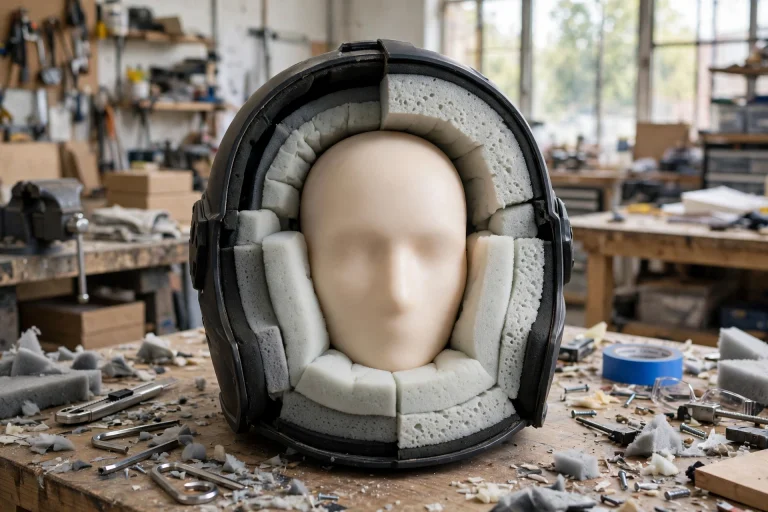
Helmet foam slows your head down by crushing in a controlled way when your head presses into it, soaking up the energy of the impact and stretching the stop out over a short distance. Instead of your head hitting a hard stop, the foam gives way gradually, so the sudden energy of a crash is spent a little at a time. That gentle slowdown is the most important job any helmet does.
The foam inside a helmet looks simple, but it is carefully designed. It is firm enough to hold its shape during normal wear, yet soft enough to crush when a real impact arrives. The balance between those two needs is what makes helmet foam different from ordinary packaging foam, and it is why a helmet’s liner cannot be replaced by a bit of sponge.
What is helmet foam made to do?
Helmet foam is made to absorb energy by crushing. When your head is moving fast and suddenly needs to stop, the foam is the cushion that takes the speed out of it. The shell spreads the force first, and then the foam turns that force into a slower, gentler stop by collapsing cell by cell under the pressure.
The foam also spreads the load across the surface of your head. Because the liner sits against your whole head, the force is shared over a wide area instead of pressing on one spot. In general terms, the foam’s job is to be the part of the helmet that gives way on purpose, so your head does not have to. Good helmet foam is also light and breathable, so it can do this protective job without making the helmet heavy or hot to wear, and it keeps its shape through everyday use until a real impact arrives.
How does foam turn speed into a slower stop?
Foam turns speed into a slower stop by giving your head room to travel while it decelerates. When your head presses into the liner, the foam compresses and your head moves a short distance into it. That short travel is what stretches the stop out: instead of stopping instantly, your head slows down over the distance the foam provides.
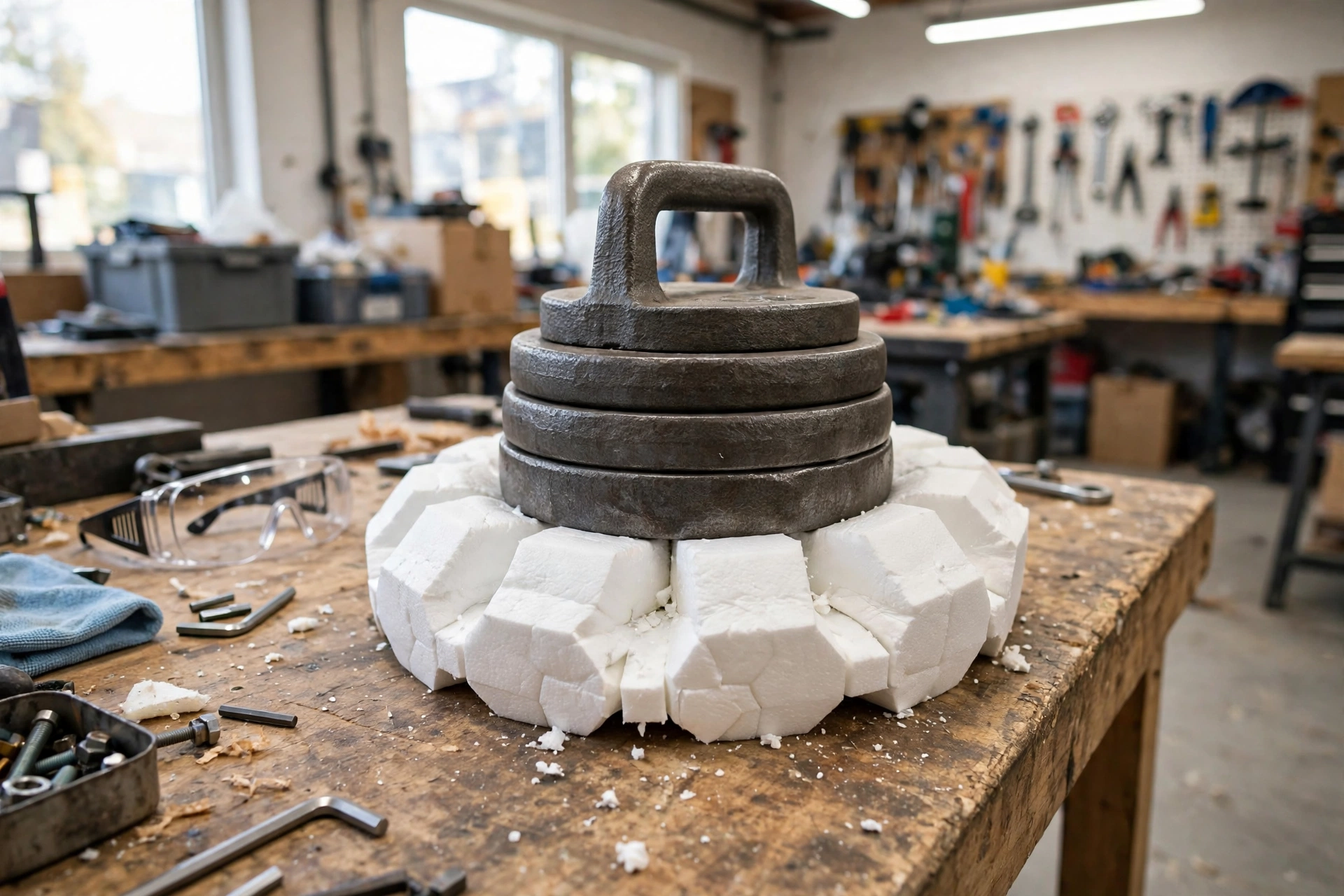
Inside the foam, tiny air-filled cells collapse one after another as the pressure builds. Each collapsing cell absorbs a small amount of energy, and together they absorb a great deal. The process happens in a fraction of a second, but it is still much gentler than hitting a solid surface, because the energy is spent gradually rather than all at once.
Why does foam crush instead of bouncing back?
Foam crushes instead of bouncing back because bouncing would be dangerous. If the liner acted like a spring, it would throw your head back after the impact, adding a second jolt in the opposite direction. A helmet liner is designed to absorb energy, not to return it, so the foam is made to collapse permanently.
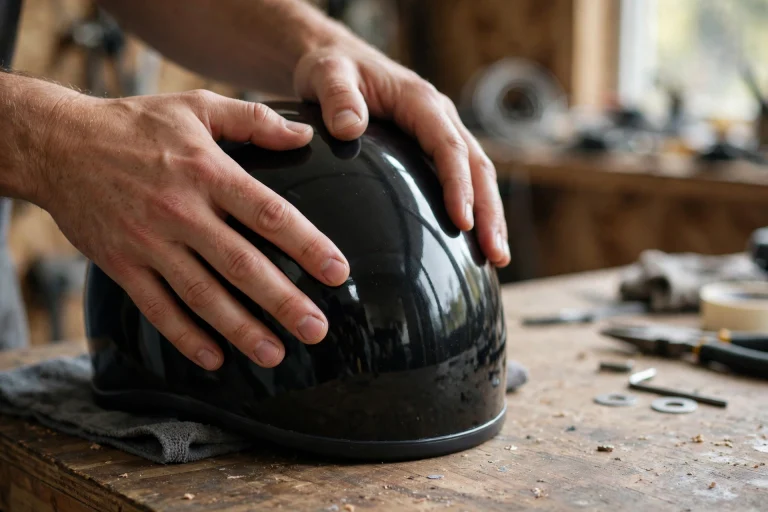
This is why a helmet that has been in a crash must be replaced. The foam has already spent its ability to crush, and it cannot do the same job again. From the outside, the helmet may look fine, because the shell can spring back even when the foam inside has stayed compressed. The damage is hidden, but it is real.
What is the difference between soft and firm foam?
Soft foam crushes easily and feels comfortable, but it can crush flat too quickly in a hard impact, leaving no cushion for the rest of the stop. Firm foam resists crushing and can handle harder impacts, but it may feel less comfortable and may not crush enough in a lighter impact to give a gentle stop.
That is why many helmets use foam of different densities in different places. Softer foam may be used where comfort matters most, and firmer foam where the biggest impacts are expected. Some helmets also use two layers of foam with different densities, so the softer layer handles small knocks and the firmer layer takes over in a serious crash. The aim is a liner that works well across a range of impacts, not just one.
Why does foam only work once?
Foam only works once because its protection comes from crushing, and crushed foam cannot un-crush itself. The cells inside the foam collapse permanently when they absorb energy, and once they have collapsed there is nothing left to absorb a second impact. The liner may still look like foam and feel like foam, but its energy-absorbing structure is gone in the crushed area.
This one-use design is not a flaw; it is the point. A liner that bounced back would return energy to your head, which would make the crash worse. The trade-off is that a helmet is a single-crash item in a serious impact, and replacing it after a crash is part of using it correctly. This is also why a helmet should never be bought second-hand without knowing its history: a liner that looks fine may already have done its one job.
How does foam work with the shell?
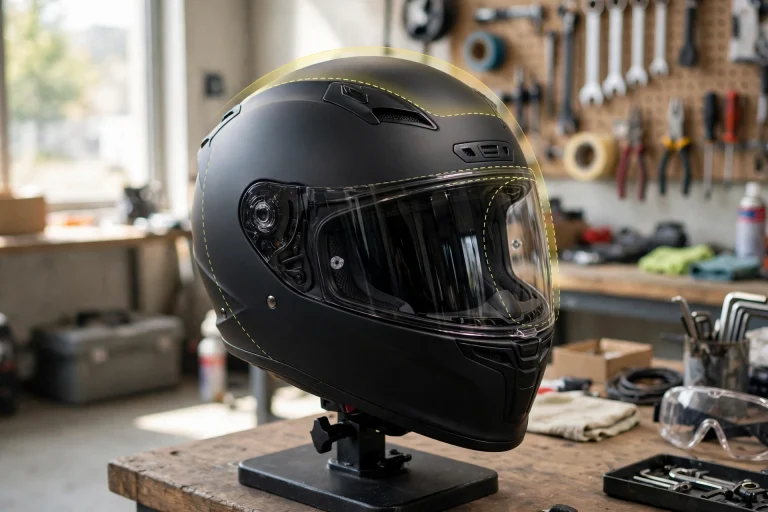
Foam works with the shell as a team. The shell meets the impact first, spreads the force over a wide area, and protects the foam from being cut or pierced. The foam then takes that spread-out force and absorbs it by crushing evenly across the area the shell has prepared.
Without the shell, the foam would be overwhelmed in one spot and punched through. Without the foam, the shell would pass the force straight to your head with almost no cushioning. Some helmets also add a layer designed to reduce twisting forces in angled impacts, such as MIPS, which works alongside the foam by allowing a small amount of slip. The shell, the foam, and the slip layer each handle a different part of the crash, and together they protect your head far better than any one of them could alone.
Is the foam the most important part of a helmet?
In general terms, yes. The foam liner does most of the energy absorbing, which is the core of helmet protection. The shell, the fit system, and the straps are all there to help the foam do its job.
Can you feel the foam crushing in a crash?
Not really. The crushing happens in a fraction of a second, so you will feel the jolt of the impact but not the foam working. What you notice afterwards is that the helmet feels different, or that the liner is dented where it took the hit.
Does old foam still protect you?
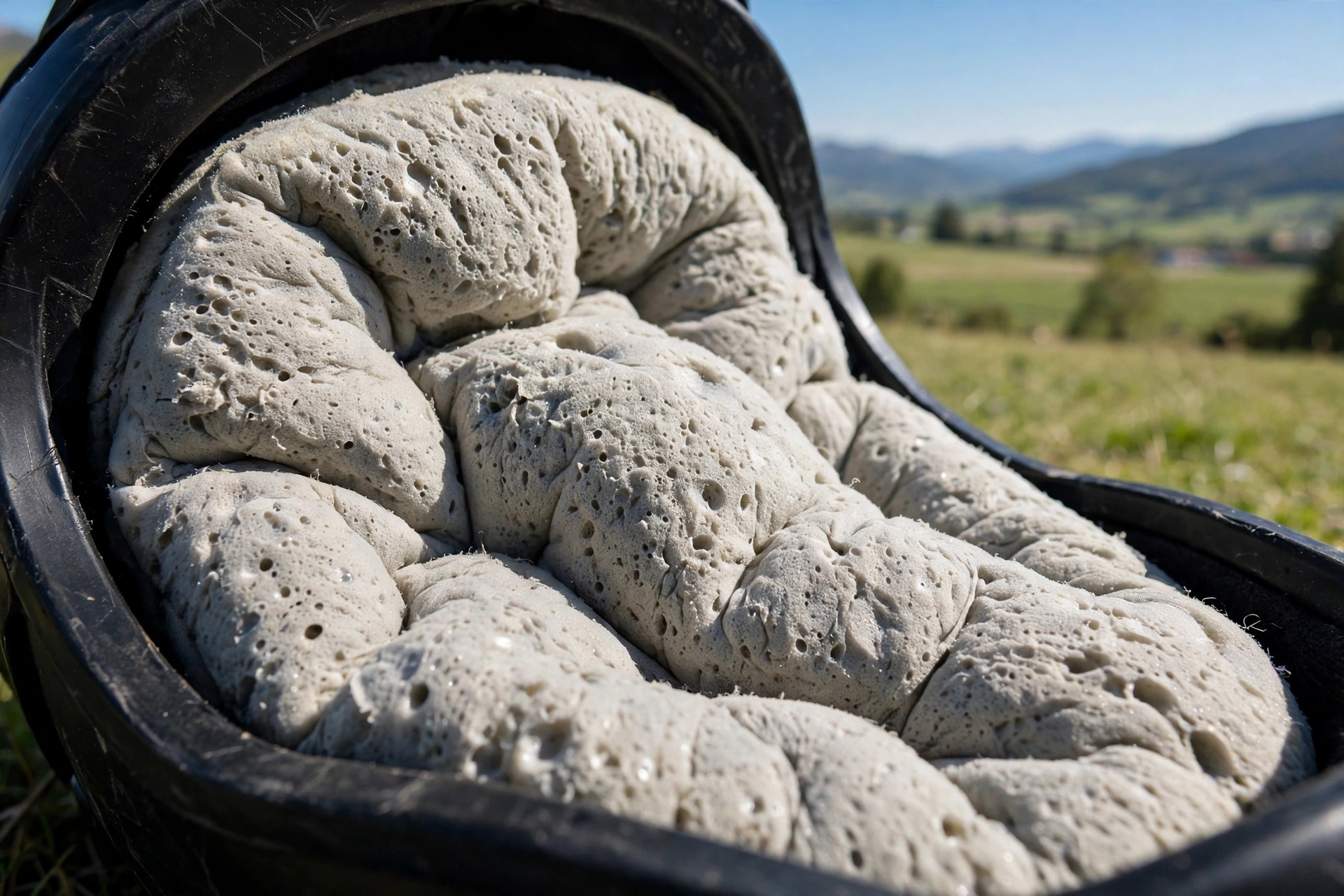
Foam can degrade over time, especially if the helmet is stored in heat, sunlight, or damp conditions. An old helmet with worn or hardened foam will not crush as it should, so helmets should be replaced when the liner shows signs of wear or age.

Olivia
Writer at Helmet Today, covering helmet reviews, fit and riding safety.