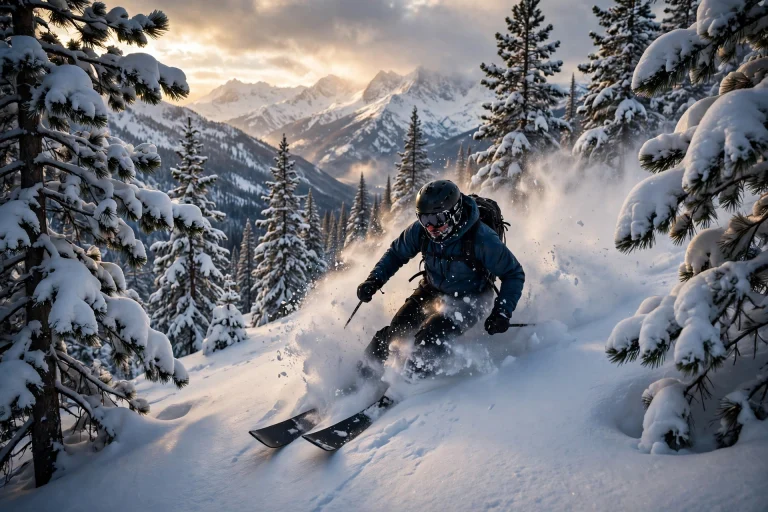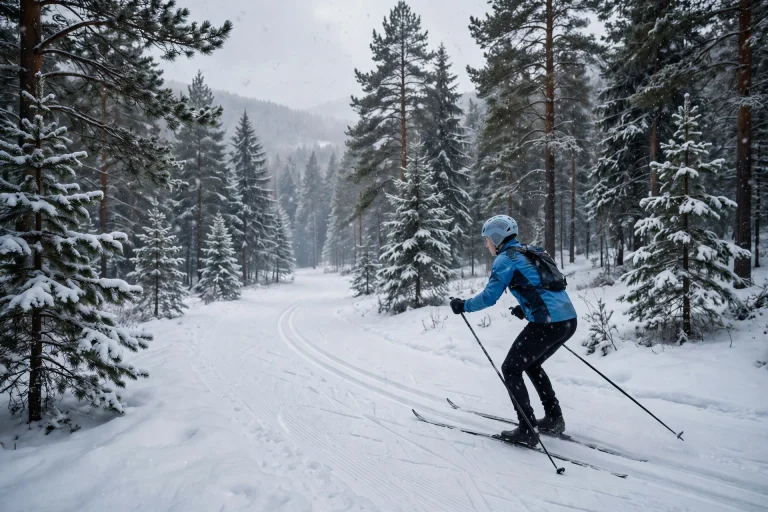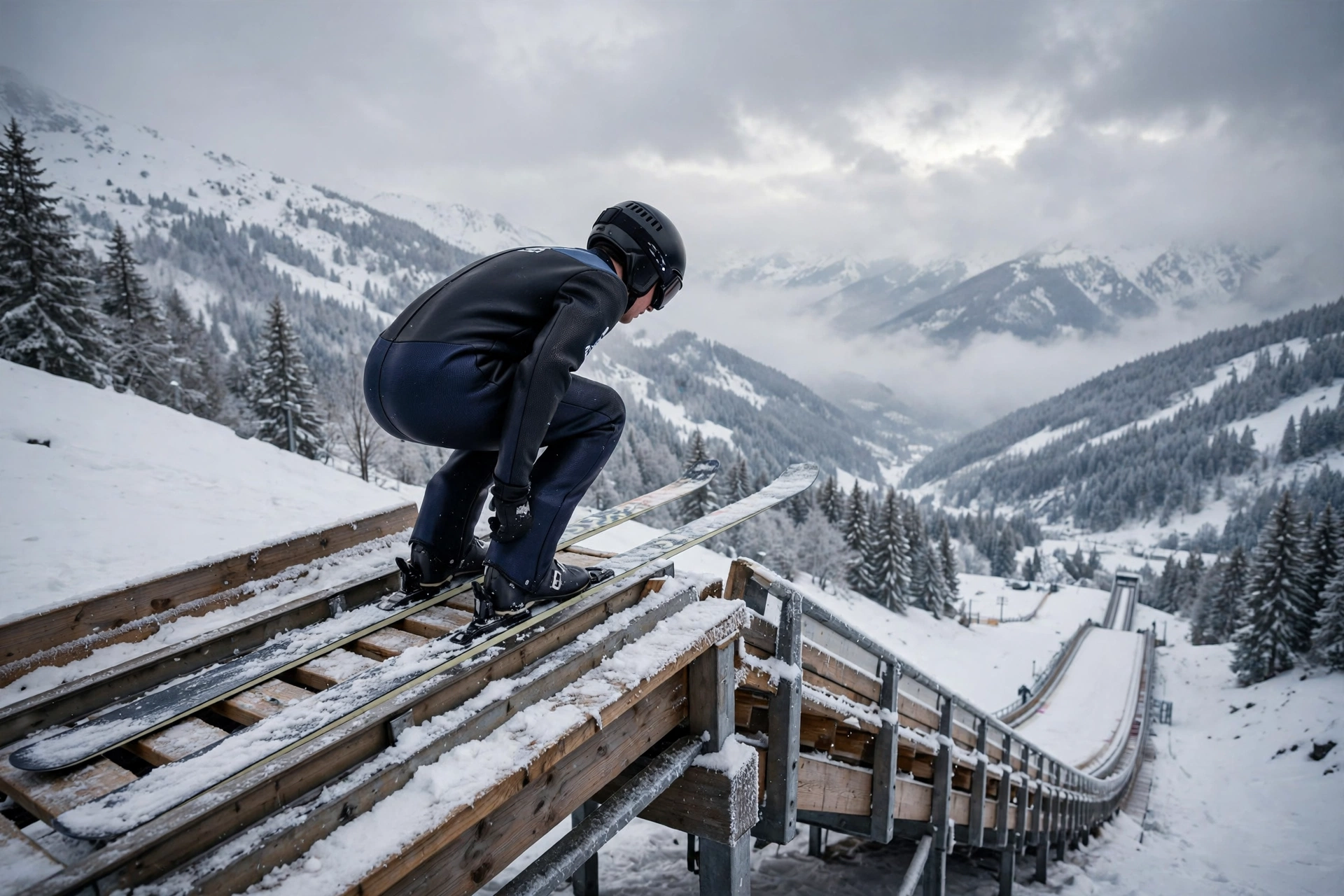
A helmet for ski jumping is a protective helmet worn by ski jumpers to guard the head during the take-off, flight, and landing of a jump, and in general terms it is a light, close-fitting ski helmet, often with a smooth, aerodynamic shape, that is worn with goggles. Ski jumping is a winter sport in which athletes slide down a steep ramp, launch into the air, and land on a slope far below, and speeds are high, so head protection is a sensible part of a jumper’s kit.
Ski jumpers reach a high speed on the in-run, the steep track that leads to the take-off, and they then fly through the air for a considerable distance before landing on a steep slope. A fall can happen at any stage: on the in-run, at the take-off, in the air, or on landing, and the jumper may hit hard snow or ice at speed. A helmet will not stop a fall from happening, but it can reduce the force of a knock to the head if a jumper comes down badly. In general terms, that is the main reason ski jumpers wear one, whether they are training on a small hill or competing on a large one.
What is ski jumping?
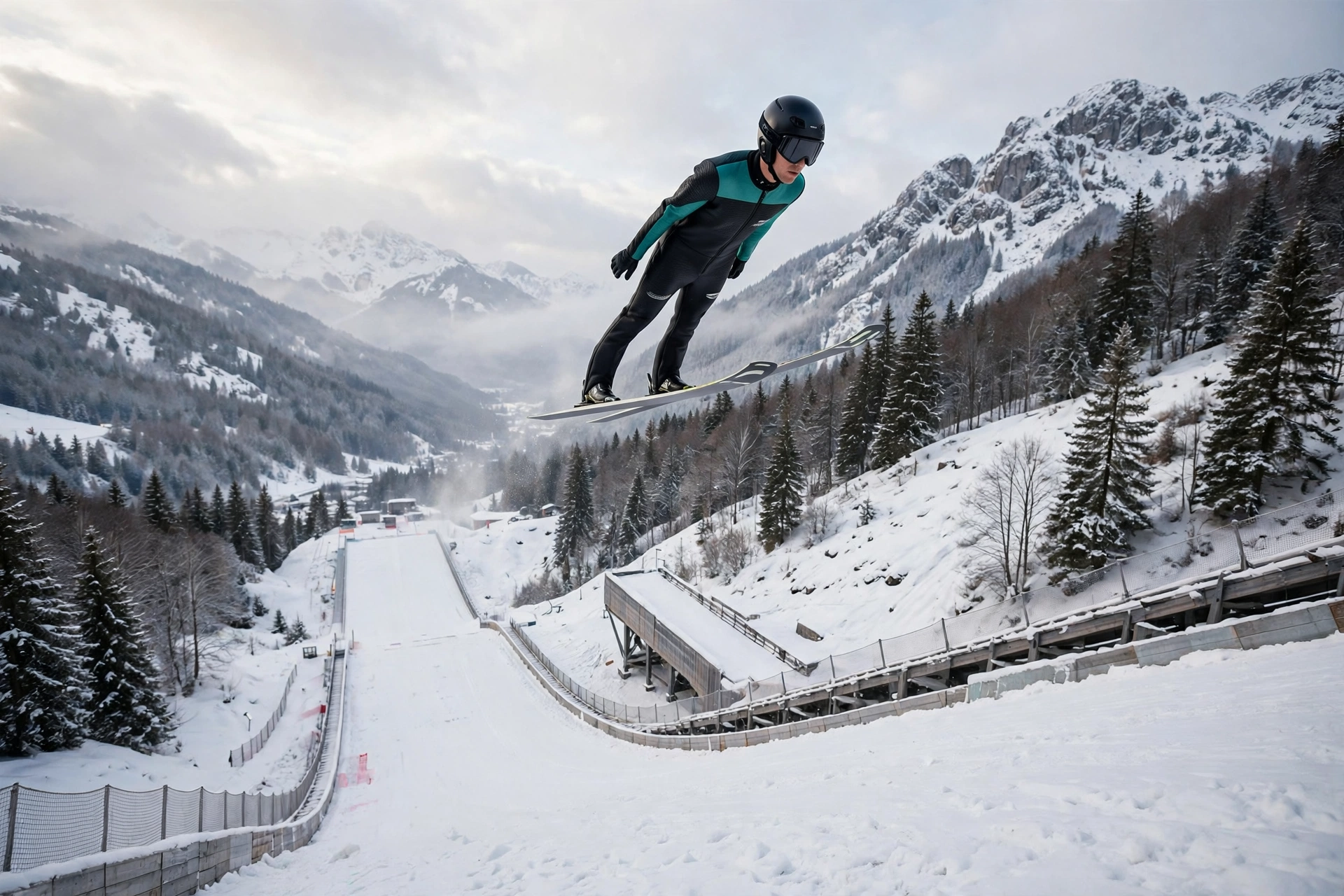
Ski jumping is a winter sport in which an athlete on long skis slides down a specially built ramp called an in-run, takes off from a curved lip at the end, flies through the air in a leaning position, and lands on a steep slope called the landing hill. Jumpers are judged on the distance they fly and on the style of their flight and landing, and the sport is contested at the Winter Olympics and in World Cup events around the world.
The skis used for ski jumping are much longer and wider than ordinary downhill skis, and the boots are flexible so the jumper can lean forward in flight. In the air, the jumper leans forward with the skis in a V shape, which helps them stay in the air longer. Landing is on a steep slope, and the jumper must absorb the impact and ski away in control. The sport takes place in cold, often windy conditions, and the snow on the in-run and the landing hill is prepared to be firm and fast.
What kind of helmet do ski jumpers wear?
In general terms, ski jumpers wear a ski helmet, which is a hard shell helmet that covers the top, sides, and back of the head, with padding inside and a chin strap to keep it in place. Ski jumping helmets are often lighter and smoother than the helmets used for downhill skiing, because a jumper needs to be aerodynamic in flight and does not want extra weight or drag. Some jumping helmets have a very smooth shell with few vents, which helps the air flow over the helmet cleanly.
The helmet should fit closely with goggles, so that there is no gap between the top of the goggles and the front of the helmet, a gap that is sometimes called a goggle gap. A gap like that lets cold air and snow in, and it can also be a weak point in a fall. A good jumping helmet sits low on the forehead and works with the goggles to cover the face fully, while still letting the jumper see clearly to the sides and downward toward the landing hill.
How should a helmet for ski jumping fit?
A helmet for ski jumping should sit level on your head, low enough at the front to cover your forehead, and snug all round without pressing painfully on your temples. It should not tip forward over your eyes or slide back when you nod, and it should stay in place when you shake your head gently from side to side.
The chin strap should be snug enough that you can fit only a finger or two between the strap and your chin, and it should be fastened for every jump and every training run. Check the fit with your goggles on, as you will wear them together, and make sure the goggles sit comfortably under the front of the helmet without pushing it up or out of position. If you wear a thin balaclava or a headband under the helmet in cold weather, try the helmet on with it, as it can change the fit.
What features matter in a ski jumping helmet?
Aerodynamics matters in ski jumping, because a smooth shape can help the jumper fly further, and a helmet with a clean, rounded shell and few protrusions is often preferred. That said, safety comes first, and no aerodynamic advantage is worth wearing a helmet that does not protect the head properly or does not fit well. Look for a helmet that is light, smooth, and comfortable, and that covers the head well, including the back and sides.
Weight matters as well: a light helmet is easier to wear and less likely to shift in flight, and a helmet that feels comfortable is one a jumper will actually keep wearing. Some helmets include a system designed to reduce rotational forces in a fall, such as MIPS, and it is worth asking about when you choose. The shell should be in good condition, with no cracks or damage, and the lining and strap should be clean and undamaged.
What other kit do ski jumpers wear?
Training matters as much as equipment. Jumpers learn the sport step by step, starting on small hills and building up to larger ones, and they practise the in-run position, the take-off, the flight position, and the landing many times before they move up. They also learn how to fall safely, and how to get up and check themselves after a fall. A helmet is part of a safe approach to the sport, along with good coaching, a well-prepared hill, and respect for the weather and the conditions on the day.
How do you look after a ski jumping helmet?
After a day on the hill, wipe the shell clean and let the helmet dry naturally at room temperature, away from direct heat. Do not leave it next to a radiator or in a hot car, as heat can damage the materials inside over time. If the lining is removable, take it out and wash it following the maker’s instructions, and let it dry fully before you put it back. A clean helmet is more pleasant to wear, and a jumper is more likely to wear a helmet that feels fresh and comfortable.
Do ski jumpers have to wear a helmet?
Yes, in general terms a helmet is required for ski jumping in training and competition, and jumpers wear it for every jump. It protects the head during the take-off, flight, and landing, where speeds are high and a fall can be serious.
Can you wear an ordinary ski helmet for ski jumping?
Yes, many jumpers wear a ski helmet, and a light, smooth, close-fitting ski helmet is a good choice. Make sure it fits well with your goggles and covers the forehead, sides, and back of the head.
When should a ski jumping helmet be replaced?
Replace it after a hard fall or a heavy knock, if the shell or lining is damaged, or if the strap and buckle are worn. A helmet that has protected you in a fall has done its job and should not be relied on again.

Olivia
Writer at Helmet Today, covering helmet reviews, fit and riding safety.