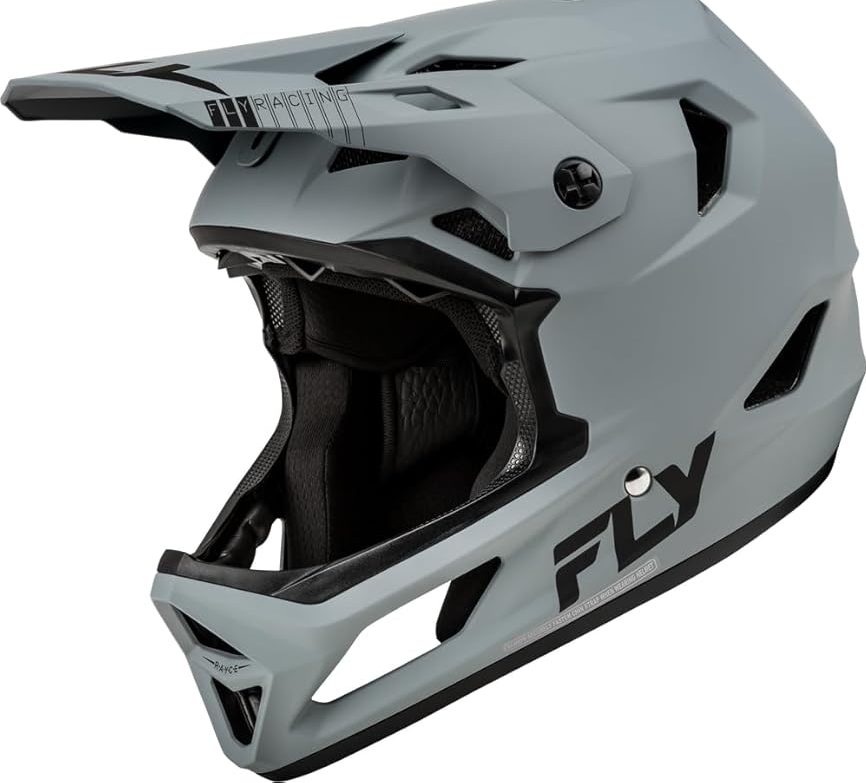

If you have ever held a lacrosse helmet next to a hockey helmet, you may have noticed something odd. They look similar, but a lacrosse helmet has its own shape, vents, face cage, and fit. That is not just for looks.
When I looked into why are lacrosse helmets shaped the way they are, the answer came down to one thing: lacrosse has its own mix of movement, contact, sticks, balls, and quick changes of direction. The helmet has to protect the head while still letting a player see, run, hear, and move freely.
Why Are Lacrosse Helmets Shaped the Way They Are?
A lacrosse helmet is shaped around the way the sport is played. Players can run at speed, change direction fast, make body contact, and get hit by a stick or ball.
The helmet needs to protect the head without becoming so large or heavy that it gets in the way.
| Helmet feature | Main reason |
|---|---|
| Rounded shell | Helps cover the head |
| Face cage | Helps protect the face |
| Side protection | Helps cover the temples and ears |
| Vents | Help move air through the helmet |
The shape also helps spread protection around areas that can be exposed during play.
Lacrosse is a very active sport. A player cannot spend the whole game thinking about the helmet. It needs to stay in place while the player focuses on the ball.
How Lacrosse Changes the Shape of the Helmet
One thing that is easy to miss is how much movement happens in lacrosse.
A player may look up, turn quickly, dodge an opponent, scoop a ground ball, or run while carrying a stick. The helmet must allow all of this without blocking too much vision.
The helmet needs a wide field of view
The face cage is one of the most noticeable parts of a lacrosse helmet.
It protects the face while leaving enough room to see the field. This matters when a player is tracking a pass, watching an opponent, or looking for an open teammate.
| Design need | Helmet response |
|---|---|
| Clear view | Open cage design |
| Face protection | Metal or alloy bars |
| Quick movement | Secure, close fit |
The cage also creates space around the face. That balance is important. Too much material could block vision, while too little protection would leave the face exposed.
Why Lacrosse Helmets Cover the Ears
The sides of a lacrosse helmet are not shaped that way by accident.
The helmet needs to cover the sides of the head while still allowing the player to hear what is happening around them.
Hearing still matters on the field
Lacrosse is full of sound.
Players call for passes. Coaches shout instructions. Teammates communicate during plays. A helmet that blocks sound too much would create a real problem.
The side shape aims to give protection without fully sealing the player’s ears.
| Area | Why it matters |
|---|---|
| Ear area | Protects while allowing sound |
| Temples | Adds side coverage |
| Jaw area | Helps keep the helmet secure |
That is one reason a lacrosse helmet feels different from a simple hard shell placed over the head.
Why the Face Cage Has That Distinct Shape
The lacrosse face mask has a tough job.
It needs to help protect against sticks, balls, and contact while keeping the player’s vision open.
Why not use a solid face shield?
A solid shield would change the way the player sees, breathes, and communicates.
The cage uses bars instead. The open spaces give the player a much clearer view of the field.
The bars also need enough strength and spacing to provide the level of protection required for the sport.
| Face cage need | Design goal |
|---|---|
| Protect face | Strong cage bars |
| See the field | Open viewing area |
| Move freely | Cage stays close to the helmet |
This is also why replacing or bending a cage is not something to treat like a simple cosmetic repair. The cage is part of the helmet’s protective design.
Why Lacrosse Helmets Have So Many Vents
Look closely at a lacrosse helmet and you will see plenty of openings.
At first, that may seem strange. More holes can look like less protection. But vents serve an important purpose.
Vents help with heat
Lacrosse can be played in warm weather. A helmet can trap a lot of heat around the head.
Air openings help air move through the helmet. This can make a big difference during a long game.
| Vent benefit | What it helps with |
|---|---|
| Air flow | Moves warm air out |
| Lower heat buildup | Keeps the head more comfortable |
| Lower moisture | Helps sweat dry |
Of course, vents must still work within the helmet’s safety design. They are not simply holes added wherever there is space.
Why Lacrosse Helmets Fit So Closely
A loose helmet can move when the player runs or gets hit.
That is why lacrosse helmets use fit systems, padding, and adjustment points to keep the helmet in the right place.
A snug fit helps the helmet stay put
The helmet should feel secure without causing painful pressure.
I think this is one area where people often make a simple mistake. They may buy a helmet that feels comfortable when standing still, but they do not check how it moves when they shake their head.
A good fit should limit unwanted movement.
| Fit problem | What you may notice |
|---|---|
| Too loose | Helmet shifts around |
| Too tight | Pressure or pain |
| Good fit | Snug and stable |
The exact fit method depends on the helmet model, so the manufacturer’s instructions should always come first.
Are Lacrosse Helmets Shaped for Stick and Ball Impacts?
Yes, the design takes the nature of lacrosse impacts into account.
A lacrosse ball is small, hard, and fast. Players also use sticks during nearly every part of the game. Contact can happen from many directions.
The shell needs broad coverage
The helmet covers more than just the top of the skull.
Protection extends around the sides and back because impacts can happen while a player is moving in different directions.
This does not mean the helmet makes a player immune to injury. No helmet can do that.
It means the shape is built around the risks that come with the sport.
Why Lacrosse Helmets Are Not Just Hockey Helmets
At a quick glance, a lacrosse helmet can look like a hockey helmet with a different cage.
There is some visual overlap. Both sports use helmets with face protection and strong shells. But they are not identical products.
Lacrosse has different movement and contact patterns
Hockey players move on ice. Lacrosse players run on a field or play indoors, depending on the form of the game.
That changes how the helmet needs to fit and function.
| Lacrosse helmet | Hockey helmet |
|---|---|
| Designed for lacrosse | Designed for hockey |
| Built around field play | Built around ice play |
| Lacrosse face cage | Hockey face protection |
This is why I would not treat helmets from different sports as interchangeable without checking the safety requirements for the specific activity.
Why the Back of a Lacrosse Helmet Is Rounded
The rounded rear shape gives the helmet broad coverage around the back of the head.
It also avoids unnecessary edges that could interfere with movement.
The shape follows the head
A human head is not a flat surface.
A rounded helmet can sit around the head while spreading protective material across a larger area.
The rear section also needs to work with the neck and shoulders. If it extended too far down, it could interfere with normal movement.
That balance is easy to overlook until you wear a helmet and start running around.
Why Are Lacrosse Helmets Shaped Differently for Different Players?
Not every lacrosse helmet has the same exact shape.
Manufacturers use different shell designs, padding systems, adjustment systems, and sizes. Head shape also varies from person to person.
Position does not always mean a different helmet
Attackers, midfielders, defenders, and goalies can have different roles. But that does not mean each position needs a completely different helmet shape.
The more important point is getting a helmet that fits the player and meets the rules for the level of play.
| Player concern | What matters most |
|---|---|
| Youth player | Correct size and fit |
| Adult player | Secure fit and comfort |
| Frequent player | Fit, condition, and proper care |
A helmet that fits one player perfectly may feel awful on another player’s head. That is normal.
Common Myths About Lacrosse Helmet Shape
There are a few easy assumptions to make when looking at these helmets.
Myth: The shape is mostly for style
Not really.
The shell, cage, vents, and padding all have jobs. The shape is tied to protection, fit, vision, air flow, and movement.
Myth: Bigger always means safer
A larger helmet is not automatically better.
Too much size can affect movement and fit. The helmet needs to be the right size for the player.
| Myth | Reality |
|---|---|
| Bigger helmet is safer | Correct fit matters more |
| More vents mean less safety | Vents can support air flow |
| All sports helmets work alike | Helmets are designed for specific sports |
Myth: A lacrosse helmet should feel loose
It should not.
A properly fitted helmet should stay secure during movement. A loose helmet can shift away from the position where it is meant to provide protection.
What I Would Check Before Buying a Lacrosse Helmet
Understanding the shape is useful, but buying one requires a practical check.
I would focus on fit first. Then I would check the helmet’s certification, condition, adjustment system, cage, padding, and overall comfort.
Try moving your head in different directions. Look through the cage. Check whether the helmet stays in place.
Do not judge it only by how it looks on the shelf.
A simple helmet check
Before playing, look for obvious issues.
- Check the shell for damage.
- Check the cage and its attachment points.
- Make sure the fit system works.
- Check that the helmet sits correctly.
- Follow the manufacturer’s care instructions.
If a helmet has taken a serious impact or shows damage, follow the manufacturer’s guidance on inspection and replacement.
The Simple Reason Behind the Shape
So, why are lacrosse helmets shaped the way they are?
Because lacrosse asks a lot from a helmet.
It must cover the head, protect the face, stay secure during fast movement, allow a wide field of view, let players hear and communicate, and help manage heat. All of those needs influence the final shape.
Once you look at the helmet that way, the design makes much more sense. The rounded shell is not just a style choice. The cage is not just decoration. The vents are not random holes.
Each part has a job.
Final Thoughts
The biggest thing I took away from looking at lacrosse helmet design is that every curve and opening has a reason. The helmet has to balance protection with vision, movement, comfort, and air flow.
That is also why the right fit matters so much. A helmet can have a clever design, but it still needs to sit correctly and be used as intended. For me, that is the easiest way to understand the whole shape: it is built around how lacrosse is actually played.
FAQs About Lacrosse Helmet Shape
Why are lacrosse helmets shaped differently?
Lacrosse helmets are shaped for the sport’s mix of running, contact, sticks, and ball impacts. The design also supports clear vision, hearing, fit, and air flow.
Why do lacrosse helmets have face cages?
Lacrosse face cages help protect the face from sticks, balls, and contact. The open cage design also gives players a clear view of the field.
Why do lacrosse helmets have so many vents?
Vents help air move through the helmet. This can reduce heat and moisture during play, especially in warm weather or long games.
Why do lacrosse helmets cover the ears?
The side shape adds protection around the ears and temples while still leaving room to hear teammates, coaches, and play around you.
Are lacrosse helmets shaped like hockey helmets?
They can look similar, but they are made for different sports. Lacrosse helmets are designed around running, field movement, lacrosse sticks, and ball impacts.

Olivia
Writer at Helmet Today, covering helmet reviews, fit and riding safety.