For most riders, aero road helmets are not worth it — the speed gains are real but small, and they only show up at sustained high speeds. Racers and time trialists chasing seconds can justify one. Casual riders, commuters, and most club riders will get more from a well-ventilated, well-fitting standard helmet, because aero helmets meet the same safety baseline as any other certified road helmet while typically running hotter.
That answer surprises people, because aero helmets look fast and the marketing around them is loud. Below is an honest breakdown of what an aero helmet actually does, where the gains are real, what you give up for them, and who should — and should not — spend the money.
What Does an Aero Road Helmet Actually Do?
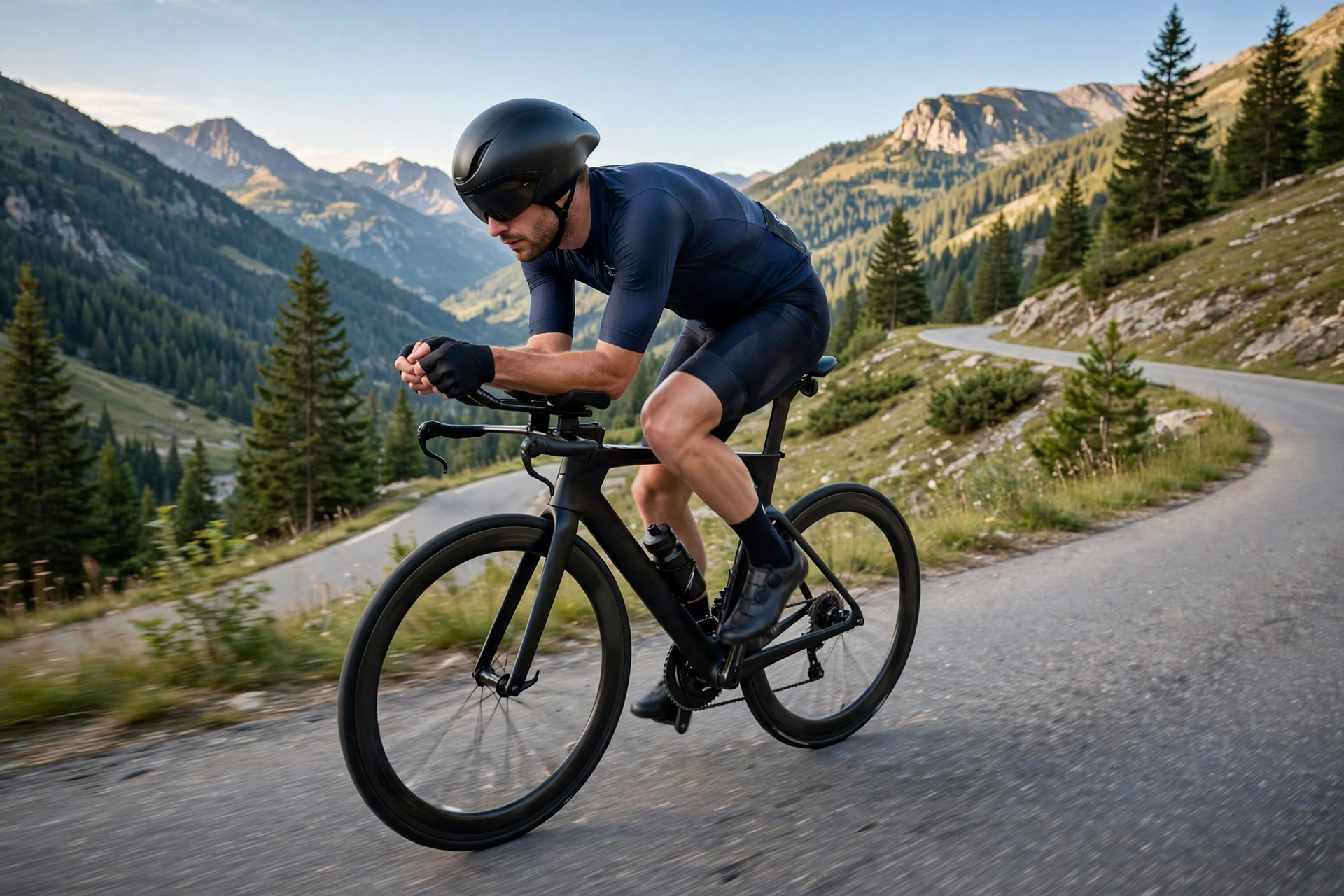
On a bicycle, most of the resistance you fight at speed comes from the air, and your head and helmet sit right in the airflow. An aero road helmet uses a smoother, more elongated shell with fewer and smaller vents to keep air attached and flowing over the top instead of tumbling into open vent holes. Some designs add a short tail, a visor-like shield, or vents that can be closed.
The result is less drag than a heavily vented climbing helmet at the same speed. The key phrase is “at the same speed”: aerodynamic savings grow with speed, roughly with the cube of velocity for power. At gentle cruising pace the saving is tiny; at racing pace it becomes meaningful. This is why aero helmets are standard equipment in time trials and fast road races, and why you rarely see one on a coffee ride.
It is also worth separating road aero helmets from full time trial helmets with long tails. The long-tail designs are faster in a fixed head position but can lose their advantage when you look around. Modern aero road helmets are a compromise — shorter, easier to live with, and a bit slower than a pure TT helmet.
How Much Speed Do You Really Gain?
Independent testing varies by helmet, rider, and position, but the consistent finding is that the gains are small compared with the big-ticket items: your body position on the bike, your clothing, and your wheels all matter more. A helmet swap sits near the end of the optimisation list, typically worth a modest handful of seconds over a long, fast effort rather than minutes.
Context matters more than the number. Over a forty-kilometre time trial ridden at full race pace, a small drag saving adds up to something a competitive rider can feel in the results sheet. Over a two-hour social ride at moderate pace with stops, the same saving shrinks to almost nothing, because you spend so little time at the speeds where aerodynamics dominate.
Be sceptical of the largest claims. Wind tunnel figures are usually quoted at high test speeds, with a still head in a perfect position. On the road you turn your head, sit up, and ride in crosswinds, all of which erode the advantage. Treat aero as a tiebreaker between two helmets you otherwise like equally, not as a reason to buy by itself.
What Are the Trade-Offs of an Aero Helmet?
Ventilation is the big one. Fewer, smaller vents mean less cooling airflow, and the difference is obvious on slow climbs and hot days — precisely the conditions where a traditional vented helmet earns its keep. Some aero models vent better than others, using internal channels to move what air they do catch, but as a category they run warmer. If you overheat easily or ride in a hot climate, that trade-off alone can decide the question.
Weight is a smaller trade-off. Aero helmets tend to be a little heavier than the lightest vented models, though the difference is modest and most riders stop noticing it quickly. Cost is the third: aero models usually sit in the upper price tiers of a brand’s range, so you are paying a premium for the slippery shape.
On safety, there is no trade-off to fear and no bonus to claim. Aero helmets sold for road use must meet the same CPSC certification as every other bicycle helmet in the US. The shell shape does not make them safer or less safe by itself. What varies between models is added technology — many aero helmets are offered with rotational-impact protection, and it is worth understanding what MIPS is for helmets when you compare the options in your size.
Who Benefits Most From an Aero Road Helmet?
Time trialists and triathletes benefit most, because they ride alone, at sustained high speed, in a fixed position, over measured courses where seconds decide placings. Road racers in fast, flat events are next in line, especially those who spend time off the front or in breakaways rather than sheltered in the bunch.
Strong, fast club riders who regularly ride at high average speeds can get something out of one too, particularly if they enjoy chasing segments. But the further you move from that profile, the weaker the case gets. Commuters gain nothing measurable at urban speeds, and the poor ventilation is a genuine downside on a summer ride to work. Casual and endurance riders are better served by comfort: a lighter, cooler helmet you forget you are wearing will make you faster in the real world simply because you ride more.
If you own one helmet and ride everything, a mid-range vented helmet with decent shaping is the sensible all-rounder. If you own two, the aero one is a race-day tool, not a daily driver.
Why Does Fit Matter More Than Aero?
A badly fitting aero helmet is slower than a well-fitting vented one, because you will fidget, tilt your head, and break your position to deal with pressure points and slipping. Fit also decides whether the helmet sits in the position its designers tested. A helmet rotated too far back or perched too high changes the airflow the tunnel numbers were based on.
Fit decides the safety side too: a helmet that moves on your head cannot do its job properly in a fall. So whatever category you buy, measure your head, match the size range, check the shape suits you, and confirm the retention system holds the helmet steady through a firm head shake. Get that right first, then argue about vents and tails.
Frequently Asked Questions
Are aero road helmets safer than normal helmets?
No. They must pass the same CPSC certification as any other road helmet, so the baseline protection is the same. Differences come from fit and from optional extras like rotational-impact liners, not from the aero shape.
Do aero helmets work at slow speeds?
Barely. Aerodynamic drag savings grow sharply with speed, so at gentle cruising pace the benefit is close to zero while the reduced ventilation is very noticeable. The gains belong to fast, sustained riding.
Should a beginner buy an aero helmet?
Almost never as a first helmet. Beginners ride at modest speeds and benefit far more from comfort, ventilation, and a secure fit. If you start racing time trials later, an aero helmet can be a later, deliberate upgrade.

Olivia
Writer at Helmet Today, covering helmet reviews, fit and riding safety.