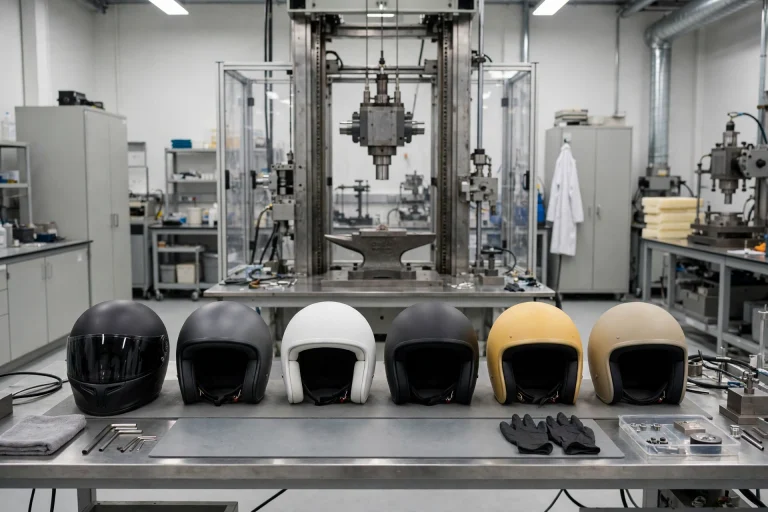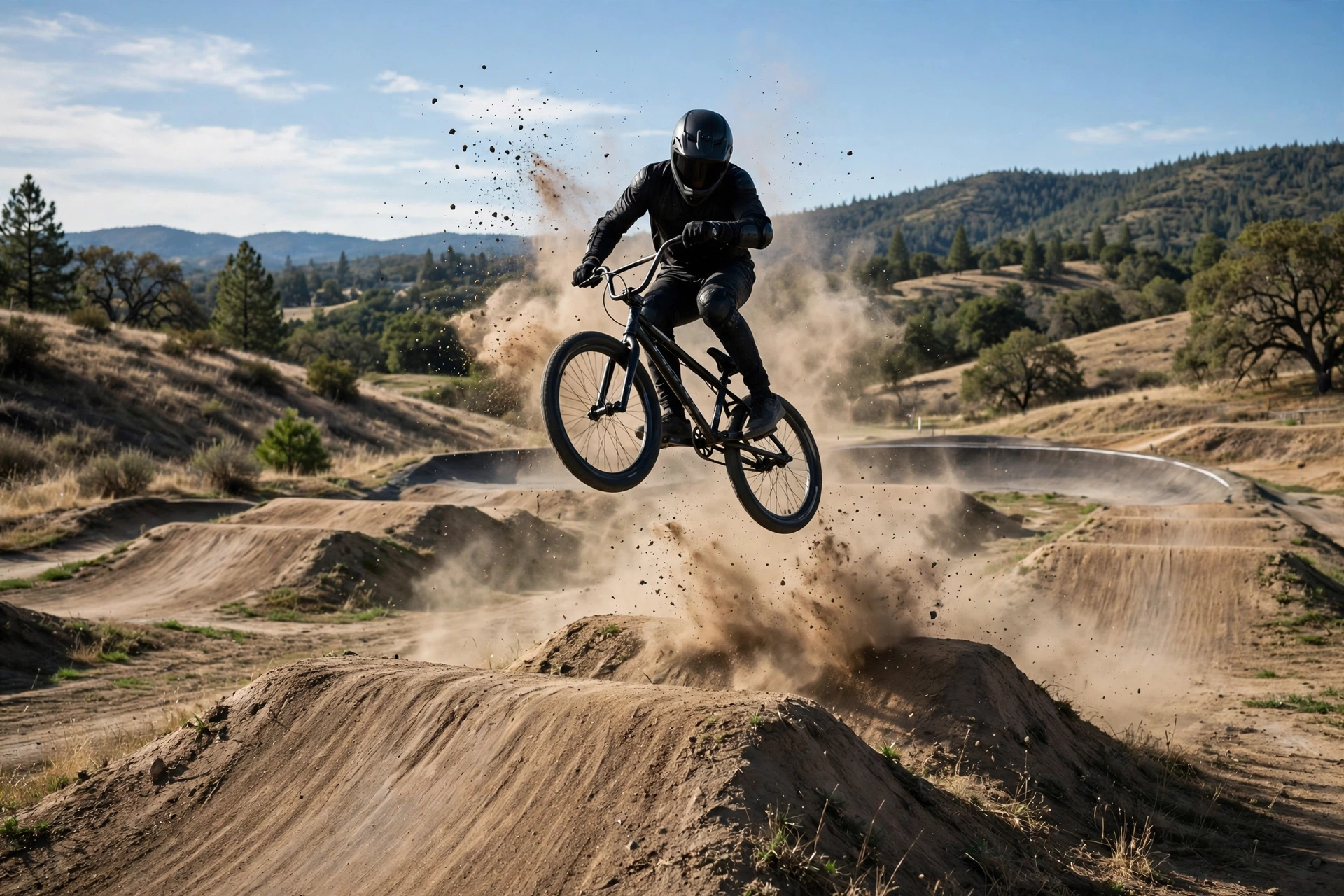
The ASTM F2032 BMX helmet standard is a safety standard that sets requirements for helmets made for BMX cycling, covering how they should protect the head in a crash. In general terms, it describes the kind of impact protection a BMX helmet should give, along with requirements for the helmet’s coverage, straps, and construction. It exists so that riders, parents, and shops can tell a helmet made for BMX from one that only looks the part.
What Is ASTM F2032?
ASTM F2032 is a standard published by ASTM International, an organisation that writes technical standards for many kinds of products. The F2032 standard applies specifically to helmets used for BMX cycling, which includes both racing on a BMX track and freestyle riding on ramps, bowls, and street features. BMX riding involves jumps, high speeds, and hard landings, so the crashes can be quite different from an ordinary ride to the shops.
The standard sets out requirements that a helmet must meet before it can claim to comply with it. These cover, in general terms, how well the helmet absorbs an impact, how much of the head it should cover, and how securely it should stay on during a crash. A helmet that meets the standard has been tested against those requirements, which gives riders more confidence than a helmet with no standard at all.
What Does the Standard Cover?
In general terms, ASTM F2032 covers the safety performance of BMX helmets, including impact absorption, coverage of the head, and the strength of the retention system, which is the straps and buckle that keep the helmet on. It also covers how the helmet should be labelled, so that a buyer can check what the helmet is certified for. The standard is about the helmet’s safety performance, not about its style, colour, or brand.
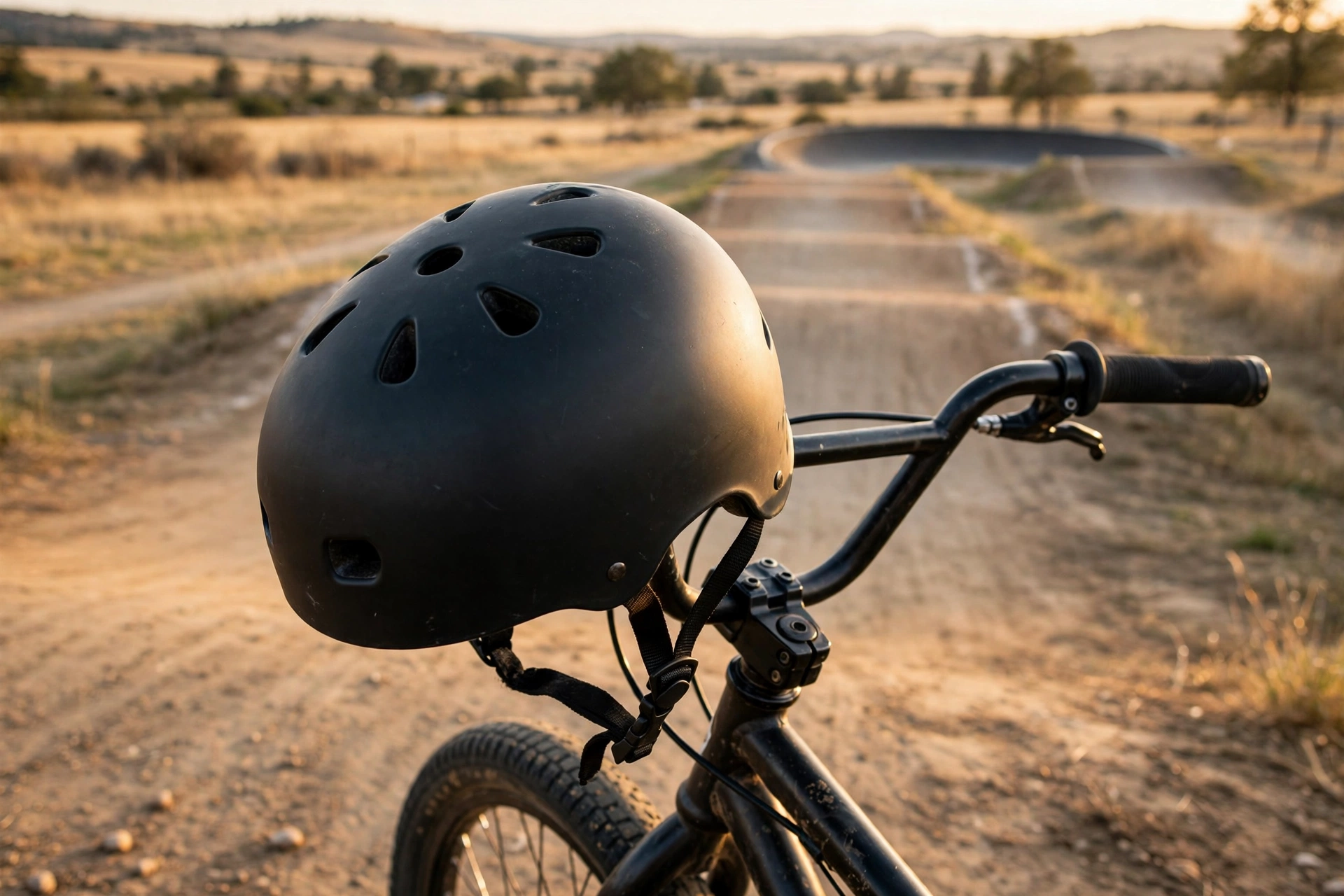
BMX helmets often look different from road cycling helmets, with a rounder shape and more coverage around the sides and back of the head, which suits the kinds of falls BMX riders face. The standard takes this into account by setting requirements that fit the way BMX helmets are built and used. If you want to understand one of the safety technologies used in modern helmets, reading about MIPS is a good place to start, though not every BMX helmet uses that system.
How Can You Tell If a BMX Helmet Meets ASTM F2032?
The easiest way to check is to look for a label or sticker inside the helmet. A helmet that meets ASTM F2032 should carry a marking that names the standard, usually inside the shell or on a label under the liner. The product description or packaging may also state that the helmet is certified to ASTM F2032, and the maker’s website should list the standards a helmet meets.
It is worth checking the label carefully, because a helmet can be sold as a BMX-style helmet without actually meeting any BMX standard. A label that only mentions a different standard, or that says nothing at all about certification, does not show that the helmet meets F2032. If the label is missing, faded, or hard to read, it is reasonable to ask the seller or the maker for confirmation before buying.
Is ASTM F2032 the Same as Other Helmet Standards?
No, ASTM F2032 is specific to BMX helmets, and it is different from standards for road cycling, skateboarding, or motorcycle helmets, even though they all deal with head protection. Each standard is written for a particular activity, because the speeds, the kinds of falls, and the surfaces involved are different. A helmet that meets a road cycling standard may not meet the BMX standard, and the other way round.
Some helmets are certified to more than one standard, and their labels will list each one. This can be useful for riders who do more than one activity, but it is important to check that the list includes the standard for the activity you actually do. In general terms, the standard that matters is the one that matches how the helmet will be used, not the longest list of letters on the box.
Does a Certified BMX Helmet Guarantee Safety?
No helmet can guarantee safety, and certification to ASTM F2032 does not change that. What the standard does is set a minimum level of performance that the helmet must meet in testing, which is a useful baseline. A certified helmet that fits well and is worn correctly gives the rider much better protection than an uncertified one, but it cannot prevent every injury.
Fit is just as important as certification. A helmet should sit level on the head, cover the forehead, and stay snug when the straps are fastened. A certified helmet that is too loose, worn tilted back, or left unstrapped will not protect as well as it should. Riders should also replace a helmet after a hard crash, because the liner inside may have absorbed damage that is not visible from the outside.
What Should a BMX Rider Look for When Buying a Helmet?
When buying a BMX helmet, the rider should first check that it is certified to a standard that fits BMX riding, such as ASTM F2032, and that the label inside the helmet confirms it. Then the fit should be tested by trying the helmet on and shaking the head gently: it should stay put without pressing painfully anywhere. The straps should fasten easily and hold the helmet level.
Other things to consider include ventilation, weight, and visibility, since BMX riding is hard physical work and a hot, heavy helmet can be distracting. The helmet should also work with any goggles or eyewear the rider uses, and it should feel balanced rather than tipping forwards or backwards when the rider moves. In general terms, a helmet that is certified, comfortable, and worn every time is the best choice, and it is worth taking the time to find one that ticks all three boxes.
What does ASTM F2032 mean on a BMX helmet?
It means the helmet has been tested against the ASTM standard for BMX helmets, covering impact protection, coverage, and strap strength in general terms. Look for the standard named on a label inside the helmet.
Can I use a road bike helmet for BMX?
Not ideally. Road helmets are made for road cycling crashes, while BMX helmets are built and tested for the falls and impacts of BMX riding. A helmet certified for BMX is the better choice for BMX.
Do all BMX helmets meet ASTM F2032?
No. Some BMX-style helmets carry no certification, or meet a different standard. Always check the label inside the helmet and the maker’s listing before you buy.

Olivia
Writer at Helmet Today, covering helmet reviews, fit and riding safety.