

We may earn a commission when you buy through links on this page, at no extra cost to you. Learn more
Choosing the Best Adhesive for Vinyl Flooring depends on whether you are securing a small loose edge, repairing damaged vinyl, or bonding flexible PVC materials. A suitable adhesive should match the repair rather than simply promise a strong hold.
The two options here serve different purposes. Henry’s 12220 is a compact vinyl repair adhesive, while HH-66 is a broader vinyl cement designed for demanding repairs across flexible vinyl, PVC, and several other materials.
Pay close attention to the application, flexibility, and conditions involved. If your project is specifically flooring installation, verify that the adhesive is intended for that flooring system before using either product.
| Product | Title | Key Features | Price |
|---|---|---|---|
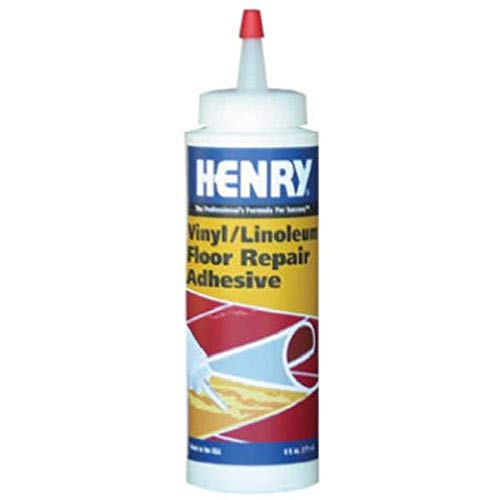 |
#1Best for Small Henry Vinyl Repair Adhesive Brand: Henry, W.W. Co.
|
|
Check Latest Price |
 |
#2Best for Tough HH-66 Vinyl Cement Brand: RH Adhesives
|
|
Check Latest Price |
What to Look for in Best Adhesive For Vinyl Flooring
- Match the adhesive to the job, since a small vinyl repair product may not replace a flooring-installation adhesive.
- Look for flexibility when bonding vinyl that will bend, move, or experience changing temperatures.
- Check whether the product works with your exact material, because HH-66 is not intended for polyethylene or polypropylene.
- Consider application control, such as a built-in brush, when you need an even layer over a repair area.
- Review the usable temperature range if the repaired item will be exposed to cold, heat, or moisture.
#1 · Best for Small
Henry Vinyl Repair Adhesive
Henry 12220 is a compact vinyl repair adhesive from Henry, W.W. Co., supplied in a 6 oz container. Its small format makes it a practical choice for homeowners who need adhesive for a focused vinyl repair rather than a larger multi-material project. The product weighs 0.5 lb and comes in a container measuring 2.0 by 2.0 by 7.5 inches.
This is the simpler option of the two products in this roundup. The available product information identifies it specifically as a vinyl repair adhesive, so it is best suited to shoppers looking for a straightforward vinyl-focused repair product. For flooring work, confirm that the intended use and substrate match the repair before applying it.
Pros
- Compact 6 oz format
- Designed for vinyl repair
- Established Henry brand
- Made in the United States
Cons
- Less documented versatility than HH-66
- No temperature range listed
- Intended use is narrower than a multi-material cement
The compact container is convenient for keeping on hand for occasional repairs, and its dimensions should be easy to store in a toolbox or utility cupboard. Compared with HH-66, however, the supplied information gives fewer details about application conditions, material compatibility, and cured performance. That makes Henry 12220 easier to position as a focused repair choice rather than an all-purpose bonding solution.
At $15.87, it costs slightly more than the 4 oz HH-66 listing, while offering a larger stated quantity. Its main advantage is simplicity: shoppers who only need a vinyl repair adhesive may not need the broader capabilities of HH-66. Still, for vinyl flooring, check the flooring manufacturer’s requirements before treating this as a general installation adhesive.
#2 · Best for Tough
HH-66 Vinyl Cement
RH Adhesives HH-66 Vinyl Cement is a 4 oz professional-grade adhesive for flexible vinyl and rigid PVC. It is designed for demanding repairs, with bonding listed from 35°F to 95°F and a cured service range from -30°F to 150°F. The formula remains flexible after curing, which can help reduce cracking or brittle seams in moving materials.
This option suits shoppers repairing more than ordinary indoor vinyl. Its stated applications include pool liners, tarps, inflatable boats, marine vinyl, awnings, upholstery, mats, banners, and roofing membranes. A built-in brush cap supports controlled application, while the adhesive also bonds materials including canvas, fiberglass, neoprene, leather, wood, and other rigid plastics.
Pros
- Waterproof after curing
- Works on flexible vinyl and rigid PVC
- Built-in brush cap
- Can be applied underwater
- Broad material compatibility
Cons
- Not for polyethylene or polypropylene
- Only 4 oz per container
- Not for ASTM/NSF-listed PVC plumbing pipe
HH-66 stands out when the repair faces moisture, movement, or changing temperatures. The manufacturer states that it can be applied underwater and remains waterproof after curing, while its flexible bond is intended to stay serviceable across a wide temperature range. Those features make it more purpose-built for harsh or outdoor conditions than the more narrowly described Henry adhesive.
At $14.99, it is listed slightly below Henry 12220, although the container is smaller at 4 oz. The built-in brush is useful for spreading a controlled coat, and the range of compatible materials adds value for people with varied repair needs. For flooring, its PVC and vinyl compatibility is relevant, but it should not be assumed to replace a product specified for full-floor installation.
Frequently Asked Questions
Can either adhesive be used for vinyl flooring installation?
The supplied information identifies Henry 12220 as a vinyl repair adhesive and HH-66 as a vinyl cement for repairs and fabrication. Neither listing specifically confirms suitability for complete vinyl flooring installation, so check the flooring manufacturer’s adhesive requirements first.
Which product is better for a small vinyl repair?
Henry 12220 is the more focused choice because it is specifically described as a vinyl repair adhesive. Its compact 6 oz format also suits occasional, localized repairs.
Which adhesive is better around water?
HH-66 is the stronger match for wet conditions because it is described as waterproof after curing and can even be applied underwater. Its listed uses include pool liners and other water-exposed vinyl items.
Can HH-66 bond every type of plastic?
No. The product information specifically says HH-66 is not for polyethylene or polypropylene, including most blue tarps. Confirm the material before applying it.
Does HH-66 stay flexible after curing?
Yes. HH-66 is described as remaining flexible and serviceable from -30°F to 150°F after curing. That makes it useful where the bonded material moves or faces temperature changes.
Final Thoughts
Henry 12220 is the sensible pick for a straightforward, vinyl-focused repair in a compact container. It is easier to choose when your project is limited and you do not need the broader material compatibility or environmental claims provided for HH-66.
Choose HH-66 when flexibility, waterproof performance, brush application, or tough conditions matter most. For either product, treat vinyl flooring installation as a separate question and verify compatibility with the flooring system before committing to the repair or installation.

Olivia
Writer at Helmet Today, covering helmet reviews, fit and riding safety.