Taekwondo Headgear Rules Explained
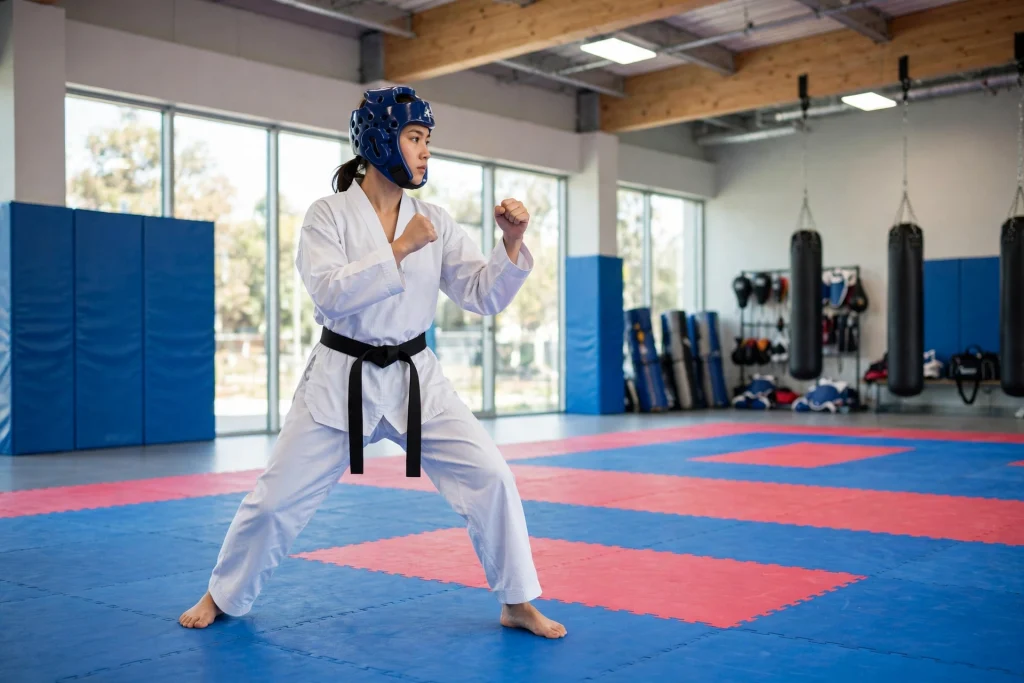
Taekwondo headgear is required in most taekwondo sparring and competition, and the rules cover when it must be worn, what it must protect, and what type is allowed. In general terms, the headgear must…
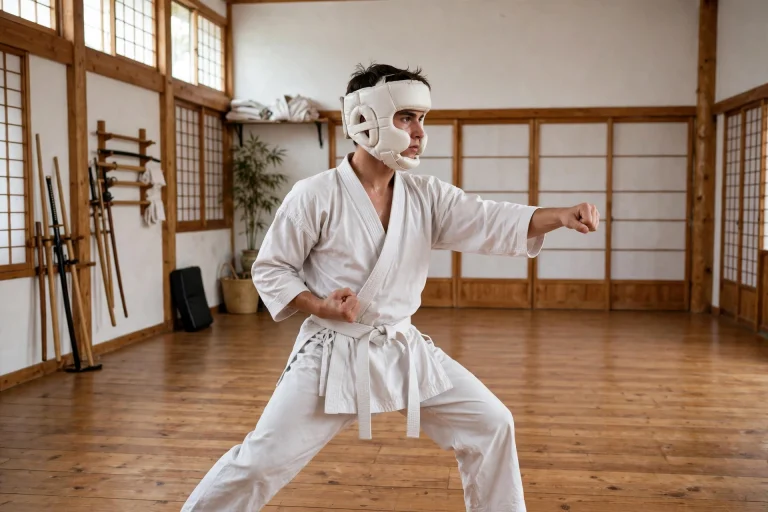
Karate headgear protects your head, face, and ears from light and accidental contact during training and some forms of competition. In general…
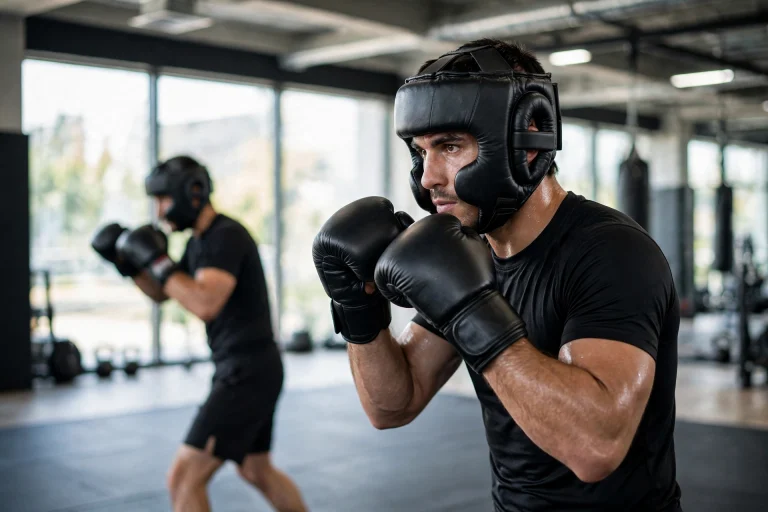
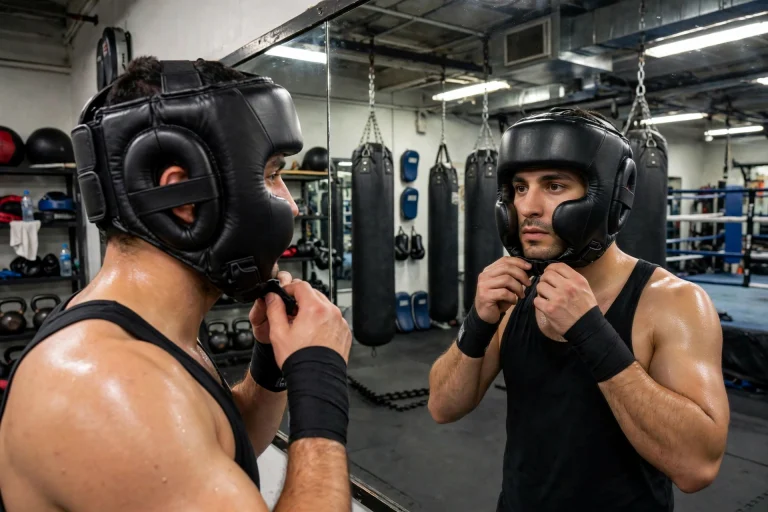
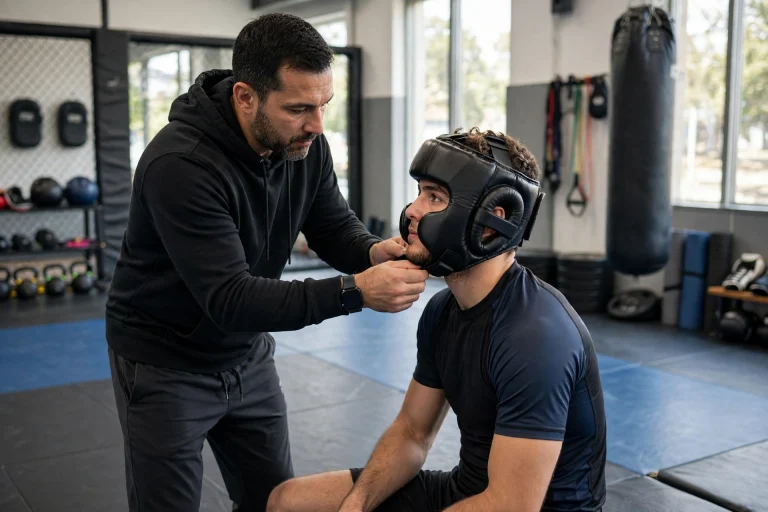
To fit MMA sparring headgear, it should sit level on your head, feel snug all around with no gaps, cover your forehead,…
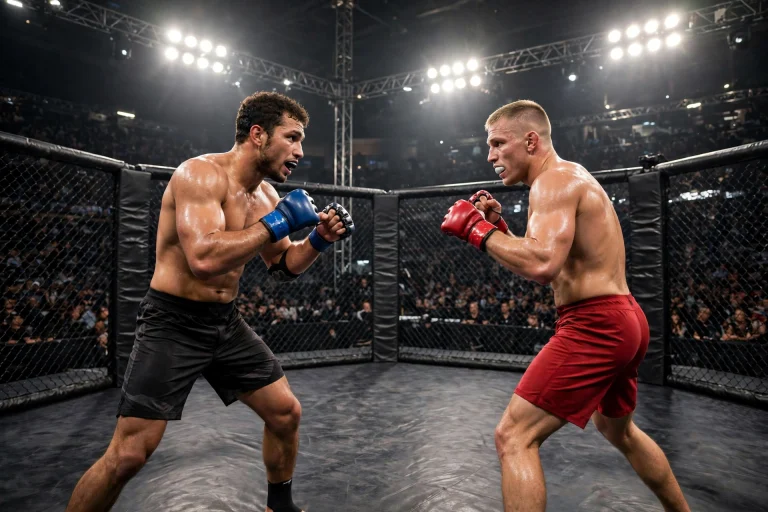
In general terms, no — MMA fighters do not wear headgear in professional competition. Professional MMA bouts are fought bareheaded, with gloves,…
MMA headgear for training should protect your head, ears, and cheekbones without blocking your vision, muffling your hearing, or sliding around when…
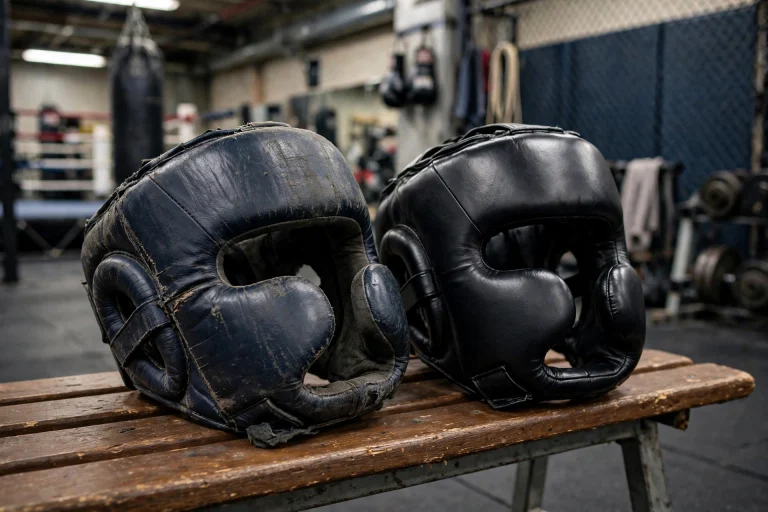
In general terms, you should replace a boxing headguard when the padding has gone soft or flat, the shell is cracked or…
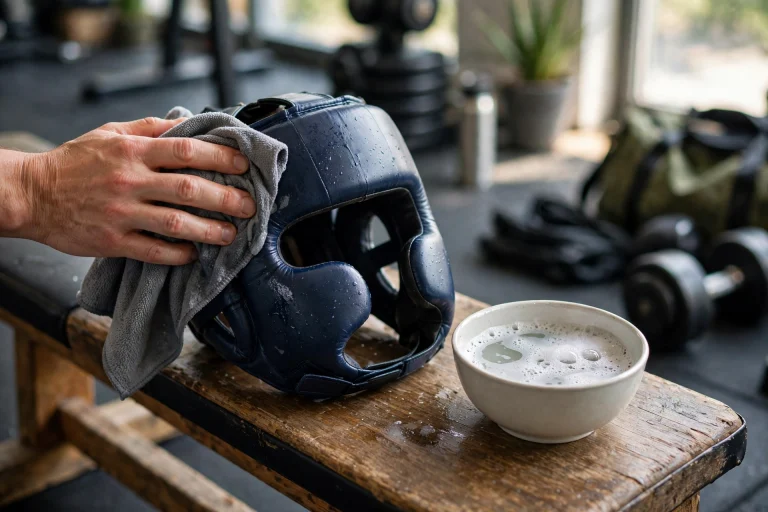
To clean a boxing headguard after training, wipe the shell and padding with a damp cloth, wash any removable pads in mild…
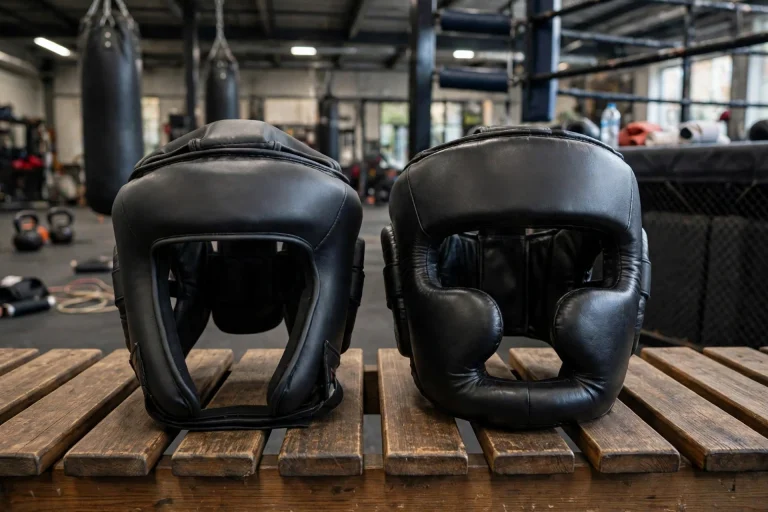
In general terms, an open face boxing headguard leaves your face exposed so you can see clearly and breathe freely, while a…
A boxing headguard should feel snug all over, like a firm handshake around your head — close enough that it does not…
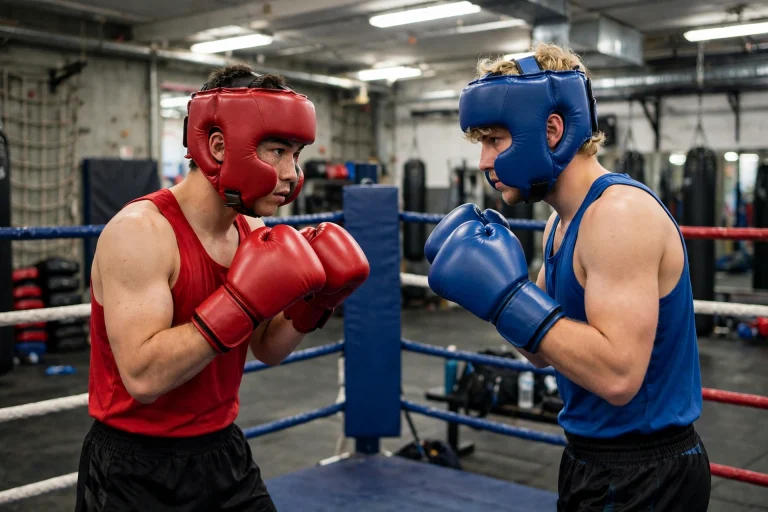
Yes, in general terms, most amateur boxers still wear headguards in competition — but the rules depend on the level of the…